Artwork
Plough Ox and Mule with Fellah
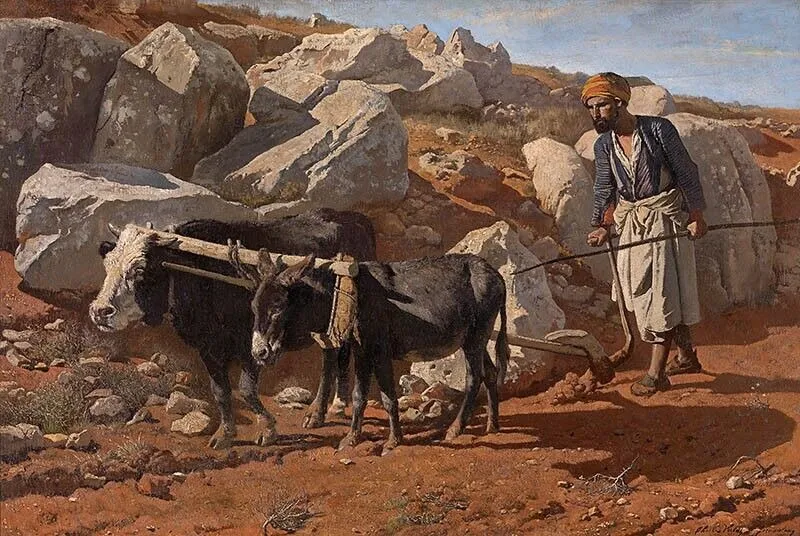
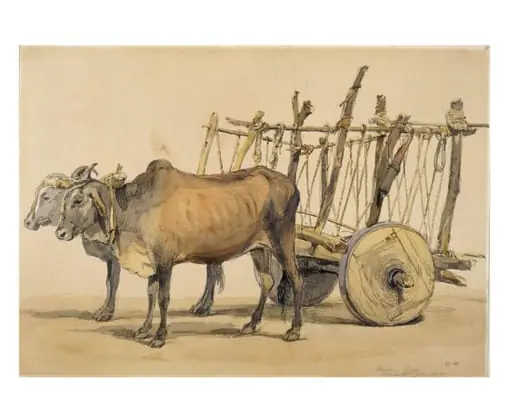
Plough Ox and Mule with Fellah is an oil painting by the Realist artist Charles Verlat. It dates from 1888 and is held in the collection of the Royal Museum of Fine Arts Antwerp.
About this work
Overview
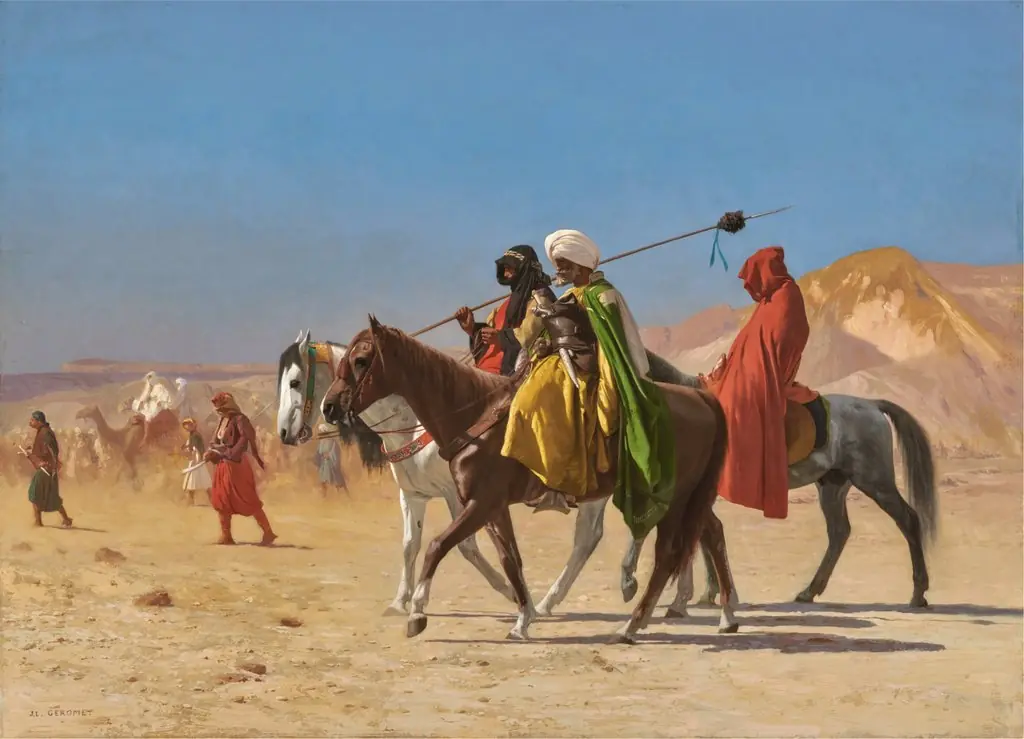
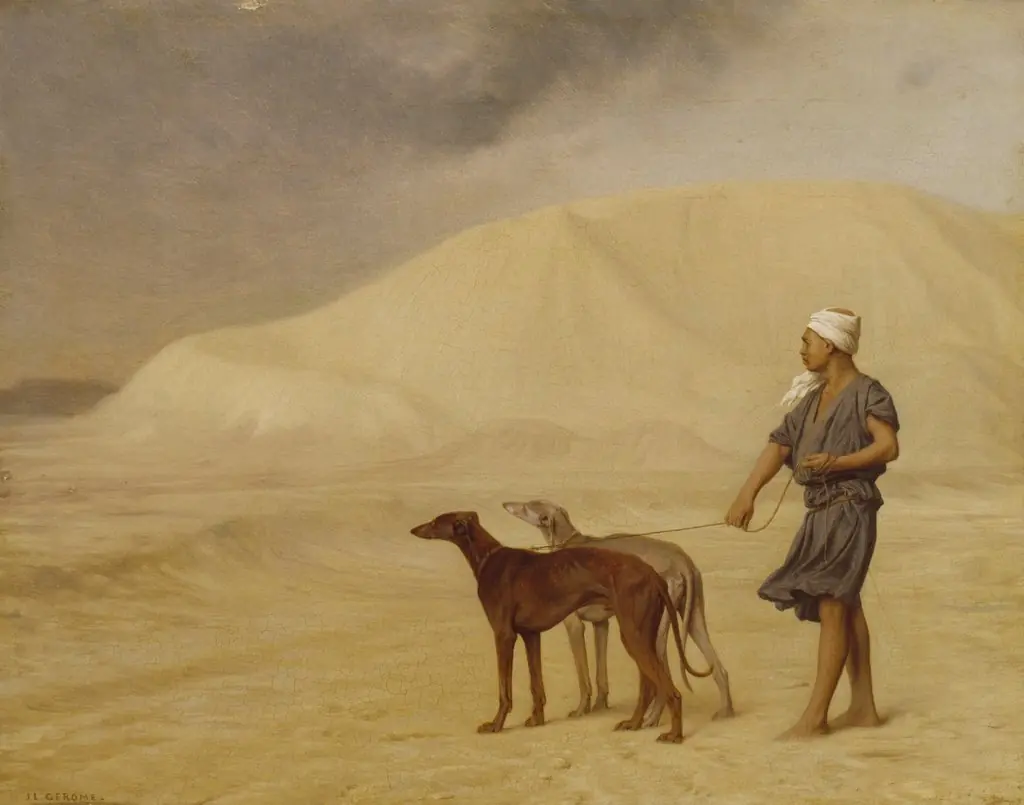
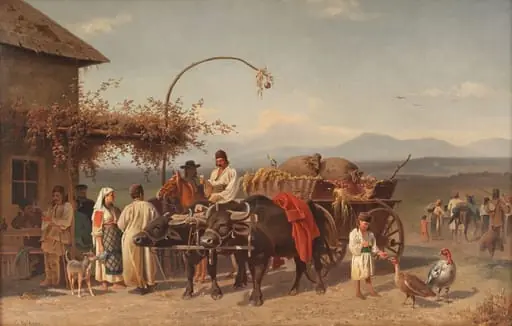
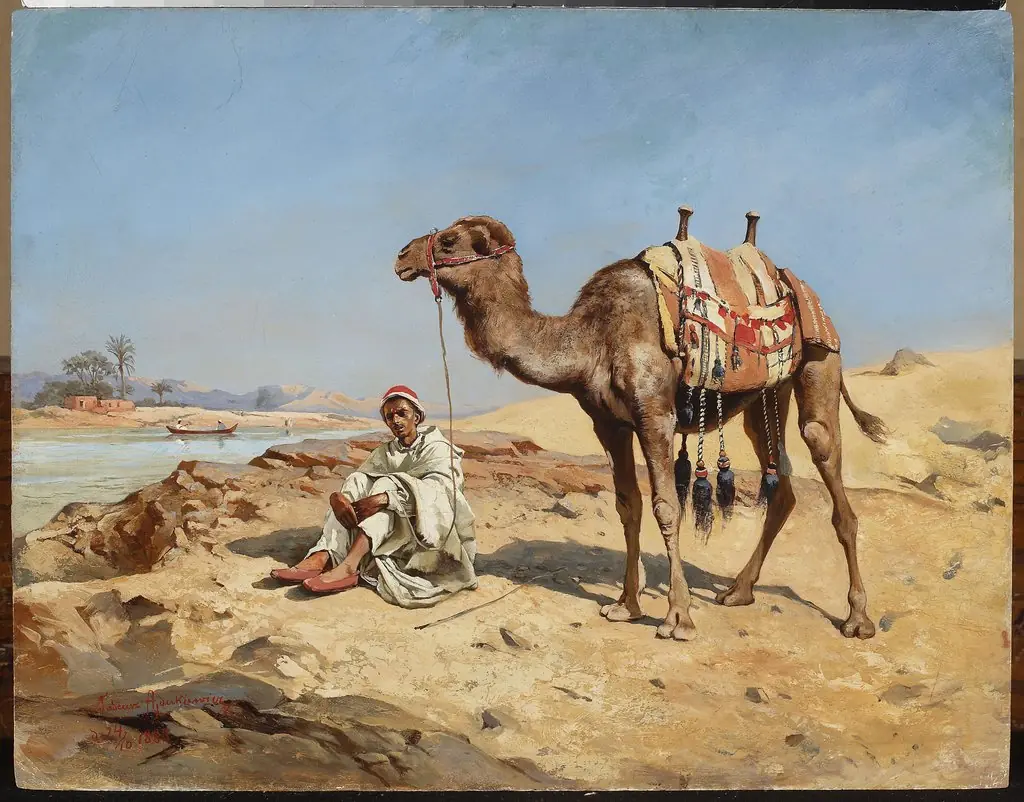
Painted in 1888 by Belgian artist Charles Verlat, this oil on canvas depicts a rural laborer guiding a pair of draft animals through a barren landscape.
Painted in 1888 by Belgian artist Charles Verlat, this oil on canvas depicts a rural laborer guiding a pair of draft animals through a barren landscape. Verlat, who led the Antwerp Academy, frequently turned to animal and peasant subjects, blending Realist observation with Orientalist settings. The painting reflects his sustained interest in the physicality of labor and the quiet dignity of working life in non-European contexts.
Subject & Meaning
The figure, identified as a fellah, is shown engaged in the daily task of plowing, his posture and attire suggesting agricultural life in a North African or Middle Eastern region. The ox and mule, yoked together, convey the physical strain of animal-powered farming. The scene avoids romanticism, instead presenting labor as unadorned and necessary, reinforcing Verlat’s commitment to depicting everyday existence without embellishment.
Technique & Style
Verlat employs a restrained palette of earth tones and muted blues to ground the scene in naturalism. Brushwork is precise yet unpolished, capturing the texture of fabric, fur, and dry soil. Light falls unevenly across the figures, suggesting early morning or late afternoon, with subtle chiaroscuro enhancing the volume of the animals and the man’s form. The composition is horizontal and stable, mirroring the rhythm of the plow’s motion.
History & Provenance
The painting entered the collection of the Royal Museum of Fine Arts Antwerp in the late 19th century, likely acquired during Verlat’s tenure as director of the academy. It remained within institutional holdings, reflecting its recognition as a representative work of Belgian Realism with Orientalist leanings. No significant changes in ownership are documented, indicating consistent institutional stewardship since its creation.
Context
In the late 1880s, European artists increasingly looked to North Africa and the Levant for subject matter, drawn by colonial expansion and growing public interest in 'exotic' cultures. Verlat’s depiction aligns with this trend but avoids overt exoticism, focusing instead on the mechanics of labor. His approach contrasts with more theatrical Orientalist works, favoring quiet observation over narrative drama.
Legacy
While not widely exhibited beyond Belgian collections, the painting stands as a quiet example of how Realist principles were applied to non-European subjects. Verlat’s emphasis on animal anatomy and rural labor influenced later generations of Belgian genre painters. The work remains a reference point for studies on the intersection of European artistic traditions and colonial-era visual culture.
Artist & collection
Artist
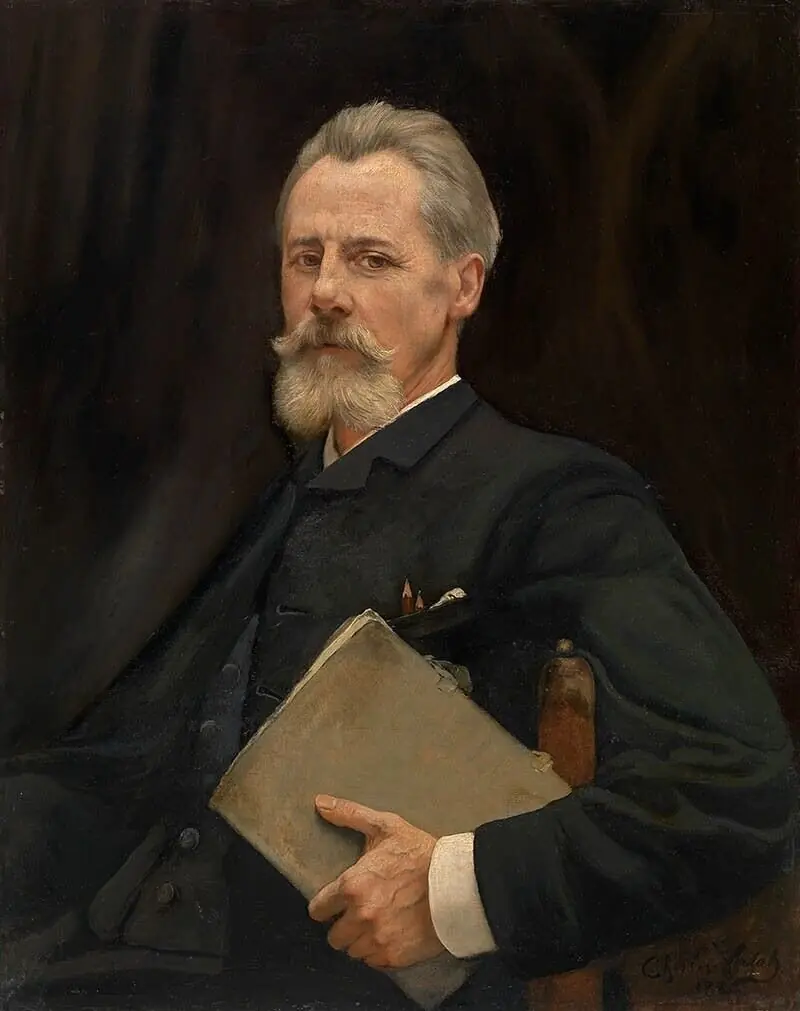
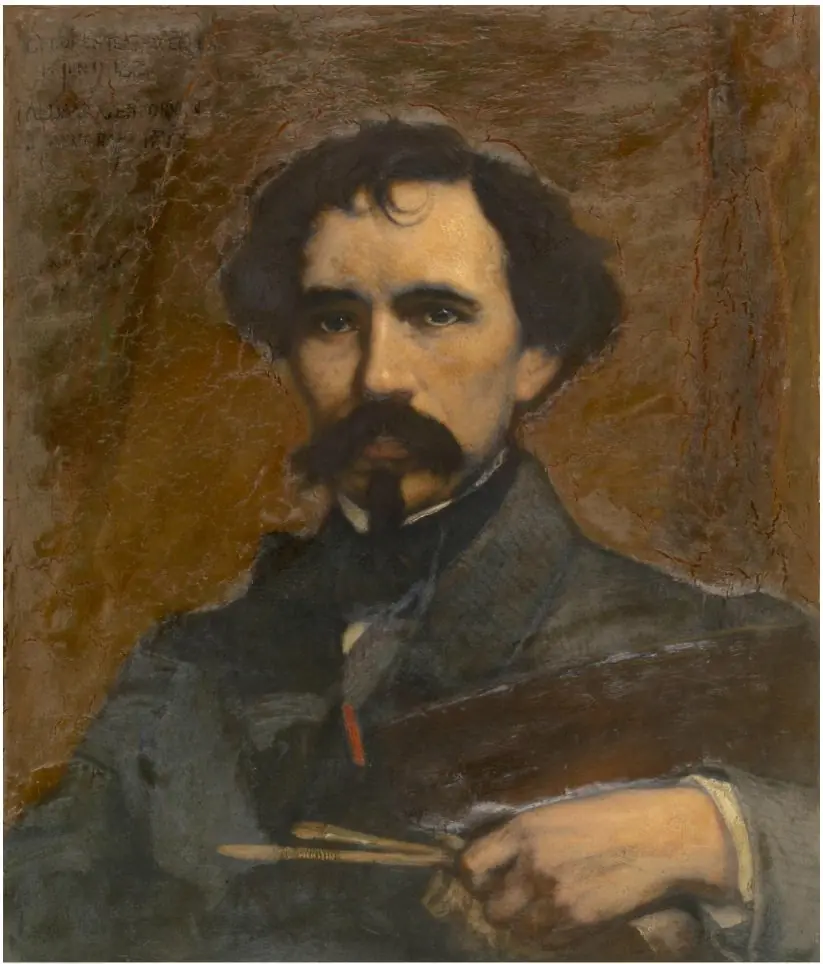
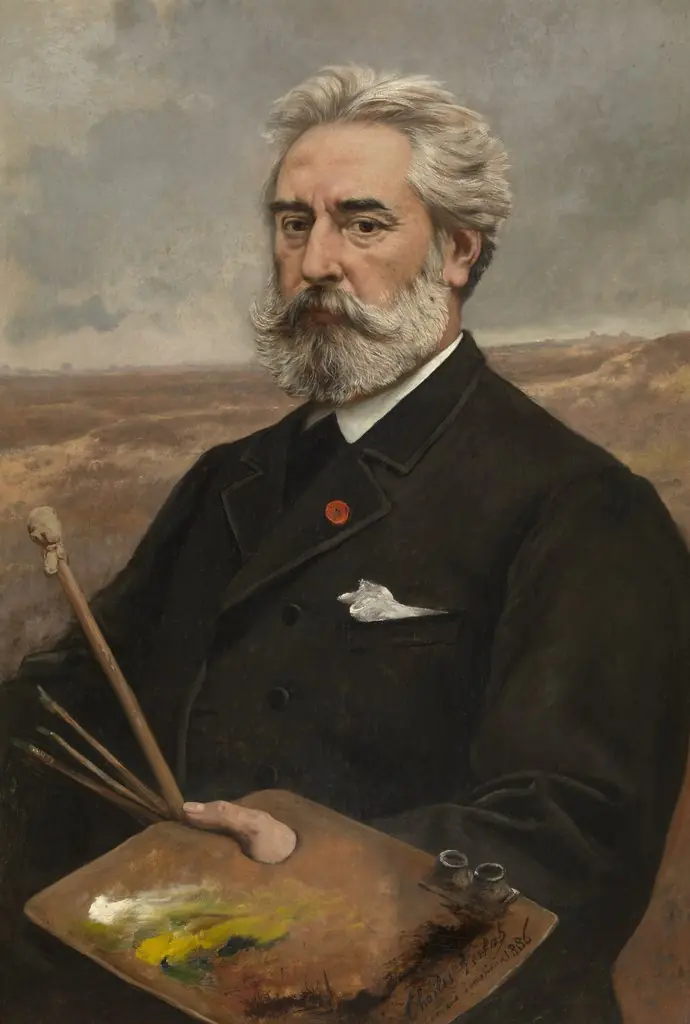
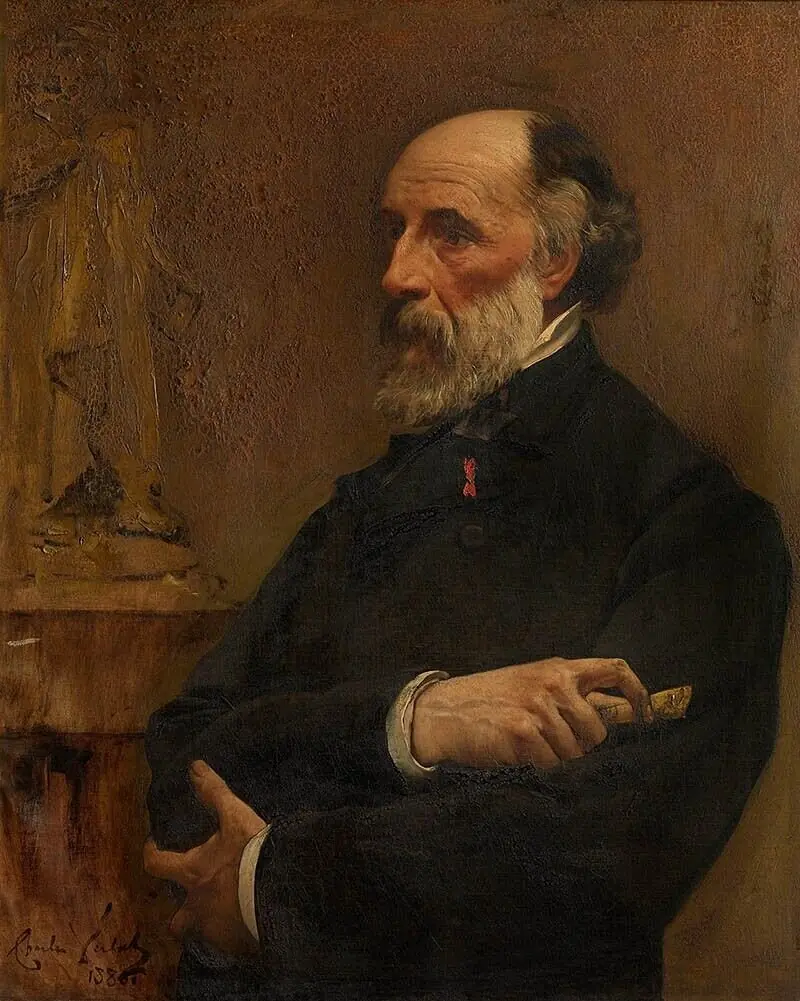
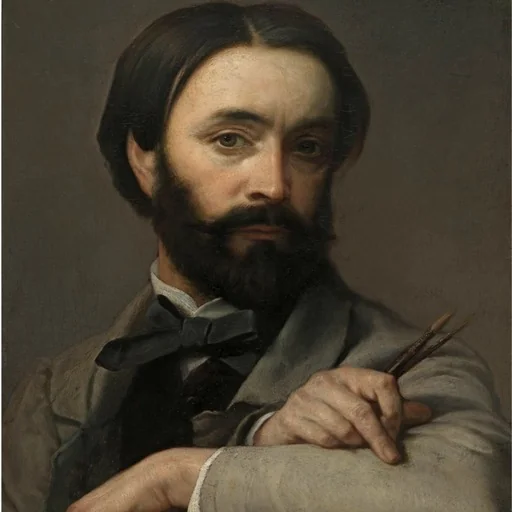
Charles Verlat or Karel Verlat (25 November 1824 – 23 October 1890) was a Belgian painter, watercolorist, engraver (printmaker), art educator and director of the Antwerp Academy.