Artwork
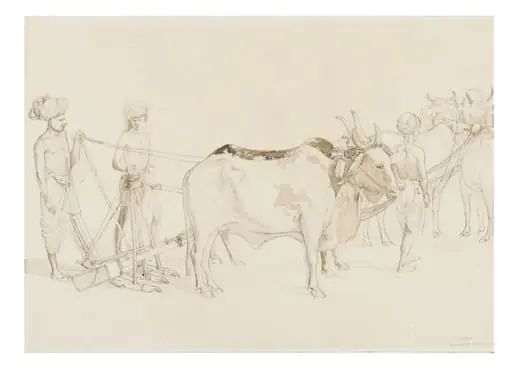
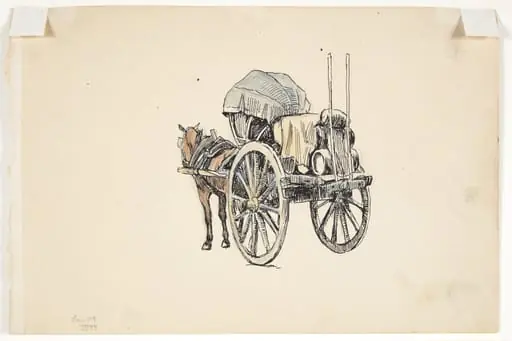
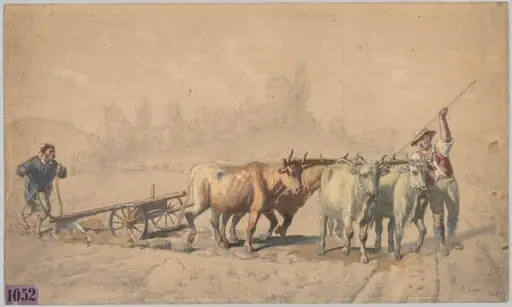
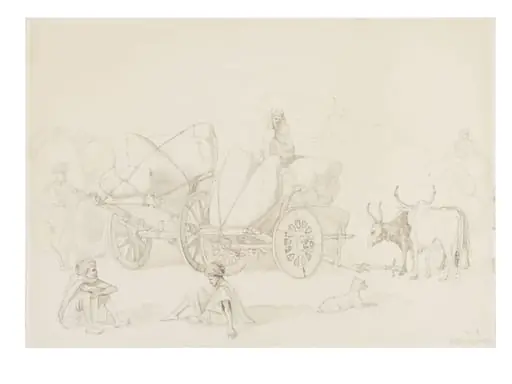
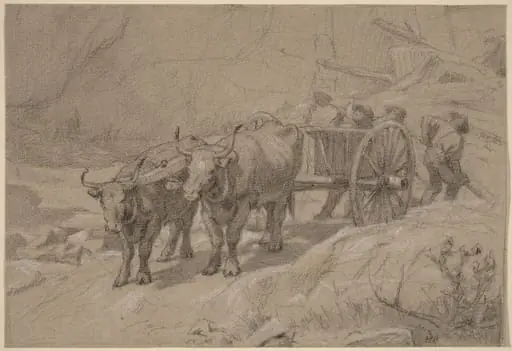
Deccani bullock cart
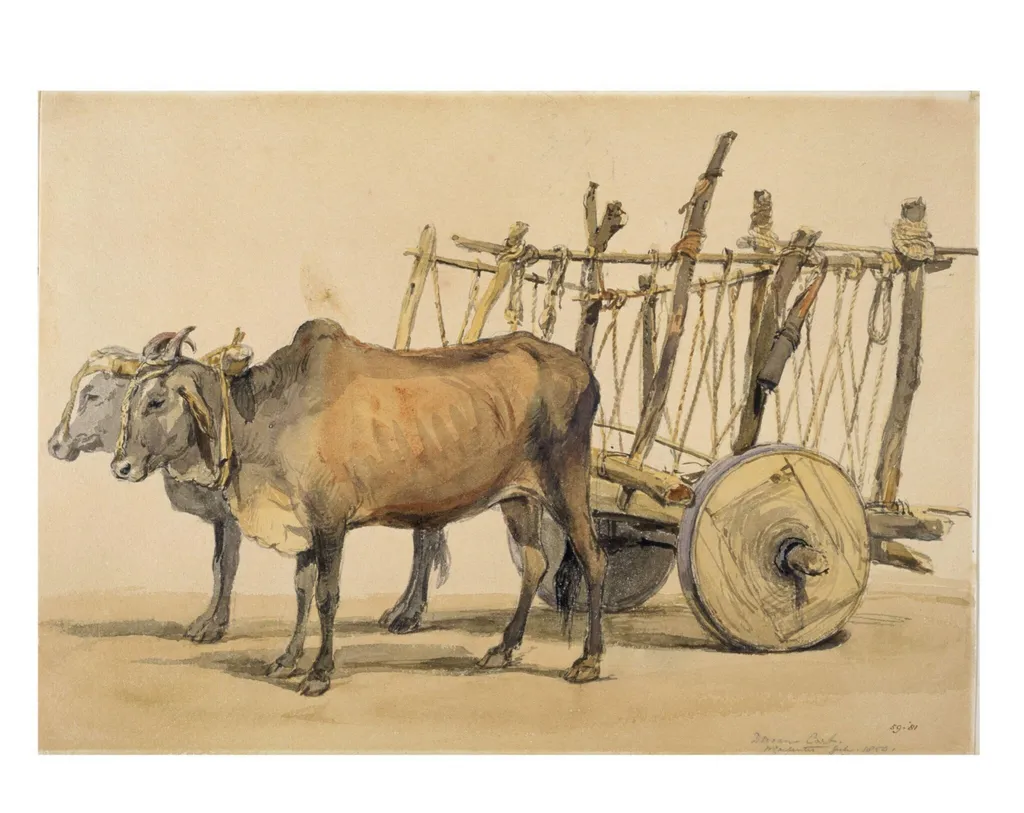
Deccani bullock cart is a paint painting by the Impressionist artist William Carpenter. It dates from 1850 and is held in the collection of the Victoria and Albert Museum.
About this work
He trained in England but spent years in India after arriving in Bombay.
William Carpenter painted a bullock cart scene in July 1850. He trained in England but spent years in India after arriving in Bombay. His work mixes European styles with what he saw on his travels.
Carpenter wore Indian dress and painted local rulers. He traveled from Sri Lanka to Kashmir, then moved to Rajasthan. His Indian pictures show a mix of styles.
Check out the Victoria and Albert Museum to see this work.
Overview
Deccani bullock cart is a painting by William Carpenter, created in July 1850, depicting a scene from Pune in the Deccan region of India.
Subject & Meaning
The painting focuses on everyday life, showcasing a bullock cart, reflecting Carpenter's interest in the daily activities and agriculture of Indian inhabitants during his travels.
Technique & Style
Carpenter's work blends European artistic training with the influences of his Indian experiences, resulting in a distinctive hybrid style evident in this piece.
History & Provenance
Painted during Carpenter's six-year sojourn in India (1850-1856), the work is now part of the collection at the Victoria and Albert Museum in London.
Context
Created amidst Carpenter's extensive travels across India, Sri Lanka, Kashmir, the Punjab, Afghanistan, and Rajasthan, the painting captures a specific moment in the Deccan region.
Legacy
As part of Carpenter's Indian oeuvre, Deccani bullock cart contributes to the broader legacy of European artists interpreting Indian life in the 19th century.
Artist & collection
Artist
William Carpenter (1818–1899) was an English watercolour artist. He travelled for six or seven years in the 1850s painting scenes of India, its people and its life. The Victoria and Albert Museum bought over 280 of his…

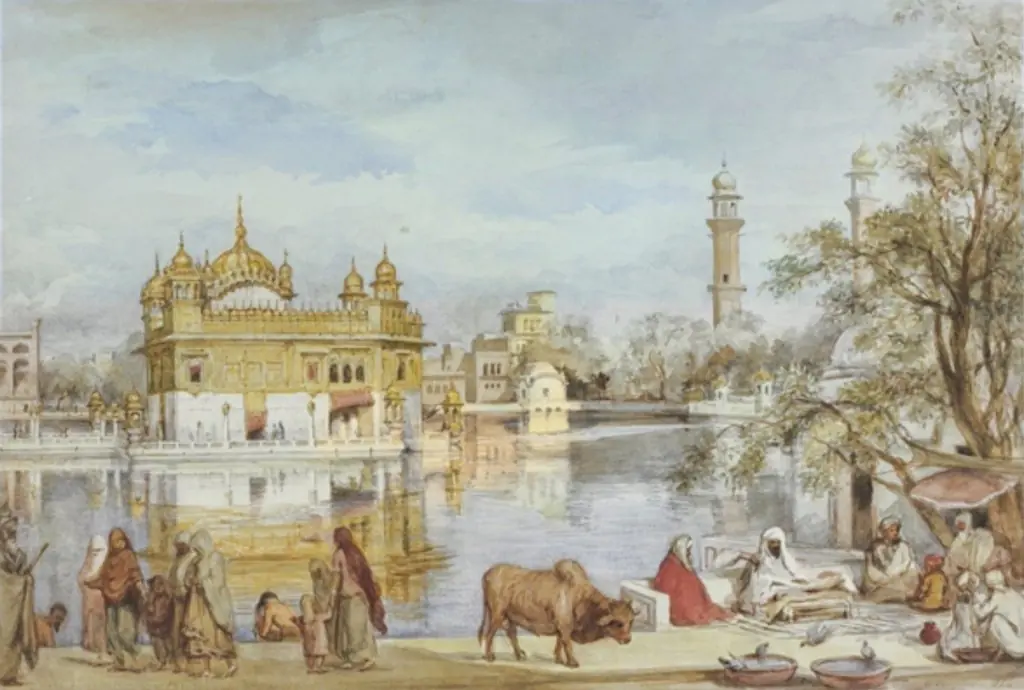 The Golden Temple, Amritsar
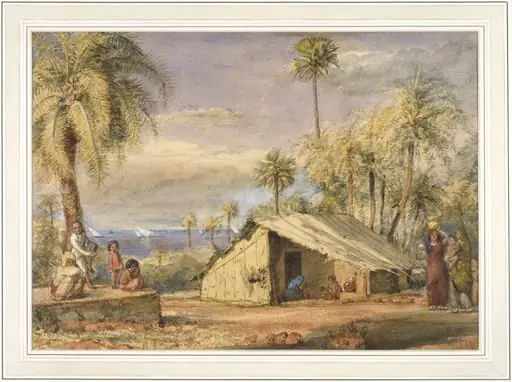 Toddywallah's hut in a grove of date palms near Breach Candy, Bombay
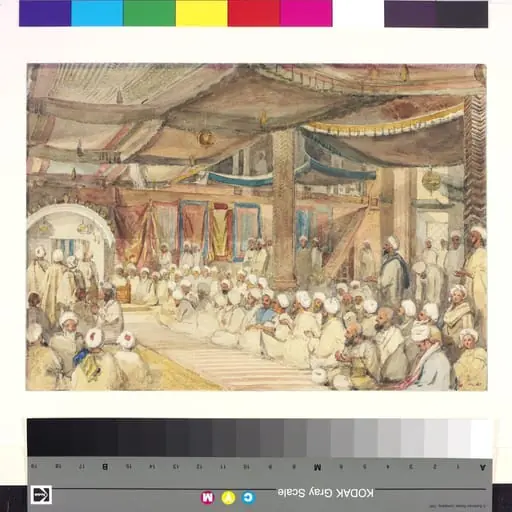 Interior of Shah Hamadan's Masjid during a religious ceremony
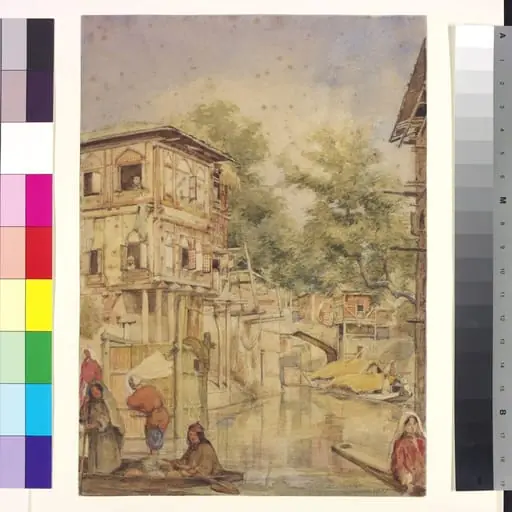 On the Mar Canal at Srinagar, Kashmir
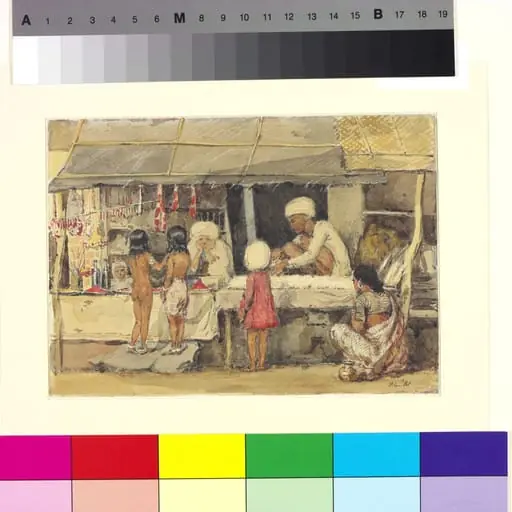 Shops for colours and flowers used at festivals, Sadr bazaar, Pune
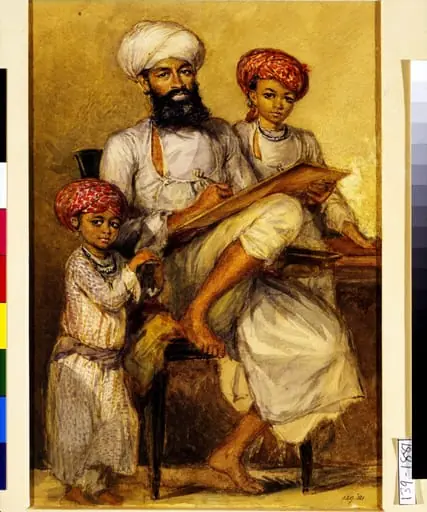 Portrait of Tara Chand, the court painter
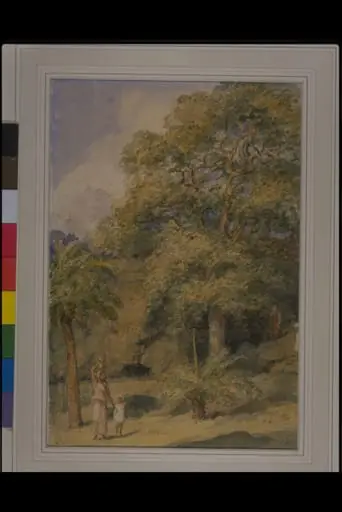 Study of a tamarind tree and date palms near Sir William Yardley's house at Breach Candy, Bombay
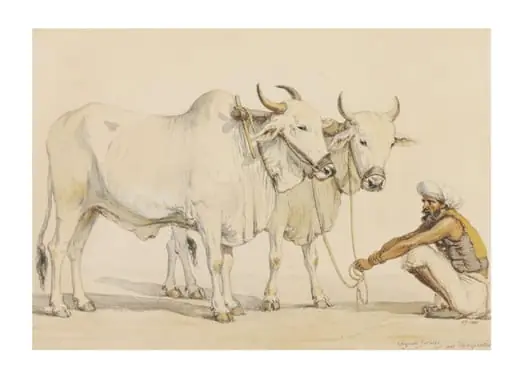 Two harnessed bullocks from Gujarat with their keeper