Artwork
The Bowl
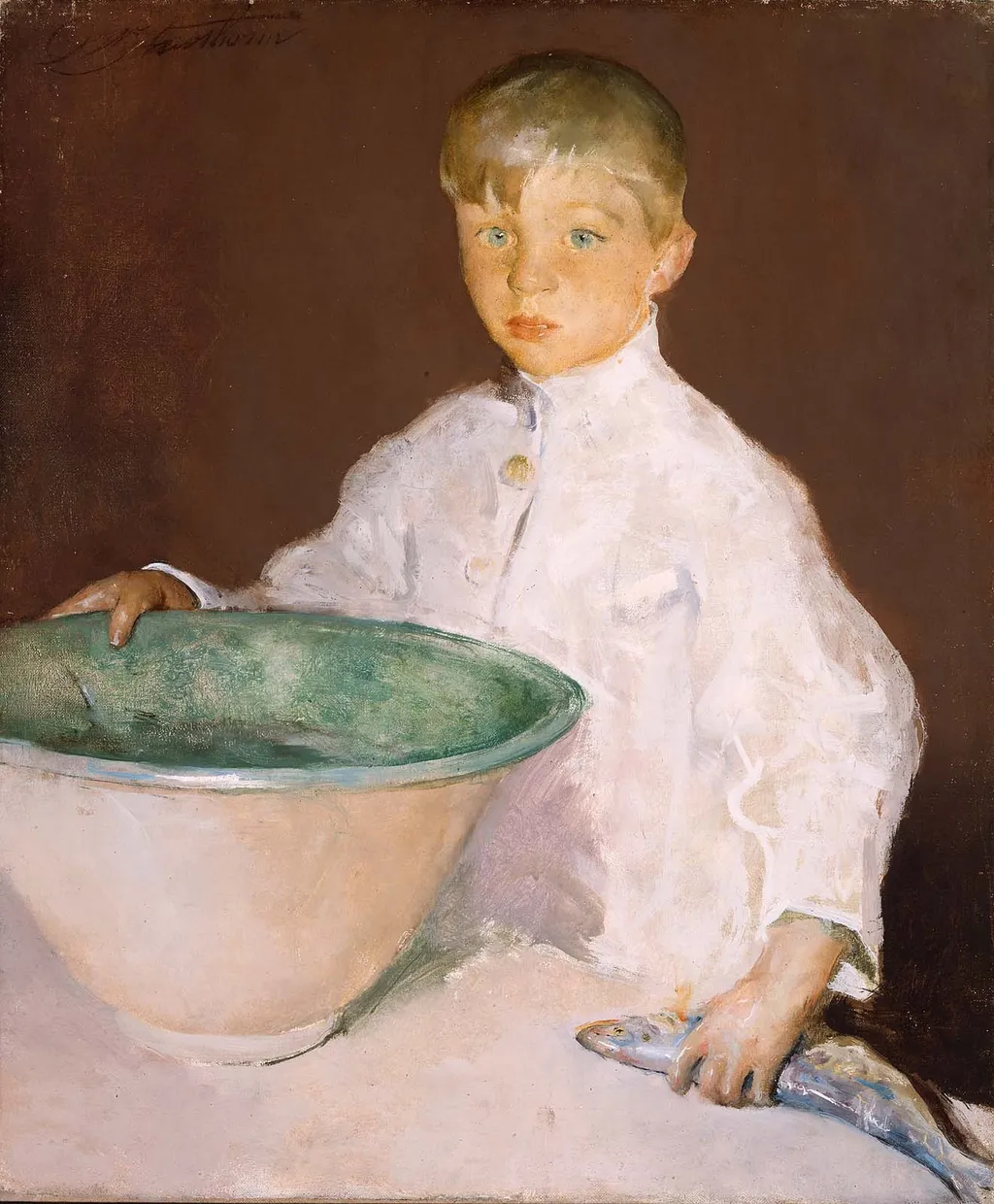
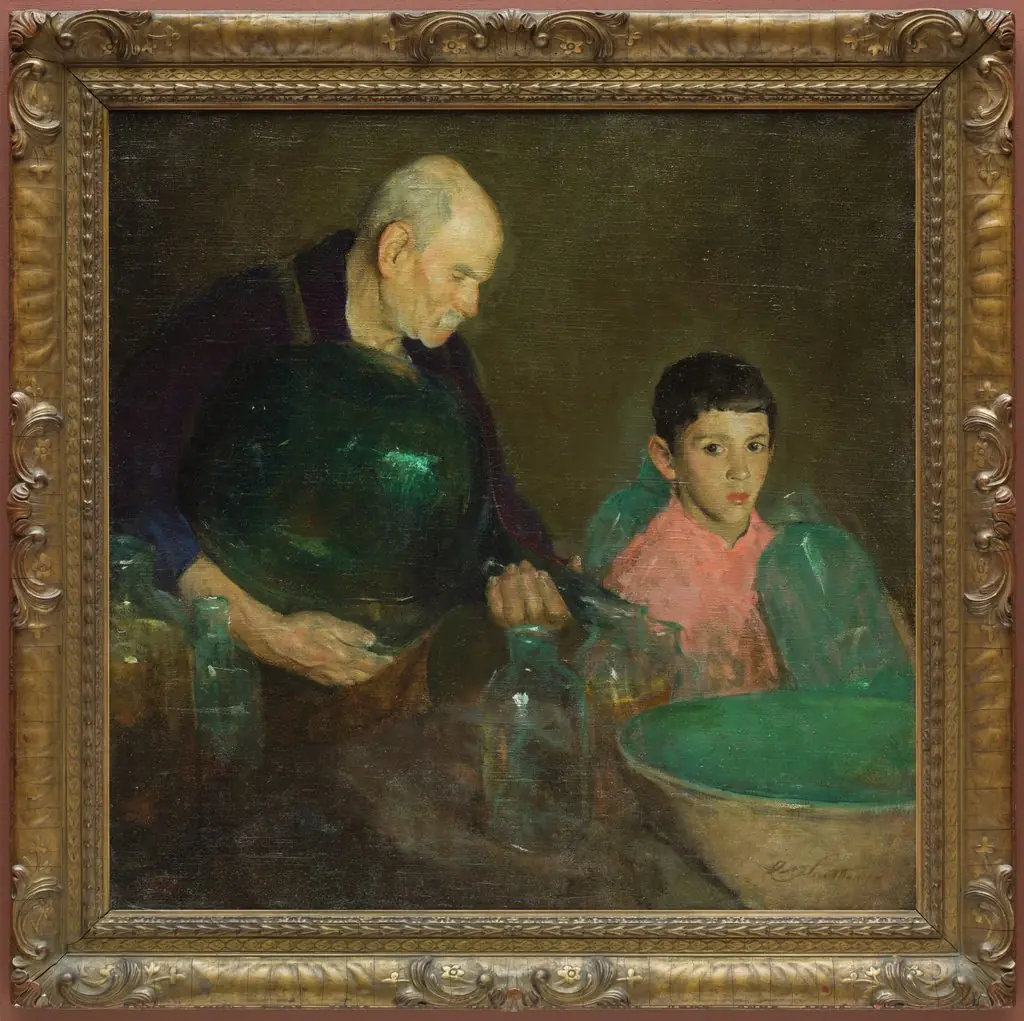
The Bowl is an oil painting by the American Impressionist artist Charles Webster Hawthorne. It dates from 1900 and is held in the collection of the Museum of Fine Arts Boston.
About this work
Overview
The painting belongs to the Museum of Fine Arts, Boston, where it reflects his commitment to observational realism within an impressionist framework.
Painted in 1900 by Charles Webster Hawthorne, *The Bowl* is an oil-on-canvas work that captures a quiet moment of daily life. Hawthorne, known for his focus on ordinary subjects and his role in founding the Cape Cod School of Art, rendered this scene with careful attention to light and form. The painting belongs to the Museum of Fine Arts, Boston, where it reflects his commitment to observational realism within an impressionist framework.
Subject & Meaning
A young boy sits at a table, holding a large bowl with a green interior and a fish in his right hand. His white shirt and neutral expression suggest a moment of quiet concentration, perhaps after a catch or during meal preparation. The absence of narrative detail invites contemplation rather than storytelling, emphasizing stillness and the dignity of routine labor. The setting, though minimally defined, implies a humble, coastal environment.
Technique & Style
Hawthorne employed chiaroscuro to model the boy’s form, using sharp contrasts between light and shadow to create volume. The dark brown background recedes, isolating the figure and enhancing the three-dimensionality of the bowl and fish. Brushwork is loose yet deliberate, aligning with American Impressionist tendencies, though the composition remains grounded in careful observation rather than atmospheric effect.
History & Provenance
Created during Hawthorne’s early career, *The Bowl* was painted shortly after he established the Cape Cod School of Art in 1899. It reflects his training under William Merritt Chase and his exposure to European techniques. The painting entered the Museum of Fine Arts, Boston’s collection in the early 20th century, where it has remained as part of its American art holdings.
Context
In the early 1900s, American artists increasingly turned to everyday subjects as a counter to academic grandeur. Hawthorne’s focus on a child engaged in a simple task aligns with broader trends in regional realism and the rise of art schools outside urban centers. His work in Cape Cod emphasized direct observation, fostering a generation of painters who valued authenticity over idealization.
Legacy
Though not widely reproduced, *The Bowl* exemplifies Hawthorne’s influence on American art education and his commitment to painting from life. His emphasis on tonal relationships and quiet dignity in ordinary moments shaped the pedagogy of the Cape Cod School. The painting endures as a quiet testament to his belief in the artistic value of unadorned reality.
Own this work as a print
Artist & collection
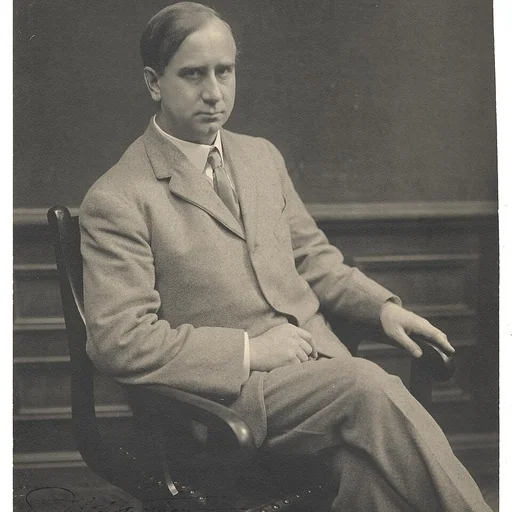
Artist
Charles Webster Hawthorne (January 8, 1872 – November 29, 1930) was an American portrait and genre painter and a noted teacher who founded the Cape Cod School of Art in 1899.