Artwork
Mika Morozov
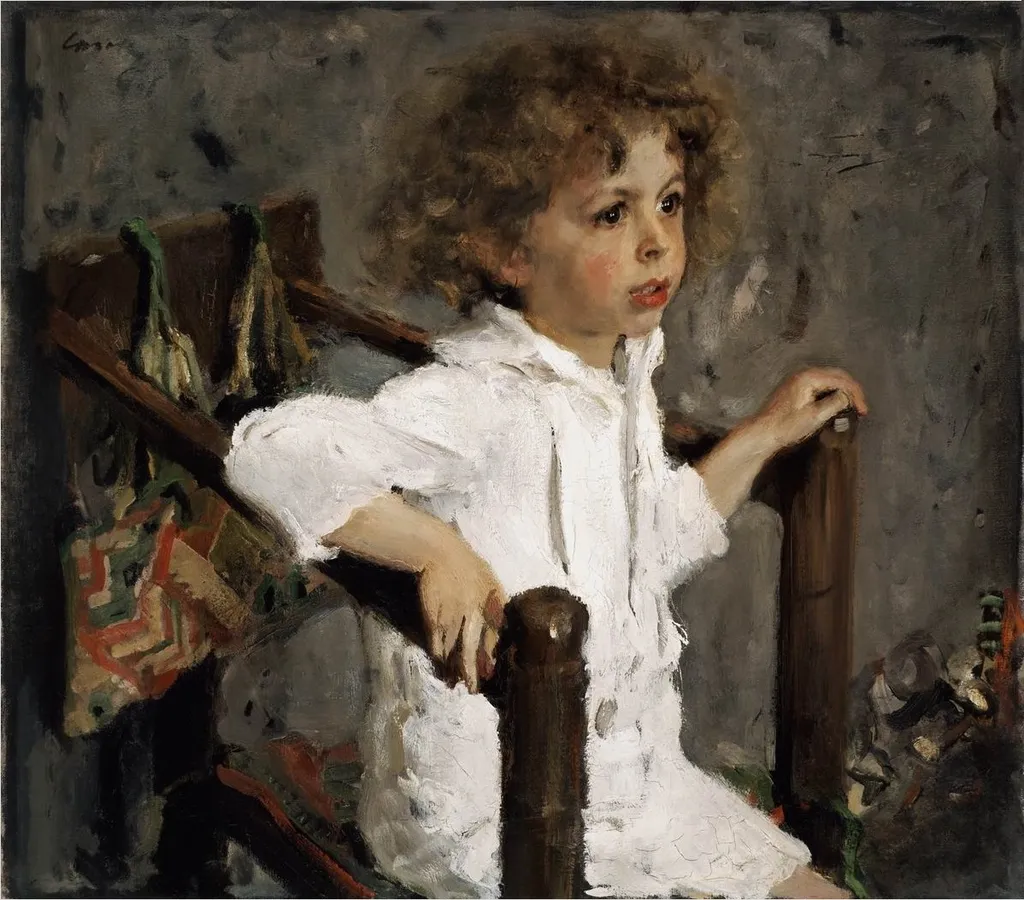
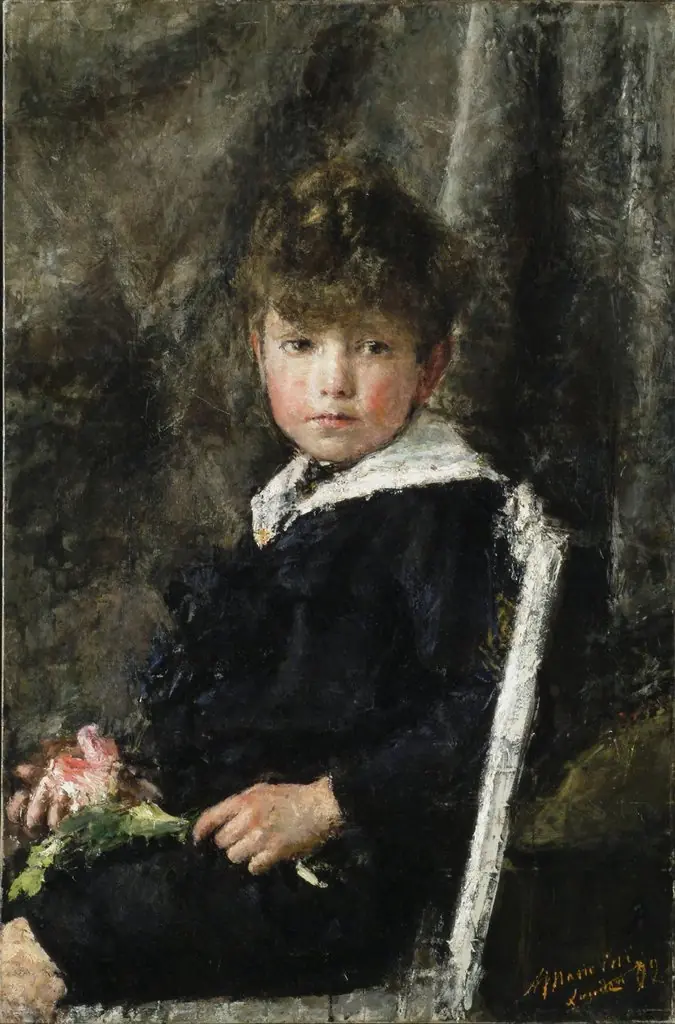
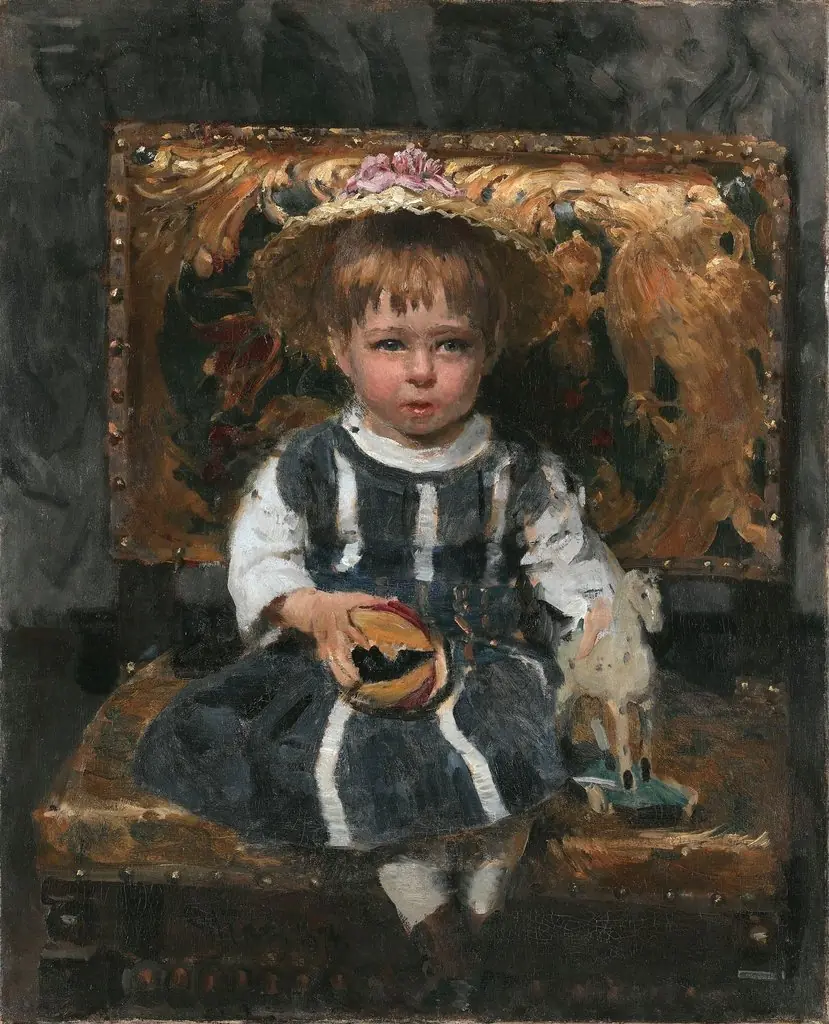
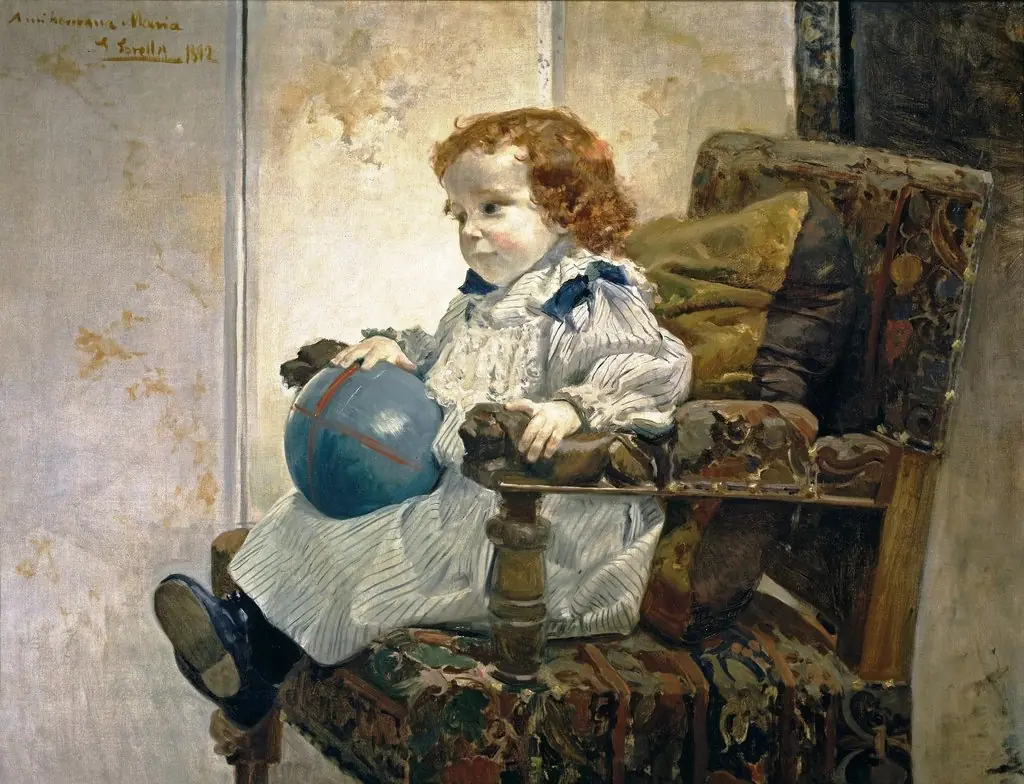
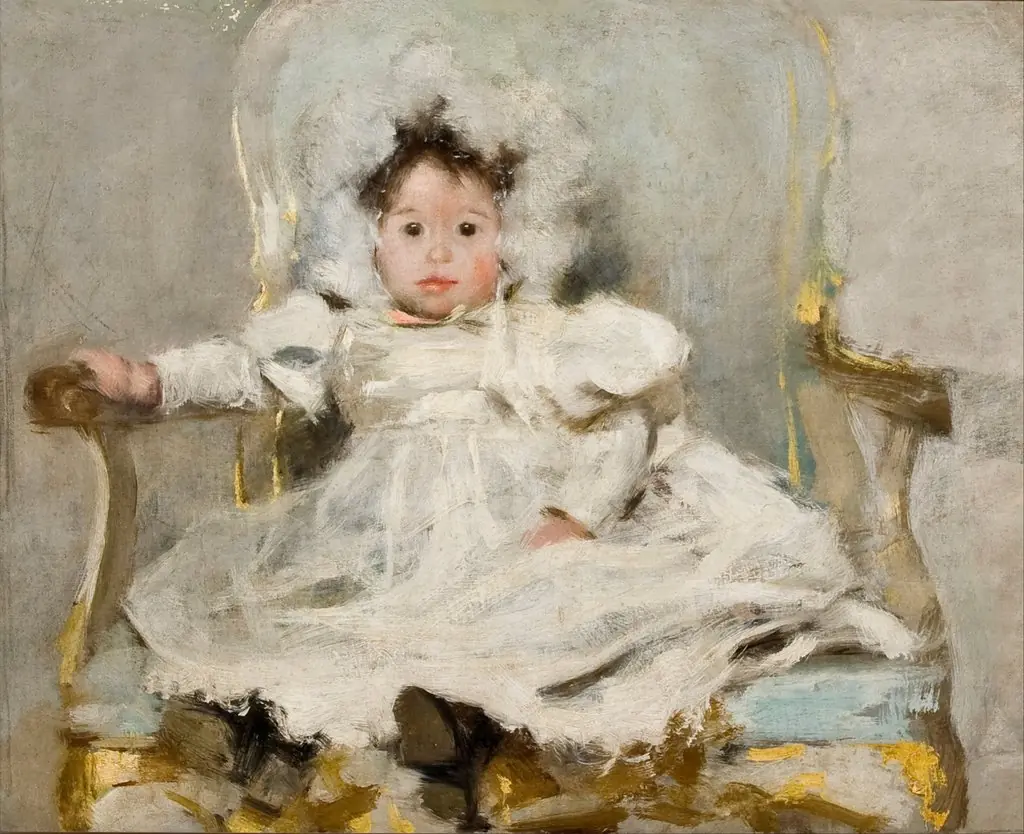
Mika Morozov is an oil painting by the Impressionist artist Valentin Serov. It dates from 1901 and is held in the collection of the Tretyakov Gallery.
About this work
Overview
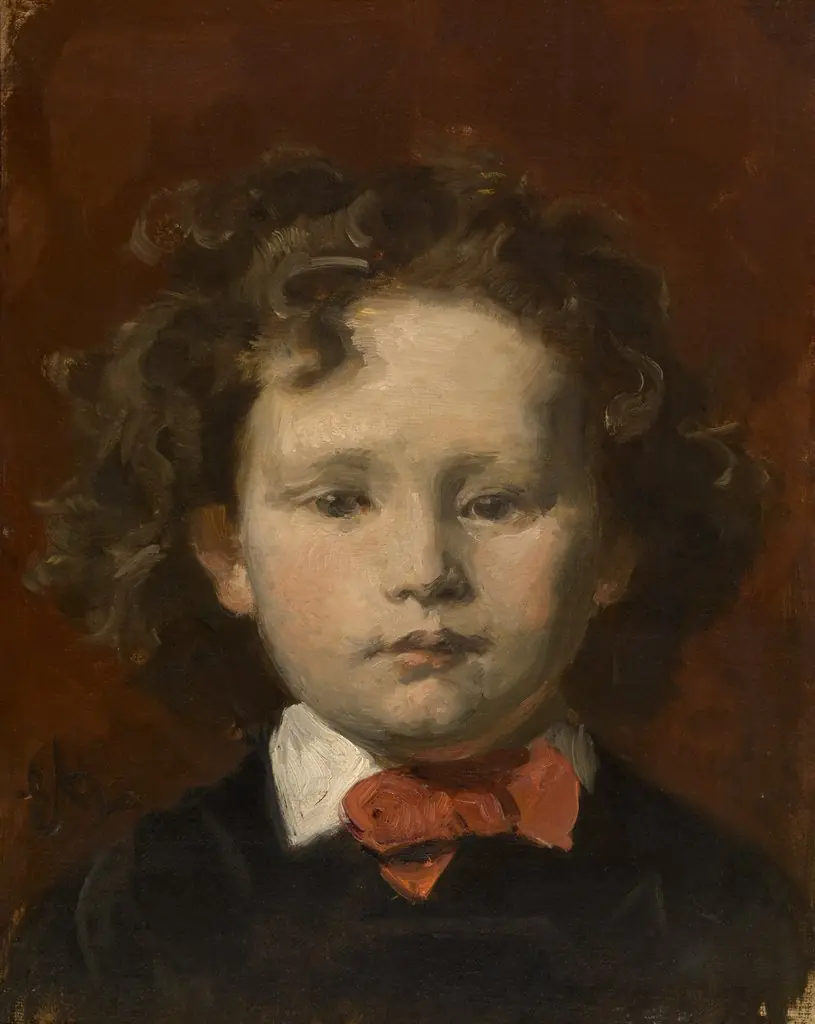
Painted in 1901 by Valentin Serov, this oil portrait captures a four-year-old boy, Mika Morozov, son of a prominent Moscow industrialist.
Painted in 1901 by Valentin Serov, this oil portrait captures a four-year-old boy, Mika Morozov, son of a prominent Moscow industrialist. The work is held in the State Tretyakov Gallery in Moscow, having entered the collection in 1917. It has been featured in several major exhibitions, including those at the Smithsonian in 2004–2005 and the Fondation Louis Vuitton in 2021–2022, reflecting its enduring presence in Russian art discourse.
Subject & Meaning
The subject, Mika Morozov, is depicted in quiet stillness, his gaze directed away from the viewer, suggesting inward reflection. His youthful form, rendered with loose brushwork, conveys a sense of vulnerability and psychological depth. Rather than idealizing childhood, Serov emphasizes the boy’s unguarded presence, aligning with late 19th-century artistic interest in the authentic inner life of children, distinct from the performative roles of adults.
Technique & Style
Serov employed rapid, fluid brushstrokes to suggest form without rigid definition, particularly in the boy’s face and hair. The background is muted, dominated by a gray wall and a draped textile that adds subtle color and texture. The composition is deliberately sparse, focusing attention on the child’s posture and expression. The blurred features and soft edges enhance the sense of intimacy and transient emotion.
History & Provenance
Commissioned by the Morozov family, the painting remained in their private collection until 1917, when it was transferred to the State Tretyakov Gallery following nationalization of private art holdings. It has since been regularly exhibited in Russia and abroad, including in thematic shows on Russian portraiture and the Morozov brothers’ collection. Its consistent presence in major exhibitions underscores its recognized significance within the national canon.
Context
In the late 19th century, Russian artists increasingly turned to children as subjects not for sentimentality, but as symbols of uncorrupted perception. Serov’s portrait aligns with this trend, rejecting theatricality in favor of psychological realism. Critics like Paola Volkova have noted that such works reflect a broader cultural shift—where childhood was seen as a space of truth, contrasting with the artificiality of adult social life.
Legacy
Mika Morozov endures as a quiet exemplar of Serov’s mature portraiture, where psychological nuance supersedes formal grandeur. Its influence lies in its restraint: the absence of narrative or ornament invites contemplation of the child’s inner state. The painting continues to be referenced in studies of Russian modernism and the evolving representation of childhood in visual culture.
Artist & collection
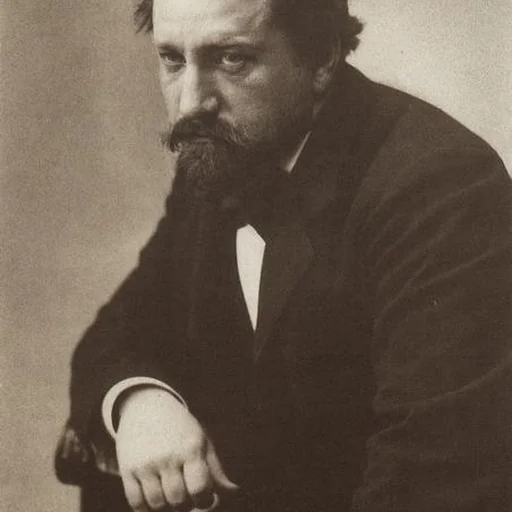
Artist
Valentin Alexandrovich Serov (Russian: Валентин Александрович Серов; 19 January 1865 – 5 December 1911) was a Russian painter and draughtsman during the Belle Époque, active in St.