Artwork
Eliza Lord Duryee
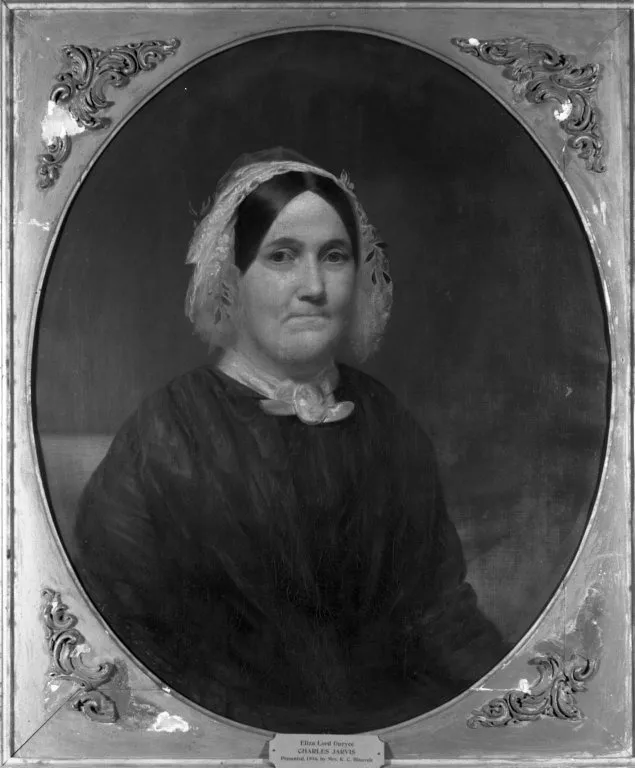
Eliza Lord Duryee is an oil painting by the American Folk Art artist Charles Wesley Jarvis. It dates from 1845 and is held in the collection of the Brooklyn Museum.
About this work
Overview
Painted in 1845 by Charles Wesley Jarvis, this oil portrait depicts Eliza Lord Duryee, a woman of modest social standing. The work is part of the Brooklyn Museum’s collection and exemplifies mid-19th-century American portraiture. Rendered in monochrome tones, the painting emphasizes form and restraint over color, reflecting the period’s preference for subdued elegance in domestic subjects.
Subject & Meaning
The modest attire—dark dress, white lace headdress, and collar—signals piety and propriety, common virtues idealized in women of her time.
Eliza Lord Duryee is portrayed with a composed, introspective demeanor. Her downward gaze and still posture suggest contemplation rather than engagement with the viewer. The modest attire—dark dress, white lace headdress, and collar—signals piety and propriety, common virtues idealized in women of her time. The portrait conveys quiet self-possession, aligning with cultural expectations of feminine reserve.
Technique & Style
Jarvis employed a limited palette of grays and blacks, relying on tonal variation to define form and texture. The delicate rendering of lace and hair contrasts with the flat, dark background, drawing focus to the sitter’s face. The oval composition, framed by ornamental corners, echoes earlier European traditions, while the absence of elaborate props grounds the image in everyday realism.
History & Provenance
The painting remained in the Duryee family until its acquisition by the Brooklyn Museum. Its preservation suggests it held personal significance, possibly commissioned to commemorate a life event such as marriage or widowhood. No records indicate public exhibition prior to its institutional acquisition, underscoring its private, familial origins.
Context
In the 1840s, American portraiture often served as a record of personal identity within a growing middle class. Artists like Jarvis catered to clients seeking dignified, unadorned likenesses. This work reflects a shift from grand historical or aristocratic themes toward intimate, individual representation, particularly among women in domestic spheres.
Legacy
Though Charles Wesley Jarvis is not widely known today, this portrait endures as a quiet example of regional American art. It contributes to the understanding of how ordinary individuals were visually honored in the antebellum era. The painting’s restraint and emotional subtlety continue to offer insight into the values and aesthetics of its time.
Artist & collection


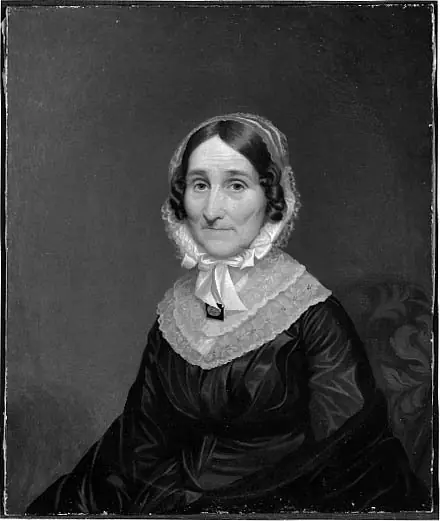 Mrs. Jabez Ellis (Elizabeth Newell)
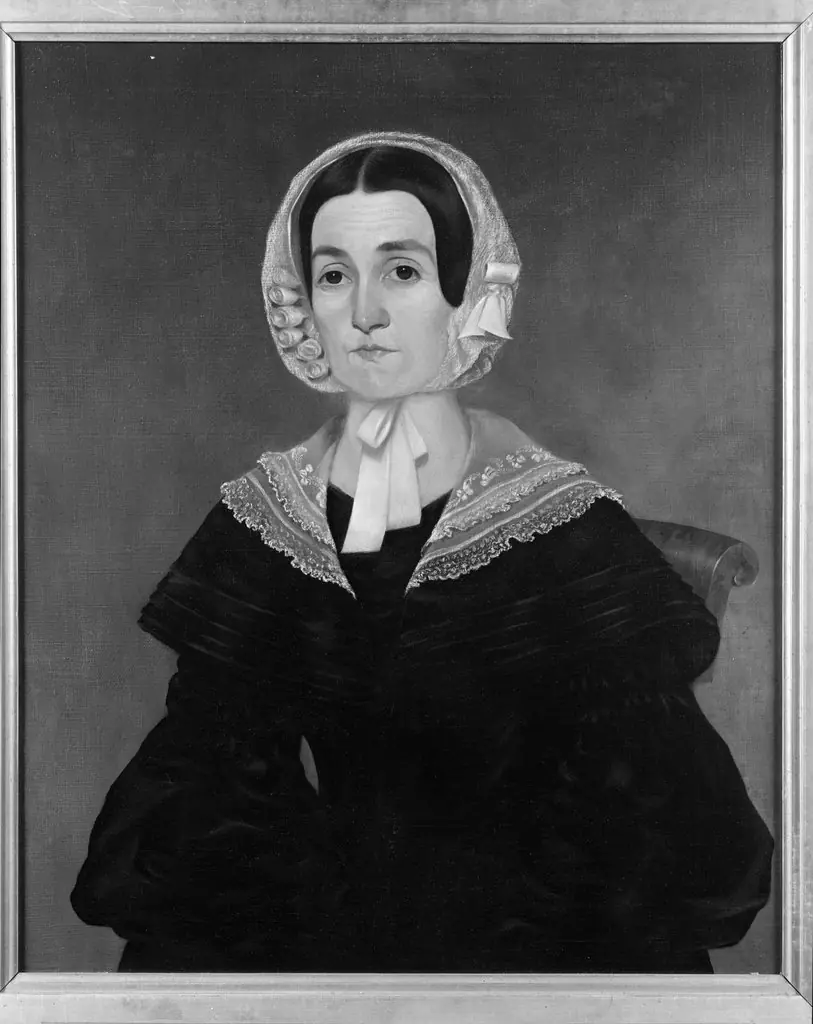 Mrs. David R. Van Derveer (Eliza Holmes Ellis)
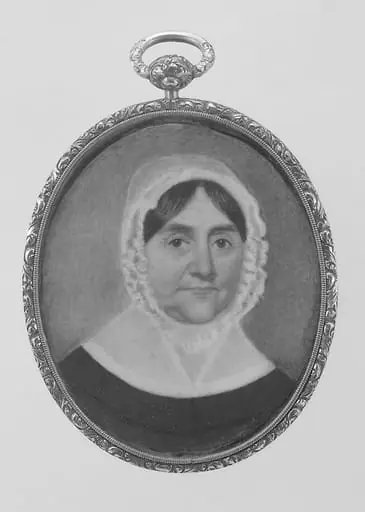 Portrait of a Lady
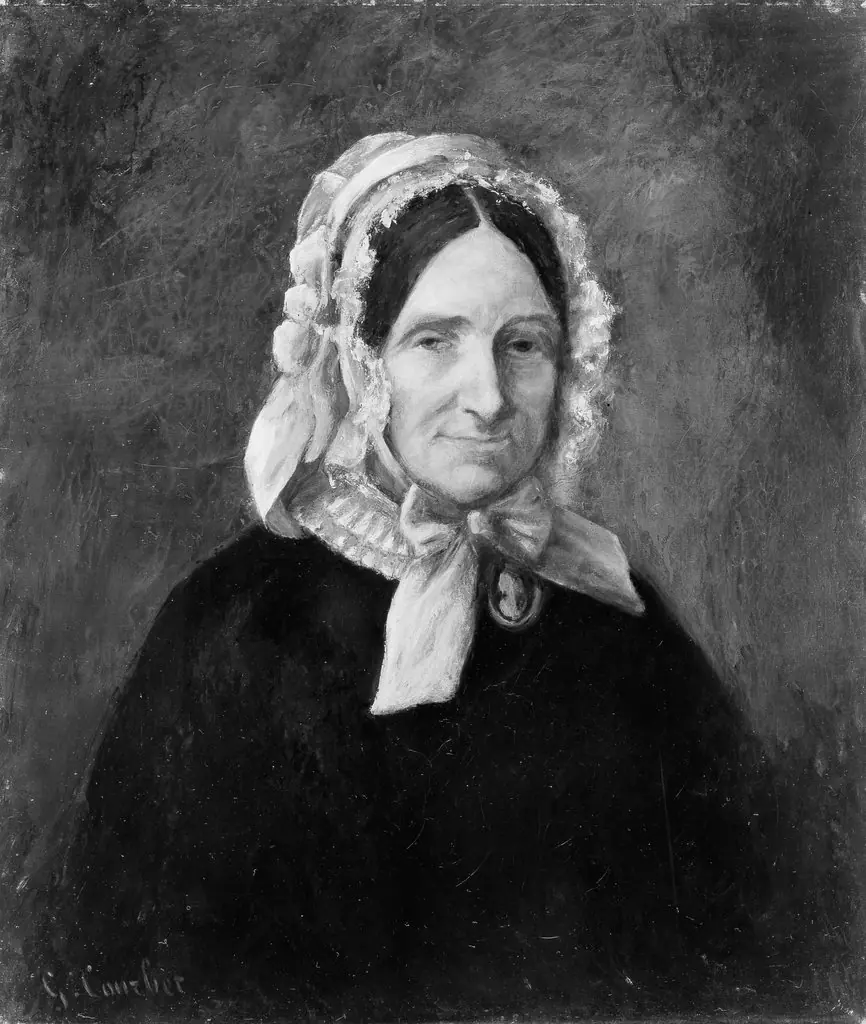 Portrait of a Woman, Called Héloïse Abélard
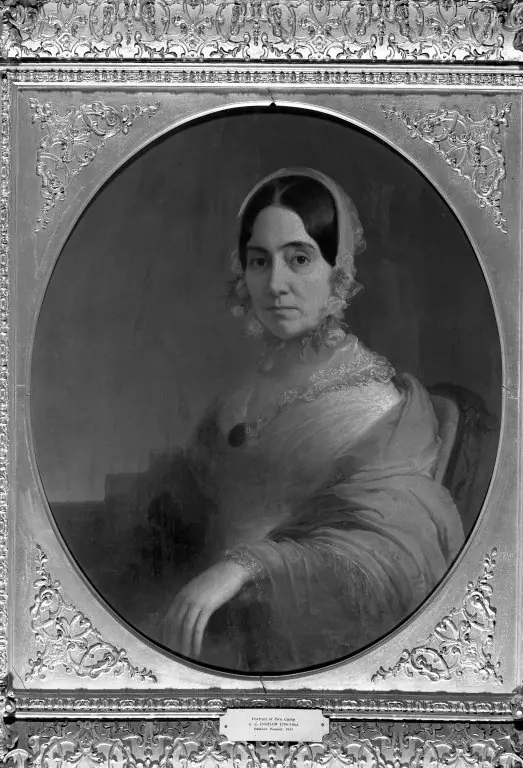 Mrs. Theodore Camp
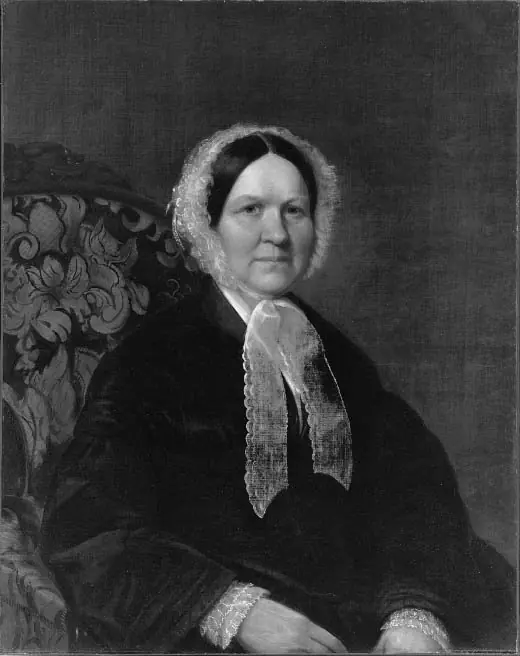 Portrait of a Lady
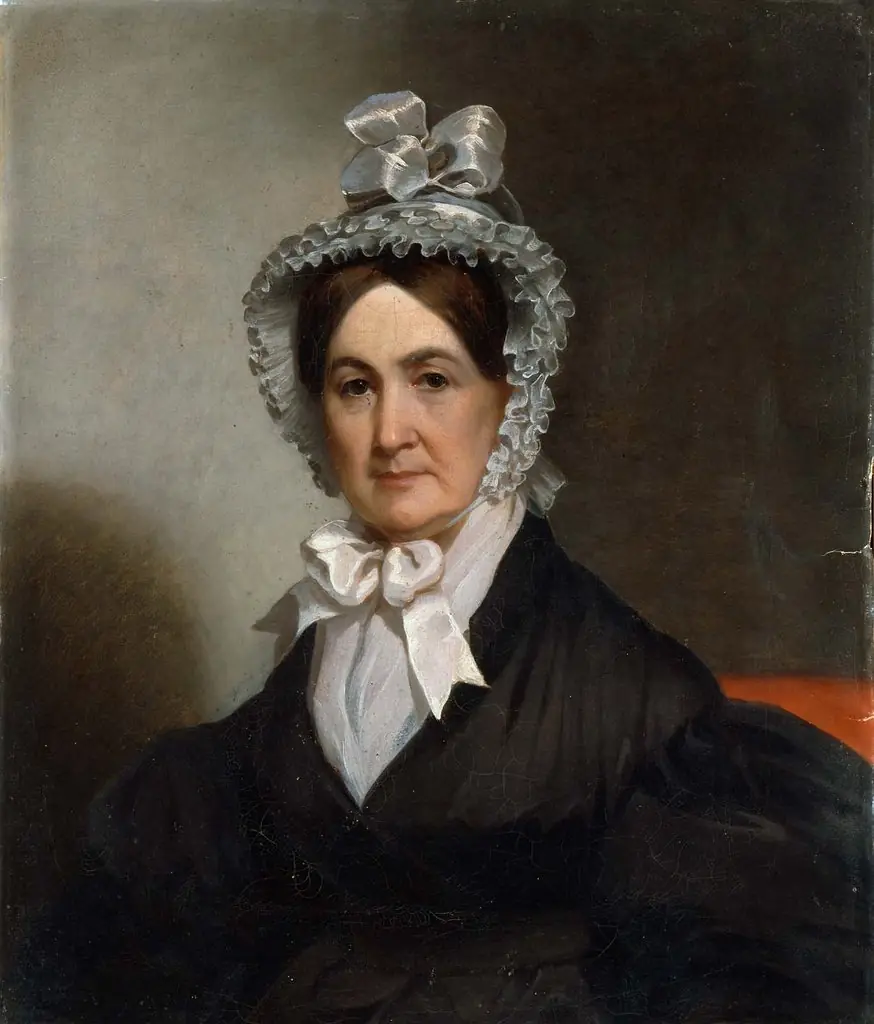 Mrs. Robert Jenkins (Catharine Carmichael)
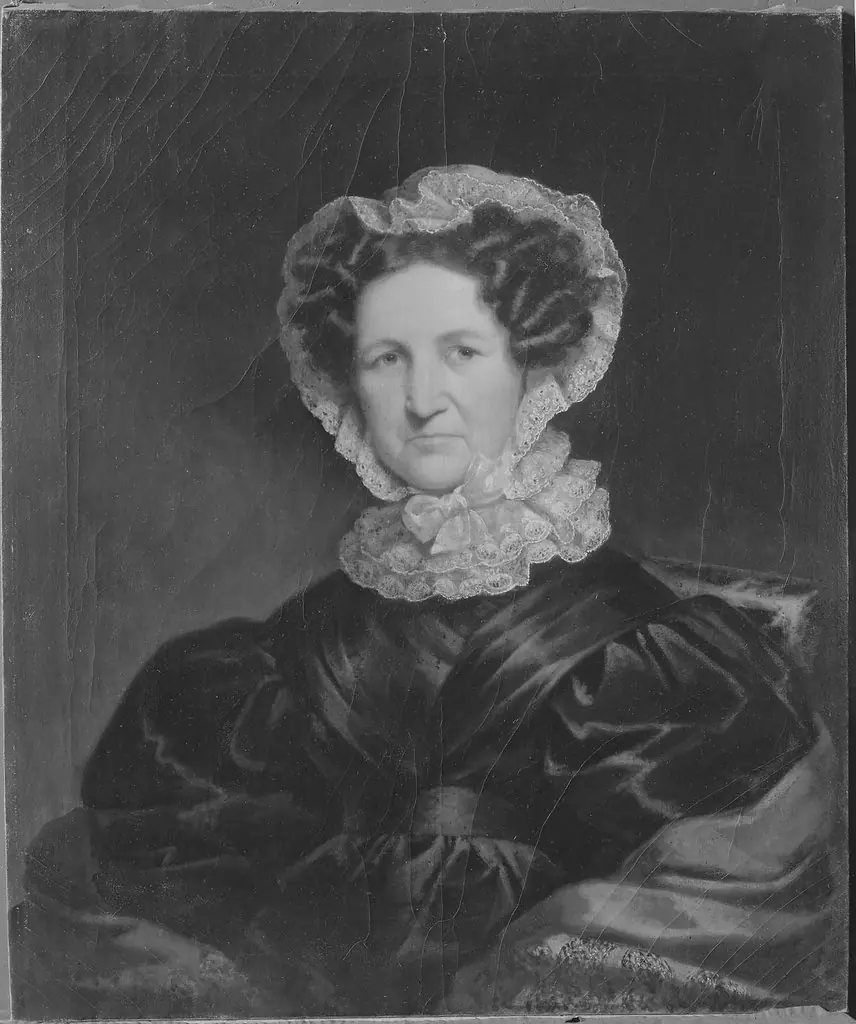 Mrs. Isaac Green (Ann Barrett)
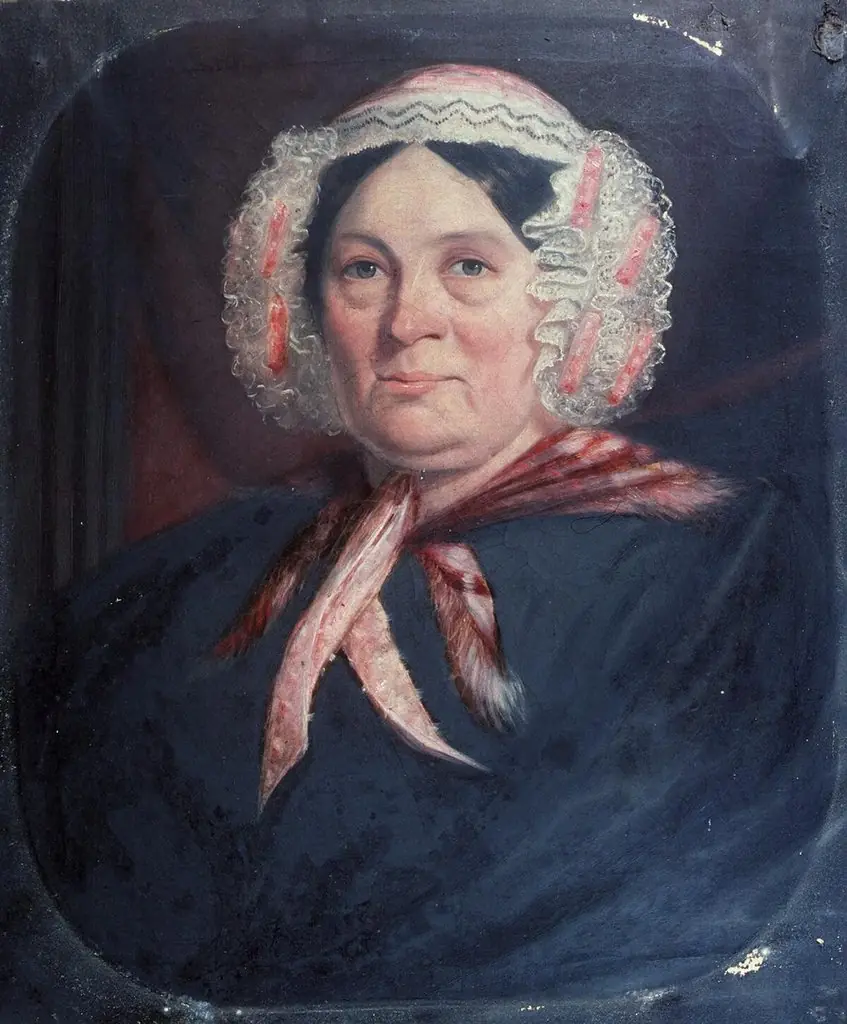 Margaret Thomas, Lammas St, Carmarthen
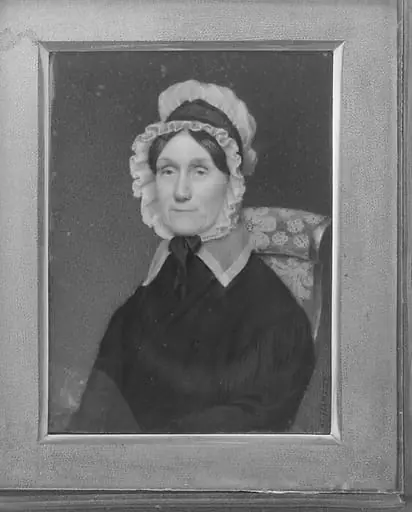 Sarah May Holland
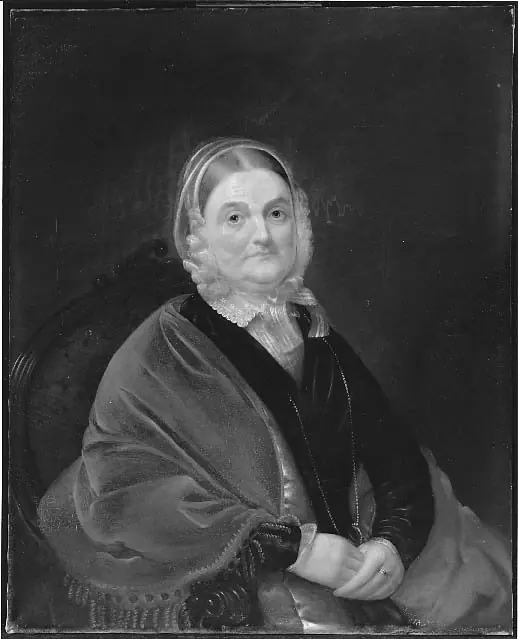 Mrs. Roswell Gleason (Rebecca Tucker Vose)
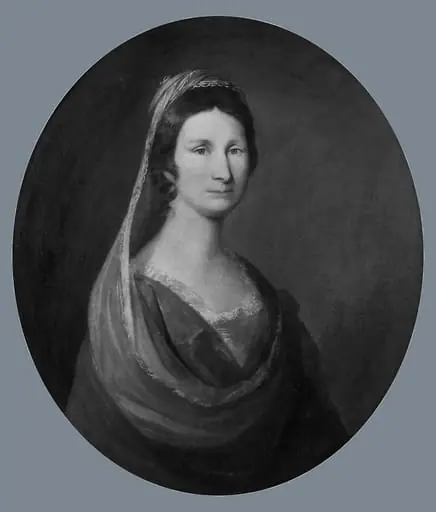 Mrs. Peter De Lancey