Artwork
Il penseroso
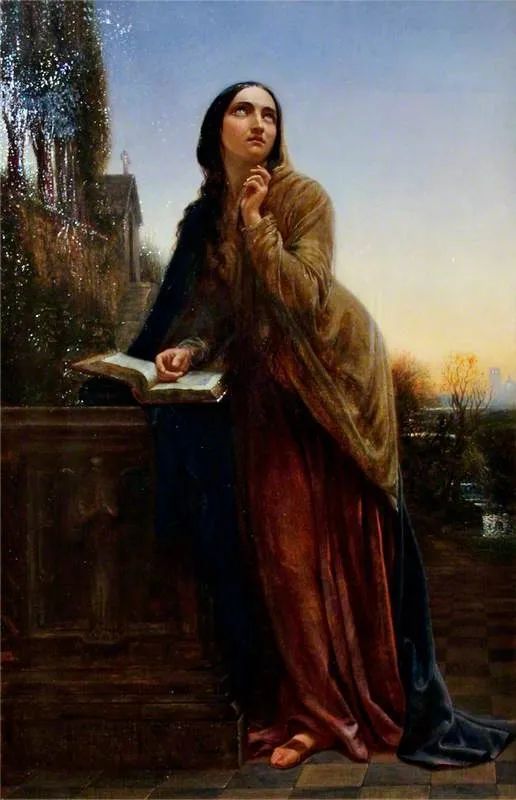
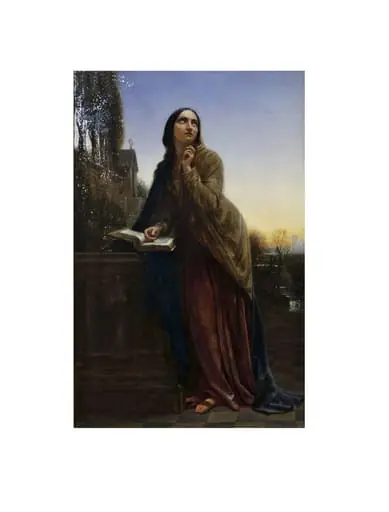
Il penseroso is an oil painting by the British Romanticist artist Charles West Cope. It dates from 1848 and is held in the collection of the Victoria and Albert Museum.
About this work
Overview
Il penseroso, an 1848 oil painting by Charles West Cope, embodies the introspective spirit of British Romanticism. The work features a solitary, contemplative female figure immersed in deep thought, conveying a sense of quiet reflection.
Subject & Meaning
The painting portrays a woman in a state of profound contemplation, her posture and expression suggesting intense introspection. Her attire, including a flowing robe and dark shawl, along with the book in her hand, implies a connection to either religious devotion or intellectual pursuits.
Technique & Style
Executed in oil paint, the work showcases Cope's ability to capture serene atmospheres, a hallmark of Romanticism. The subject's detailed, contemplative pose and the play of light on her form demonstrate Cope's skill in conveying emotional depth through composition and lighting.
History & Provenance
Created in 1848 by Charles West Cope, a versatile artist known for genre scenes, history paintings, etchings, and contributions to the House of Lords' frescoes, *Il penseroso* is now part of the Victoria and Albert Museum's collection.
Context
This painting reflects the Victorian era's fascination with introspective themes, common in British Romantic art. It aligns with the period's emphasis on emotional depth and the contemplative individual.
Legacy
As part of the Victoria and Albert Museum's holdings, *Il penseroso* contributes to the institution's collection of Victorian art, offering insight into the artistic and thematic preoccupations of the British Romantic movement.
Artist & collection
Artist
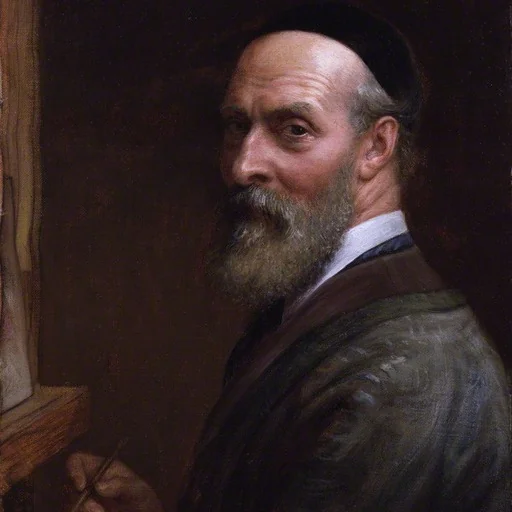
Charles West Cope (28 July 1811– 21 August 1890) was an English, Victorian era painter of genre and history scenes, and an etcher. He was responsible for painting several frescos in the House of Lords in London.

 Il Penseroso
 Margaret at the Church
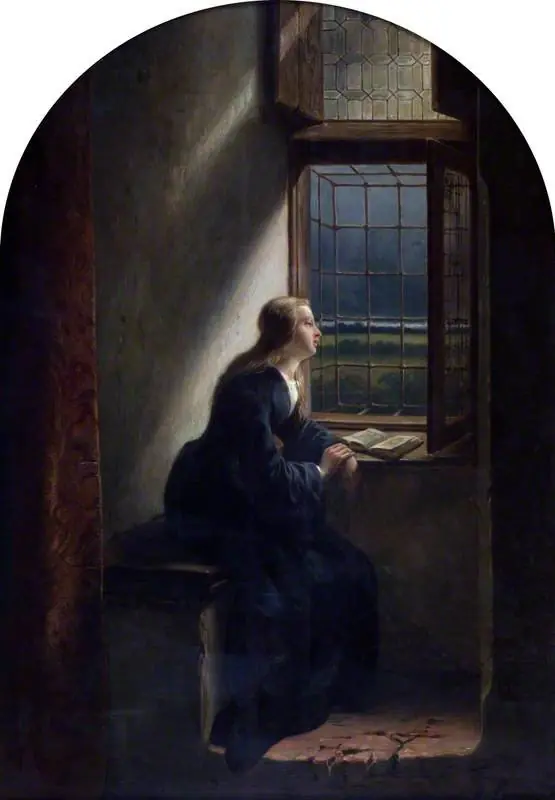 Meditation: A Lady Looking out of a Window
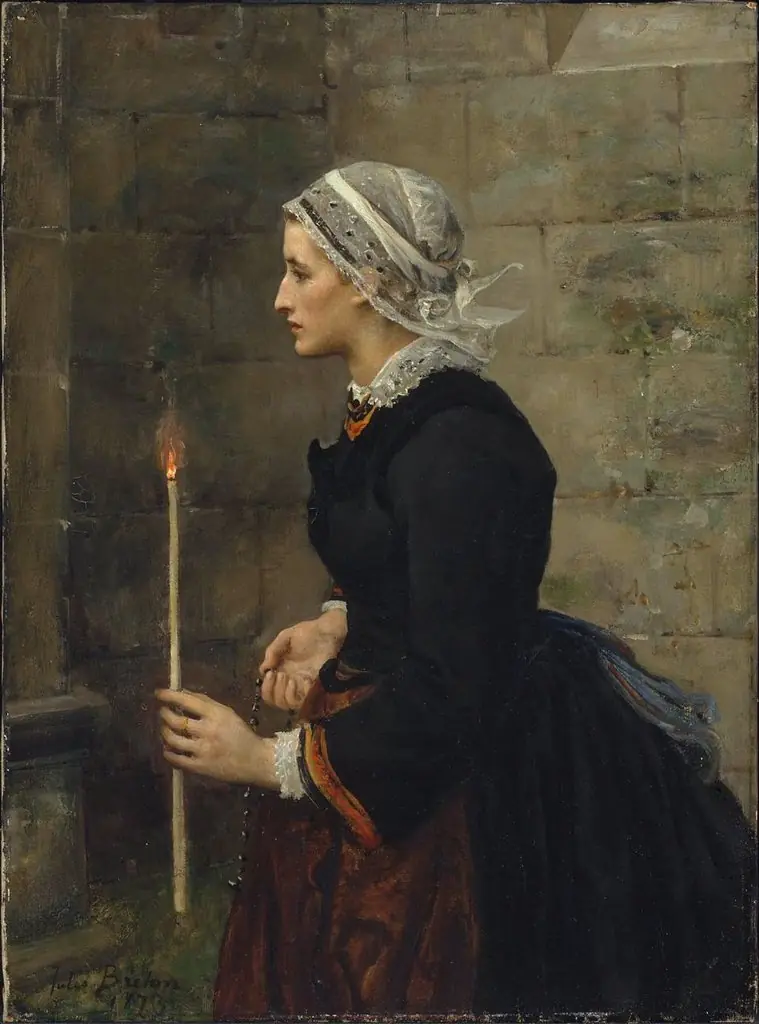 Woman with a Taper
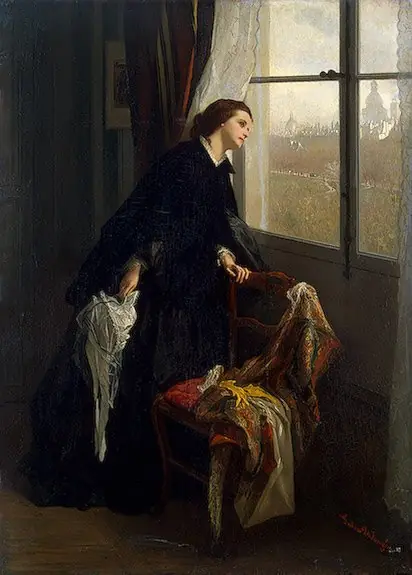 Changeable Weather
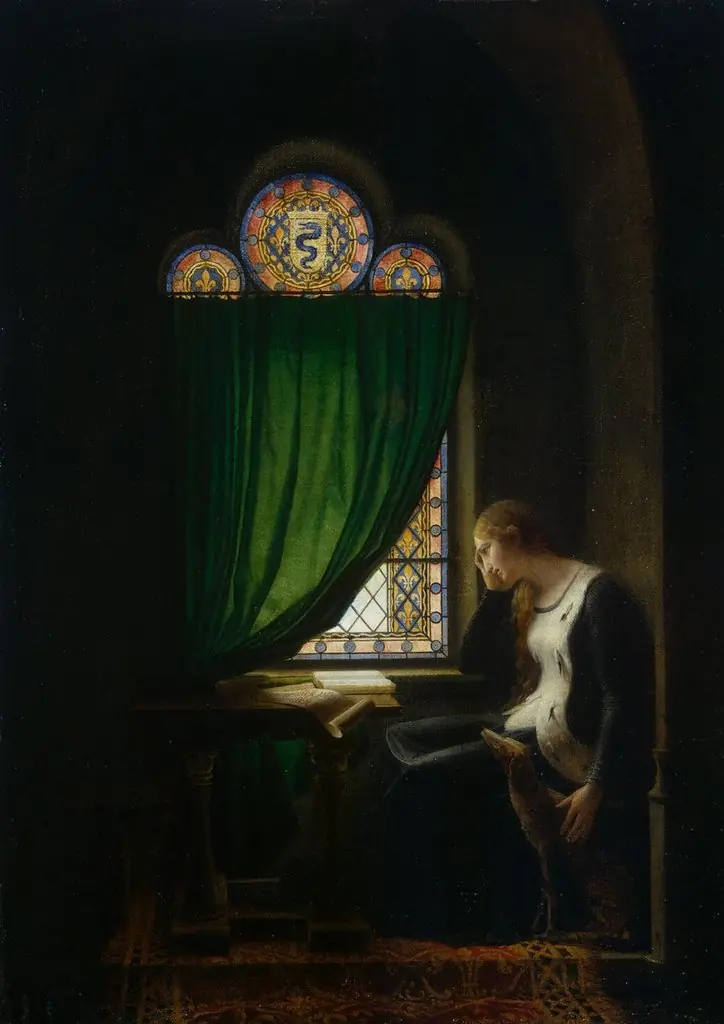 Valentine of Milan Mourning her Husband, the Duke of Orléans
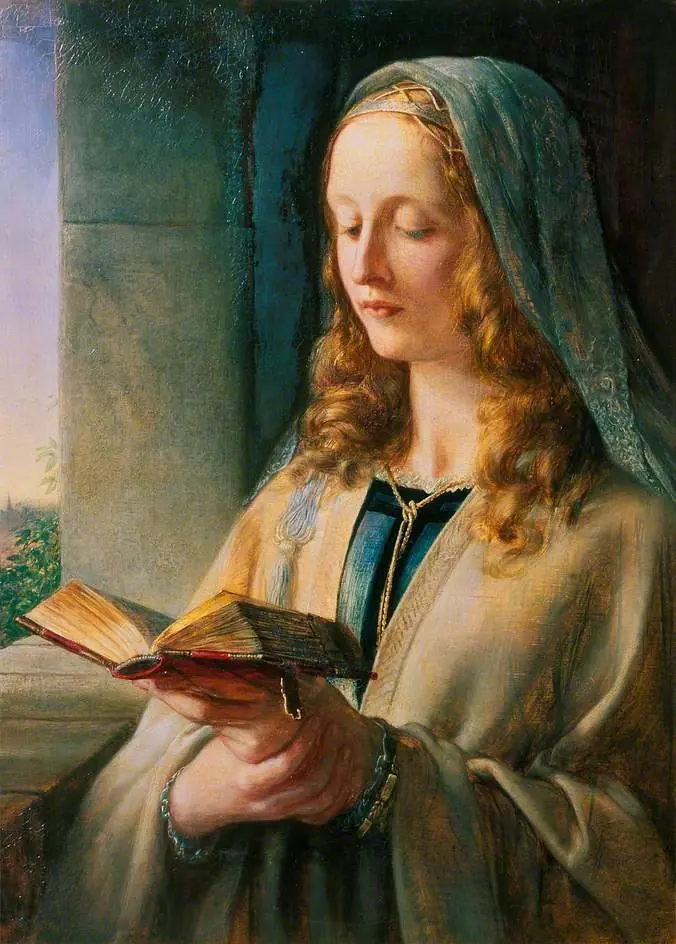 Maiden Meditation
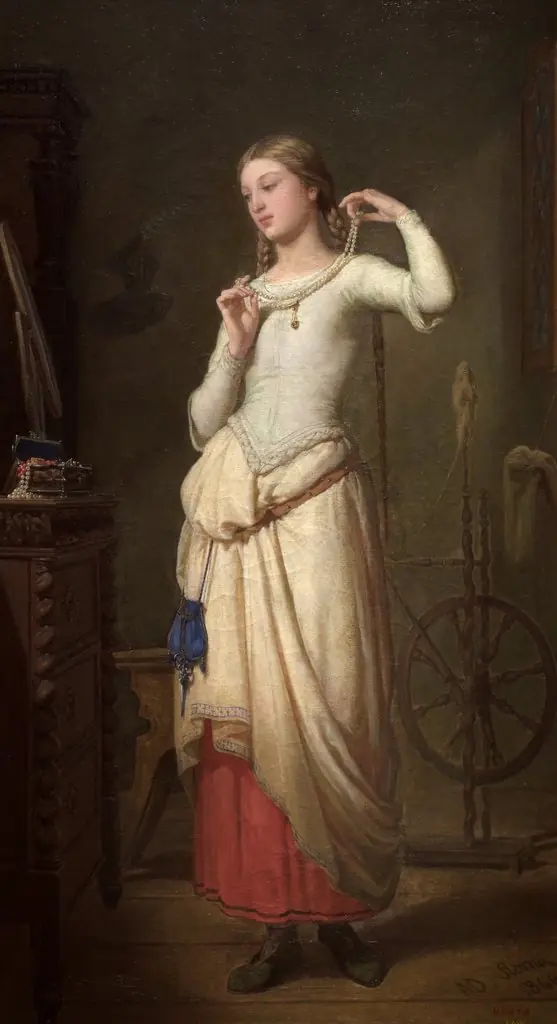 Margaret before the Mirror
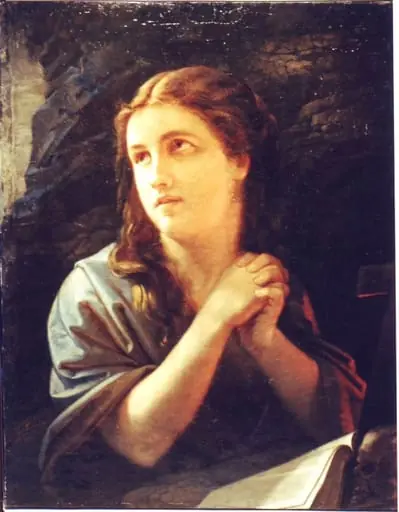 Magdalena
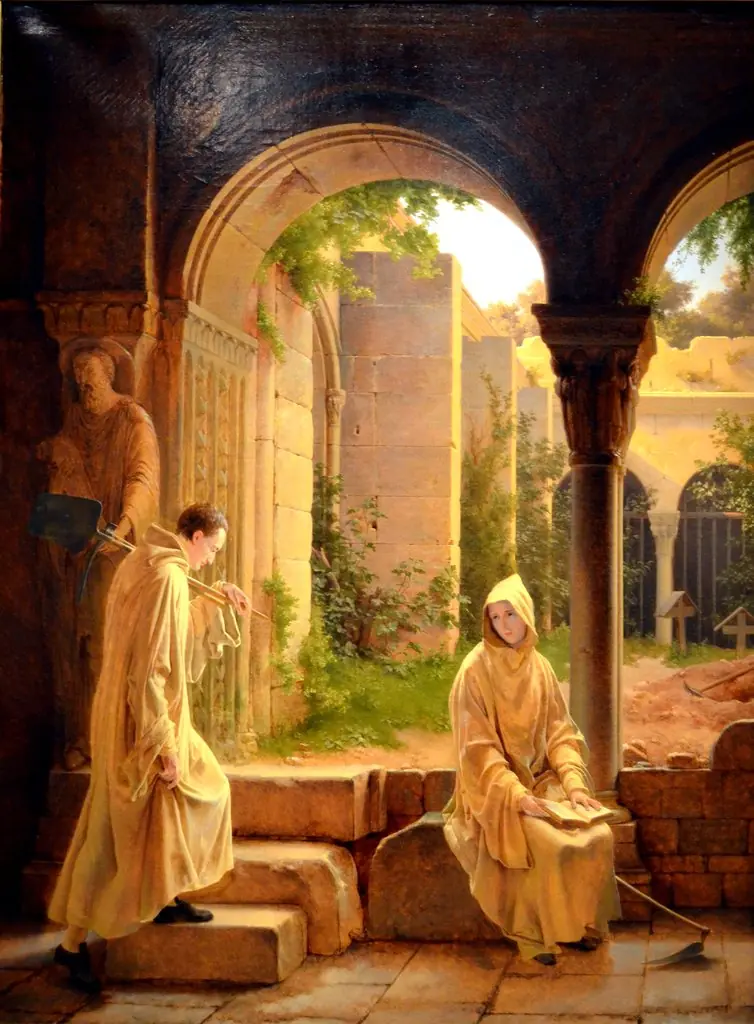 Comminges and Adelaide in the Trappist Monastery
 Doña Blanca de Navarra
 The Virgin reading