Artwork
Woman with a Taper
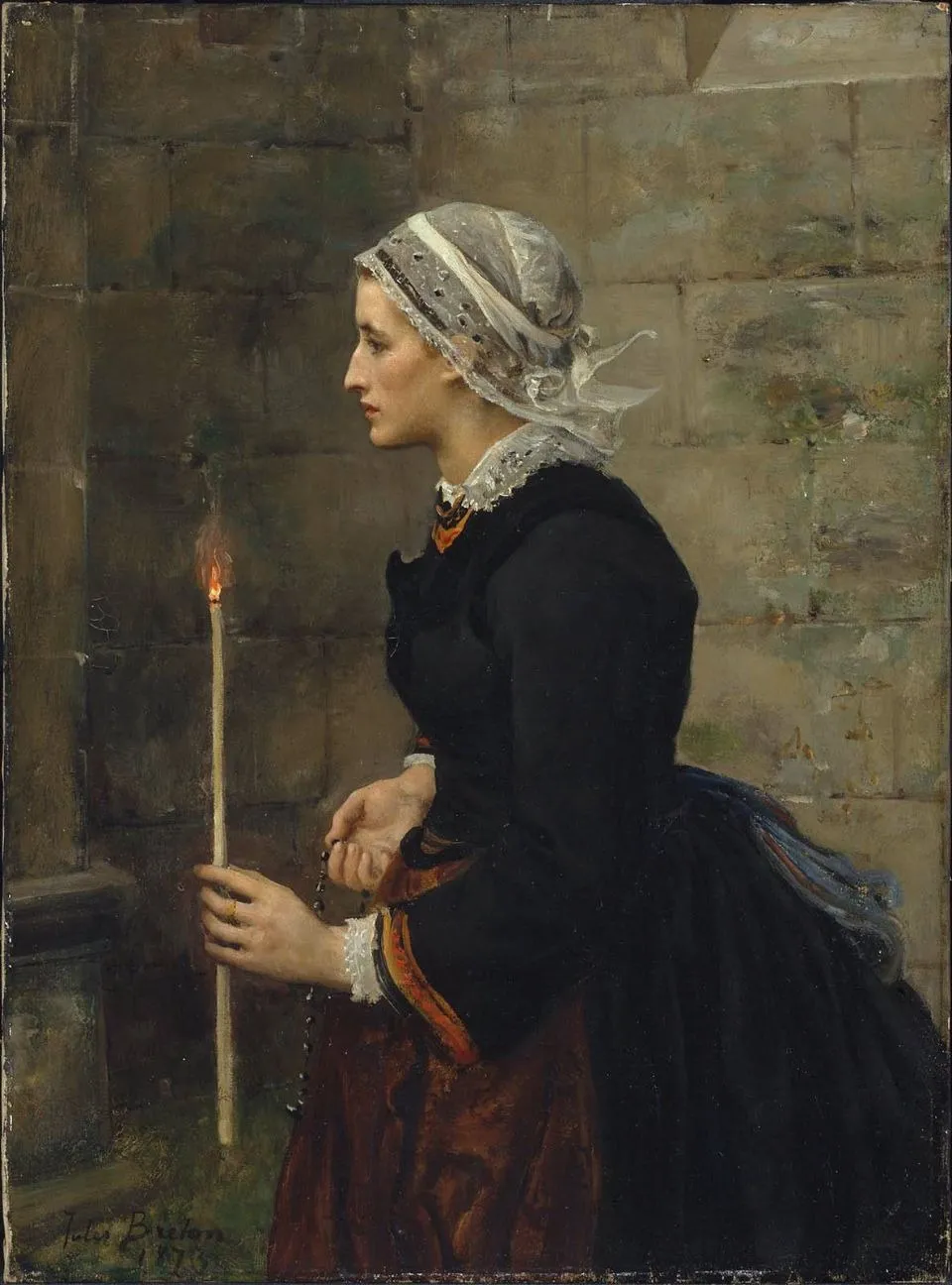
Woman with a Taper is an oil painting by the Realist artist Jules Breton. It dates from 1873 and is held in the collection of the Museum of Fine Arts Boston.
About this work
Overview
Painted in 1873 by Jules Breton, *Woman with a Taper* is an oil-on-canvas work that captures a solitary rural figure in quiet reflection.
Painted in 1873 by Jules Breton, *Woman with a Taper* is an oil-on-canvas work that captures a solitary rural figure in quiet reflection. Breton, associated with French Naturalism, favored scenes of peasant life rendered with restrained emotion and careful detail. The painting resides in the Museum of Fine Arts, Boston, as part of its 19th-century European collection. Its composition and subject reflect the artist’s enduring interest in the dignity of everyday rural existence.
Subject & Meaning
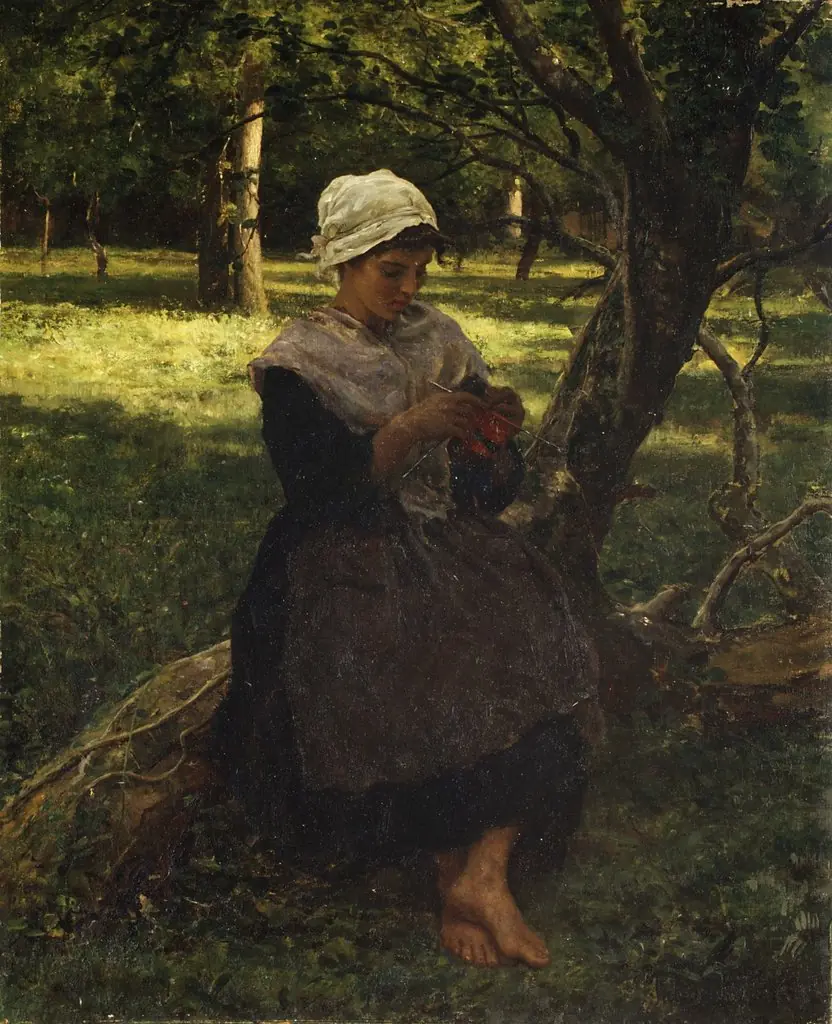
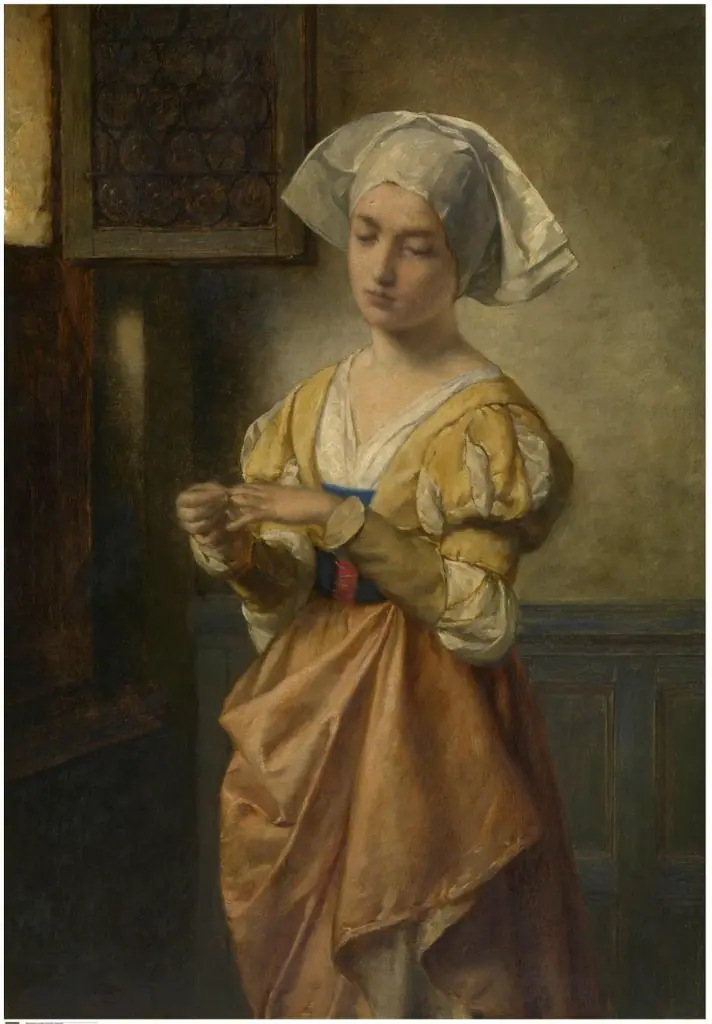
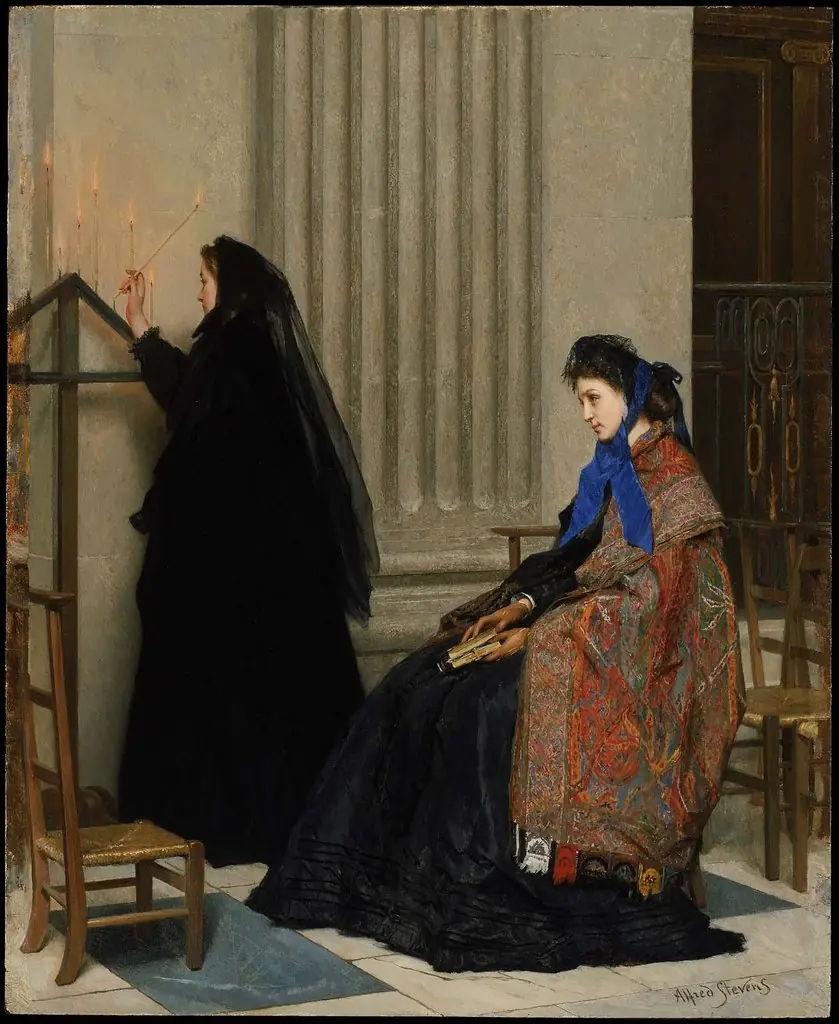
The figure is a woman dressed in modest, dark clothing with a white lace collar and headscarf, standing before a stone wall. She holds a lit candle in her right hand, her gaze lowered, suggesting introspection or prayer. The setting and attire imply a devotional context, possibly tied to evening rituals or religious observance in rural France. The candle serves as both a practical object and a symbolic anchor, drawing focus to her stillness amid the dim surroundings.
Technique & Style
Breton employed traditional oil painting methods to achieve a soft, muted palette and subtle transitions of light. The candle’s glow creates a gentle chiaroscuro effect, illuminating the woman’s face and collar while leaving the background in shadow. Brushwork is precise but unobtrusive, avoiding dramatic contrast in favor of quiet realism. The composition is tightly framed, emphasizing the figure’s isolation and the intimacy of the moment.
History & Provenance
Created in 1873, the painting entered the Museum of Fine Arts, Boston’s collection in the early 20th century. It was likely acquired during a period when American institutions were actively expanding their holdings of European Realist works. No significant alterations or documented restorations are recorded, and its condition remains consistent with its original state. Its provenance reflects broader 19th-century tastes for morally grounded, rural imagery.
Context
In the decades following the 1848 revolutions, French artists increasingly turned to rural subjects as a counterpoint to urban industrialization. Breton’s work aligned with this trend, presenting peasant life as dignified and spiritually resonant. While not overtly political, his paintings offered a nostalgic vision of tradition, appealing to audiences seeking stability amid social change. *Woman with a Taper* fits within this cultural moment, valuing quietude over spectacle.
Legacy
Though less widely known today than his contemporaries, Breton’s work influenced early 20th-century American collectors and regionalist painters drawn to his serene, narrative style. *Woman with a Taper* remains a representative example of French Naturalism’s emphasis on moral clarity and everyday ritual. It continues to be studied for its restrained emotional tone and its role in shaping perceptions of rural French identity during the late 19th century.
Artist & collection
Artist
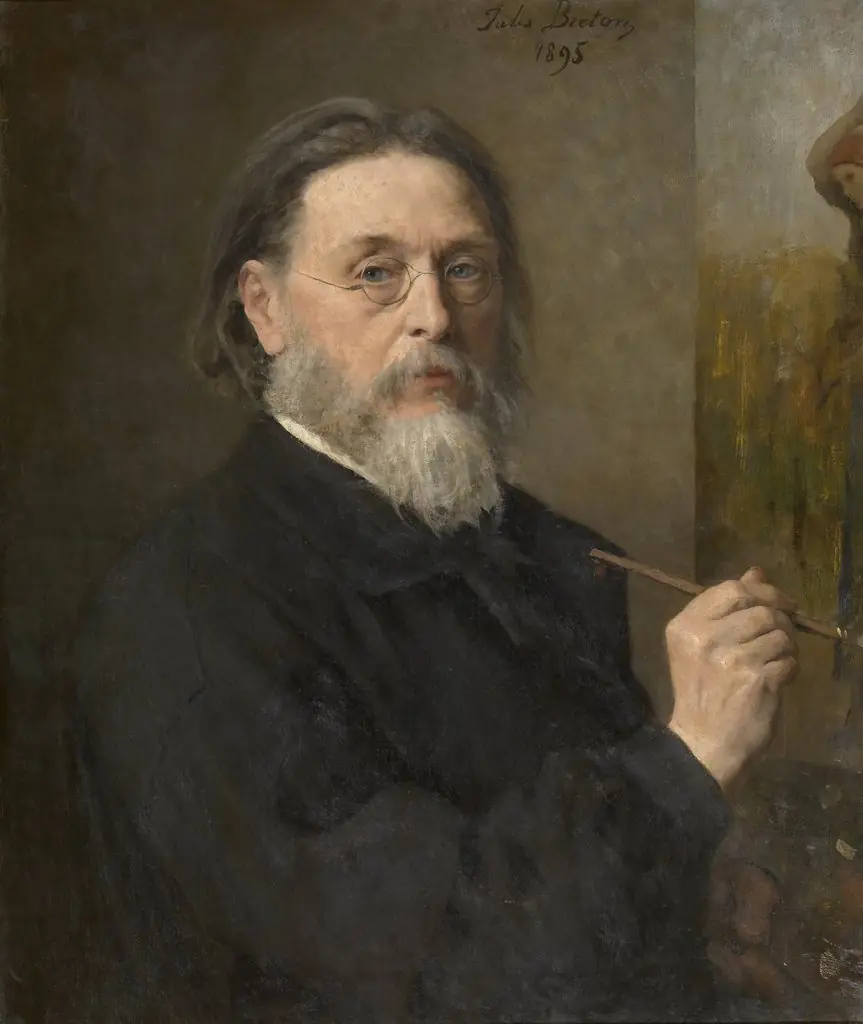
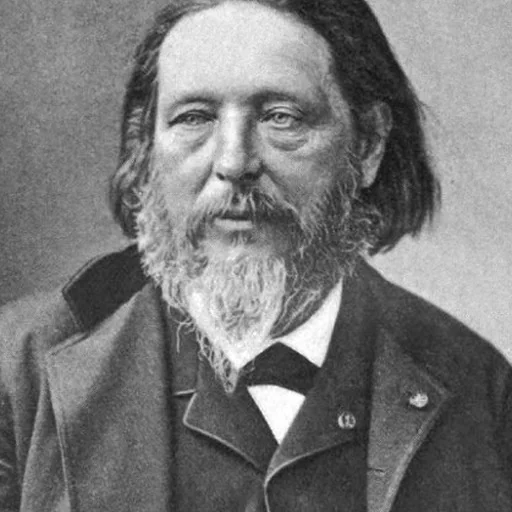
Jules Adolphe Aimé Louis Breton (French pronunciation: ; 1 May 1827 – 5 July 1906) was a 19th-century French naturalist painter.