Artwork
Untitled
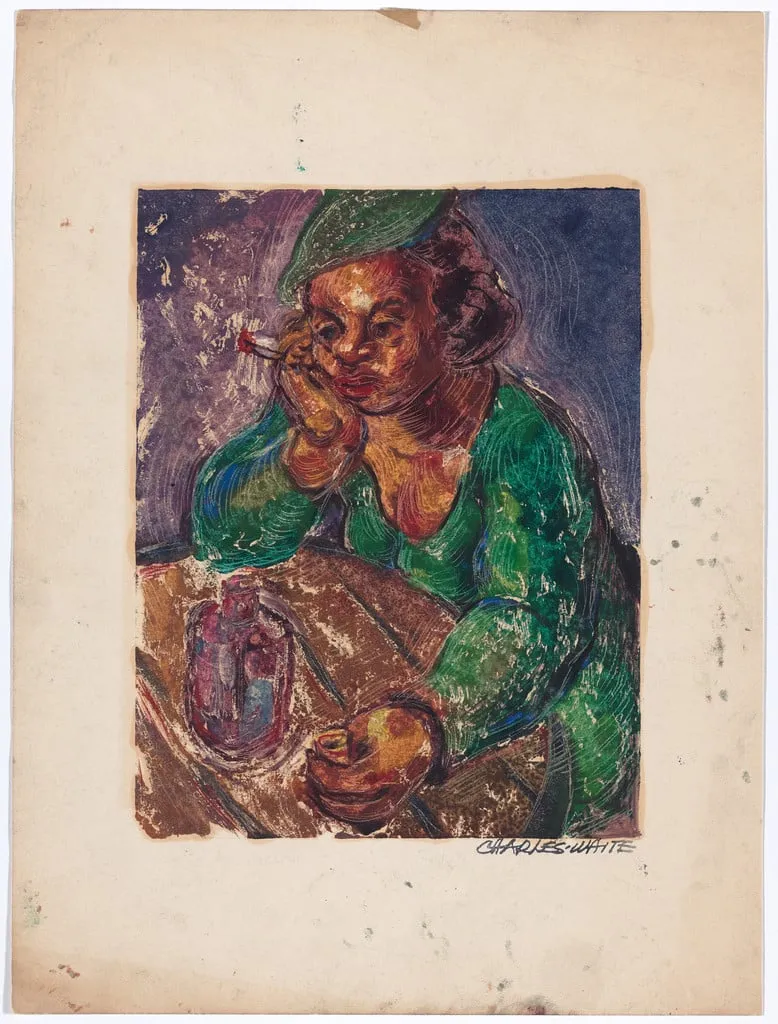
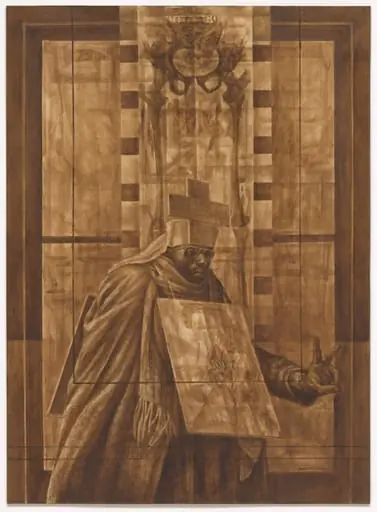
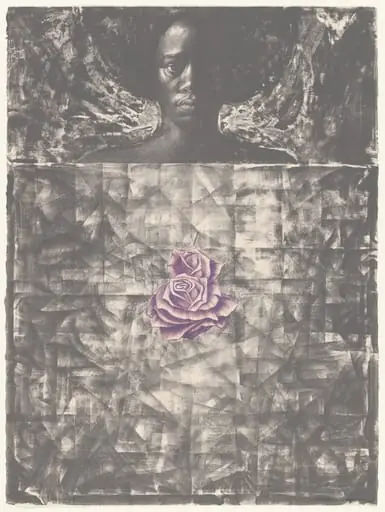
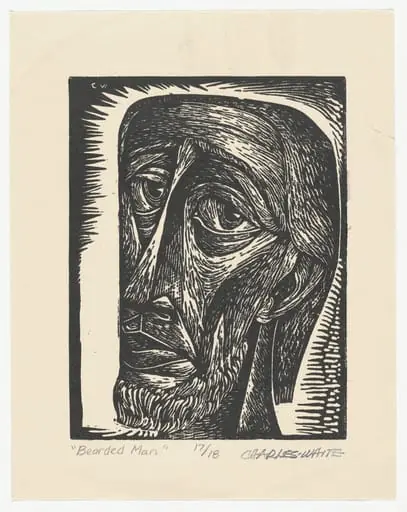
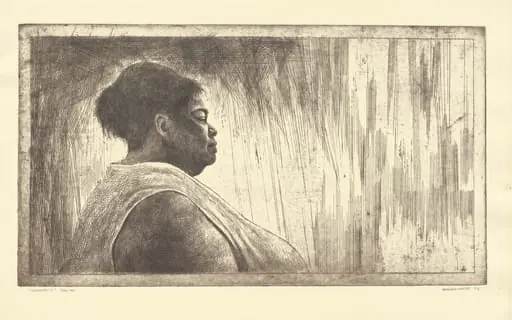
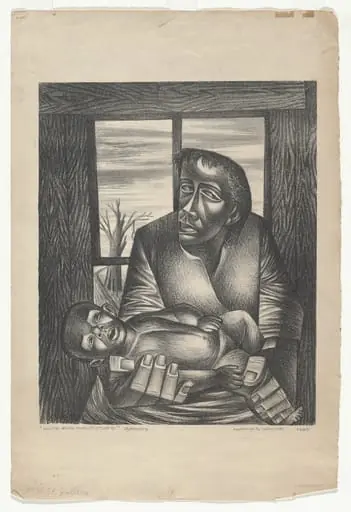
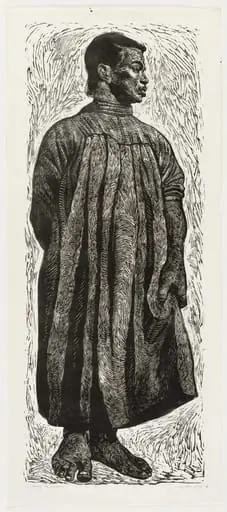
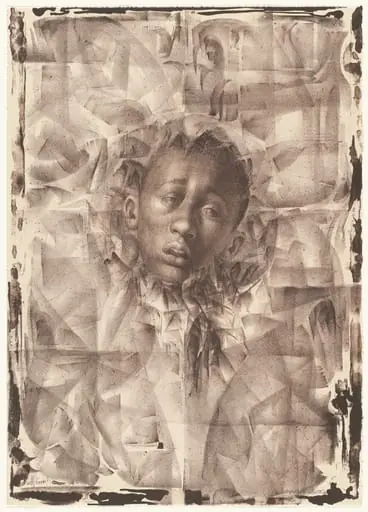
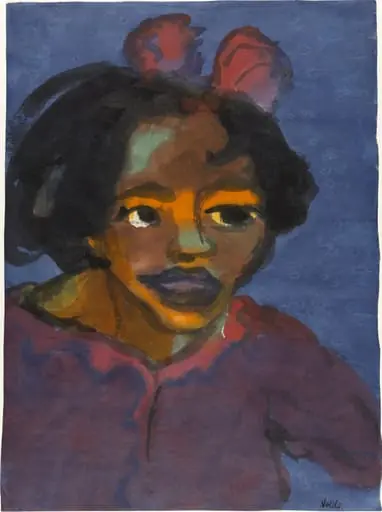
Untitled is an oil print by Charles White. It dates from 1939 and is held in the collection of the Museum of Modern Art.
About this work
Overview
Created around 1939, this oil monotype on paper is one of Charles White’s early works in printmaking.
Created around 1939, this oil monotype on paper is one of Charles White’s early works in printmaking. Though often described as a painting, the technique involves pressing oil-based pigment from a prepared surface onto paper, yielding a unique, textured impression. The piece resides in The Museum of Modern Art’s collection, reflecting its significance in documenting mid-century American realism through intimate, unidealized scenes.
Subject & Meaning
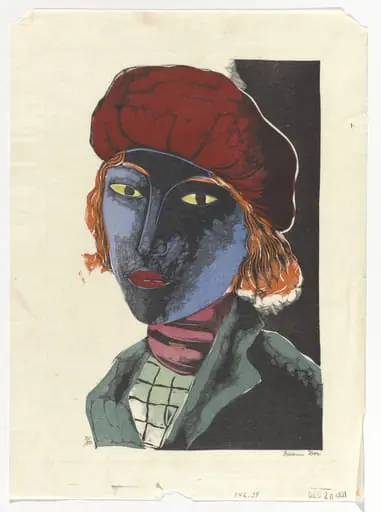
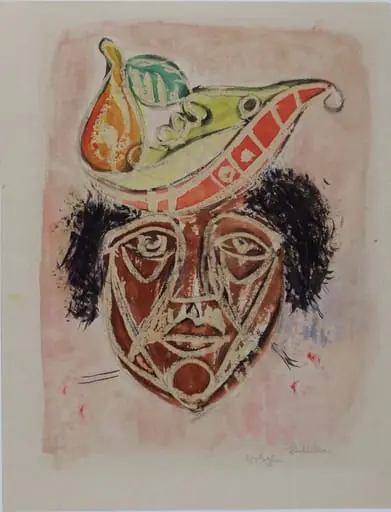
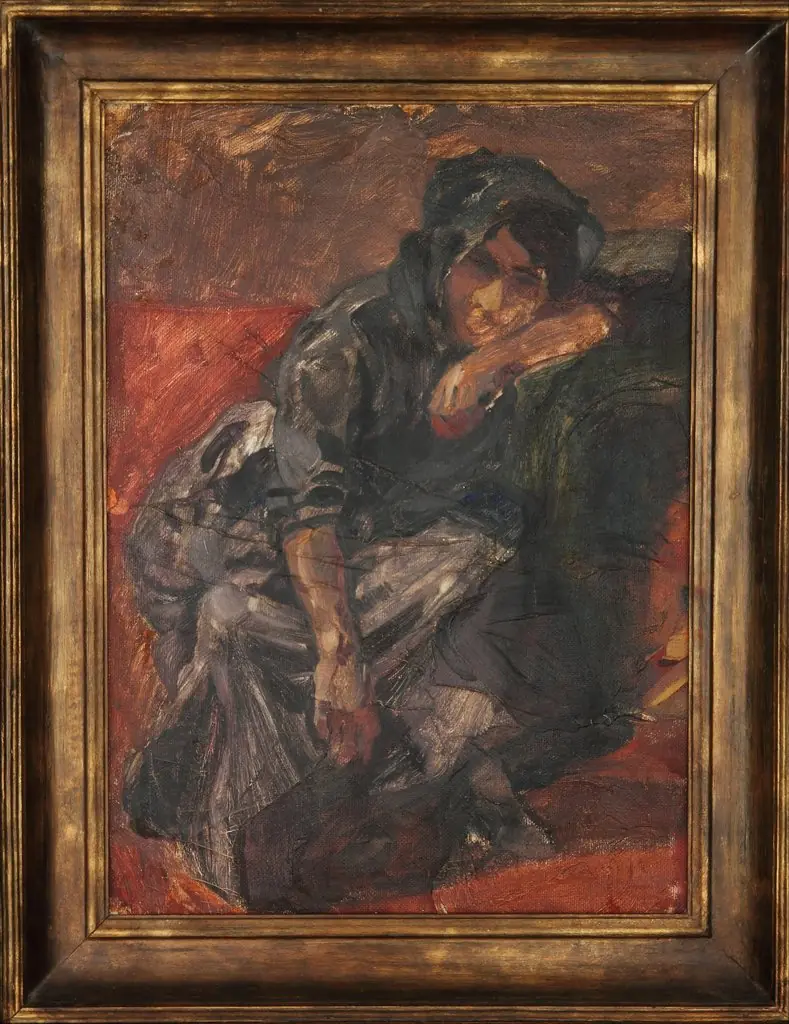
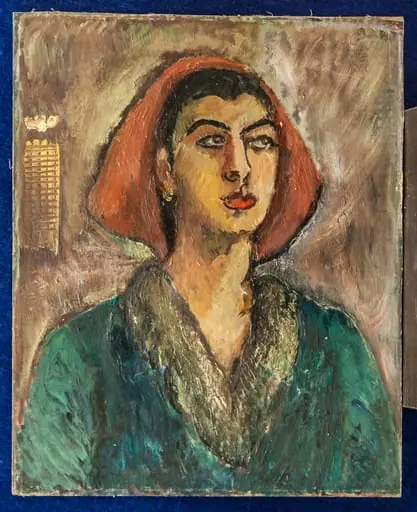
A woman sits alone at a table, her posture relaxed yet contemplative. She holds a cigarette near her face, its smoke implied rather than rendered, while her left hand rests lightly on the surface. The green hat and shirt suggest ordinary attire, not costume. The glass bottle beside her hints at a moment of pause—perhaps solitude, fatigue, or quiet reflection. White avoids narrative climax, instead honoring the dignity of mundane stillness.
Technique & Style
The work employs oil monotype, a process that blends painting and printmaking, allowing for spontaneous, gestural marks. Bold, fluid brushwork defines the figure’s form, while areas of saturated color—especially the green of her clothing—contrast with muted tones in the background. The texture of the paper captures the oil’s residue, lending the image a tactile immediacy that aligns with White’s interest in raw, unpolished human presence.
History & Provenance
This piece was produced during White’s formative years in Chicago, before his move to New York and rise in prominence. It entered The Museum of Modern Art’s collection in the late 1930s or early 1940s, likely acquired through the museum’s early focus on socially engaged American art. Its preservation reflects institutional recognition of White’s emerging voice in depicting African American life with psychological depth.
Context
Created during the Great Depression, the work aligns with a broader artistic movement that turned toward everyday subjects, especially among marginalized communities. White, influenced by social realism and the Federal Art Project, avoided overt political messaging here. Instead, he captured quiet resilience in domestic spaces, offering a counter-narrative to prevailing stereotypes through understated observation.
Legacy
This monotype exemplifies White’s early commitment to portraying Black subjects with nuance and humanity, a practice that would define his later murals and drawings. Though less known than his large-scale works, this intimate piece reveals his foundational interest in gesture, atmosphere, and the quiet dignity of ordinary moments. It remains a quiet but vital link in the evolution of American figurative art.
Artist & collection

Artist
Charles Wilbert White Jr. was an American artist known for his chronicling of African American related subjects in paintings, drawings, lithographs, and murals. White's lifelong commitment to chronicling the triumphs…