Artwork
Boat Carrying Captives from Nubia, Tomb of Huy
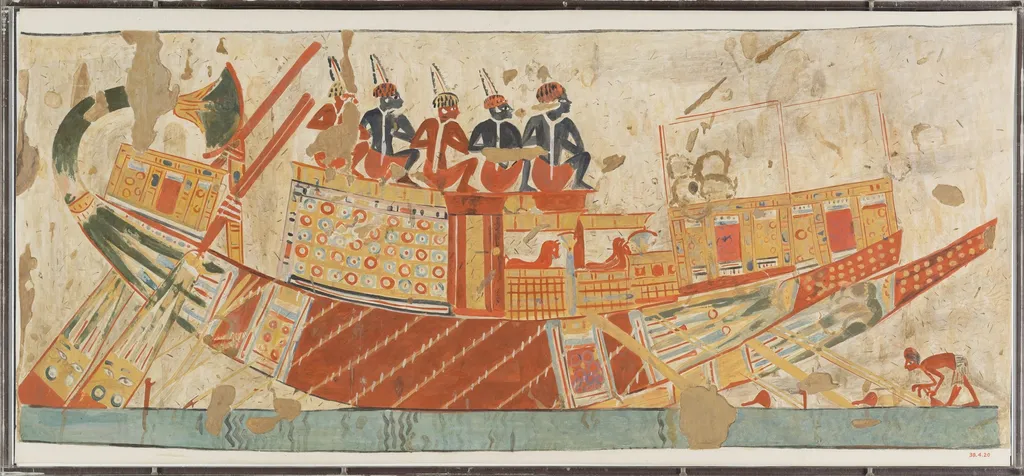
Boat Carrying Captives from Nubia, Tomb of Huy is an unspecified painting by Charles Wilkinson. It is held in the collection of the Metropolitan Museum of Art. This painted scene comes from the tomb of Huy, an Egyptian official during the 18th Dynasty.
About this work
Overview
The composition is arranged in horizontal registers, typical of Egyptian tomb art, with figures rendered in profile and scaled by status.
This painted scene comes from the tomb of Huy, an Egyptian official during the 18th Dynasty. It depicts a vessel transporting captives from Nubia, likely as part of a tribute or military campaign. The composition is arranged in horizontal registers, typical of Egyptian tomb art, with figures rendered in profile and scaled by status. The boat’s ornate design and the presence of armed guards emphasize the organized nature of the transport.
Subject & Meaning
The painting illustrates the subjugation of Nubian people, a common theme in Egyptian elite tombs to assert power and control over neighboring regions. The captives, shown without weapons and in passive postures, contrast with the armed Egyptian overseers wearing distinctive headdresses. This visual hierarchy reinforces the political and ideological message of Egyptian dominance, intended to accompany the tomb owner into the afterlife.
Technique & Style
Executed in tempera on plaster, the painting uses flat planes of color—red, yellow, and beige—with minimal shading. Figures follow the canonical Egyptian style: heads in profile, torsos frontal, legs in profile. Decorative patterns on the boat and clothing are rendered with precise lines, reflecting standardized artistic conventions. The background, left largely unmodeled, focuses attention on the figures and their symbolic roles.
History & Provenance
The painting was discovered in the tomb of Huy, who served as Viceroy of Nubia under Pharaoh Tutankhamun. It was excavated in the early 20th century and later acquired by The Metropolitan Museum of Art. Its preservation is exceptional, allowing detailed study of Nubian-Egyptian relations during the New Kingdom. The tomb’s location in Thebes aligns with the burial practices of high-ranking officials of the period.
Context
During the 18th Dynasty, Egypt expanded its control over Nubia to secure gold, labor, and trade routes. Tomb paintings like this served as both historical record and ritual affirmation of authority. Huy’s role as Viceroy placed him at the center of these efforts, and his tomb’s imagery reinforced his administrative power. Similar scenes appear in other elite tombs, suggesting a standardized visual language for imperial control.
Legacy
This painting remains a key artifact for understanding Egypt’s imperial administration and its representation of foreign peoples. It informs modern scholarship on colonial imagery in antiquity and the use of art as political propaganda. Its preservation allows ongoing analysis of material techniques and cultural perceptions of difference in ancient Egypt, contributing to broader discussions of identity and power.
Artist & collection
Artist
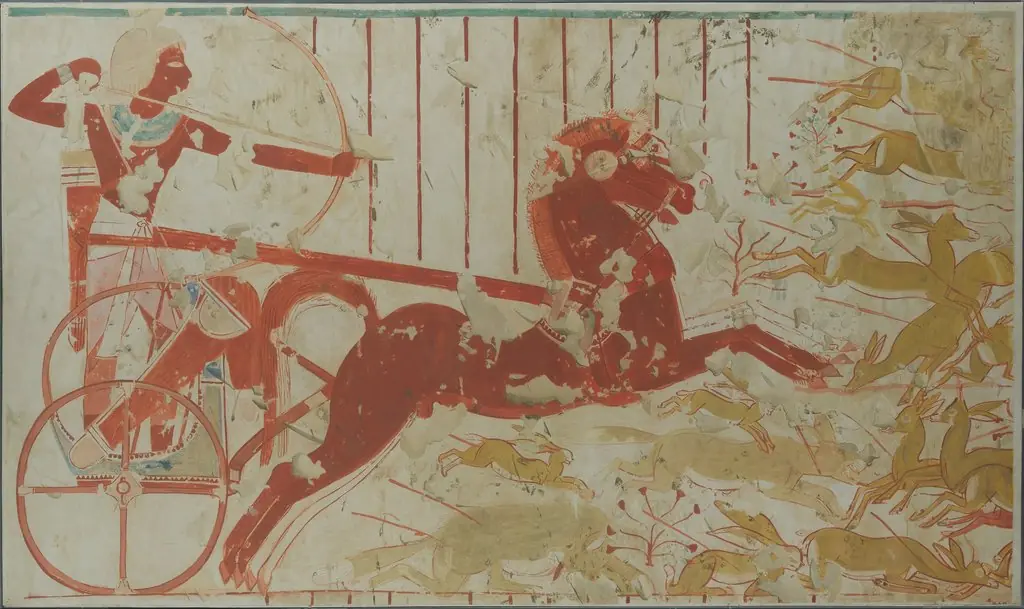
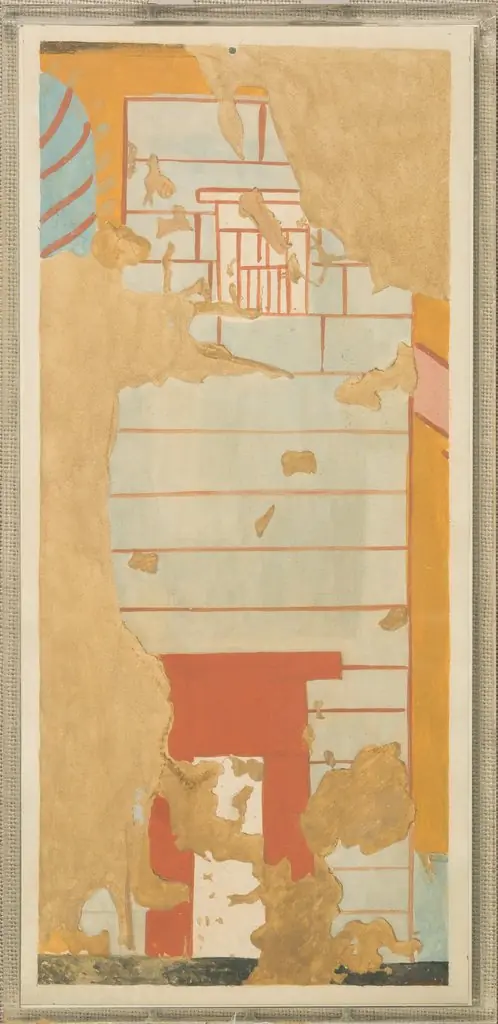
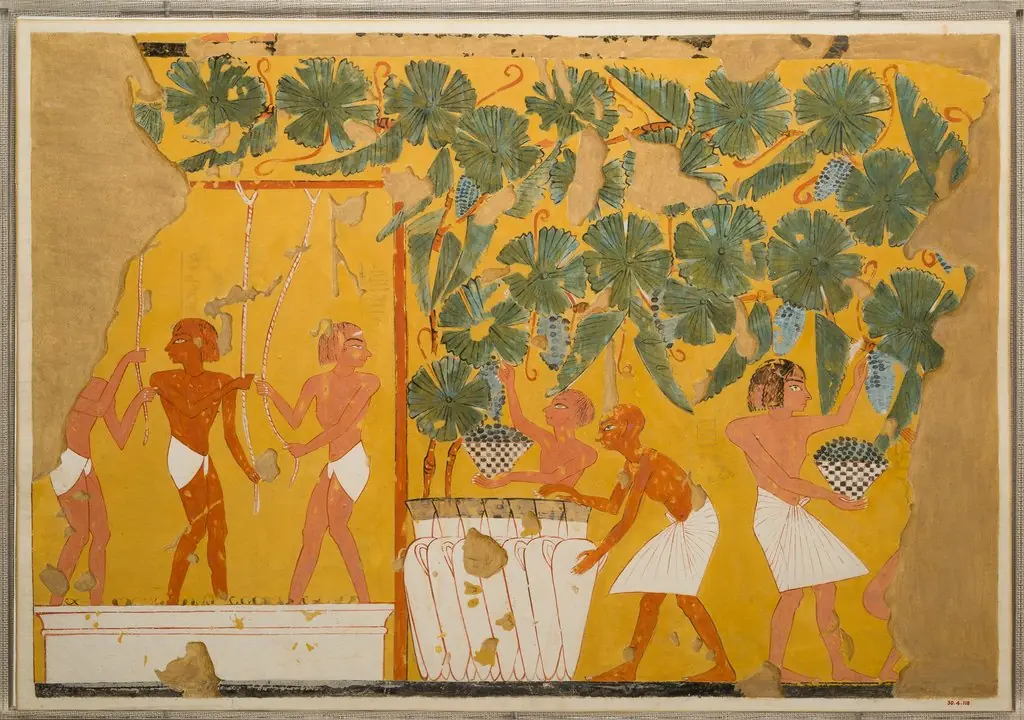
Egyptian artists carved lively scenes on tomb walls to keep the dead company. Wilkinson’s bundle offers five such reliefs, from a falcon guarding a pharaoh to wine presses and chariots left behind for the next world.…

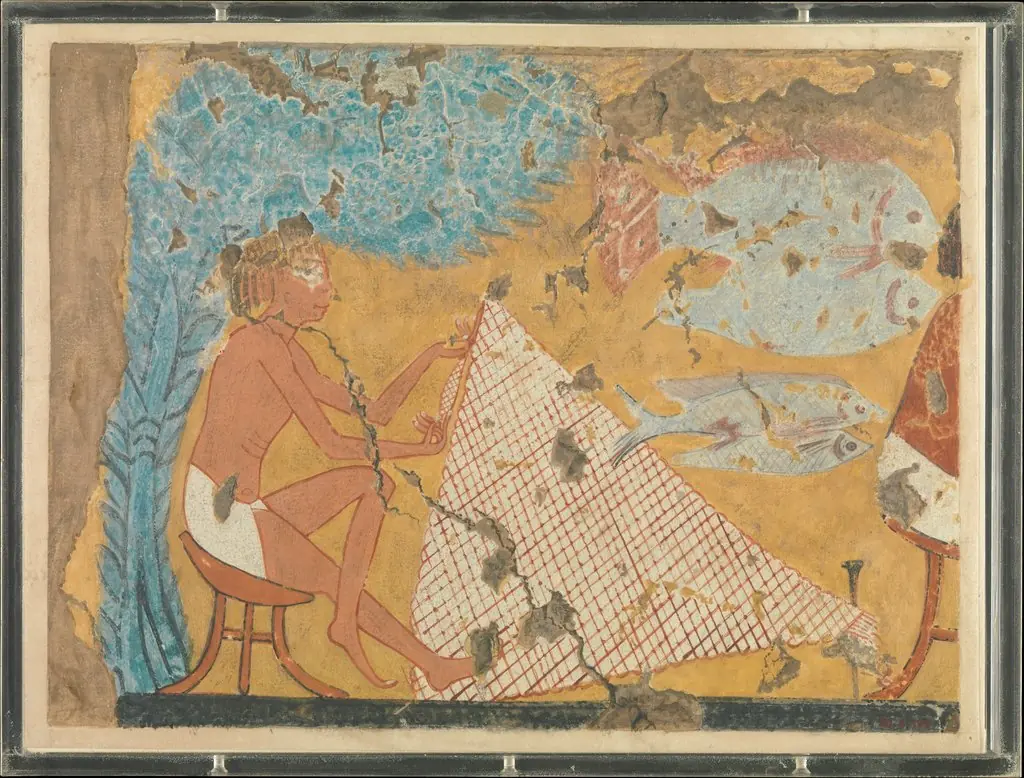 Man Making a Net, Tomb of Ipuy
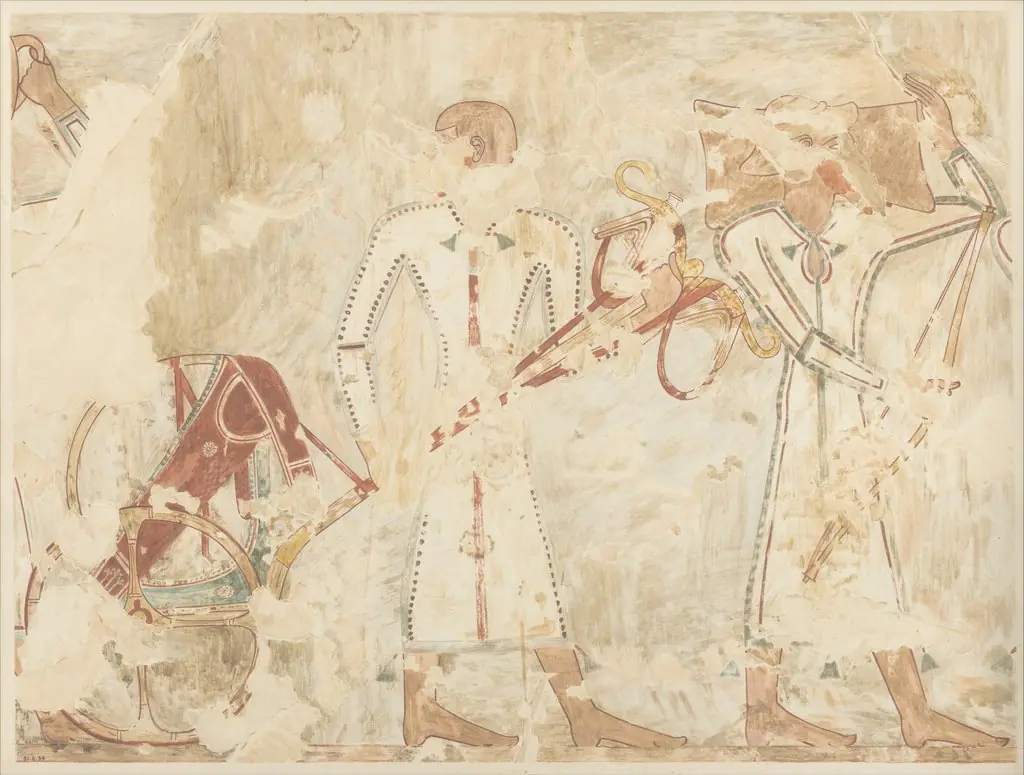 Syrians Bringing an Ingot and a Chariot, tomb of Rekhmire
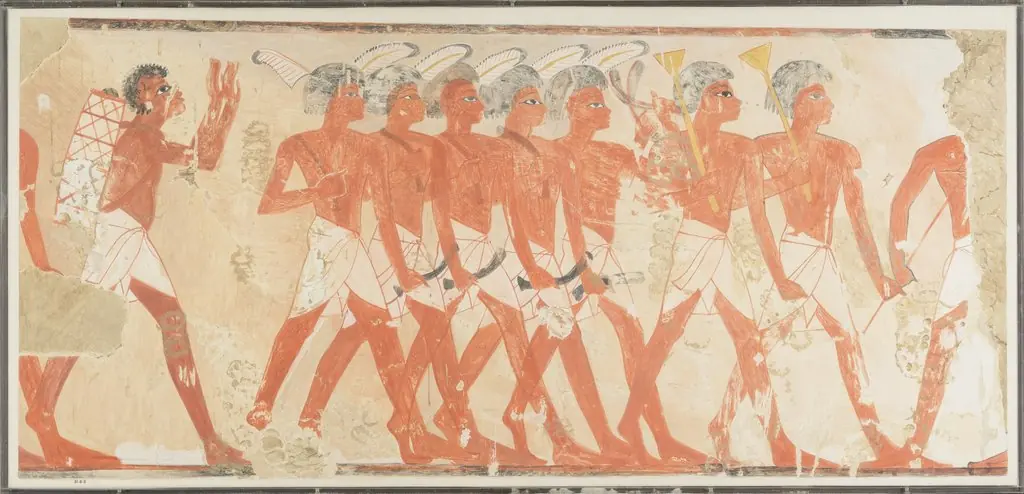 Military Musicians Showing Nubian and Egyptian Styles
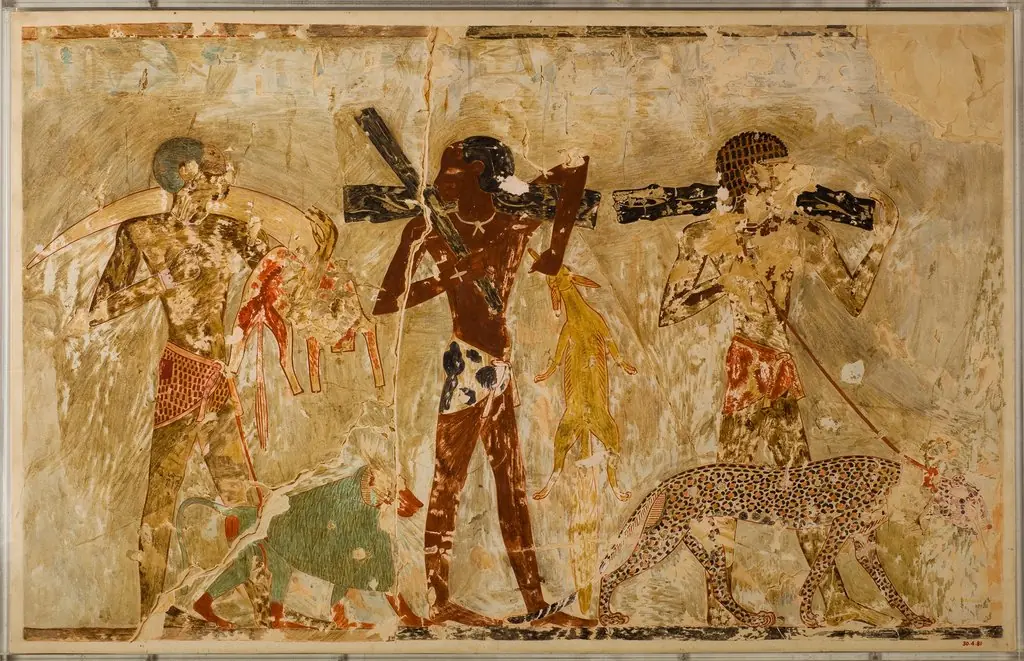 Facsimile painting from the tomb of Rekhmire
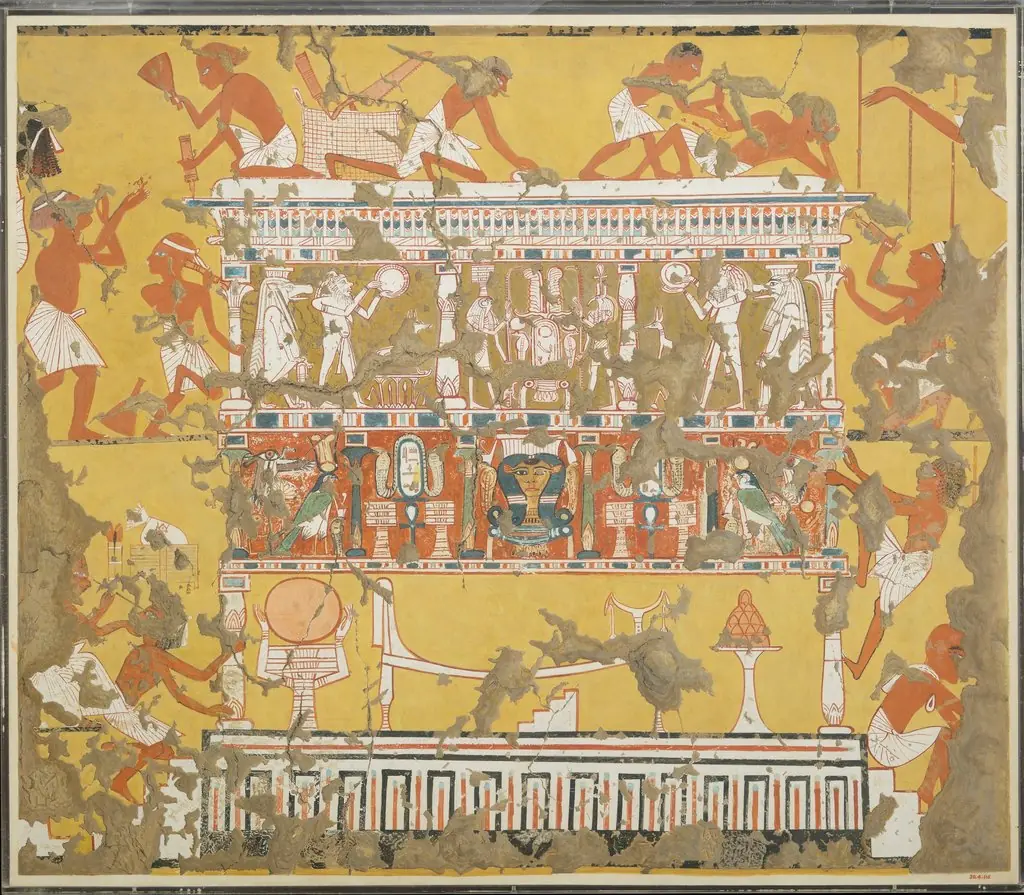 Building a Catafalque, Tomb of Ipuy
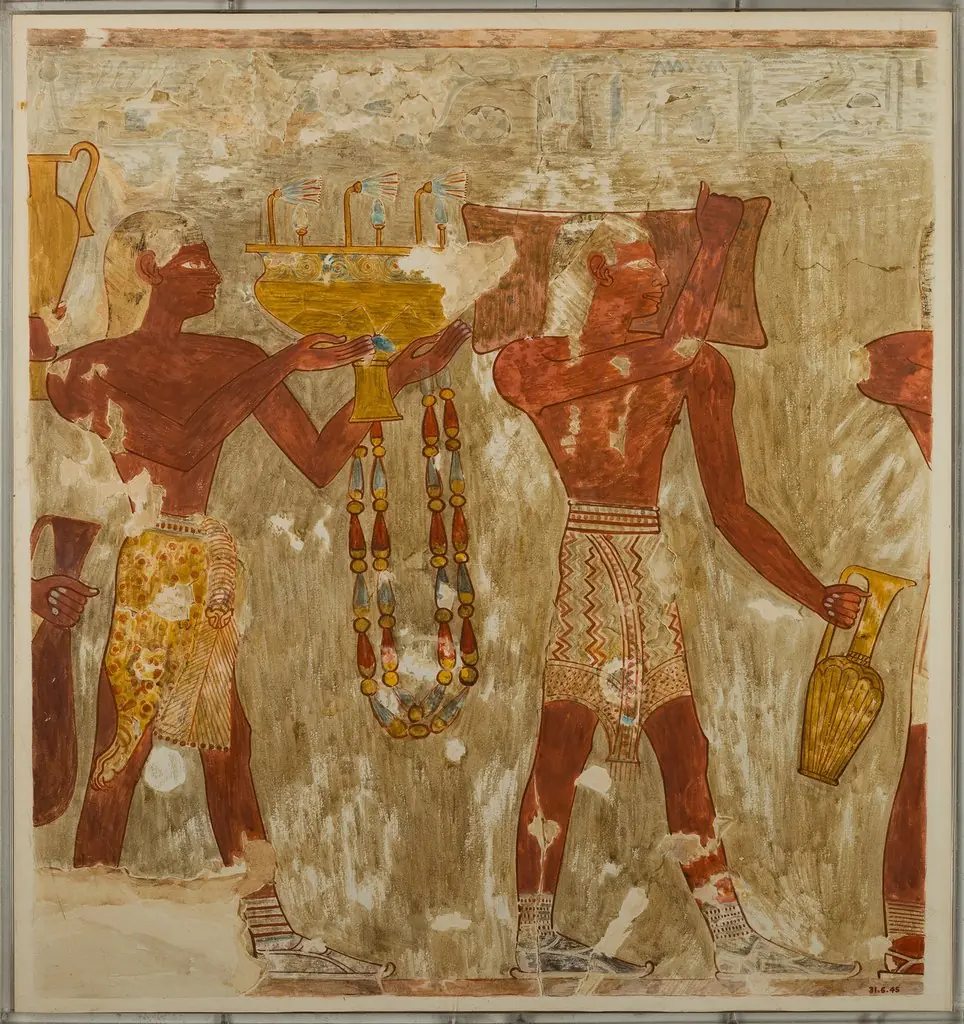 Cretans Bringing Gifts of Metal and Jewelry, Tomb of Rekhmire
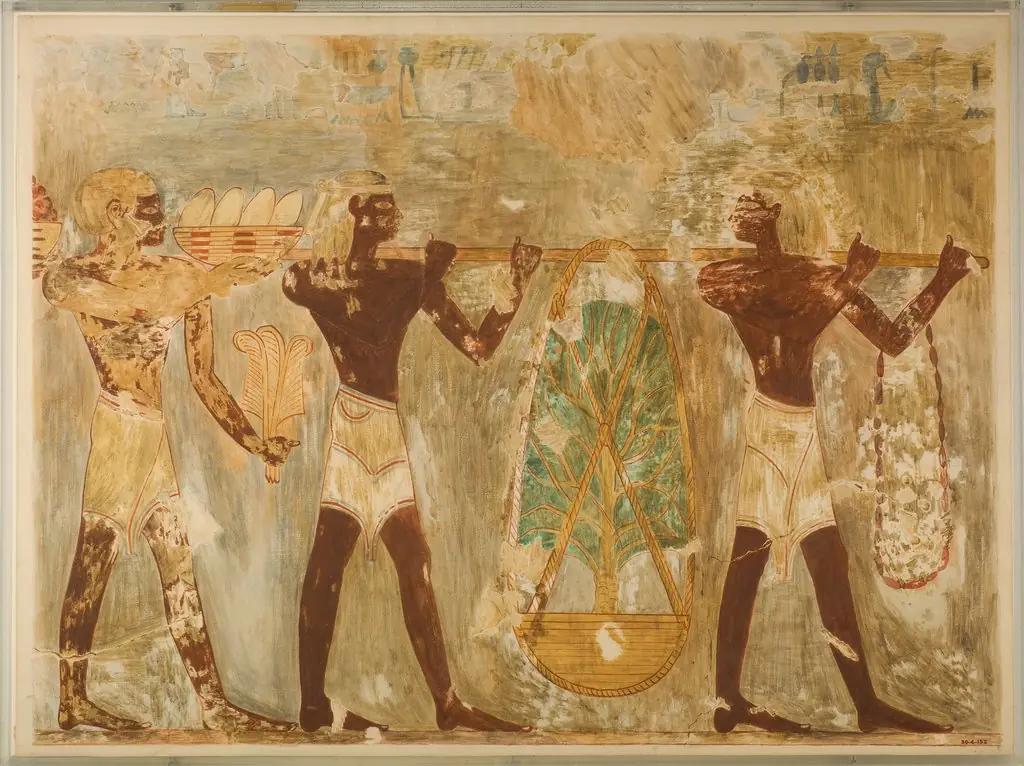 Men from Punt Carrying Gifts, Tomb of Rekhmire