Artwork
Infanterie legère française, Voltigeur
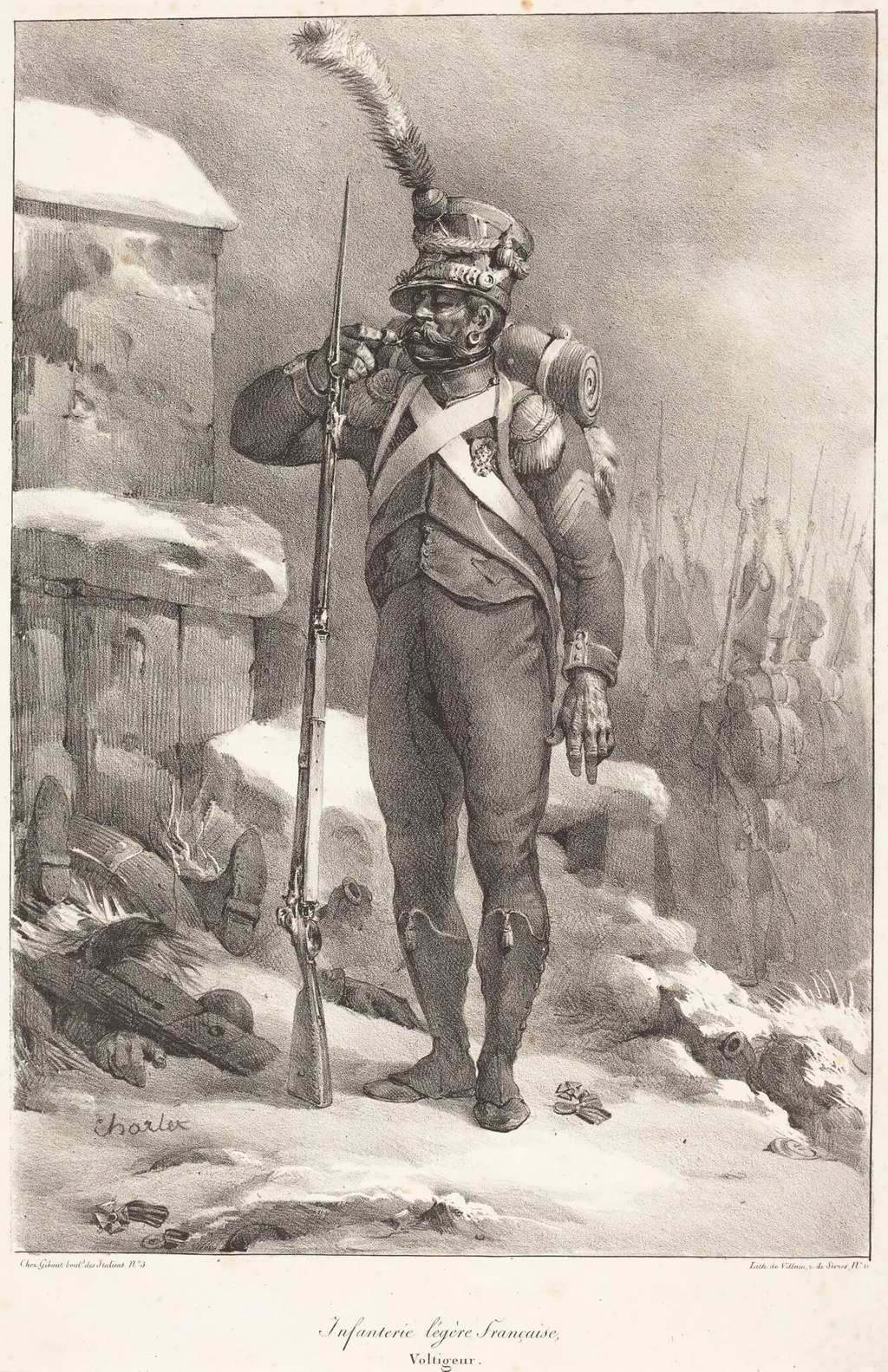
Infanterie legère française, Voltigeur is an ink print by the Romanticist artist Nicolas Toussaint Charlet. It dates from 1822 and is held in the collection of the National Gallery of Art. Created in 1822, this lithograph by Nicolas‑Toussaint Charlet portrays a French light infantryman, known as a voltigeur.
About this work
Overview
Created in 1822, this lithograph by Nicolas‑Toussaint Charlet portrays a French light infantryman, known as a voltigeur. The image isolates the figure against an unadorned backdrop, emphasizing his uniform and weaponry as the central visual elements.
Subject & Meaning
The work presents a single soldier in full dress, holding a musket, embodying the everyday presence of France’s light infantry. By focusing on the individual rather than a battle scene, Charlet highlights the personal aspect of military service during the post‑Napoleonic era.
Technique & Style
Executed in lithography, the print showcases Charlet’s precise line work and careful shading, allowing fine detail in the soldier’s coat, epaulettes, and firearm. The medium’s capacity for crisp, repeatable images suited Charlet’s interest in documenting uniform specifics.
History & Provenance
Charlet, a noted painter and printmaker of military subjects, produced this piece early in his career. It reflects his broader commitment to portraying French troops, a theme that would recur throughout his subsequent prints and drawings.
Context
The lithograph emerged during a period when French society was revisiting its recent military past. Light infantry units, such as the voltigeurs, had become symbols of agility and national pride, and artists like Charlet responded by recording their distinctive attire and equipment.
Artist & collection

Artist
Nicolas-Toussaint Charlet was a French painter and printmaker, more especially of military subjects.

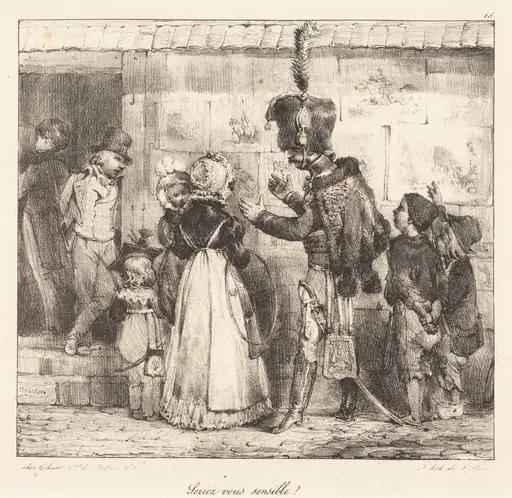
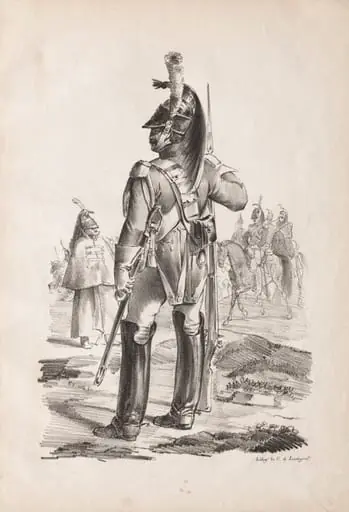 Military Costumes: Grenadier of the Royal Guard
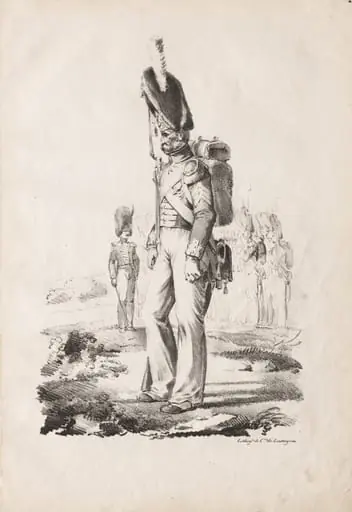 Military Costumes: Infantry Sargent
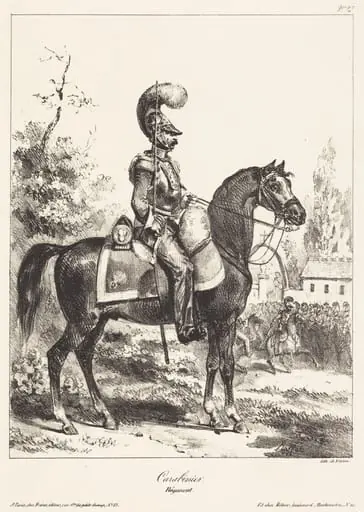 Carabinier
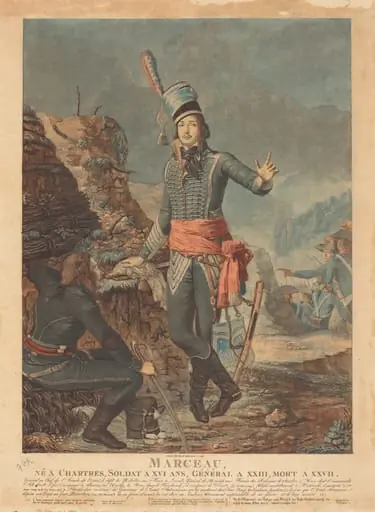 François Séverin Marceau-Desgraviers
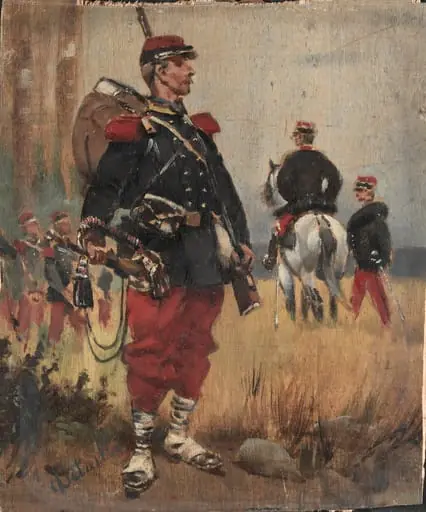 Soldiers
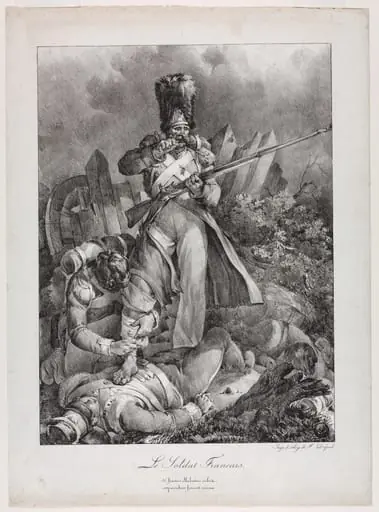 The French Soldier (Le Soldat français)
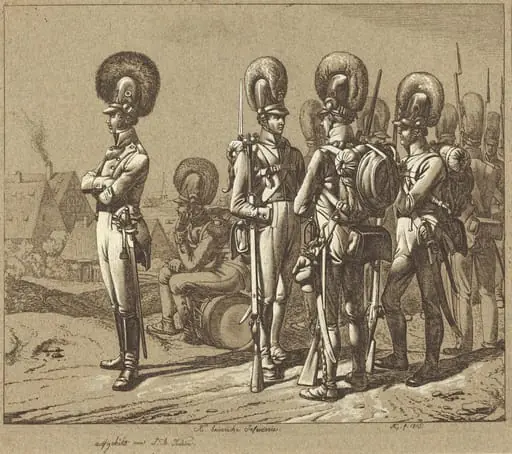 K. baierische Infanterie (Bavarian Infantrymen)
 Military Costumes: Carabiners Sargent, General Guide
 Keisarillisen jääkärirykmentin sotilas
 Infantryman