Artwork
Paintings after Ancient Masters: Volume 1
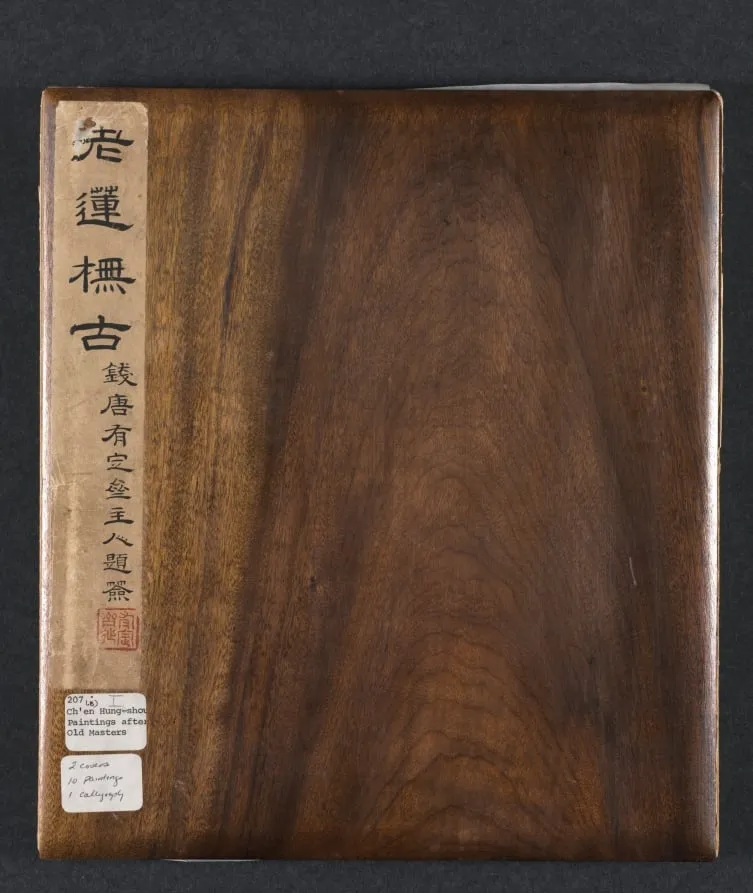
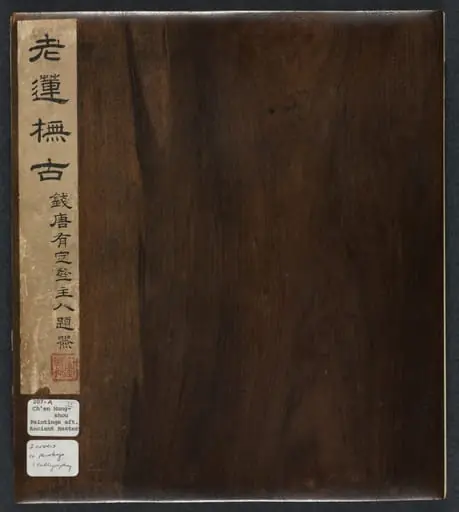
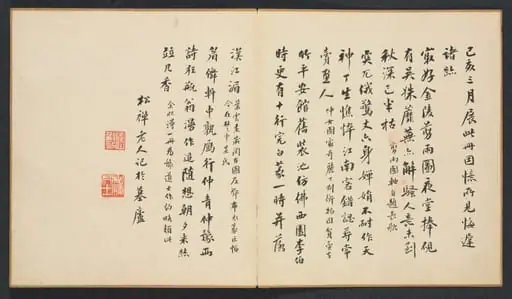
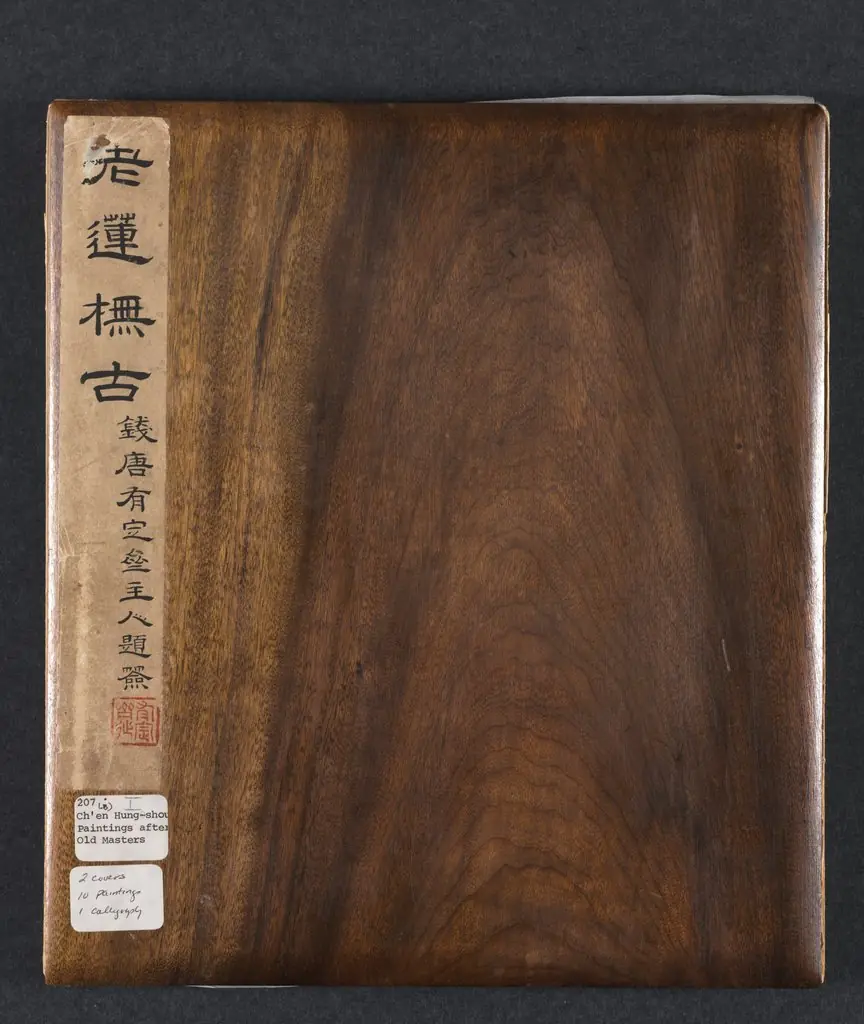
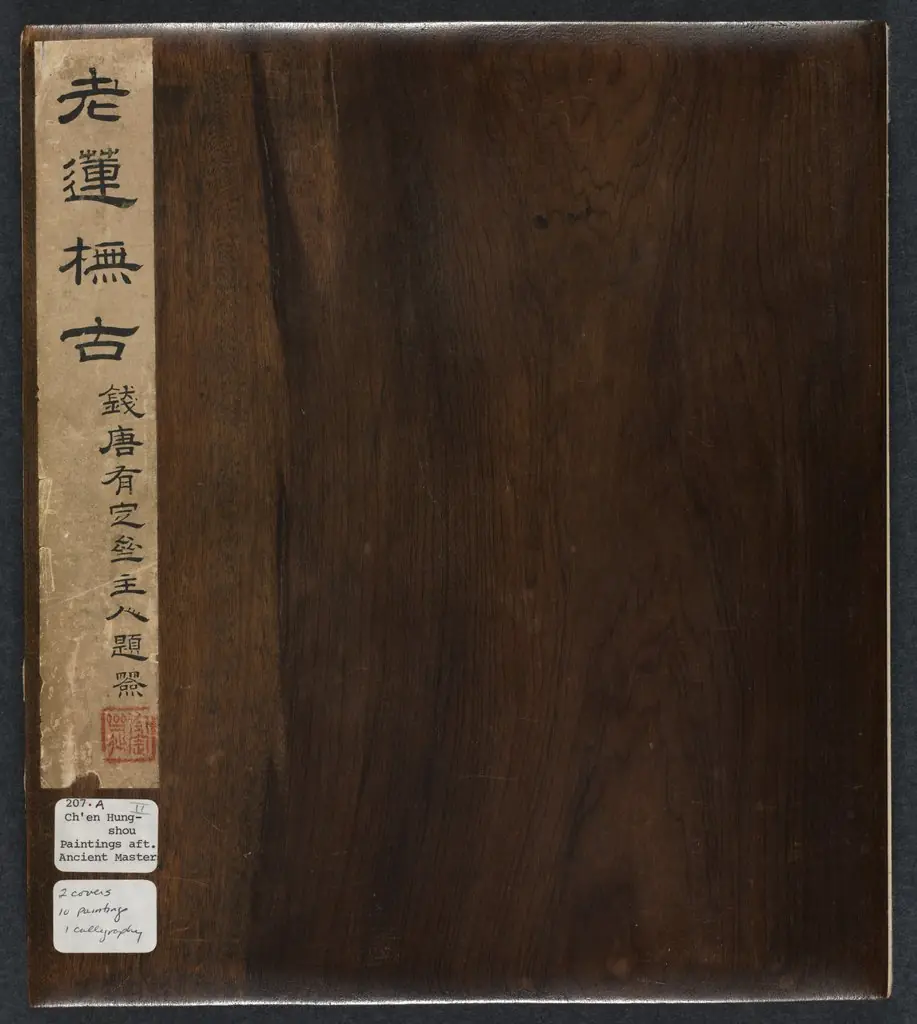
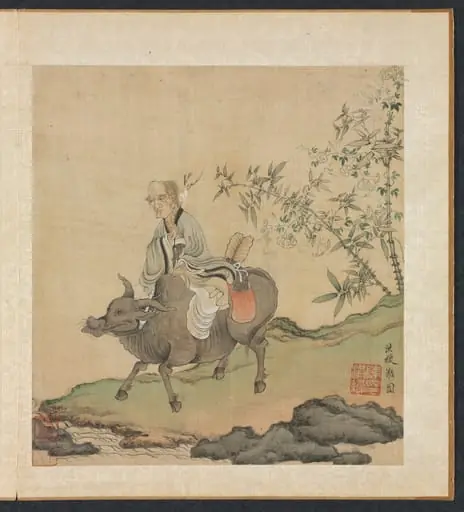
Paintings after Ancient Masters: Volume 1 is an unspecified painting by the Chinese Orthodox School artist Chen Hongshou. It dates from 1625 and is held in the collection of the Cleveland Museum of Art. This double‑page album contains twenty small paintings that reproduce earlier Chinese subjects—landscapes, figures and floral motifs.
About this work
This is a small album of twenty paintings—landscapes, people, and flowers—all copied from much older Chinese art.
This is a small album of twenty paintings—landscapes, people, and flowers—all copied from much older Chinese art. One page shows a woman in flowing robes, standing alone.
Chen Hongshou painted these late in life, when his style had grown quirky and sharp. He made everything tiny, like a miniature garden, but still packed with detail. The copies feel fresh, not stiff.
To see how he shrinks whole worlds onto paper, look up other works by Chen Hongshou (Chinese, 1598/99–1652).
Overview
This double‑page album contains twenty small paintings that reproduce earlier Chinese subjects—landscapes, figures and floral motifs. The compositions are rendered on a miniature scale, each image densely detailed yet confined to a compact format, characteristic of Chen Hongshou’s late period.
Subject & Meaning
Among the varied subjects, a single leaf‑size portrait depicts a solitary woman in flowing robes, a motif that appears rarely in Chen’s later albums. The diminutive scale of the scenes has been interpreted as reflecting the constrained circumstances of Ming‑loyalist scholars, whose reduced social standing is echoed in the compressed visual world.
Technique & Style
In these works Chen employs an archaic, highly refined brushwork that balances meticulous line with a playful, idiosyncratic sensibility. The miniaturization recalls the tradition of Chinese scholar’s gardens and the contemplation of small table rocks, creating a sense of an entire landscape or narrative condensed into a tiny pictorial space.
History & Provenance
Created toward the end of Chen Hongshou’s life (1598/99–1652), the album represents a mature synthesis of his distinctive approach. It was assembled as a private collection of copies after ancient masters, a practice common among literati seeking to engage with the artistic past while asserting their own scholarly identity.
Context
The album emerges from the turbulent late Ming and early Qing period, when many officials and scholars faced loss of status and loyalty dilemmas. The deliberate reduction of scale and the avoidance of overt sentimentality suggest a subtle commentary on the artists’ psychological state amid political upheaval.
Artist & collection


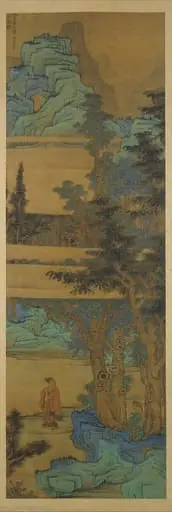 明 陳洪綬 樹下高士圖 軸|Scholar-recluse in blue-green landscape
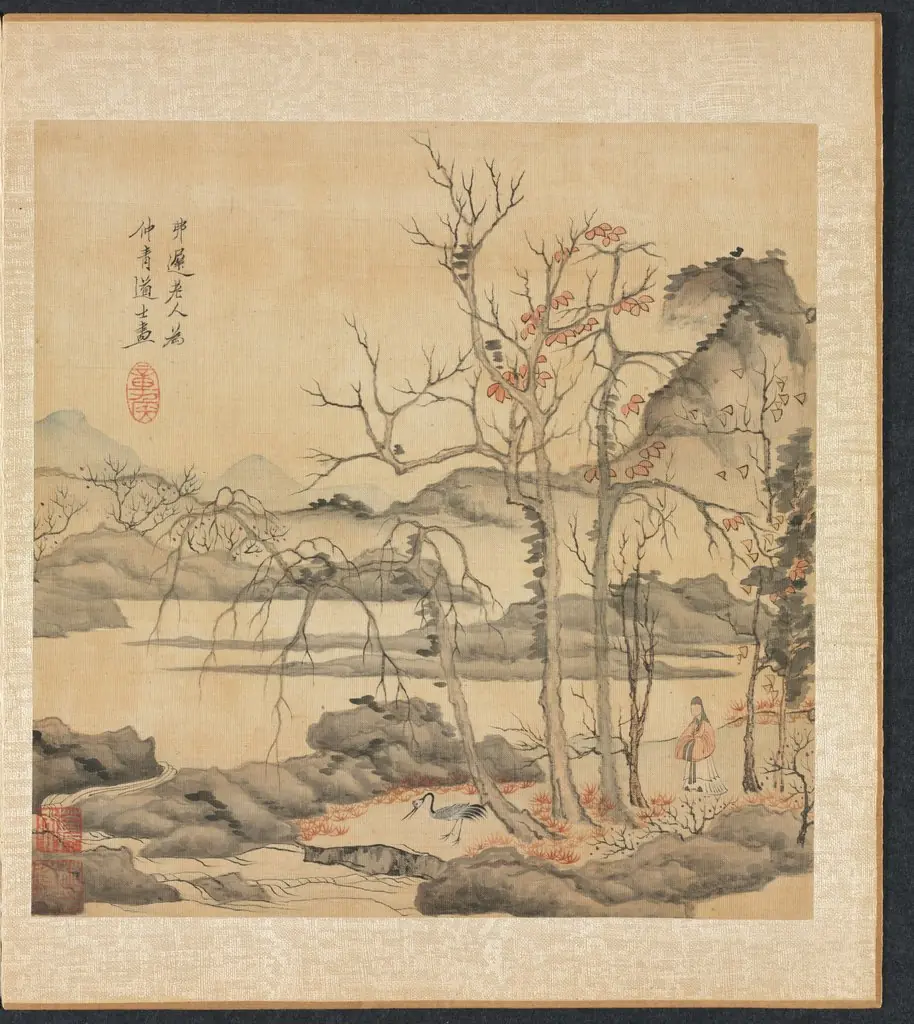 Paintings after Ancient Masters: Daoist and Crane in Autumn Landscape
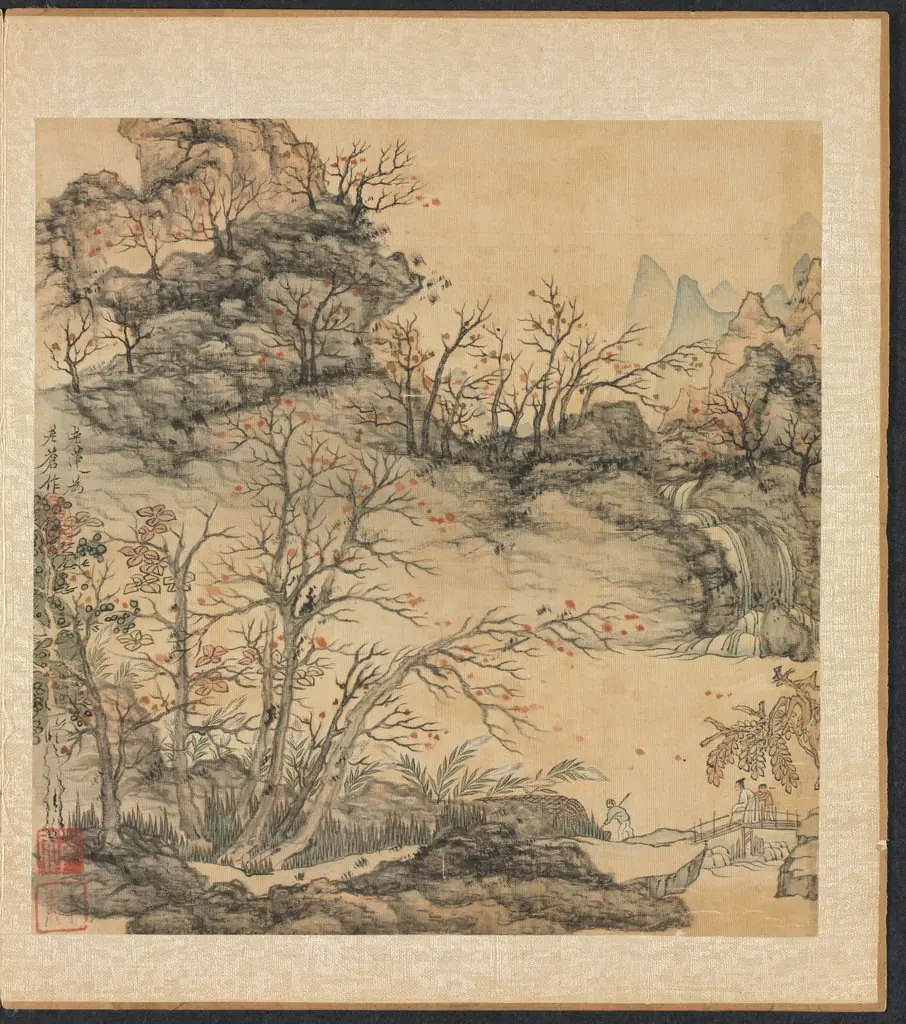 Paintings after Ancient Masters: Autumn Landscape
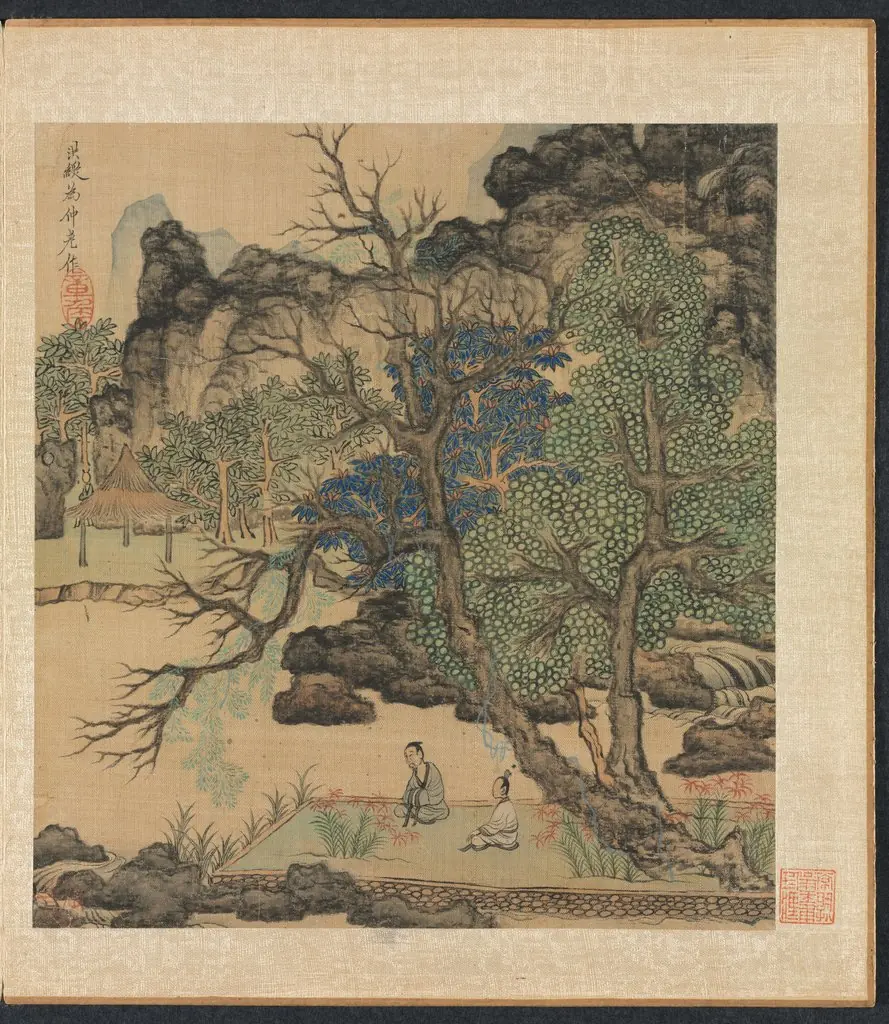 Paintings after Ancient Masters: Scholars in a Garden
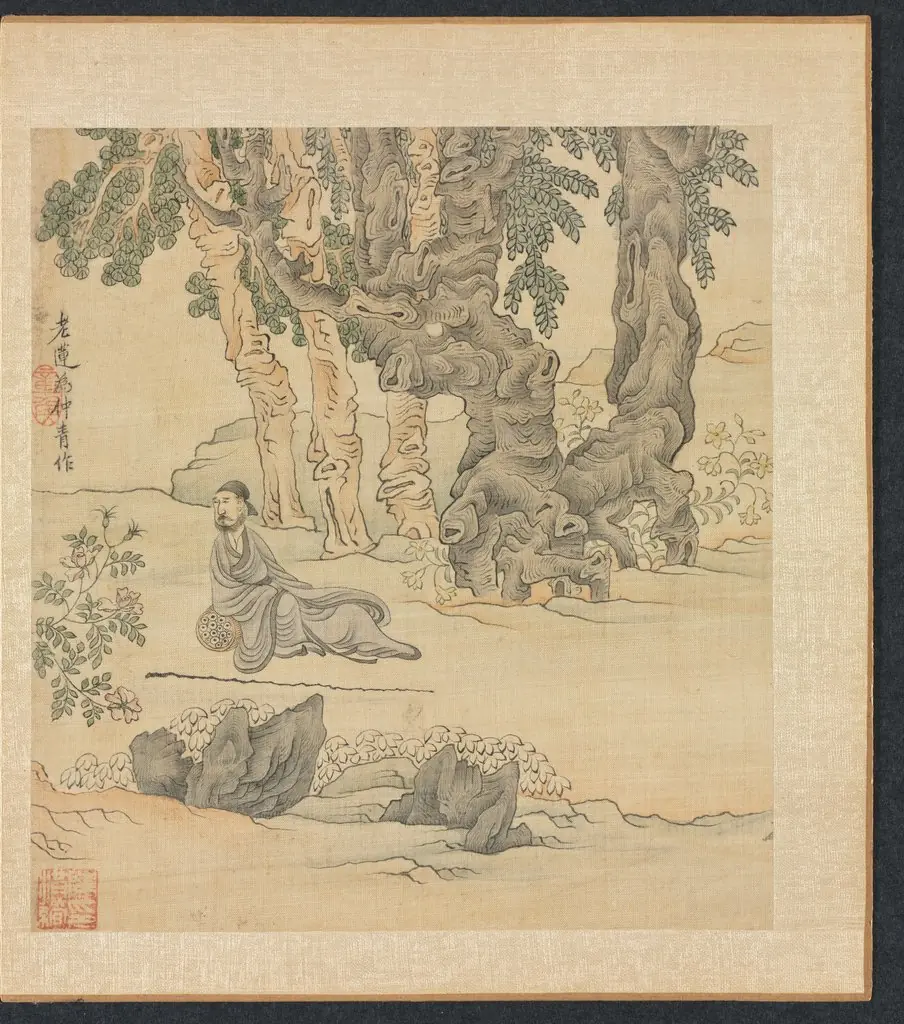 Paintings after Ancient Masters: Portrait of Zhongqing in a Landscape
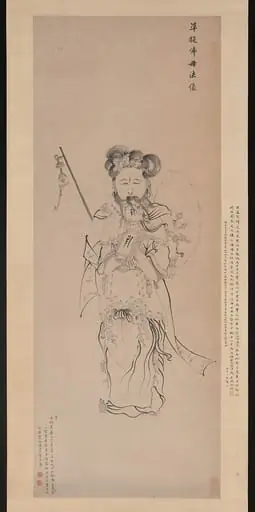 明 陳洪綬 準提佛母法像圖 軸|Bodhisattva Guanyin in the Form of the Buddha Mother
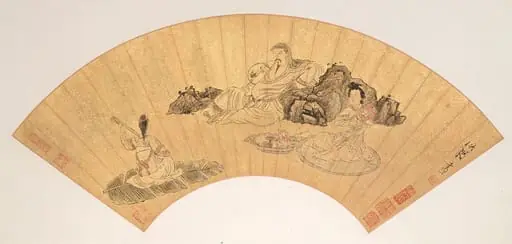 明 陳洪綬 山水花鳥人物圖 扇冊|Landscapes and Flowers
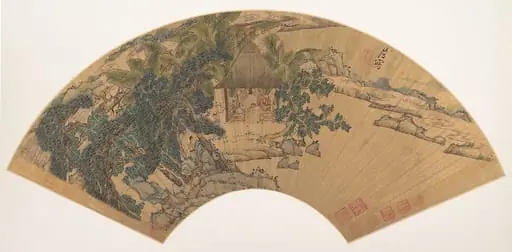 明 陳洪綬 山水圖 扇|Landscape