Artwork
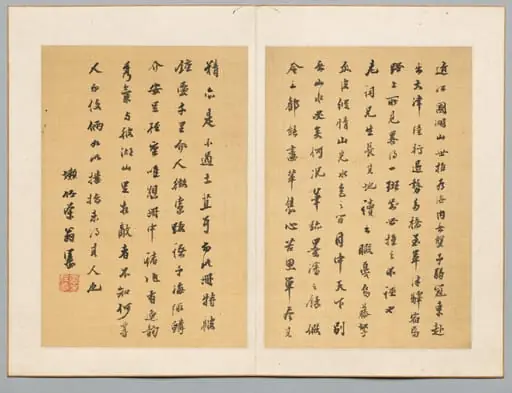
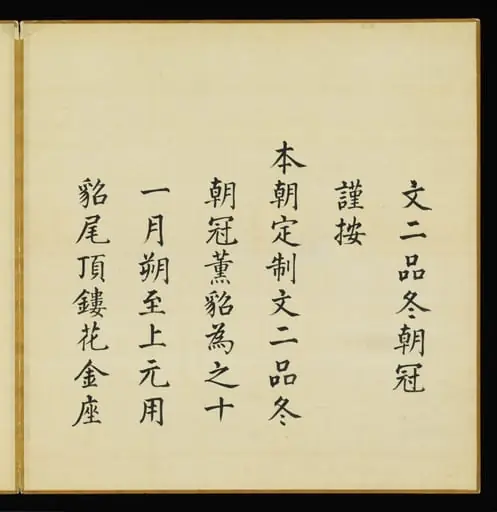
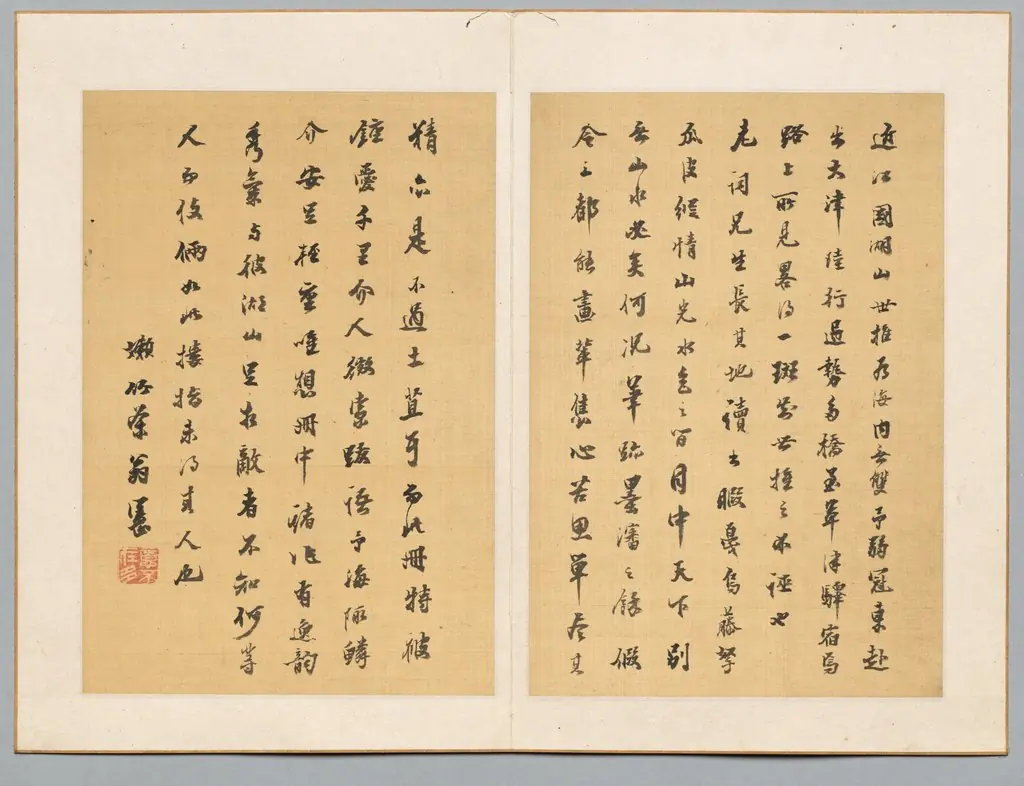
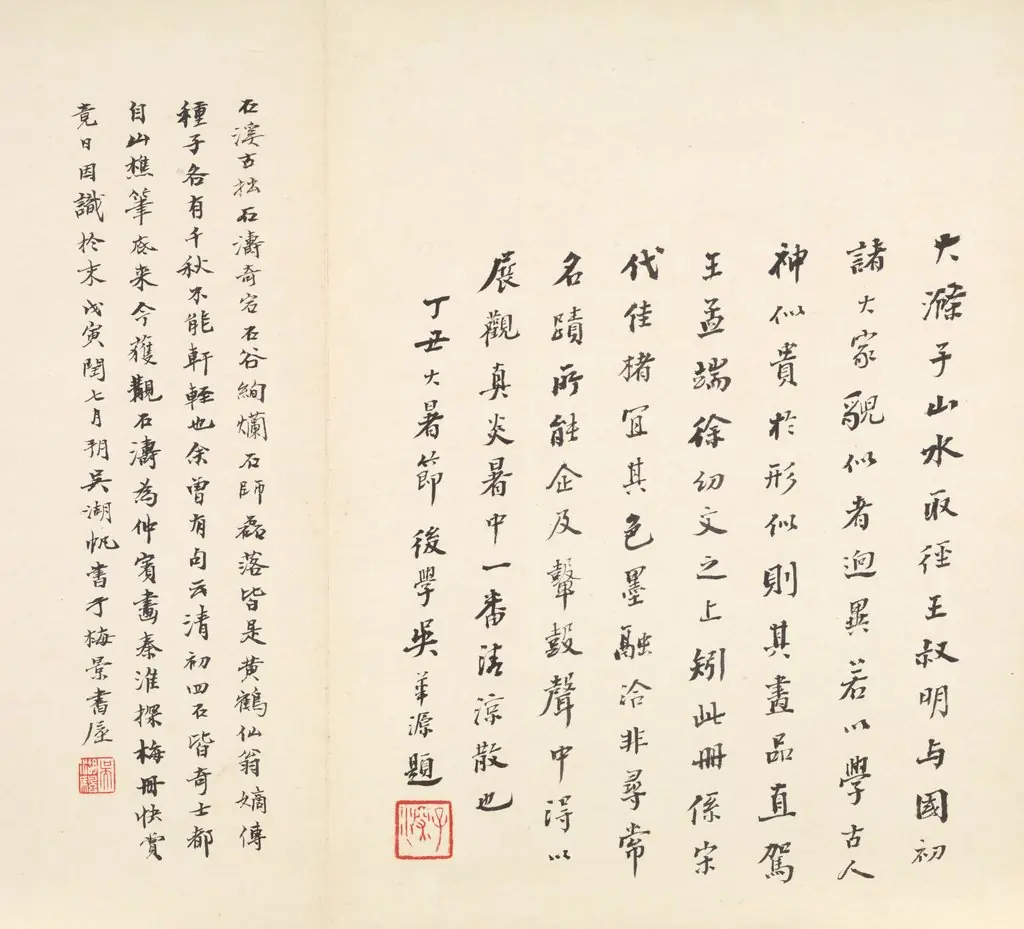
Paintings after Ancient Masters: Calligraphy
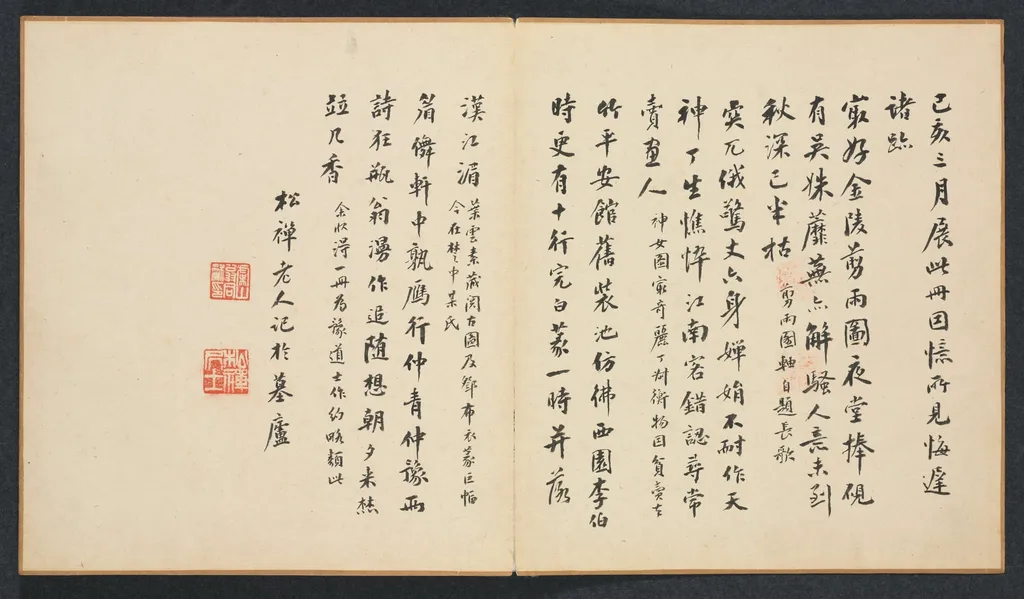
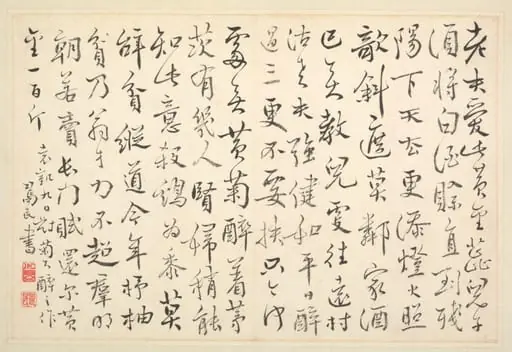
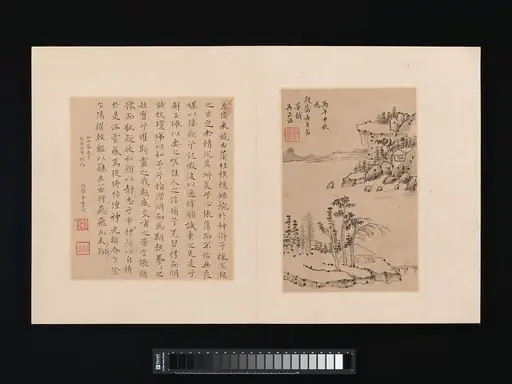
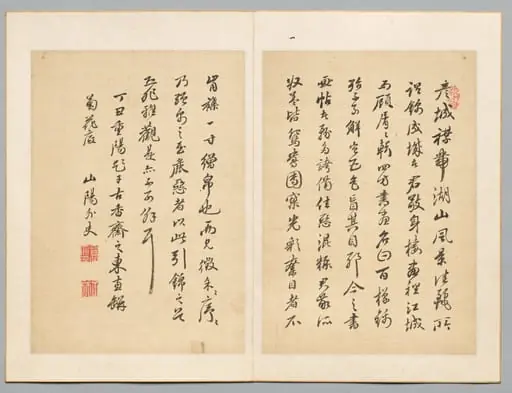
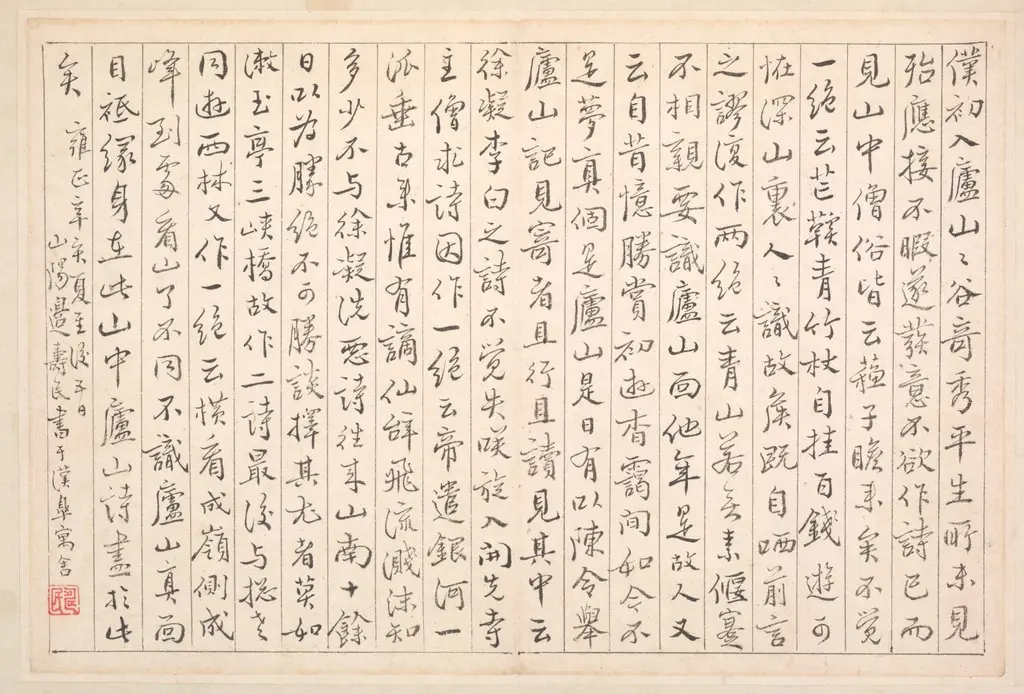
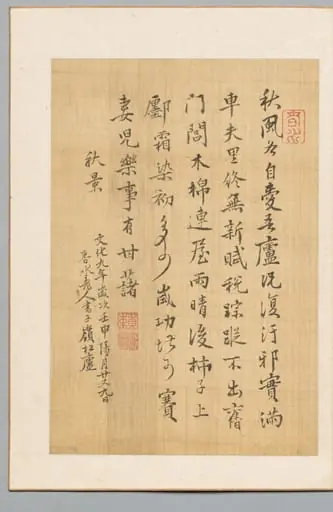
Paintings after Ancient Masters: Calligraphy is an unspecified painting by the Chinese Orthodox School artist Chen Hongshou. It dates from 1625 and is held in the collection of the Cleveland Museum of Art.
About this work
Chen Hongshou copied old masters but gave his figures a sharp, almost modern edge.
This album shows tiny, precise paintings on silk. One leaf features a woman sitting alone under a tree, dressed in ancient robes. Chen Hongshou copied old masters but gave his figures a sharp, almost modern edge.
His lines are thin and controlled, like fine handwriting. The colors stay soft and faded, so the focus stays on the shapes and stories. It feels like a quiet conversation with the past.
His work reminds me of another artist who played with old styles. Look up Chen Hongshou (Chinese, 1598/99–1652) to see more.
Overview
Chen Hongshou’s double album comprises twenty small-scale paintings on silk, blending landscapes, figures, and floral motifs. Created in his final years, the series reflects a deliberate retreat from grandeur, favoring intimate compositions that echo the aesthetics of miniature gardens and scholar’s rocks. One panel uniquely depicts a solitary woman in archaic attire, a rare subject in his later output. The works collectively convey a subdued, introspective mood shaped by the political and cultural upheavals of the Ming-Qing transition.
Subject & Meaning
The figures and scenes in the album evoke a world stripped of public prominence, mirroring the experience of Ming loyalists who lost status after the dynasty’s fall. The solitary woman under a tree, dressed in ancient robes, symbolizes cultural memory and personal isolation. By revisiting classical themes without romanticizing them, Chen conveyed quiet resilience rather than nostalgia, embedding emotional weight in restraint rather than drama.
Technique & Style
Chen employed fine, precise brushwork reminiscent of calligraphy, with thin, controlled lines that define forms with clarity and economy. Colors are muted and faded, allowing silhouette and structure to dominate. His figures, though drawn from historical prototypes, are rendered with a distinctive angularity and elongation that feels both archaic and unexpectedly modern. The scale is deliberately reduced, inviting close, contemplative viewing rather than distant admiration.
History & Provenance
Created between 1640 and 1652, the album belongs to Chen’s late period, following his withdrawal from public life after the collapse of the Ming dynasty. It was likely assembled as a personal meditation rather than a commercial commission. The album remained within scholarly circles, preserving its intimate character. Its survival in near-original condition suggests careful stewardship by collectors who recognized its quiet significance.
Context
Chen worked amid the collapse of Ming authority and the rise of Qing rule, a time when many literati retreated from official life. His art diverged from the prevailing ornate styles, instead embracing archaic forms as a means of cultural preservation. The miniaturization of his subjects paralleled the shrinking horizons of loyalist intellectuals, turning private contemplation into a form of quiet resistance against erasure.
Legacy
Chen’s late works influenced later artists who sought to reconcile tradition with personal expression. His fusion of historical references with idiosyncratic form challenged the notion that revivalism must be derivative. The album’s restrained aesthetic—its quietude, precision, and emotional subtlety—became a touchstone for 18th- and 19th-century painters exploring the boundaries between memory, identity, and artistic inheritance.
Artist & collection


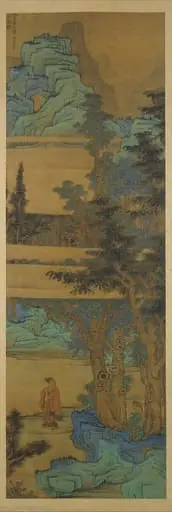 明 陳洪綬 樹下高士圖 軸|Scholar-recluse in blue-green landscape
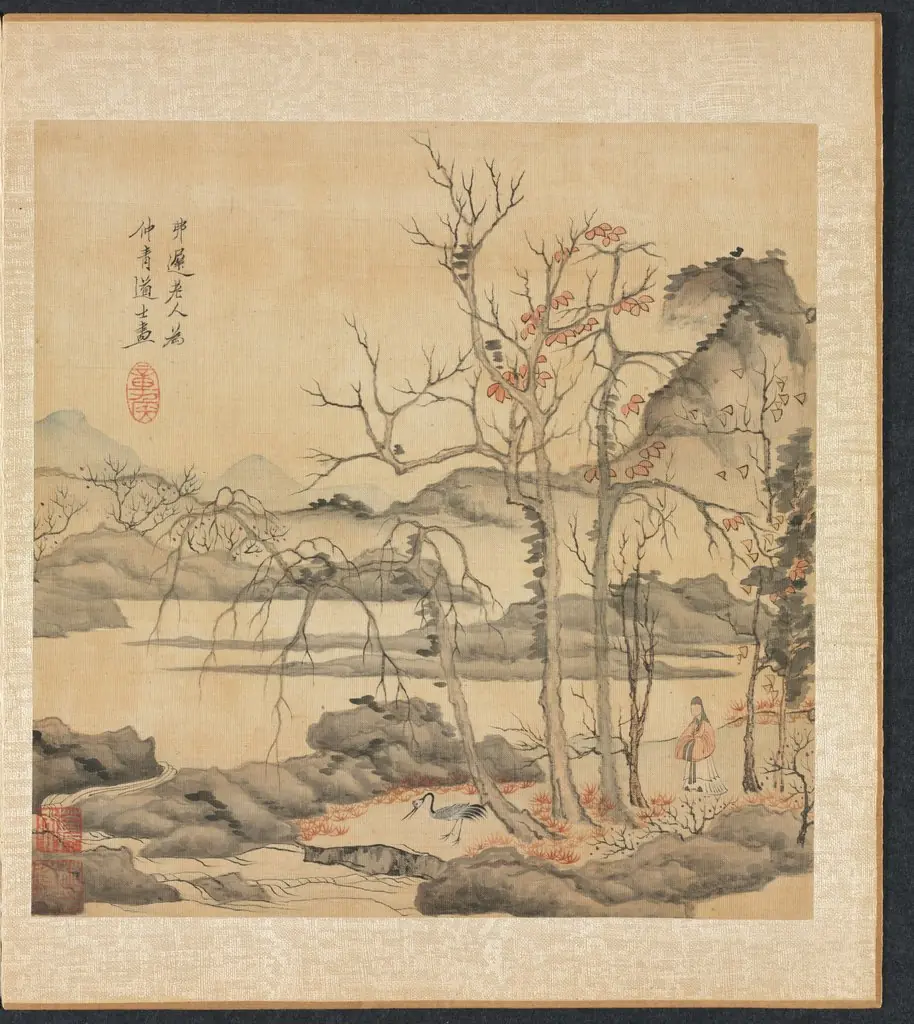 Paintings after Ancient Masters: Daoist and Crane in Autumn Landscape
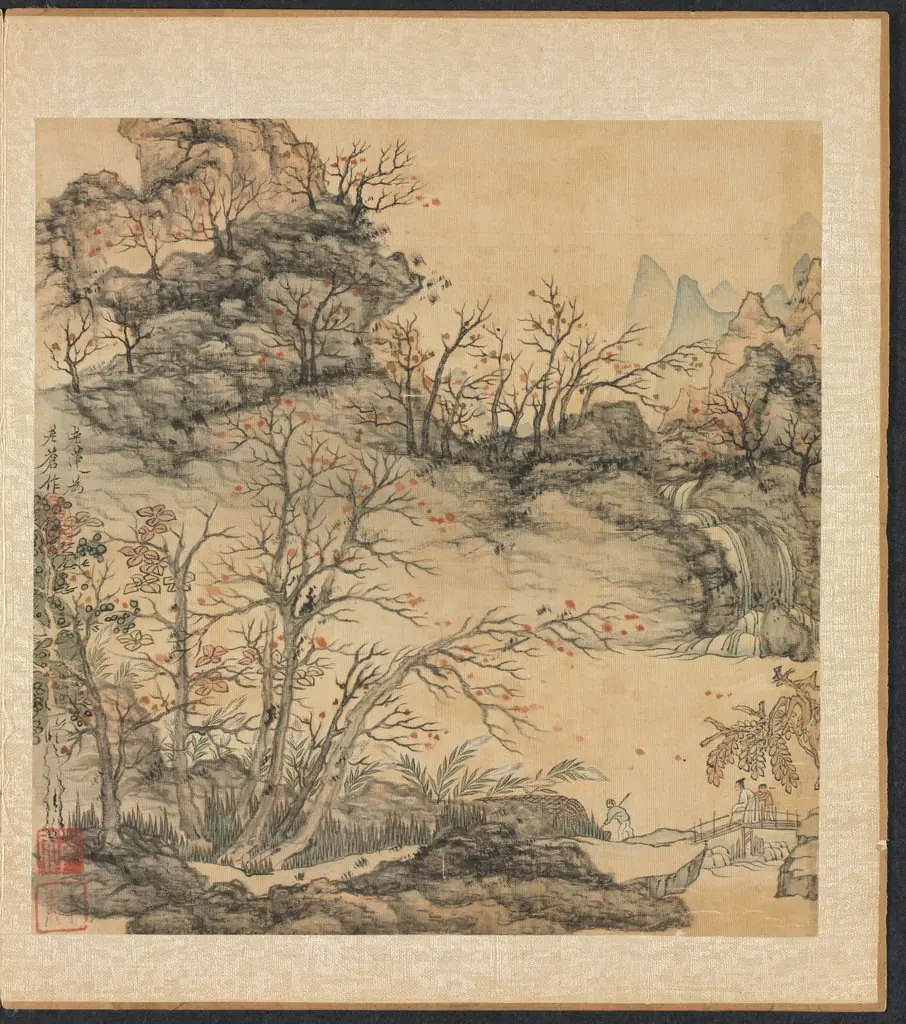 Paintings after Ancient Masters: Autumn Landscape
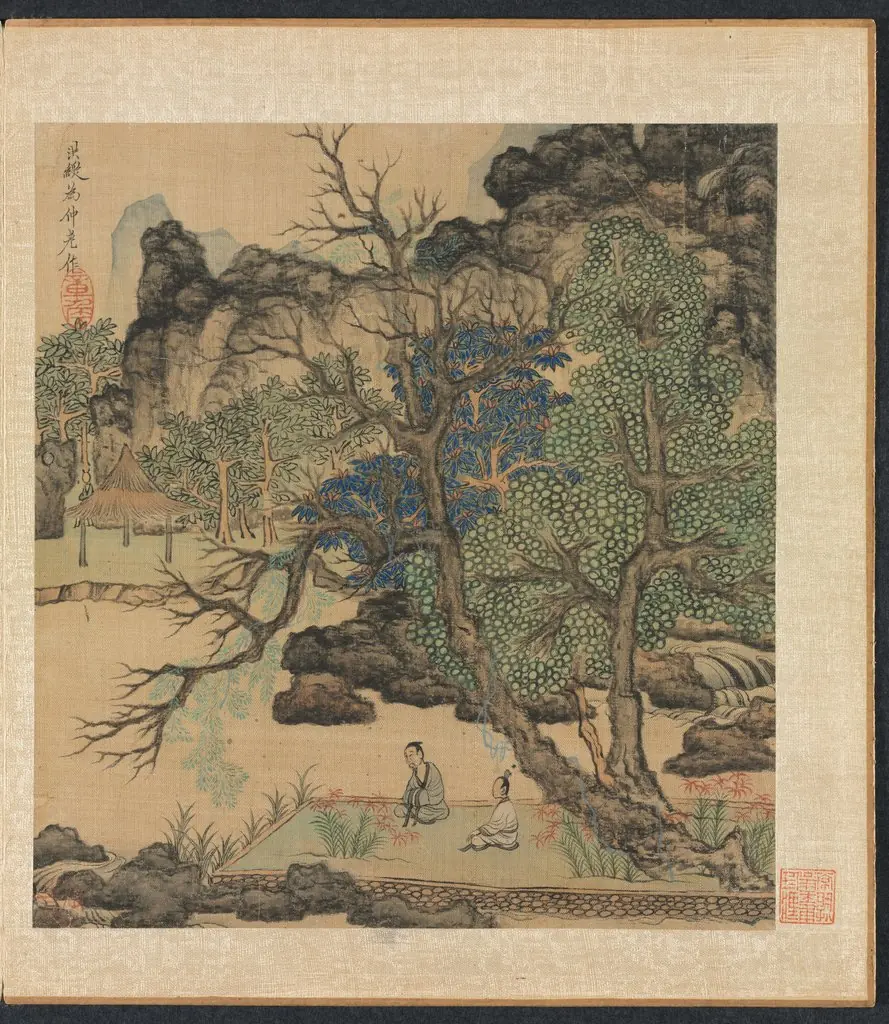 Paintings after Ancient Masters: Scholars in a Garden
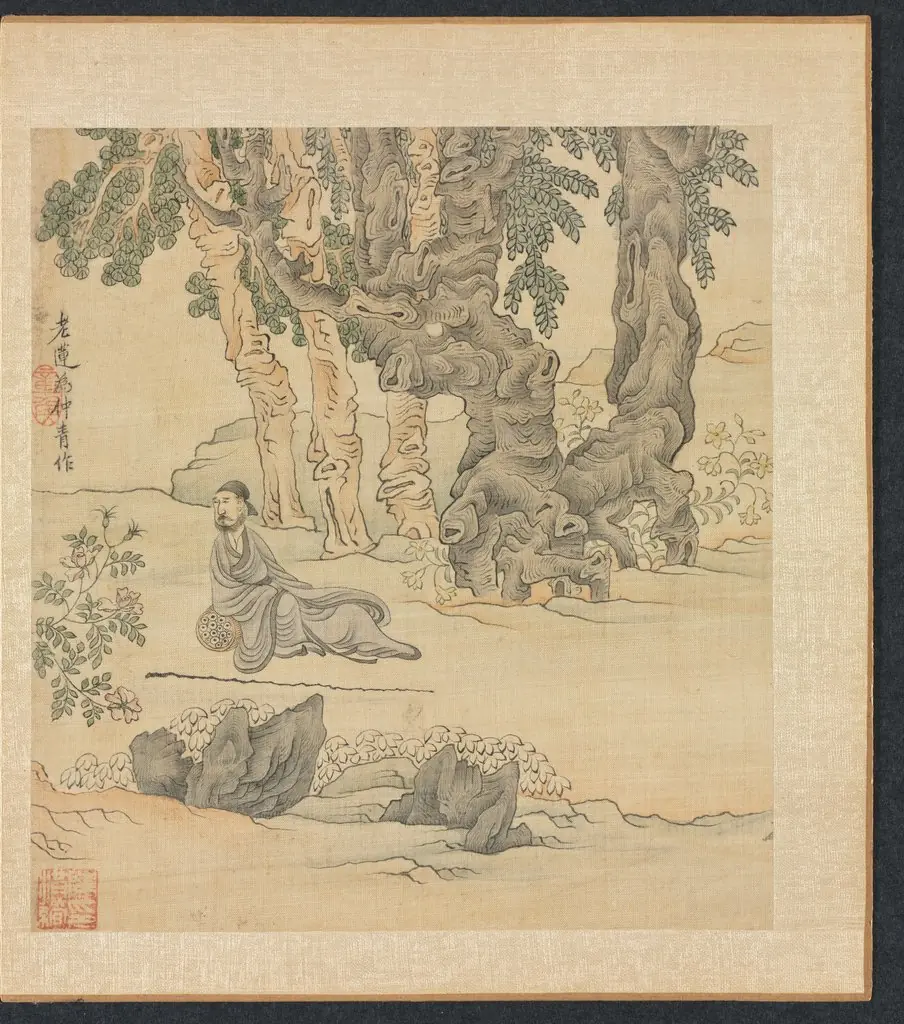 Paintings after Ancient Masters: Portrait of Zhongqing in a Landscape
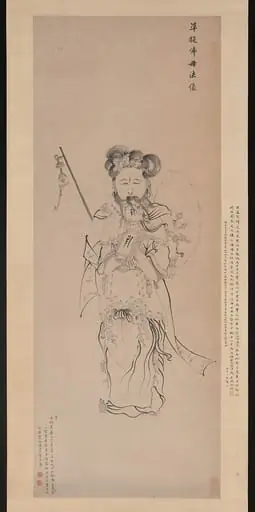 明 陳洪綬 準提佛母法像圖 軸|Bodhisattva Guanyin in the Form of the Buddha Mother
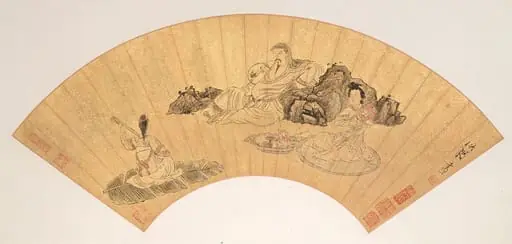 明 陳洪綬 山水花鳥人物圖 扇冊|Landscapes and Flowers
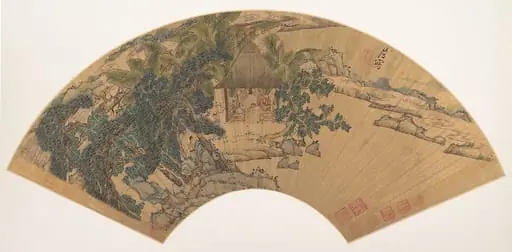 明 陳洪綬 山水圖 扇|Landscape