Artwork
Paintings after Ancient Masters: Laozi Riding an Ox
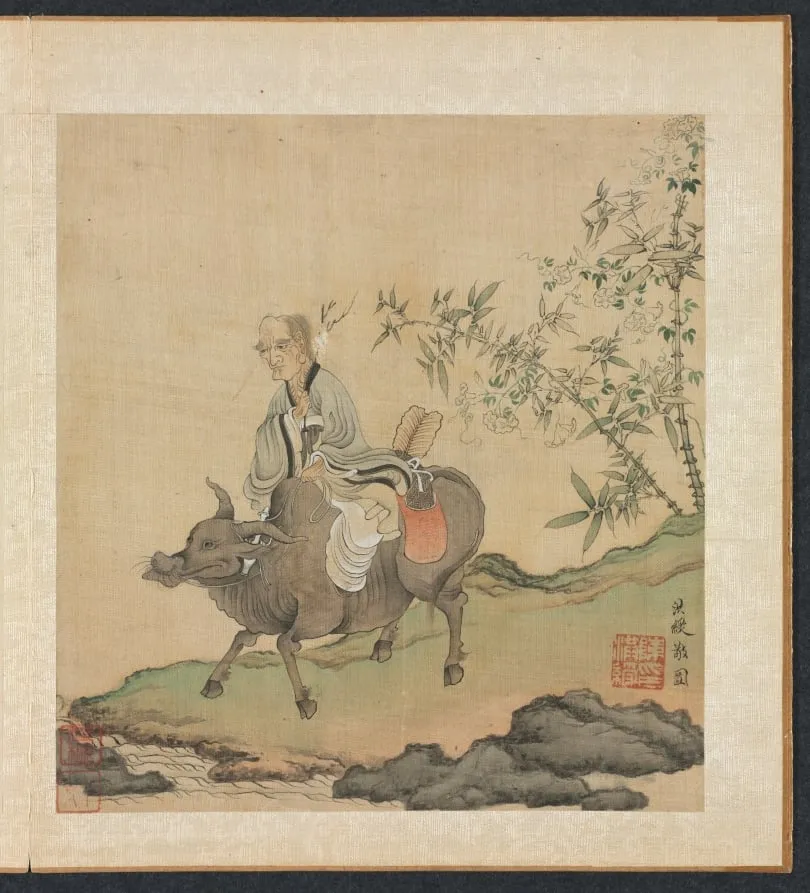
Paintings after Ancient Masters: Laozi Riding an Ox is an unspecified painting by the Chinese Orthodox School artist Chen Hongshou. It dates from 1625 and is held in the collection of the Cleveland Museum of Art.
About this work
The ox looks almost like a toy, and the man’s robe folds in sharp, stiff lines—nothing soft or natural.
You see an old man with a long beard riding a small ox across a blank background.
Chen Hongshou painted this after copying an ancient Chinese story about Laozi, the founder of Daoism. The ox looks almost like a toy, and the man’s robe folds in sharp, stiff lines—nothing soft or natural. That stiffness was on purpose; Chen liked to mix old styles with his own odd twist.
If you like this, look up more works from china, ming dynasty (1368–1644).
Overview
The work belongs to a double‑album of twenty small paintings by Chen Hongshou, a late‑Ming artist noted for his eclectic approach. The album assembles a variety of subjects—landscapes, figures, and floral motifs—alongside a solitary portrait of a woman, a theme rarely seen in his later collections. This particular sheet depicts the legendary Daoist founder Laozi, rendered as an elderly, bearded rider on a diminutive ox against an unadorned background.
Subject & Meaning
The image draws on an ancient Chinese anecdote in which Laozi departs the world riding an ox, a symbol of humility and natural order. By presenting the sage on a toy‑like animal, Chen emphasizes the philosophical notion of simplicity, while the stark, empty space foregrounds the figure’s isolation, echoing the marginalised state of loyalist scholars who felt removed from official life.
Technique & Style
Chen employs a highly refined, archaistic brushwork that accentuates crisp, angular folds in the robe and a rigid, almost sculptural rendering of the ox. The miniature scale of the figures recalls the delicate composition of Chinese scholar’s gardens and the careful arrangement of ornamental rocks, creating a sense of controlled intimacy rather than naturalistic depth.
History & Provenance
Created in the later phase of Chen Hongshou’s career, the painting reflects his mature synthesis of traditional motifs and personal eccentricities. The double‑album, likely compiled for a private collector, remained within Ming‑era circles before entering modern museum holdings, where it serves as a representative example of Chen’s late output.
Context
During the waning years of the Ming dynasty, many officials and scholars faced political disenfranchisement, leading to a collective sense of loss and introspection. Chen’s deliberate reduction of scale and the austere composition of this work mirror that psychological climate, offering a visual metaphor for the constrained existence of the era’s loyalist intelligentsia.
Artist & collection


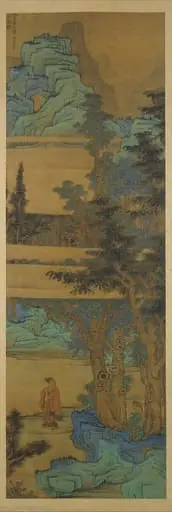 明 陳洪綬 樹下高士圖 軸|Scholar-recluse in blue-green landscape
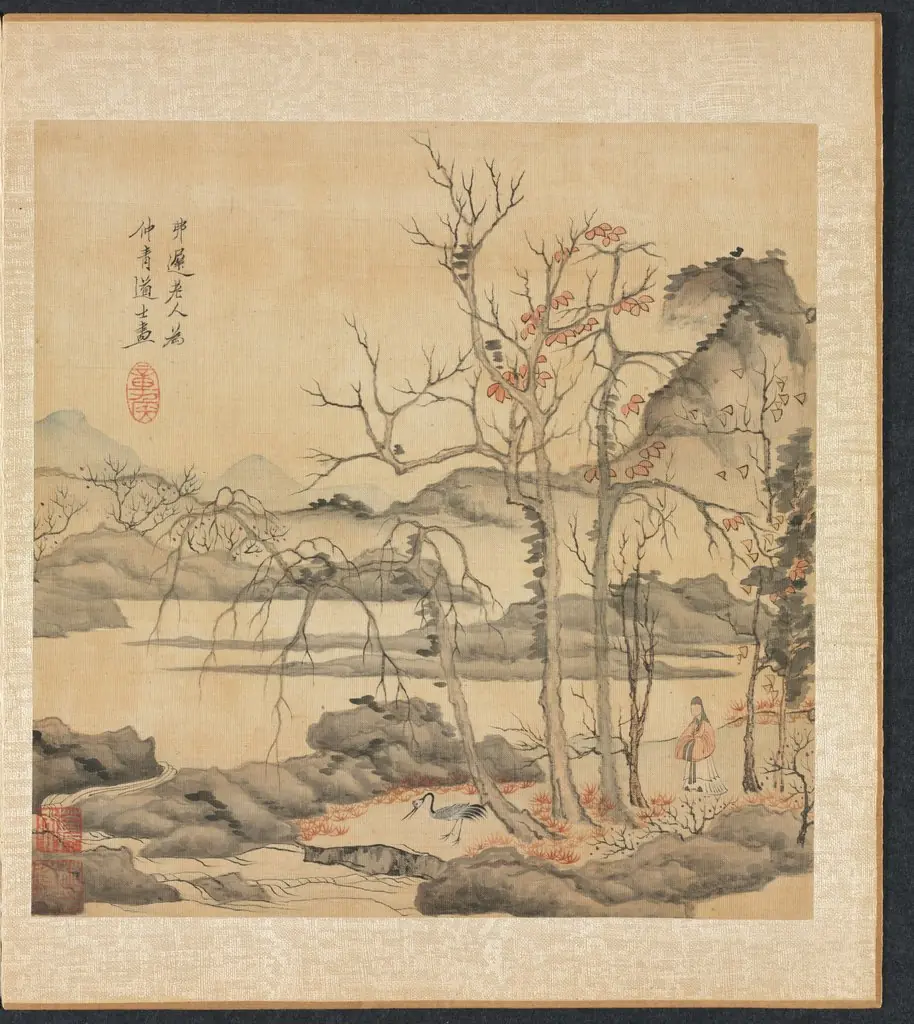 Paintings after Ancient Masters: Daoist and Crane in Autumn Landscape
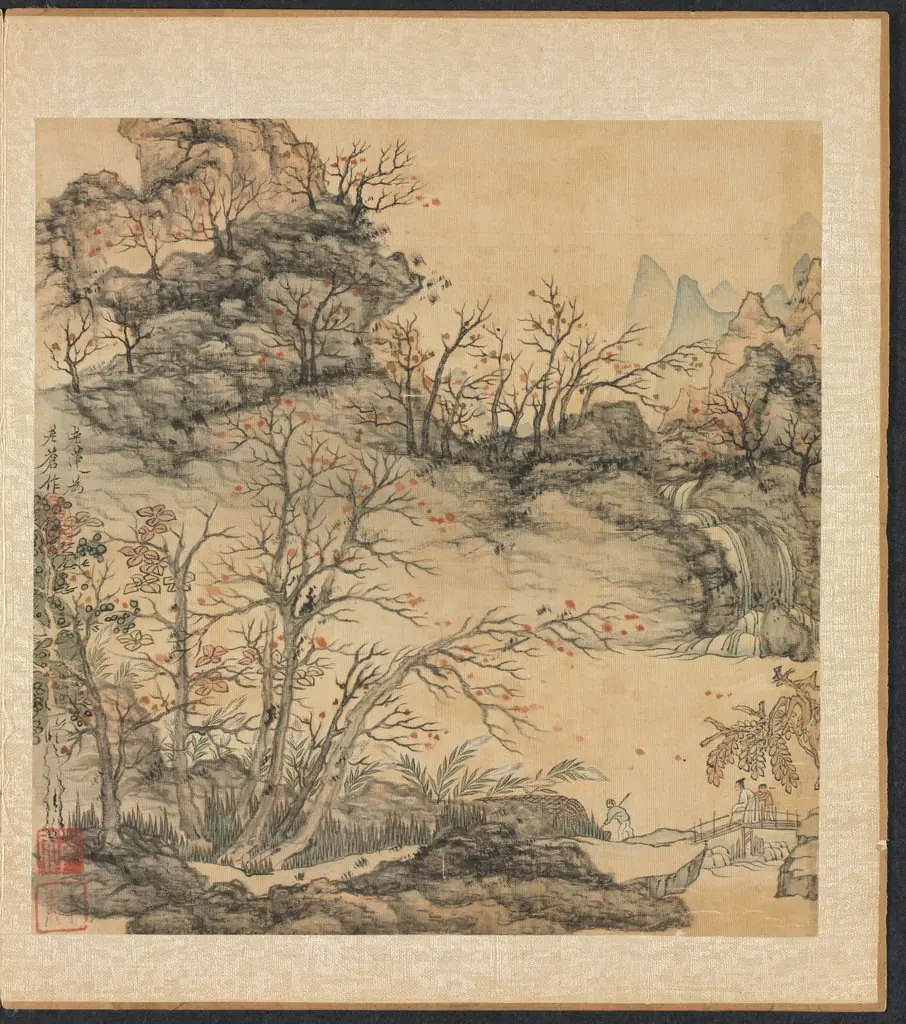 Paintings after Ancient Masters: Autumn Landscape
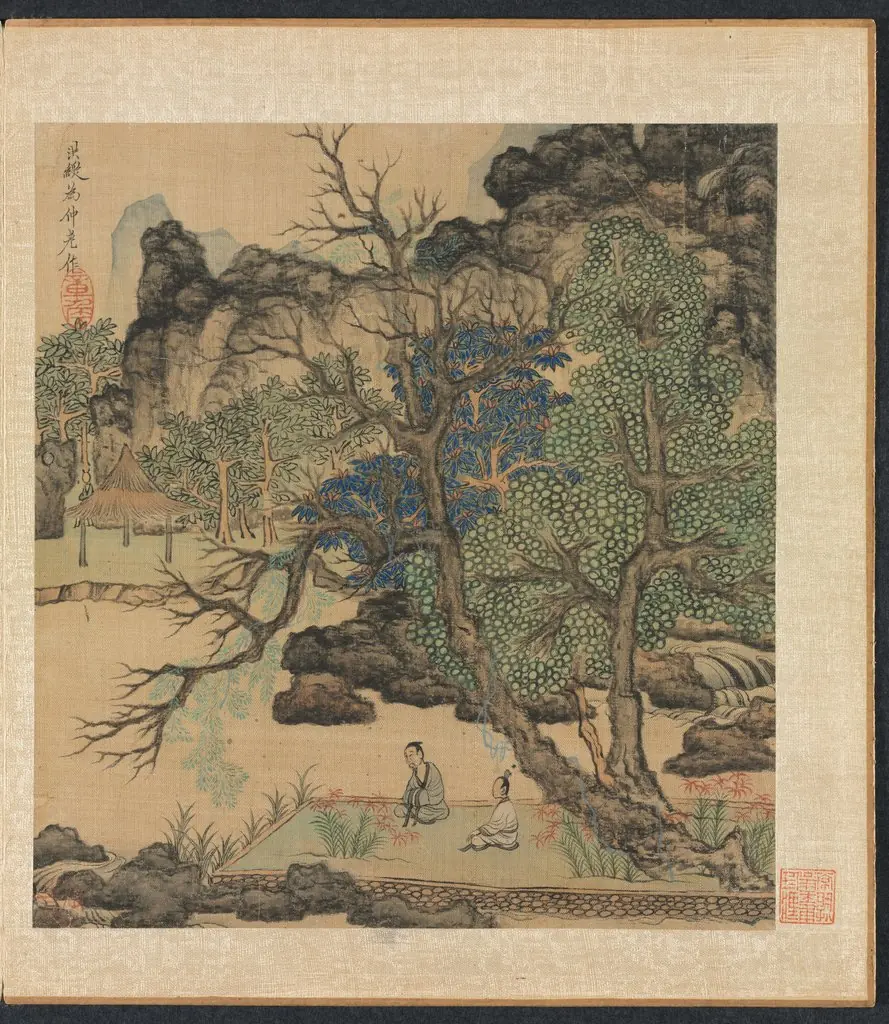 Paintings after Ancient Masters: Scholars in a Garden
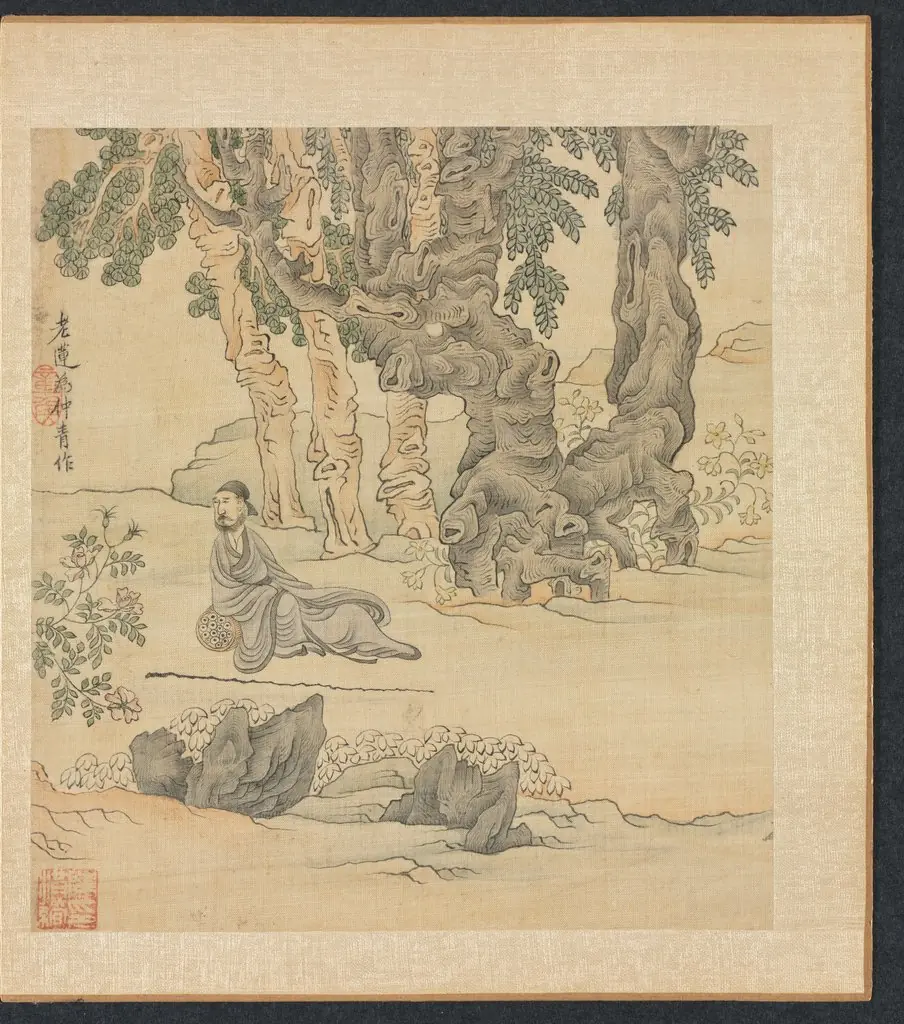 Paintings after Ancient Masters: Portrait of Zhongqing in a Landscape
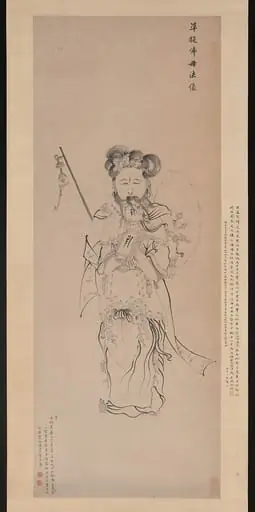 明 陳洪綬 準提佛母法像圖 軸|Bodhisattva Guanyin in the Form of the Buddha Mother
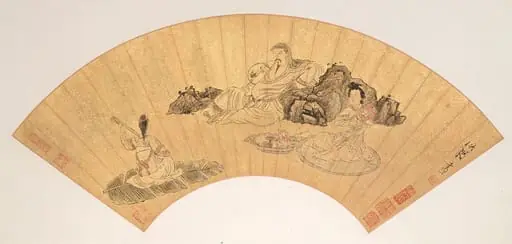 明 陳洪綬 山水花鳥人物圖 扇冊|Landscapes and Flowers
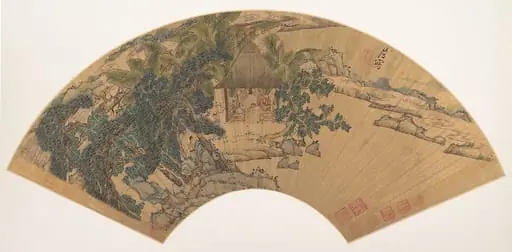 明 陳洪綬 山水圖 扇|Landscape
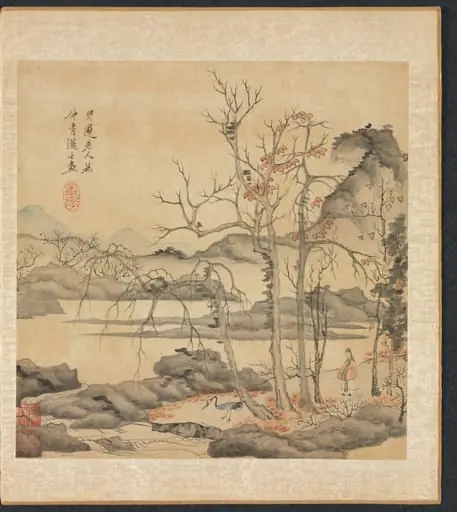 Paintings after Ancient Masters: Daoist and Crane in Autumn Landscape
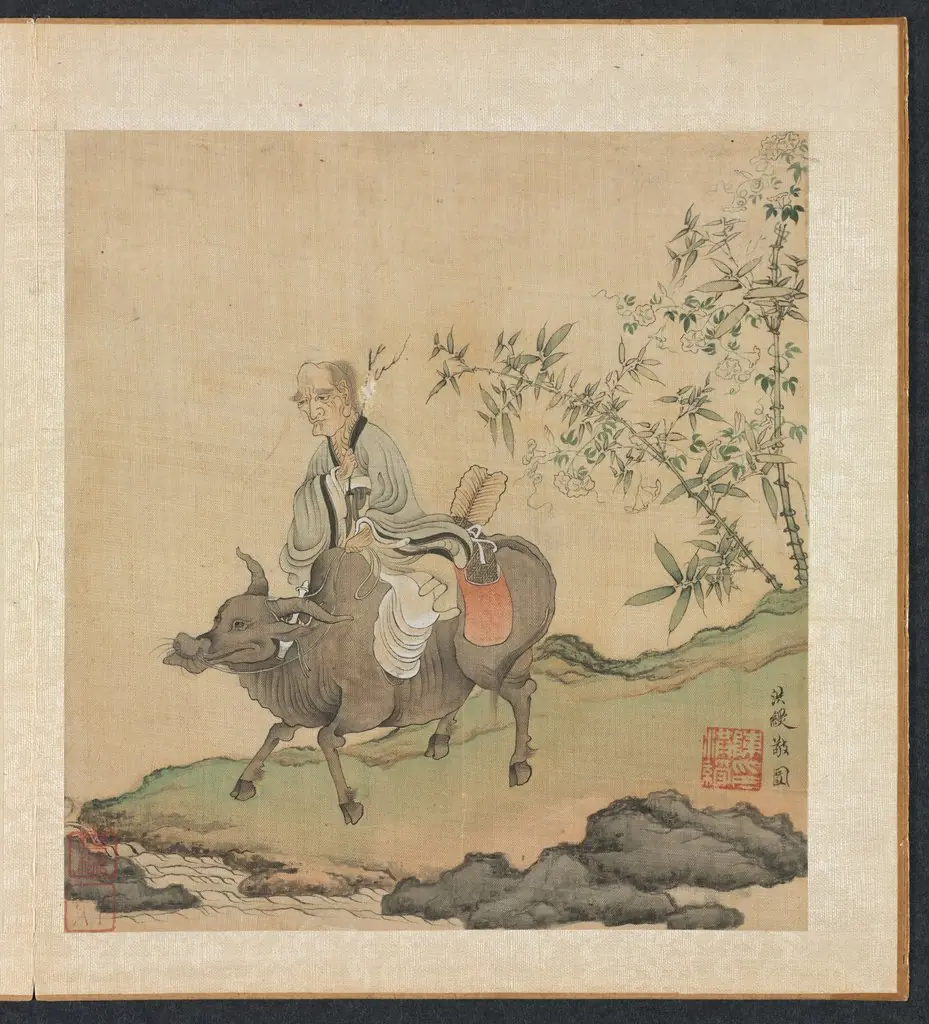 Paintings after Ancient Masters: Laozi Riding an Ox
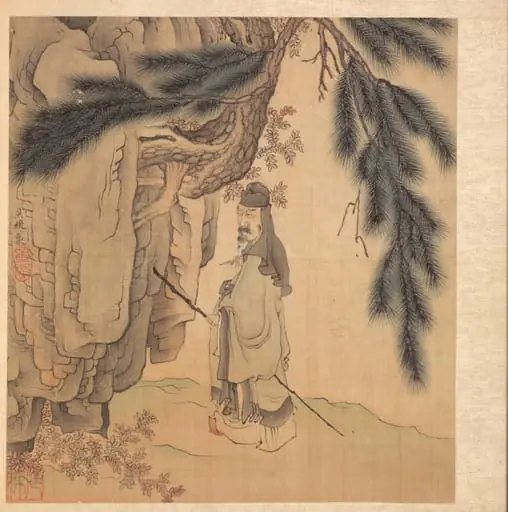 Paintings after Ancient Masters: Scholar with Staff and Brush
![Paintings after Ancient Masters: A Lohan [after Guanxiu], by Chen Hongshou](https://artifactworldgallery.com/img/chen-hongshou--paintings-after-ancient-masters-a-lohan-after-guanxiu--92196fae80c7e0a7-w320.webp) Paintings after Ancient Masters: A Lohan [after Guanxiu]
Paintings after Ancient Masters: A Lohan [after Guanxiu]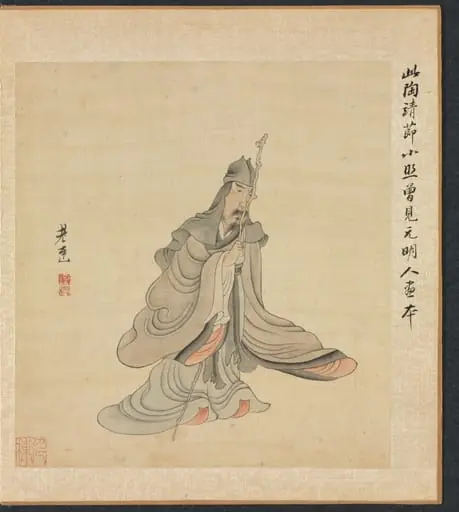 Paintings after Ancient Masters: Portrait of Tao Yuanming
![Paintings after Ancient Masters: A Lohan [after Guanxiu], by Chen Hongshou](https://artifactworldgallery.com/img/chen-hongshou--paintings-after-ancient-masters-a-lohan-after-guanxiu--74d8f5a3d653f674-w320.webp) Paintings after Ancient Masters: A Lohan [after Guanxiu]
Paintings after Ancient Masters: A Lohan [after Guanxiu]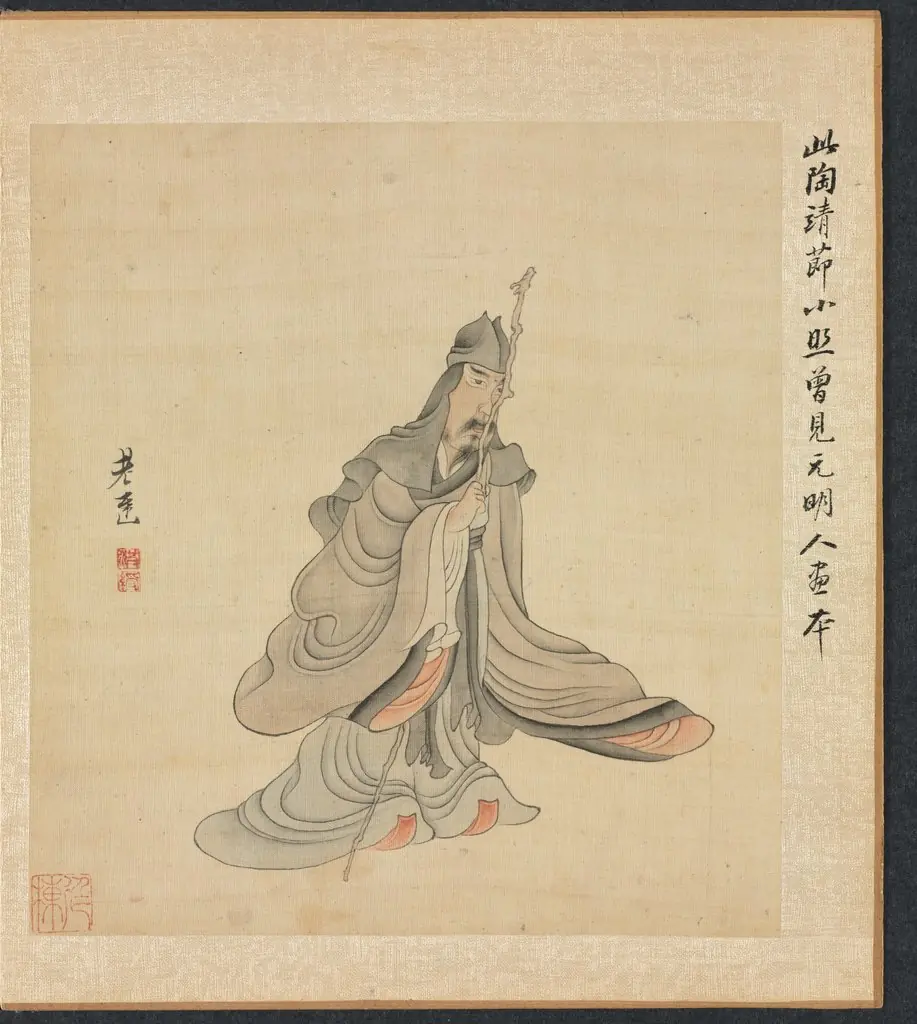 Paintings after Ancient Masters: Portrait of Tao Yuanming
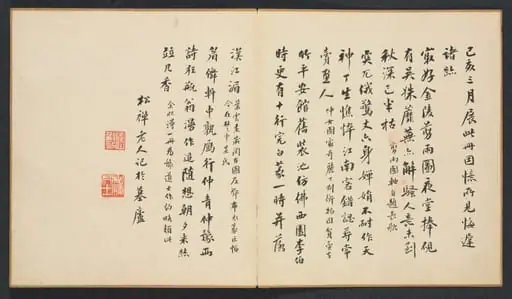 Paintings after Ancient Masters: Calligraphy