Artwork
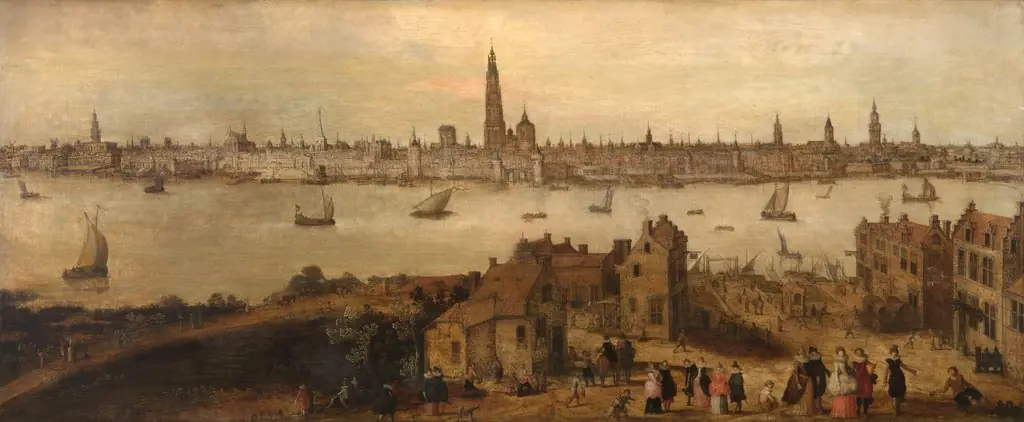
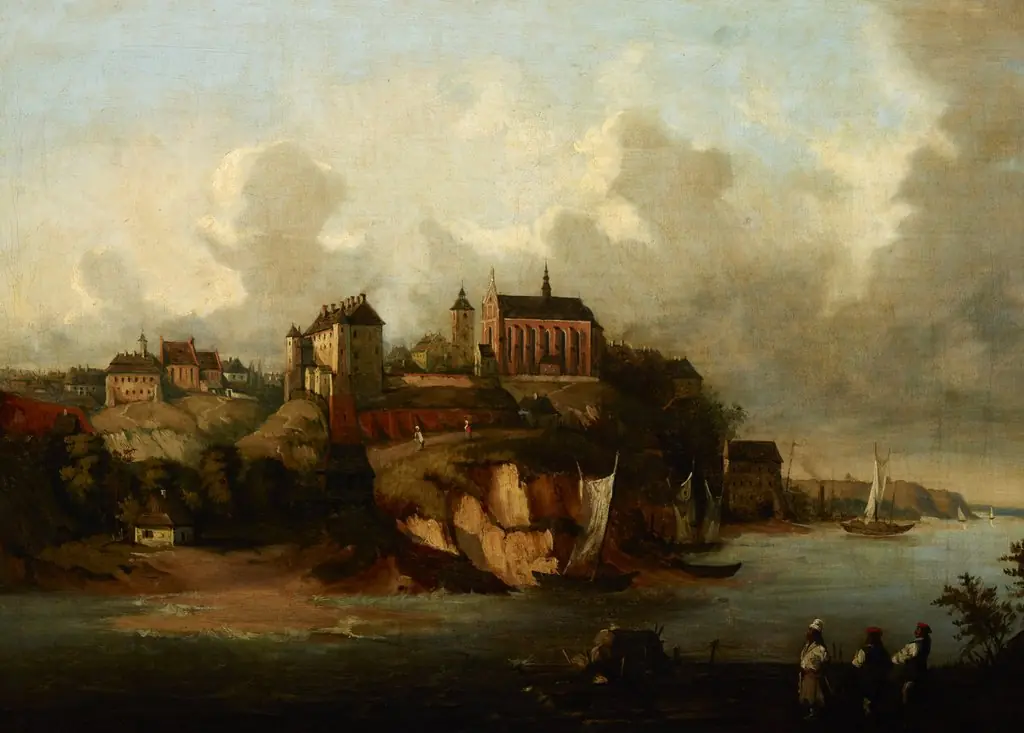
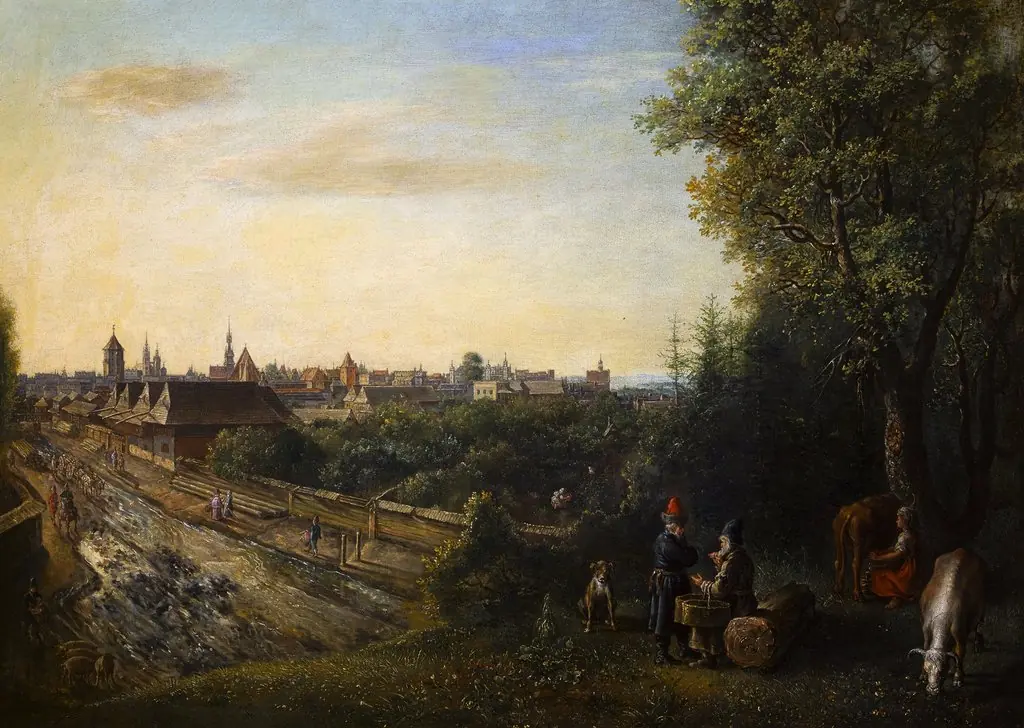
View of Warsaw from Vistula river.
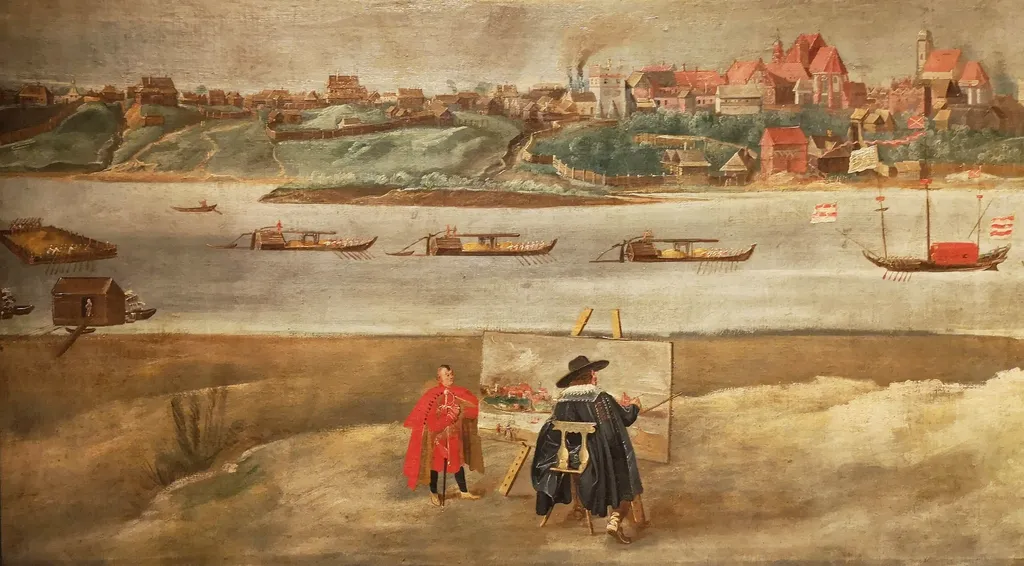
View of Warsaw from Vistula river. is an oil painting by the Dutch Golden Age artist Christian Melich. It dates from 1620 and is held in the collection of the Bavarian State Painting Collections.
About this work
Overview
Painted in 1620 by Christian Melich, this oil on canvas depicts a view of Warsaw as seen from the Vistula River. The work is part of the collection at the Alte Pinakothek in Munich. It captures the city’s skyline with architectural detail and includes figures in period dress observing a smaller painting on an easel, suggesting a layered representation of perception and artistry.
Subject & Meaning
The scene presents Warsaw’s riverside urban landscape with buildings, boats, and trees rendered in muted earth tones.
The scene presents Warsaw’s riverside urban landscape with buildings, boats, and trees rendered in muted earth tones. Two figures in 17th-century attire stand on the bank, gazing at a miniature version of the same view on an easel. This self-referential composition invites reflection on the act of viewing and representing place, possibly commenting on the role of art in documenting or interpreting reality.
Technique & Style
Melich employed oil paint to achieve fine detail in the city’s architecture and natural elements. The brushwork is precise, with careful attention to the textures of rooftops, water, and foliage. The composition balances foreground figures with a distant panorama, using atmospheric perspective to suggest depth. The palette is restrained, dominated by browns, reds, and greens, enhancing the painting’s documentary tone.
History & Provenance
The painting entered the Alte Pinakothek’s collection in the 19th century, though its earlier ownership history remains undocumented. Created during the early Baroque period, it reflects the growing interest in topographical views among Northern European artists. Its survival into modern times is notable, given the destruction Warsaw endured in later centuries.
Context
In the early 1600s, Warsaw was emerging as a political center of the Polish-Lithuanian Commonwealth. Artists like Melich, active in Central Europe, contributed to a tradition of city views that served both civic pride and personal curiosity. This work aligns with contemporary Dutch and German landscape painting, where realism and observation were valued over idealization.
Legacy
Though Christian Melich is not widely known today, this painting stands as a rare visual record of Warsaw before major historical upheavals. Its inclusion in a major European museum underscores its value as a historical document. The self-referential element anticipates later artistic inquiries into representation, making it a quiet precursor to modern meta-painting traditions.
Artist & collection
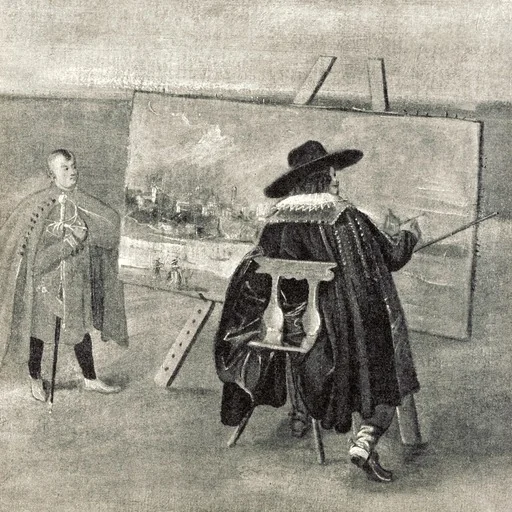
Artist
A Czech painter from the early 1600s, Christian Melich specialized in polished oil portraits and sweeping cityscapes.