Artwork
Portrait of a boy
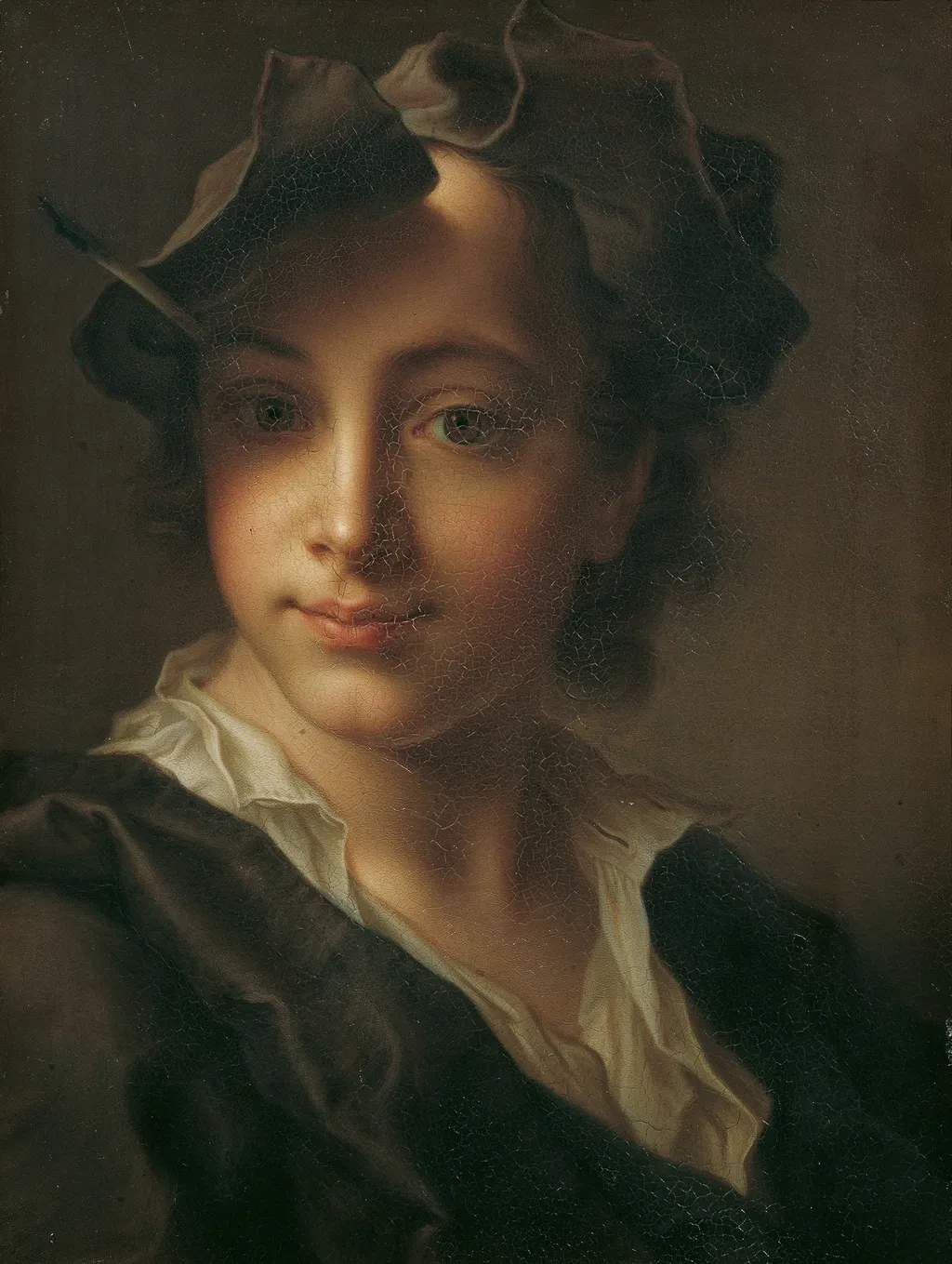
Portrait of a boy is an oil painting by the Rococo painting artist Christian Seybold. It dates from 1747 and is held in the collection of the Kunsthistorisches Museum.
About this work
Overview
Painted in 1747 on a copper support, this portrait by German artist Christian Seybold captures a young boy in quiet contemplation.
Painted in 1747 on a copper support, this portrait by German artist Christian Seybold captures a young boy in quiet contemplation. Executed during the height of the Rococo era, the work reflects Seybold’s focus on intimate, psychologically nuanced portraiture. Unlike grand historical or idealized figures common in the period, this piece centers on an ordinary child, rendered with unusual immediacy and emotional subtlety.
Subject & Meaning
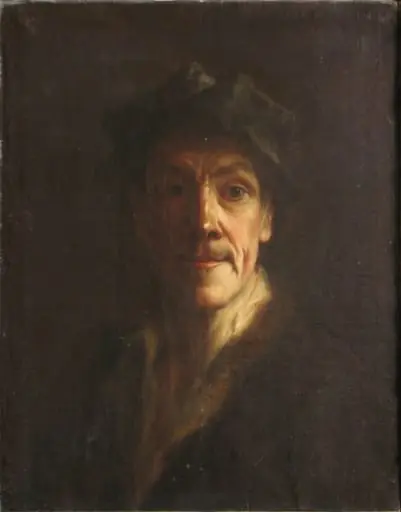
The boy, dressed in a dark jacket and white shirt, wears a hat adorned with a ribbon, suggesting modest affluence. His gaze, slightly lowered, conveys introspection rather than performative poise. The absence of symbolic attributes or elaborate setting shifts focus entirely to his demeanor, inviting the viewer to consider inner life over social status. This quiet realism distinguishes the portrait from conventional aristocratic depictions of youth.
Technique & Style
Seybold employed chiaroscuro to model the boy’s face with soft, directional light against a deep, unbroken background. The copper support allowed for fine detail and a smooth, luminous finish, enhancing the skin’s texture and the sheen of fabric. Brushwork is precise yet unobtrusive, avoiding theatricality. The contrast between the illuminated face and shadowed surroundings heightens the psychological presence of the subject.
History & Provenance
The painting entered the collection of the Kunsthistorisches Museum in Vienna, where it remains today. Seybold, active in Vienna and Prague, was known for his character studies and self-portraits, often commissioned by court circles. While few of his portraits survive in large numbers, this work exemplifies his reputation for capturing individuality with restrained elegance, likely produced during his mature period in the 1740s.
Context
In mid-18th-century Central Europe, portraiture was increasingly valued for personal expression beyond dynastic representation. Seybold’s focus on unidealized youth aligns with a broader shift toward psychological realism, even within Rococo’s ornamental trends. His use of copper—a less common support than canvas—reflects a preference for durability and fine detail, favored by artists seeking precision in small-scale works.
Legacy
Seybold’s portrait of the boy stands as a quiet testament to the growing interest in individual character during the Enlightenment. Though not widely reproduced, its influence can be seen in later 18th-century genre portraits that prioritized emotional authenticity over social display. The work continues to be studied for its technical finesse and its departure from the grandiosity typical of the period.
Own this work as a print
Artist & collection
Artist
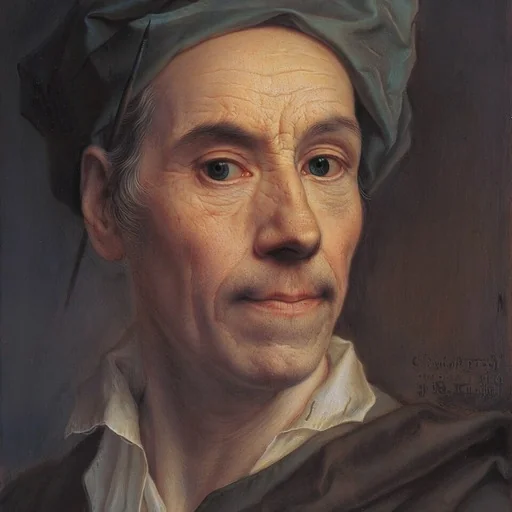
Christian Seybold (19 March 1695, Neuenhain, Bad Soden - 29 September 1768, Vienna) was a German painter in the Baroque style.

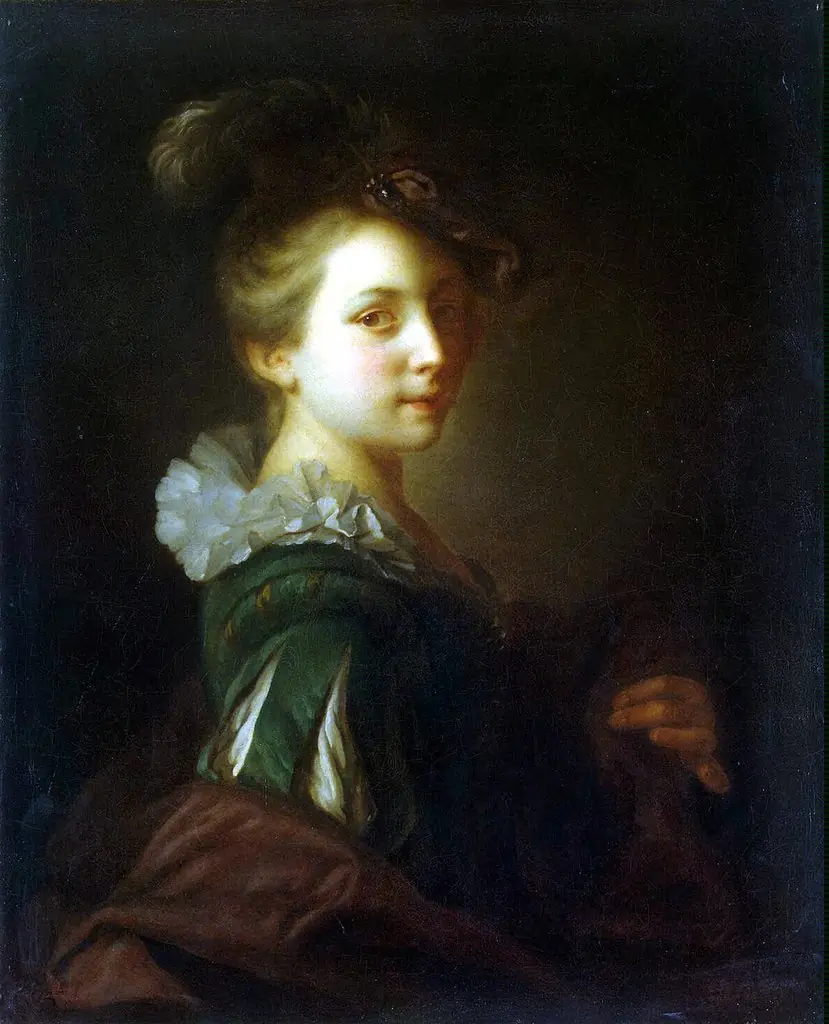 Young Woman in Theatrical Costume
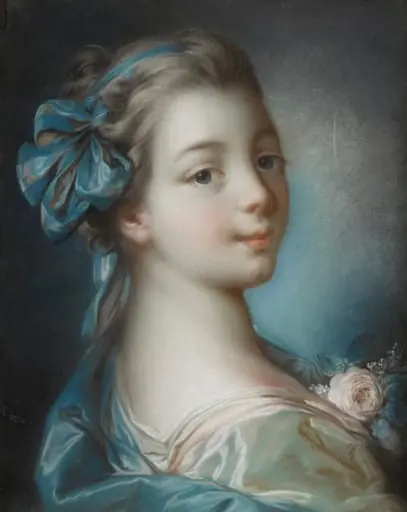 Nuori tyttö
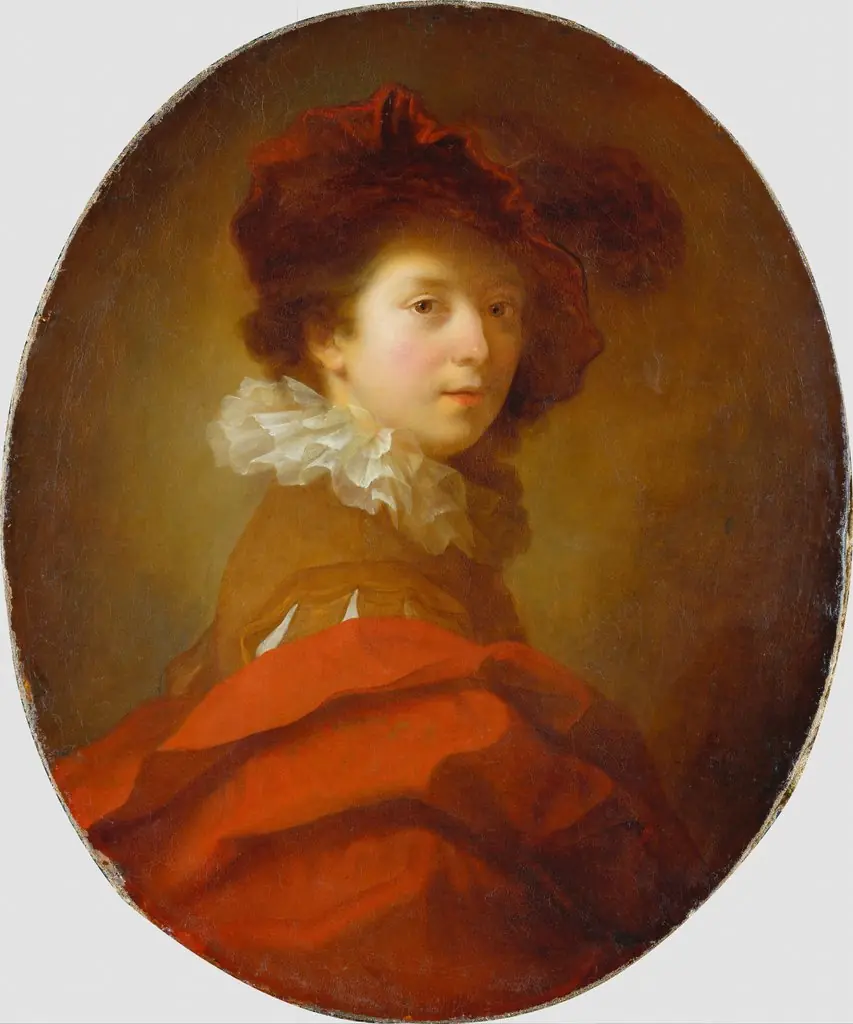 Half-length figure of a young man
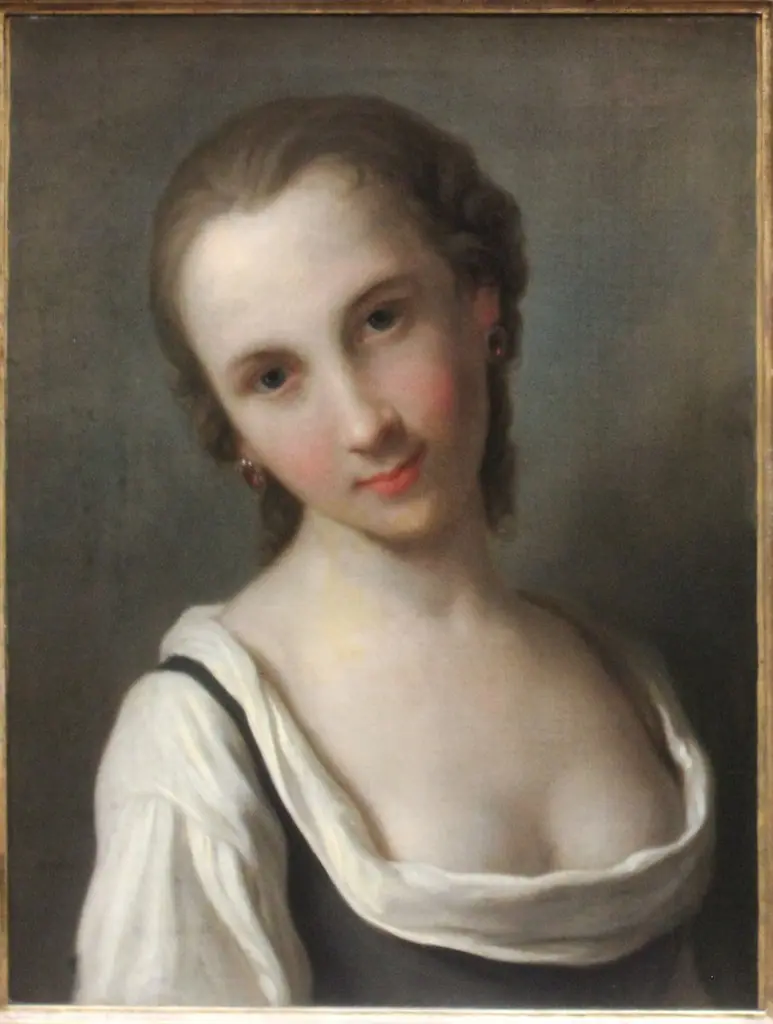 Girl with low neckline
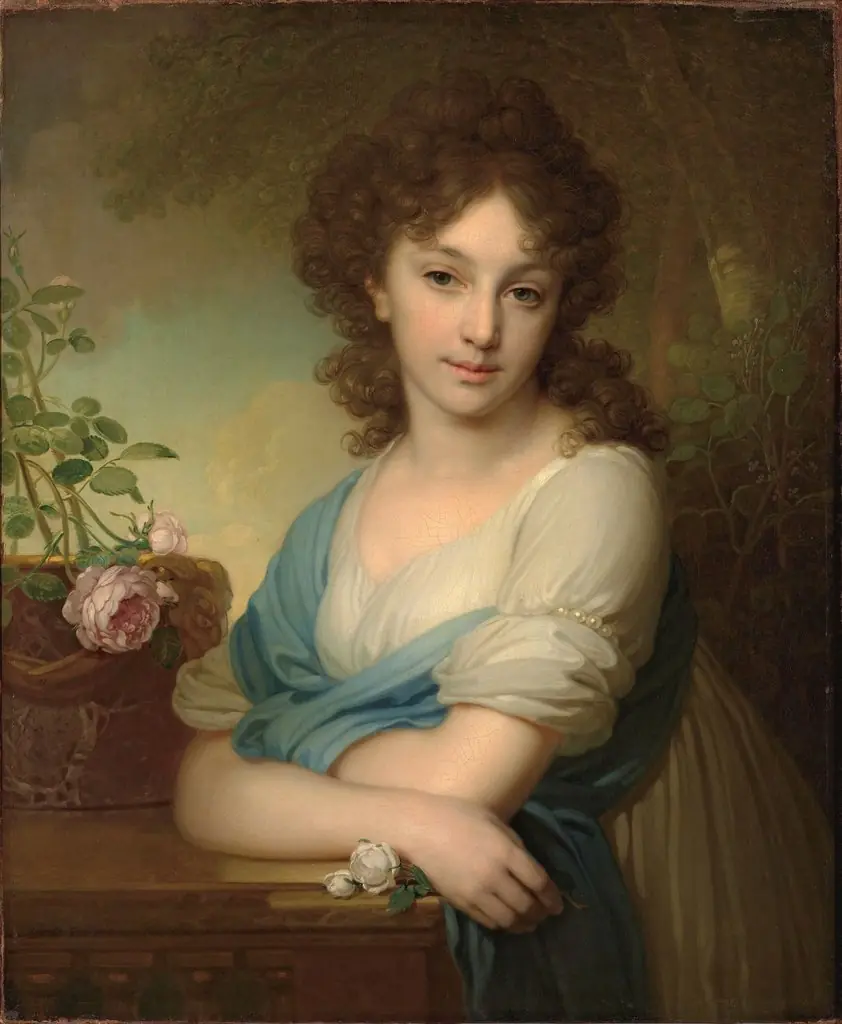 Portrait of Elena Aleksandrovna Naryshkina (1785-1855)
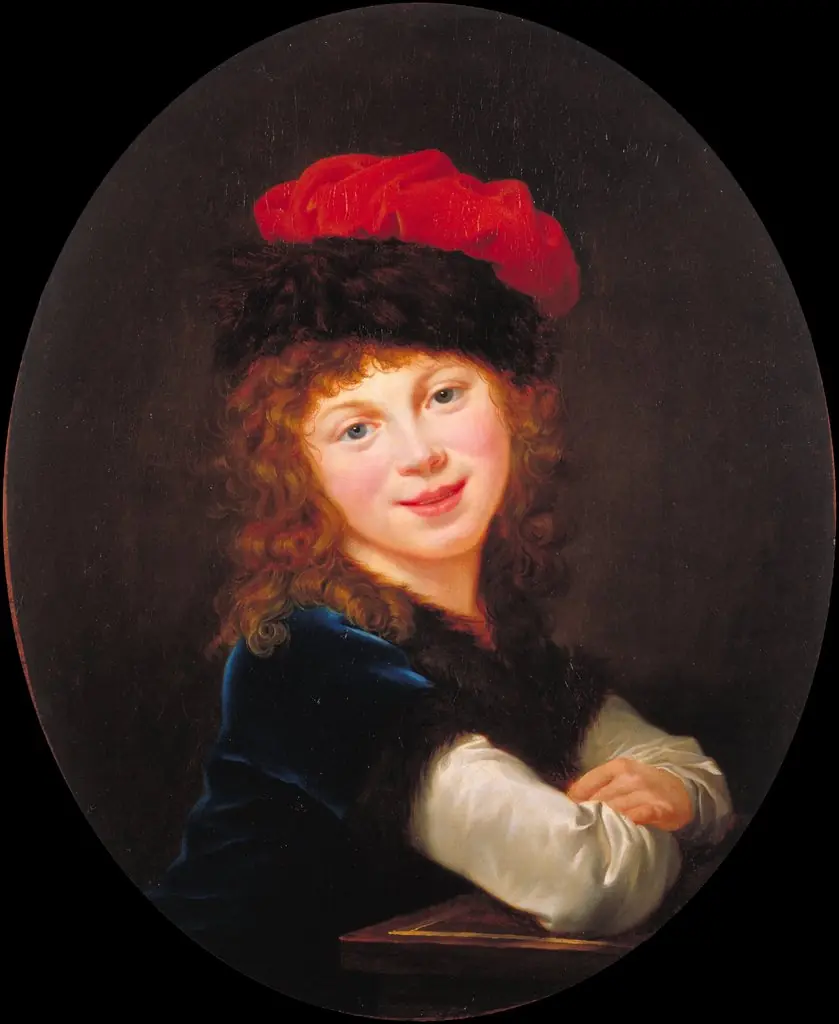 Portrait of a Girl
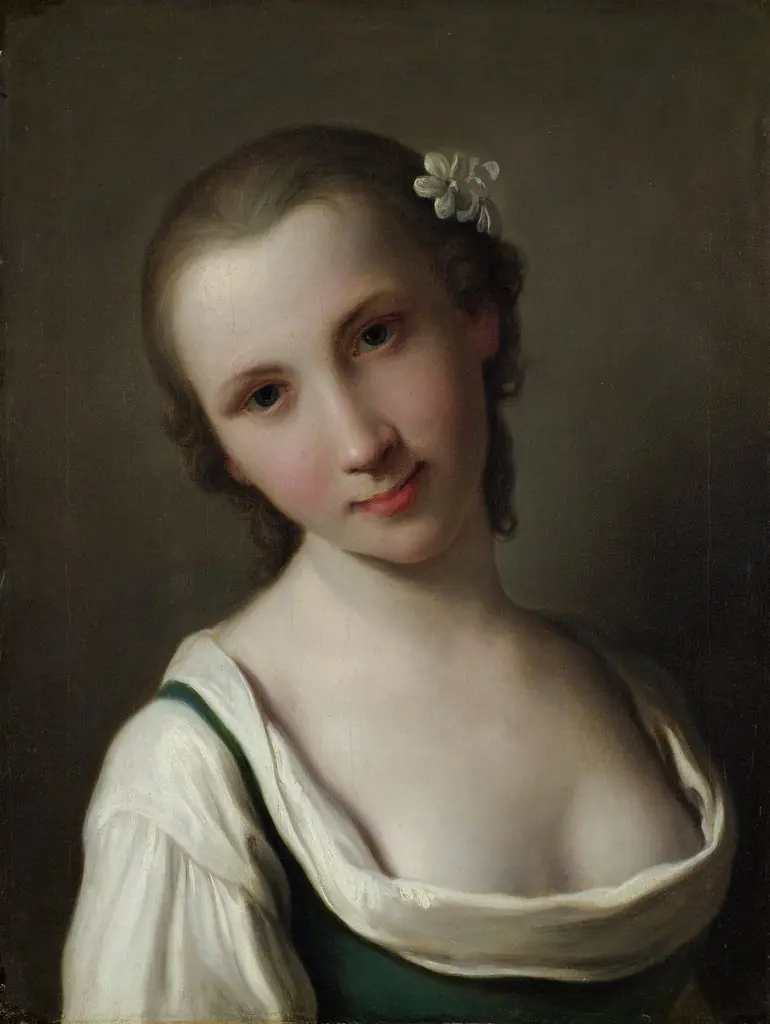 A young Woman
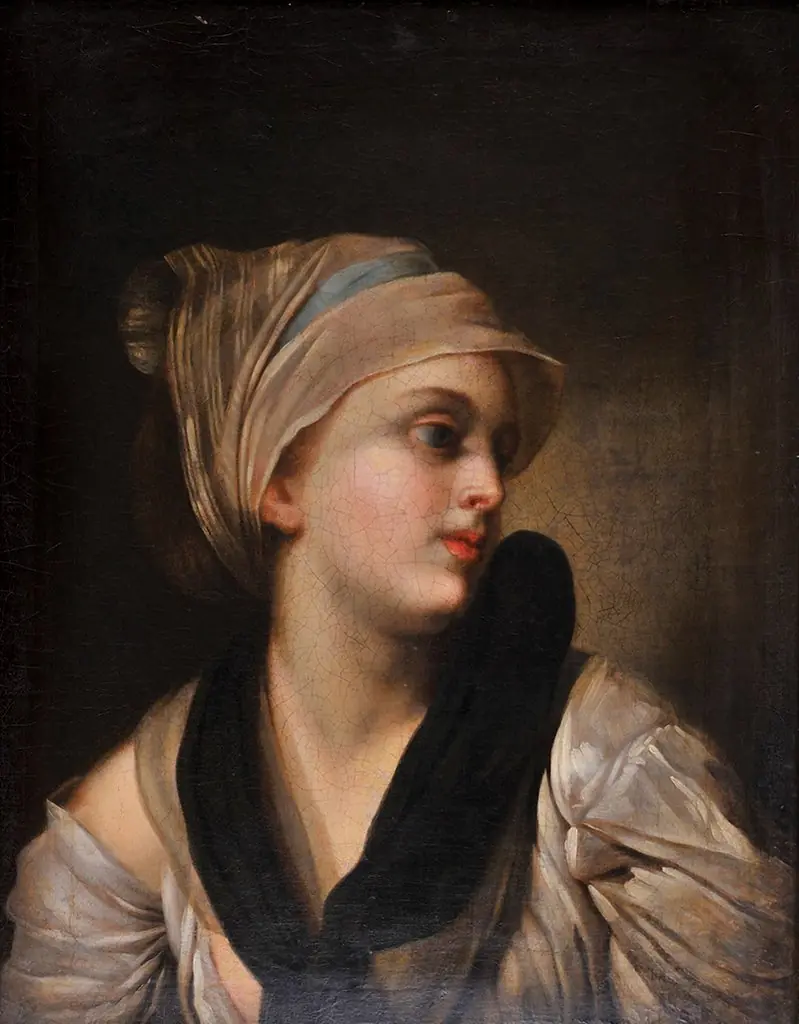 Portrait of a young woman
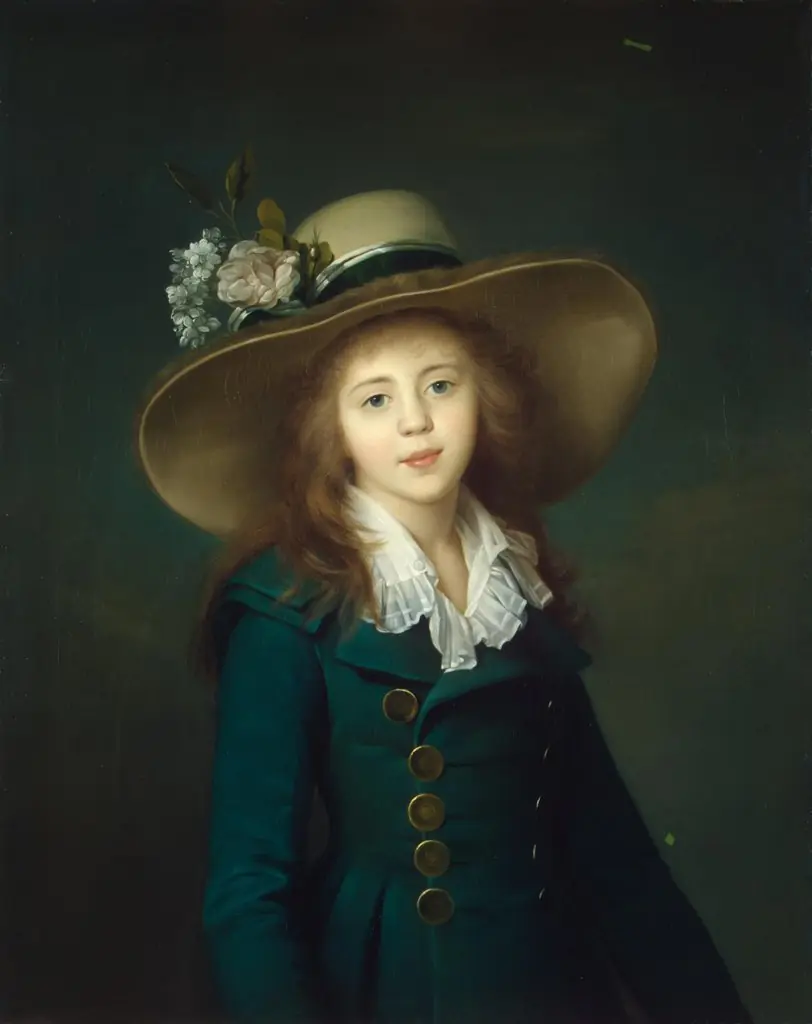 Portrait of a Girl in a Hat
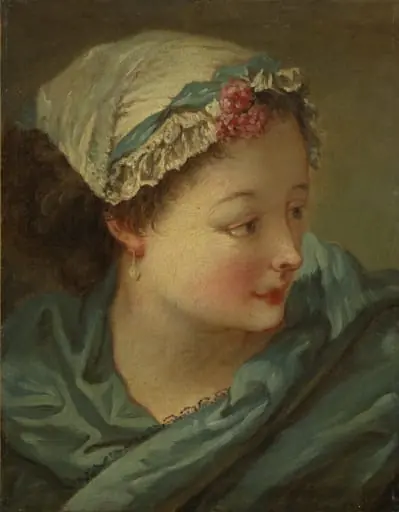 Head of a Young Woman
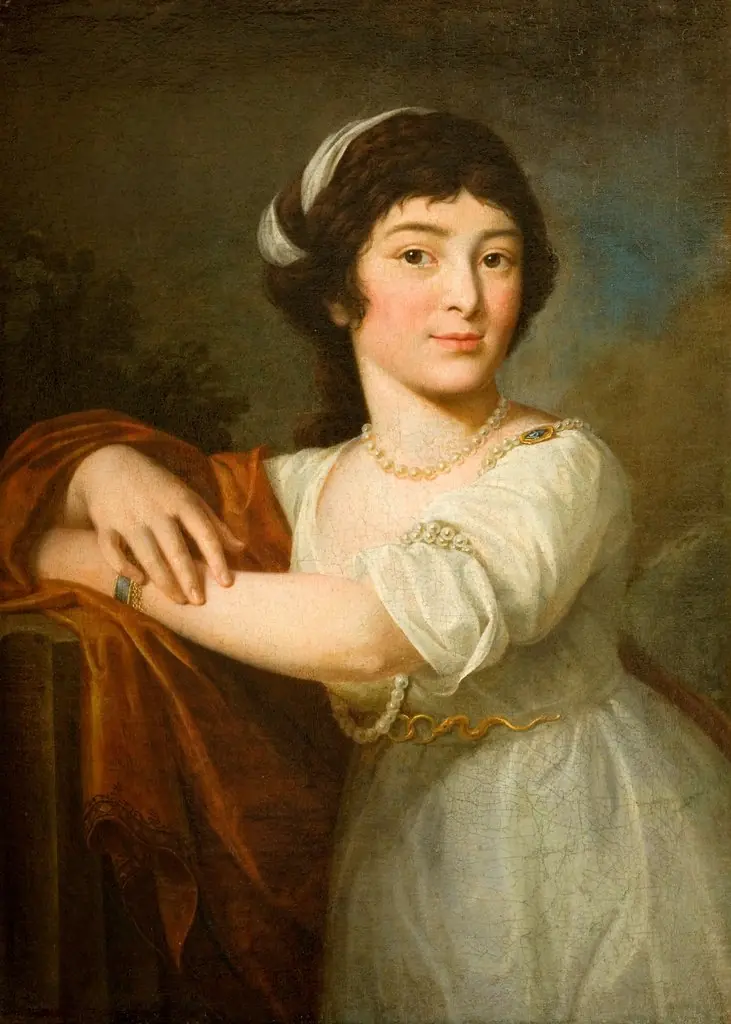 Portrait of Joanna Dzierzbicka
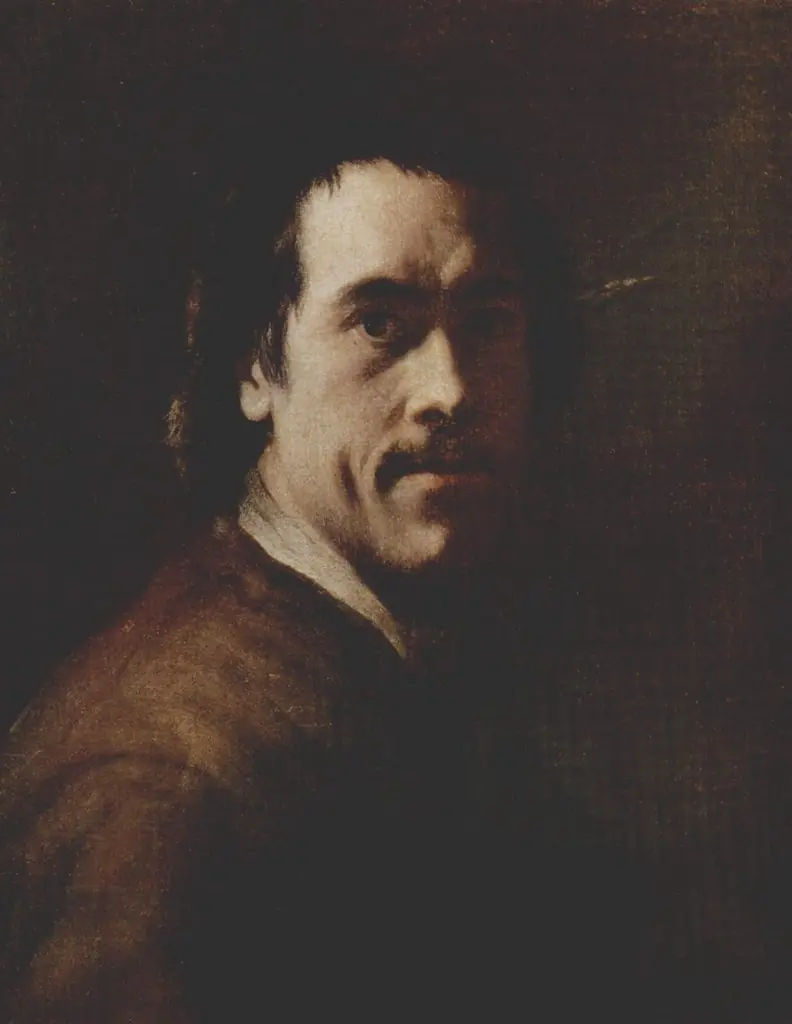
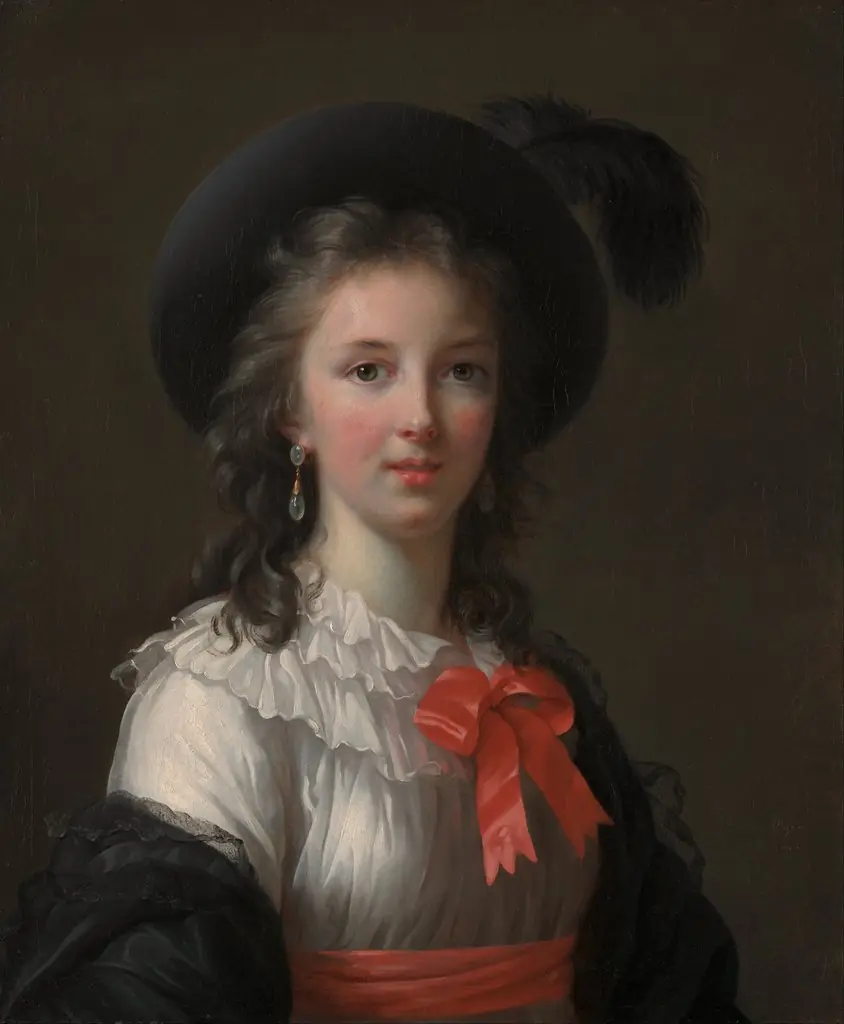 Self-portrait