Artwork
Autoportret
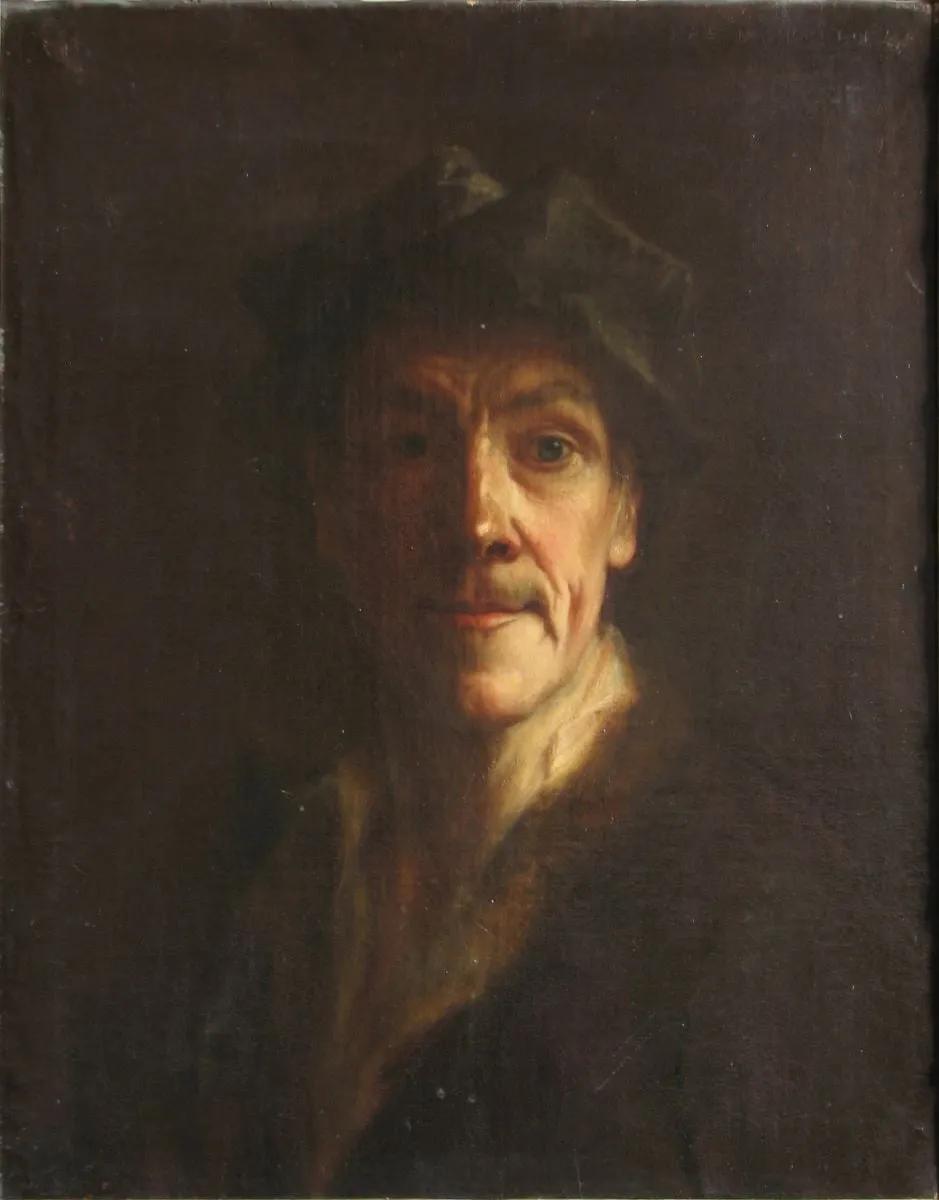
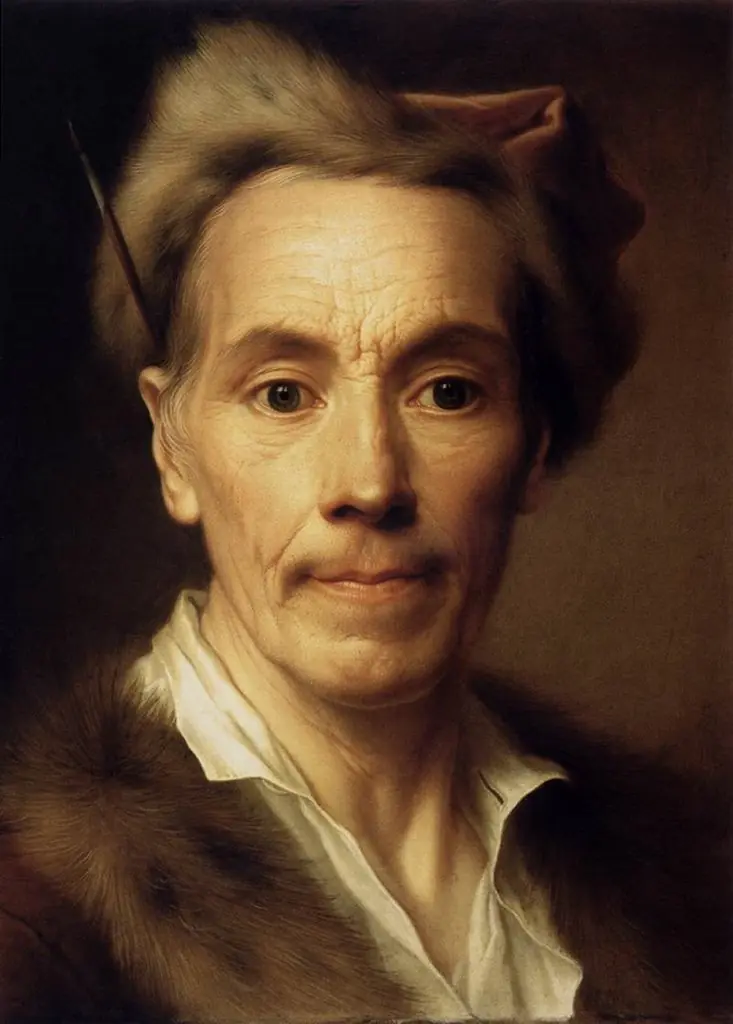
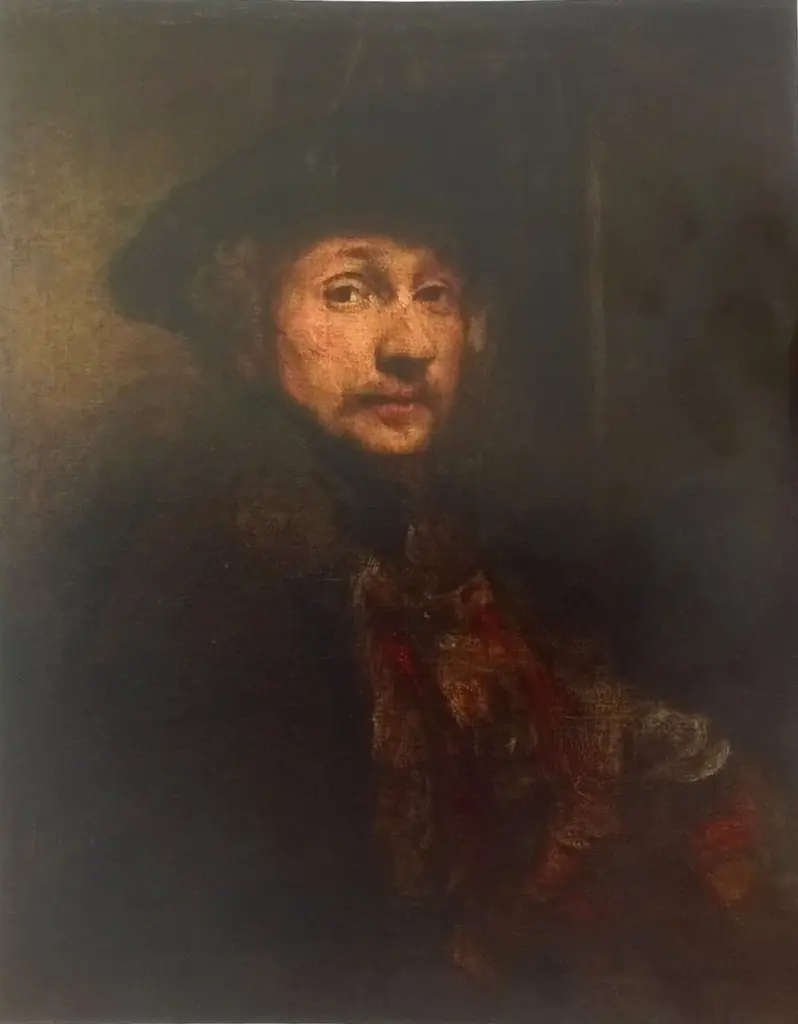
Autoportret is an unspecified painting by the Baroque artist Christian Seybold. It is held in the collection of the Brukenthal National Museum.
About this work
Overview
Christian Seybold's Autoportret is a straightforward oil painting depicting the artist himself in profile view. Executed with precision, the work presents a direct, unadorned gaze that conveys introspection rather than theatricality. The composition eliminates extraneous detail, centering entirely on the sitter’s face and upper torso against a void-like background.
Subject & Meaning
The subject is the artist, presenting himself without embellishment or symbolic props. His serious expression and direct gaze suggest self-examination rather than public performance. The absence of identifiers—no title, no insignia—positions the portrait as a private assertion of identity, rooted in the act of looking rather than being seen.
Technique & Style
A single light source from the right illuminates the right cheek and forehead, while the left side recedes into deep tone.
Seybold employs chiaroscuro to model the face with stark contrasts between light and shadow. A single light source from the right illuminates the right cheek and forehead, while the left side recedes into deep tone. This dramatic modulation enhances the three-dimensionality of facial structure, particularly the bridge of the nose and the hollow of the cheek, without resorting to ornamental flourishes.
History & Provenance
The painting is attributed to Christian Seybold, an 18th-century German portraitist active in Dresden and Vienna. While little is documented about its early ownership, it entered institutional collections in the 19th century, likely through academic or royal networks. Its survival reflects its value as a personal artifact rather than a commissioned work.
Context
In the mid-1700s, artists increasingly turned to self-portraiture as a means of asserting professional identity. Seybold’s work aligns with this trend, though it avoids the grandeur of contemporaries like Rembrandt. Instead, it reflects a quieter, more intimate tradition of Northern European portraiture focused on psychological presence over social status.
Legacy
Though not widely reproduced, the painting remains a quiet example of 18th-century artist self-representation. Its restrained use of light and focus on facial structure influenced later academic studies of portraiture. It endures not for fame, but for its unembellished honesty and technical clarity.
Artist & collection
Artist
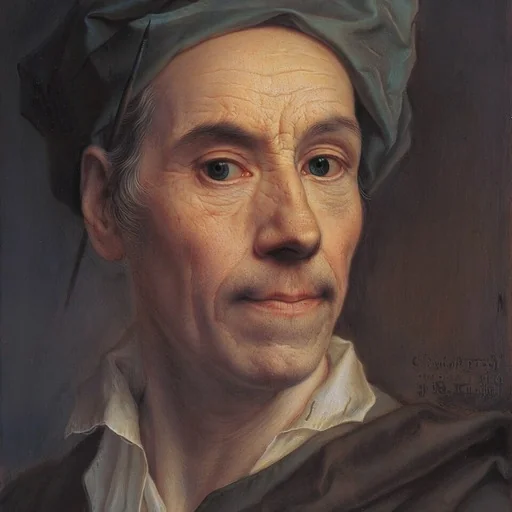
Christian Seybold (19 March 1695, Neuenhain, Bad Soden - 29 September 1768, Vienna) was a German painter in the Baroque style.

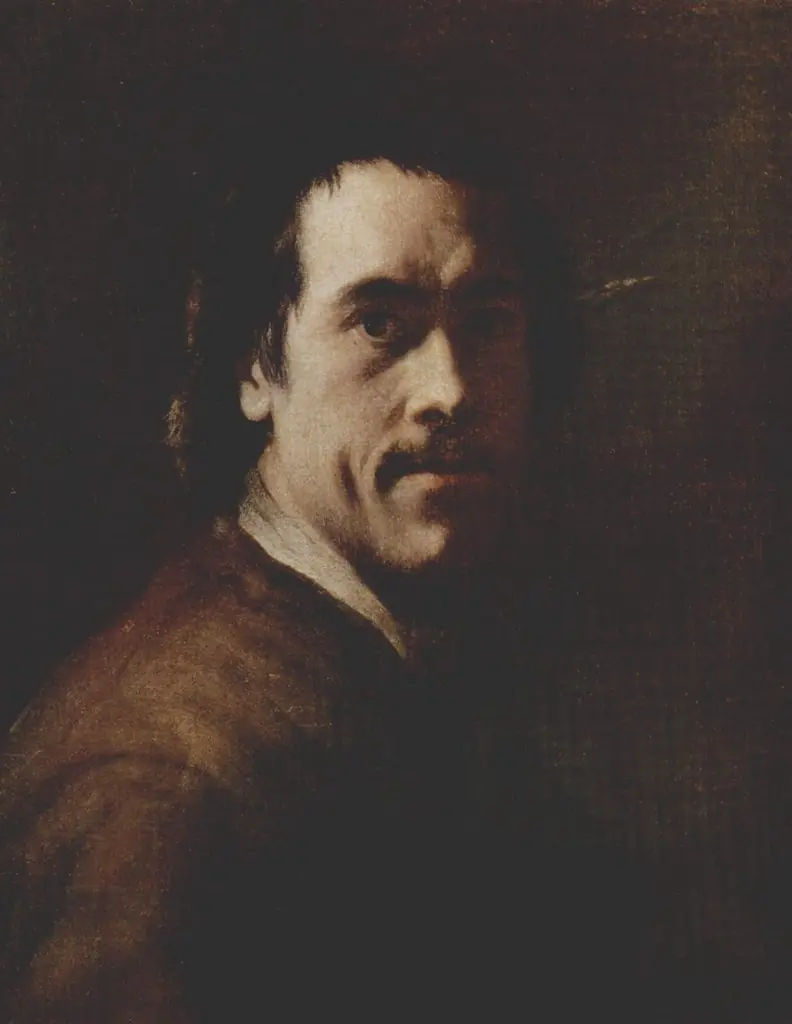
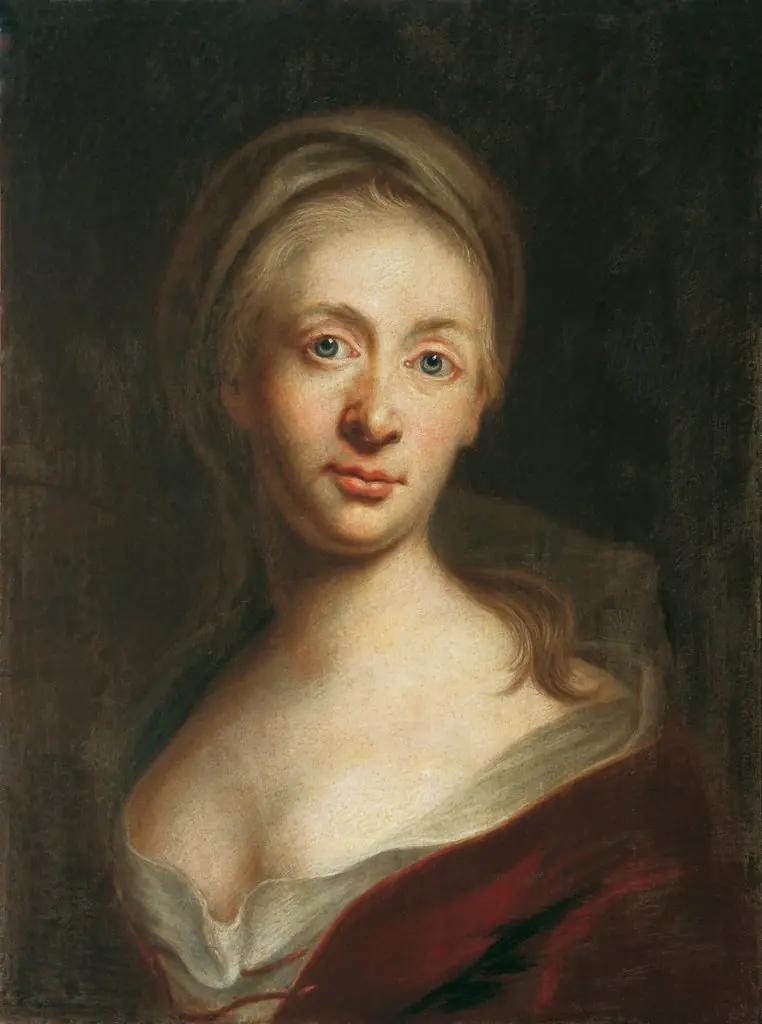
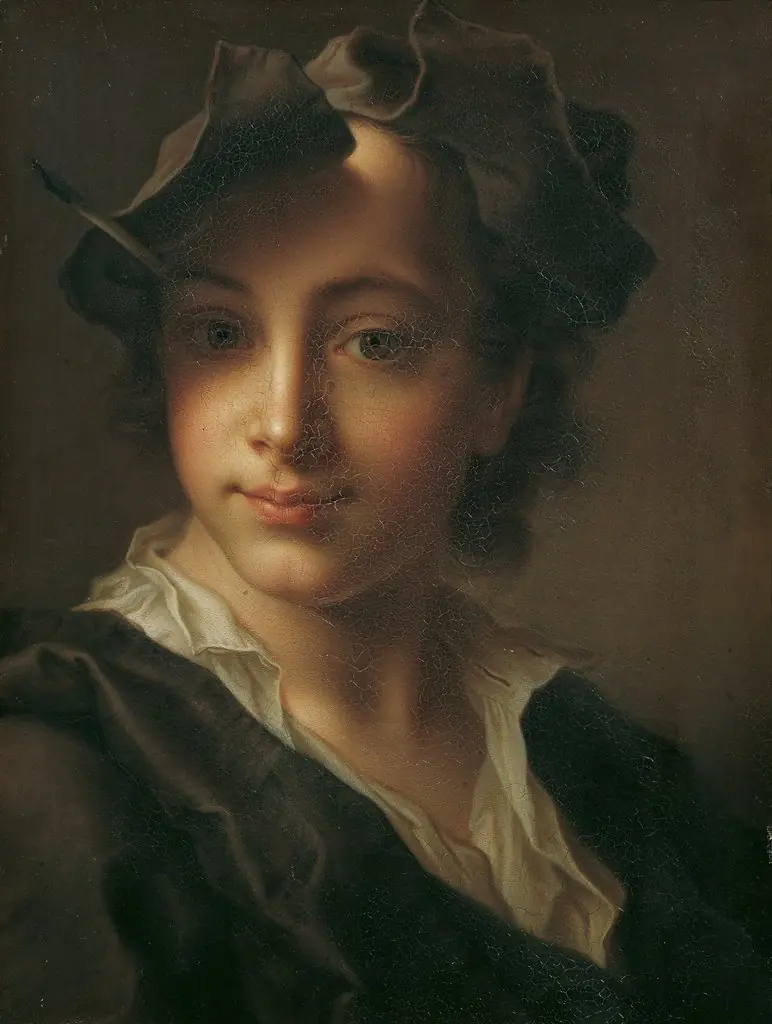
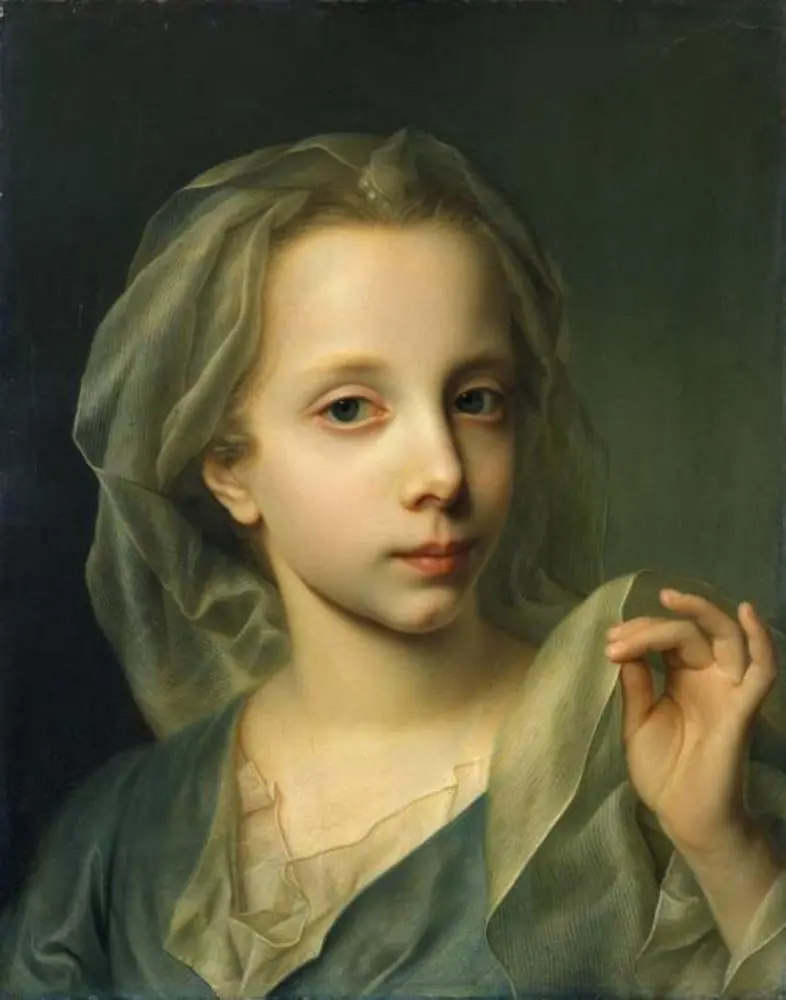
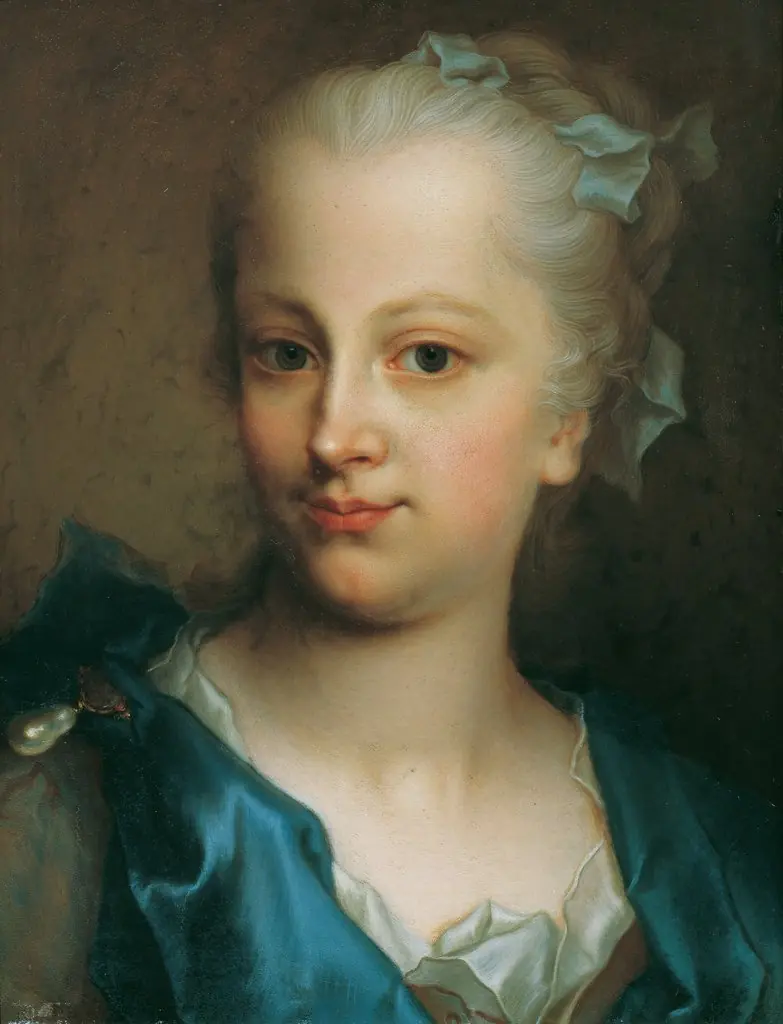
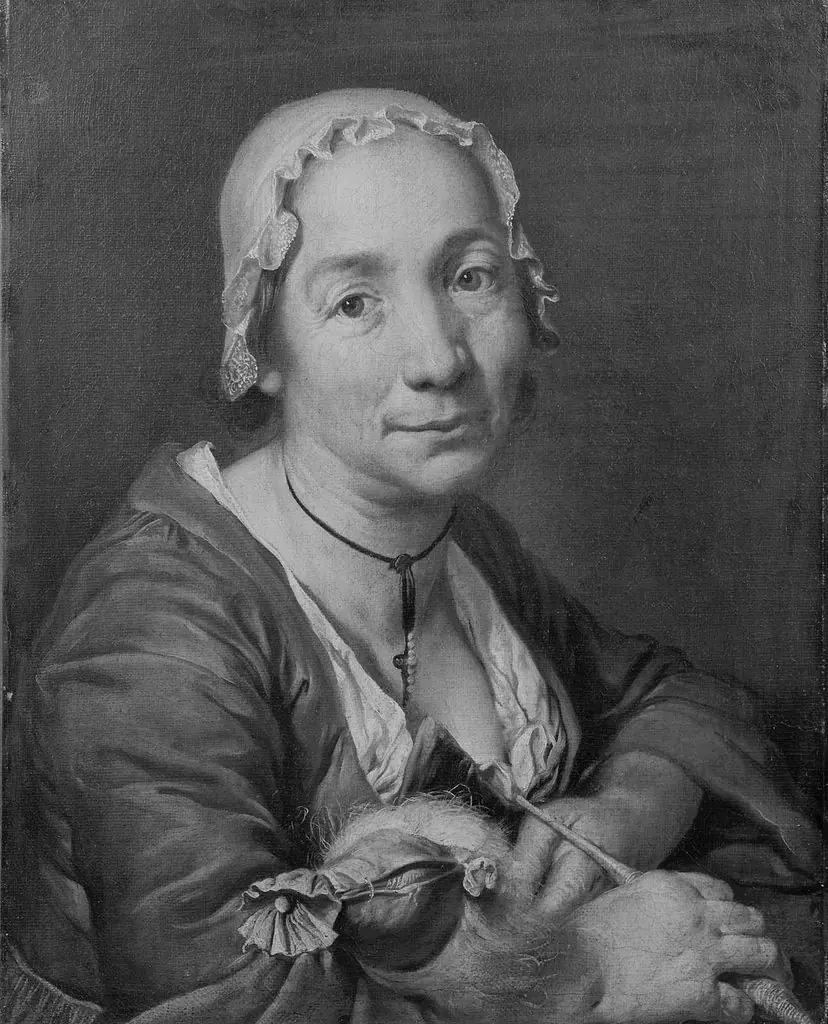
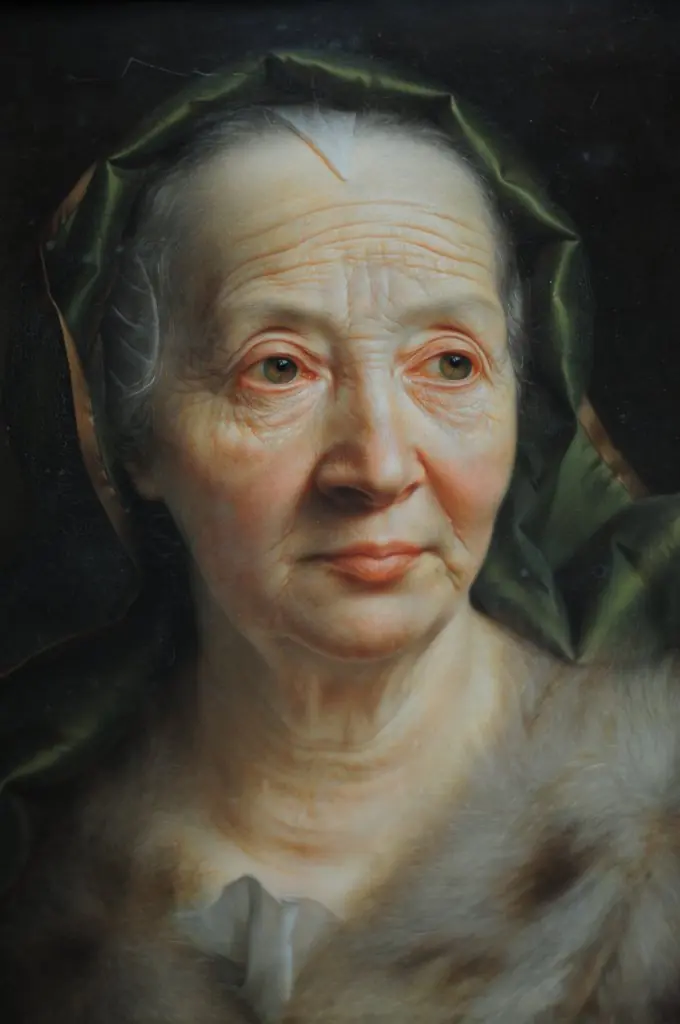
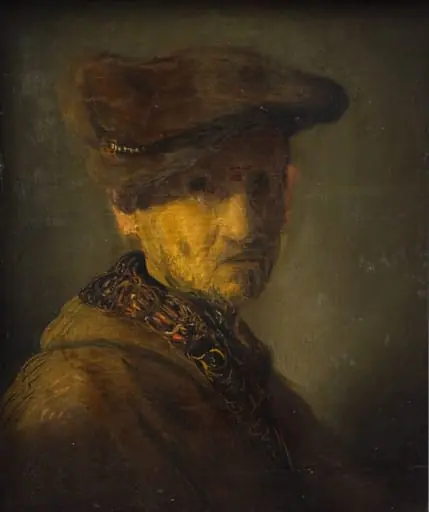 Man with a Hat. (Portrait of Rembrandt's Father)
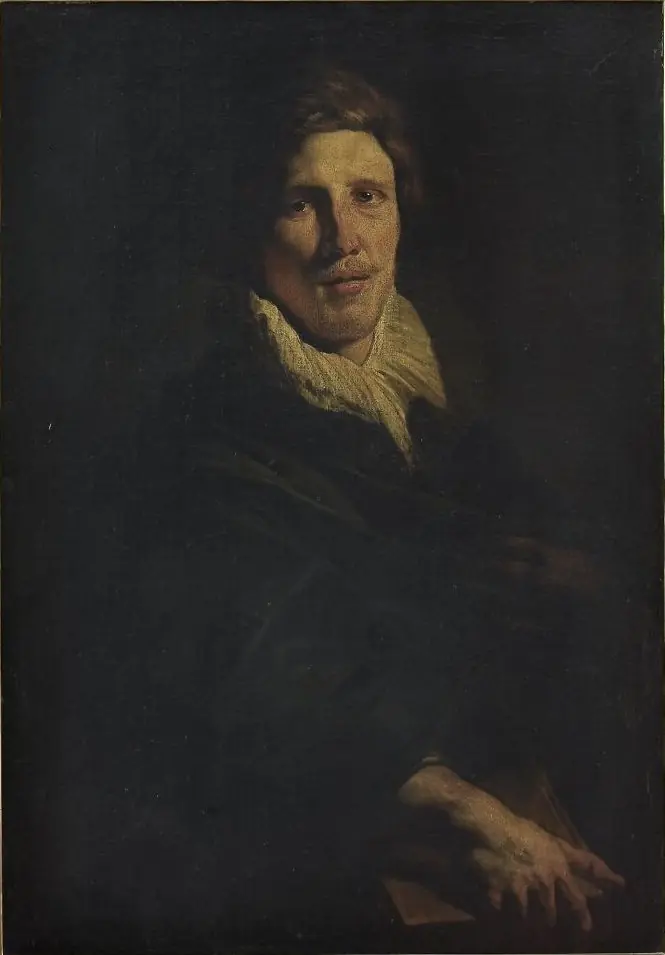 Portrait of a young gentleman, formerly believed to be a self-portrait
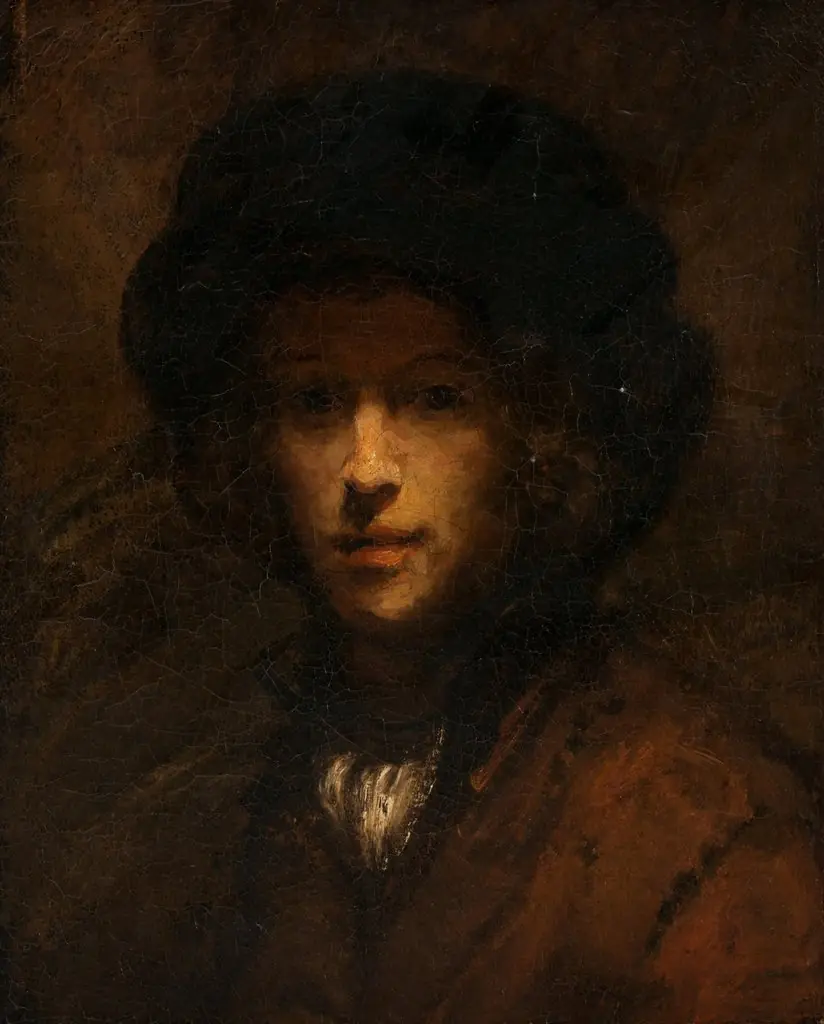 Portrait of Titus (overpaint removed between 1908-1935)
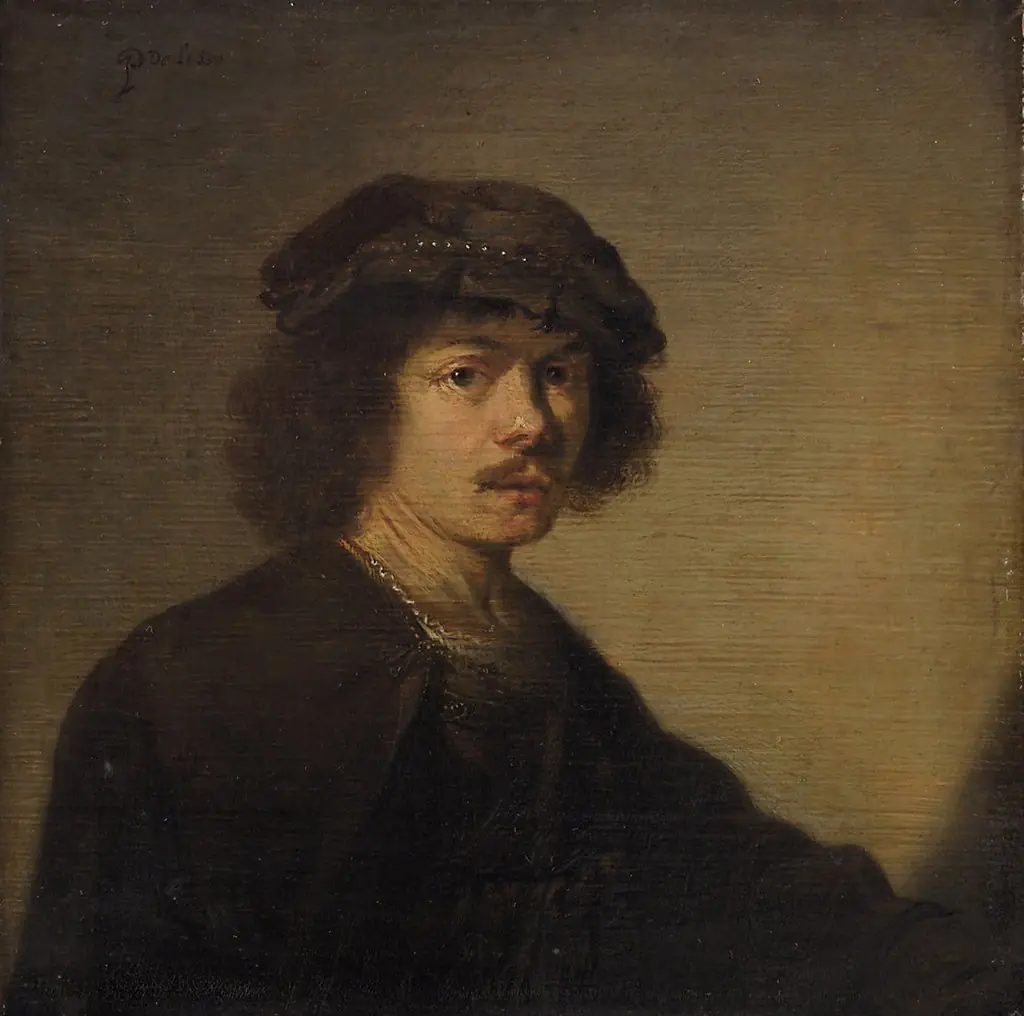 Selbstbildnis in Phantasietracht
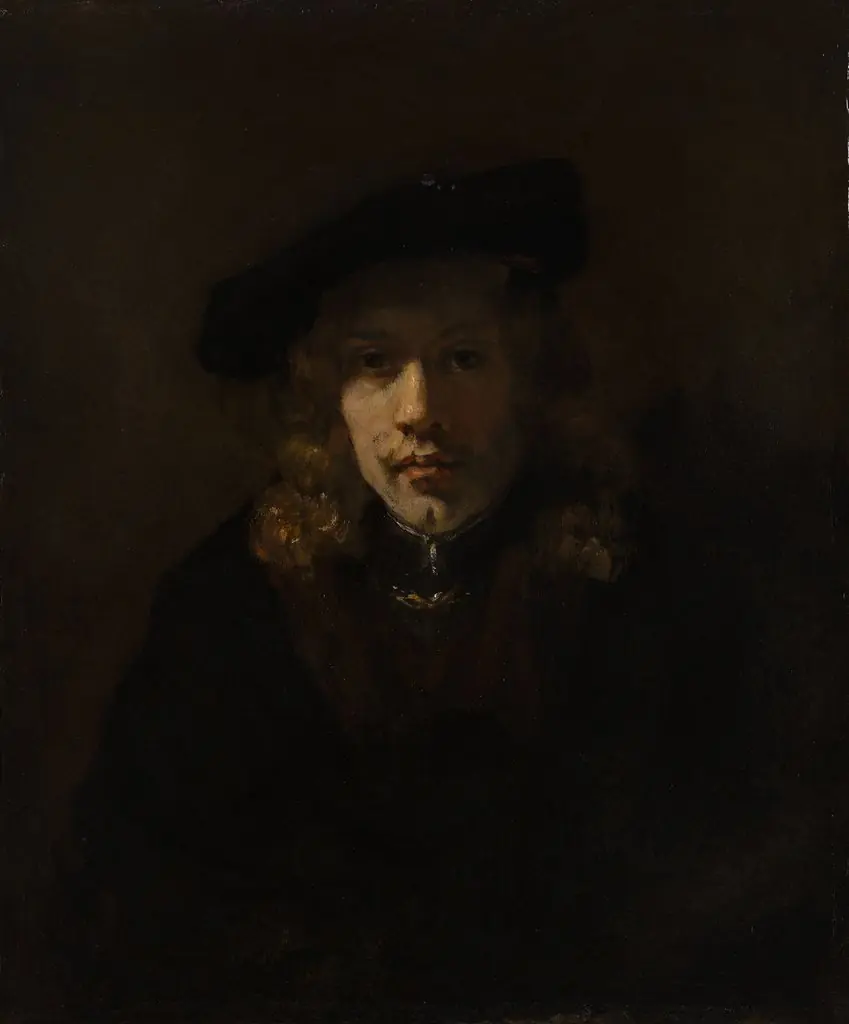 Man in a Beret
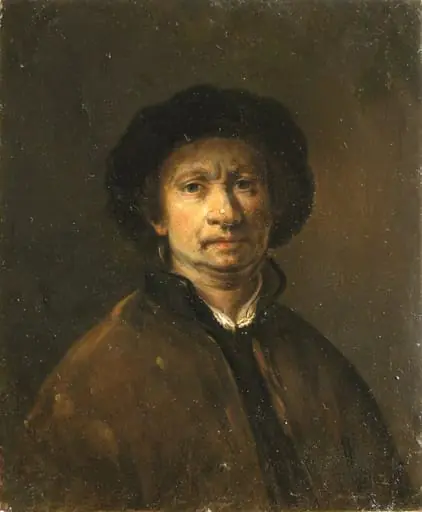 Autoportret
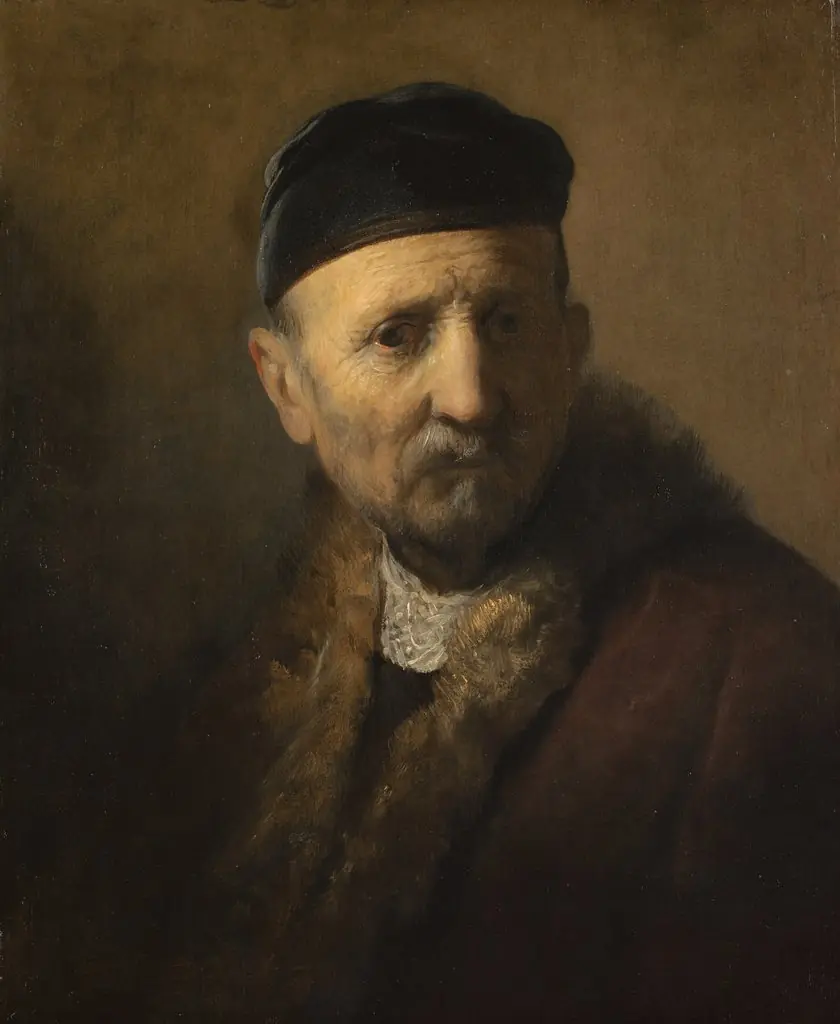 Study of an old man (Rembrandt's father)
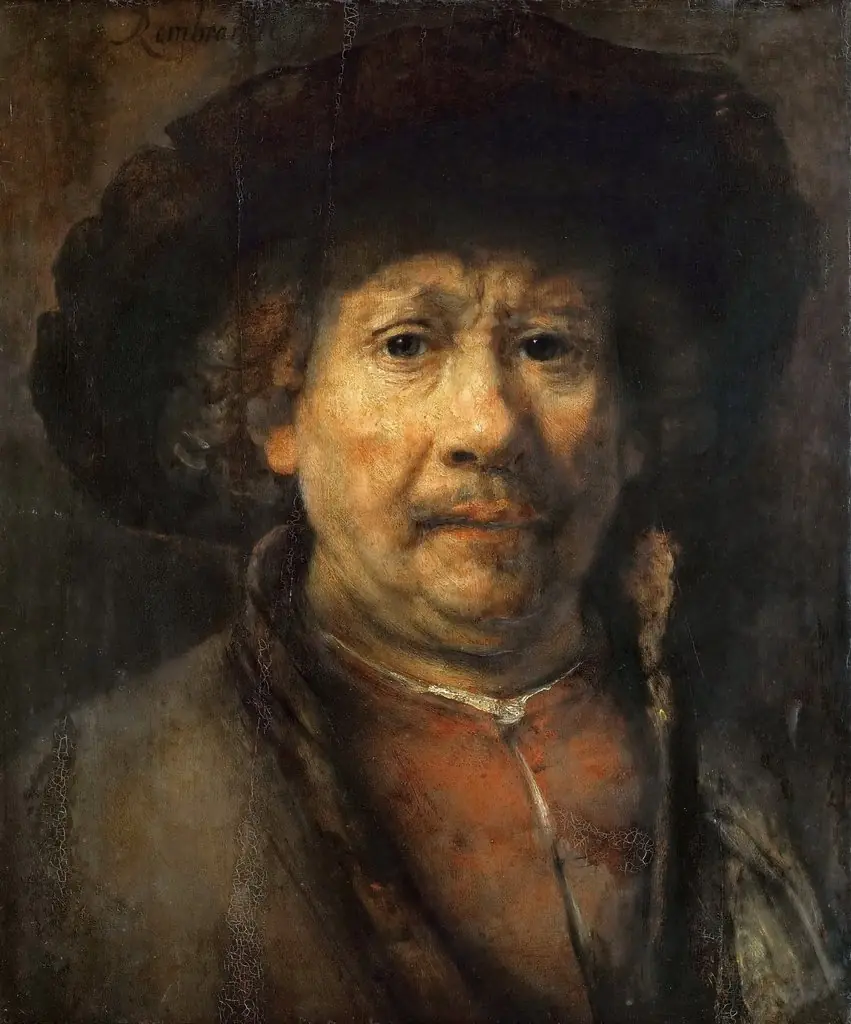 Self-portrait
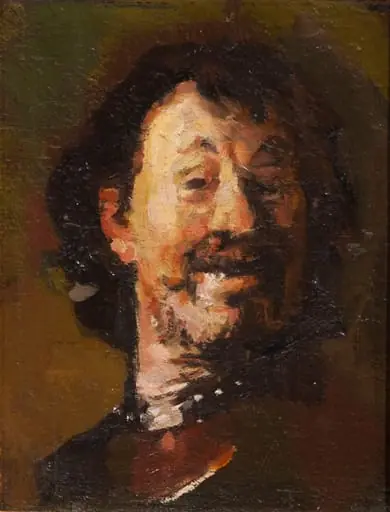 Omul care râde (interpretare după Rembrandt)
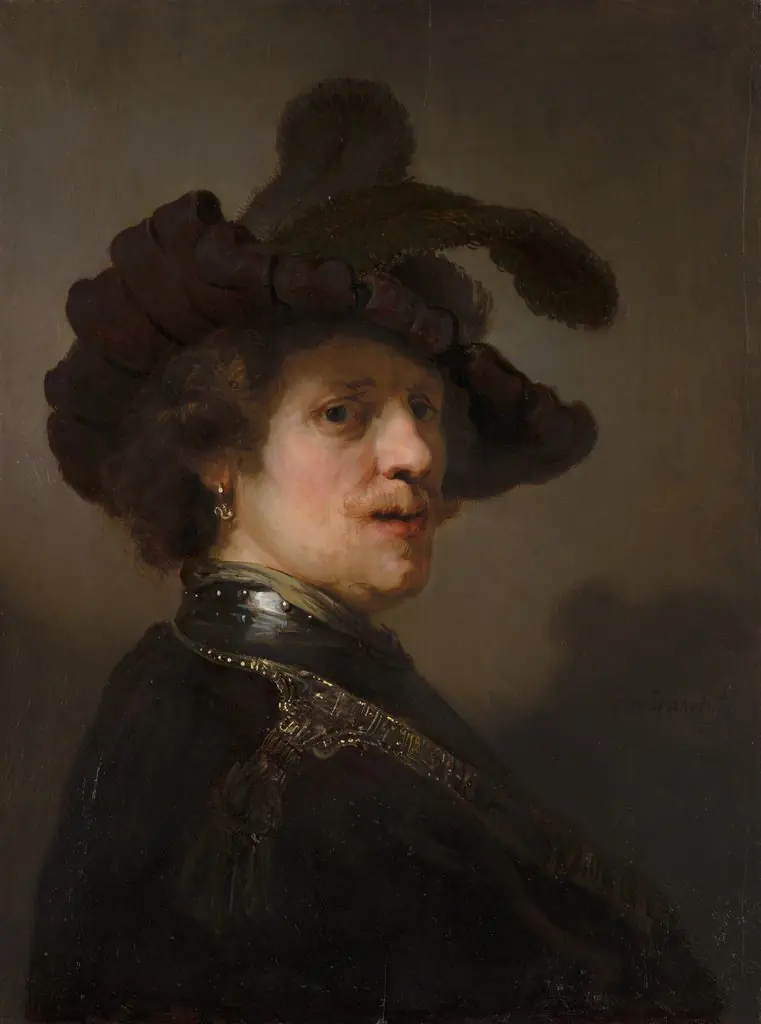 Portrait of a man in a plumed hat
 Self-portrait