Artwork
An Alchemists' Workshop
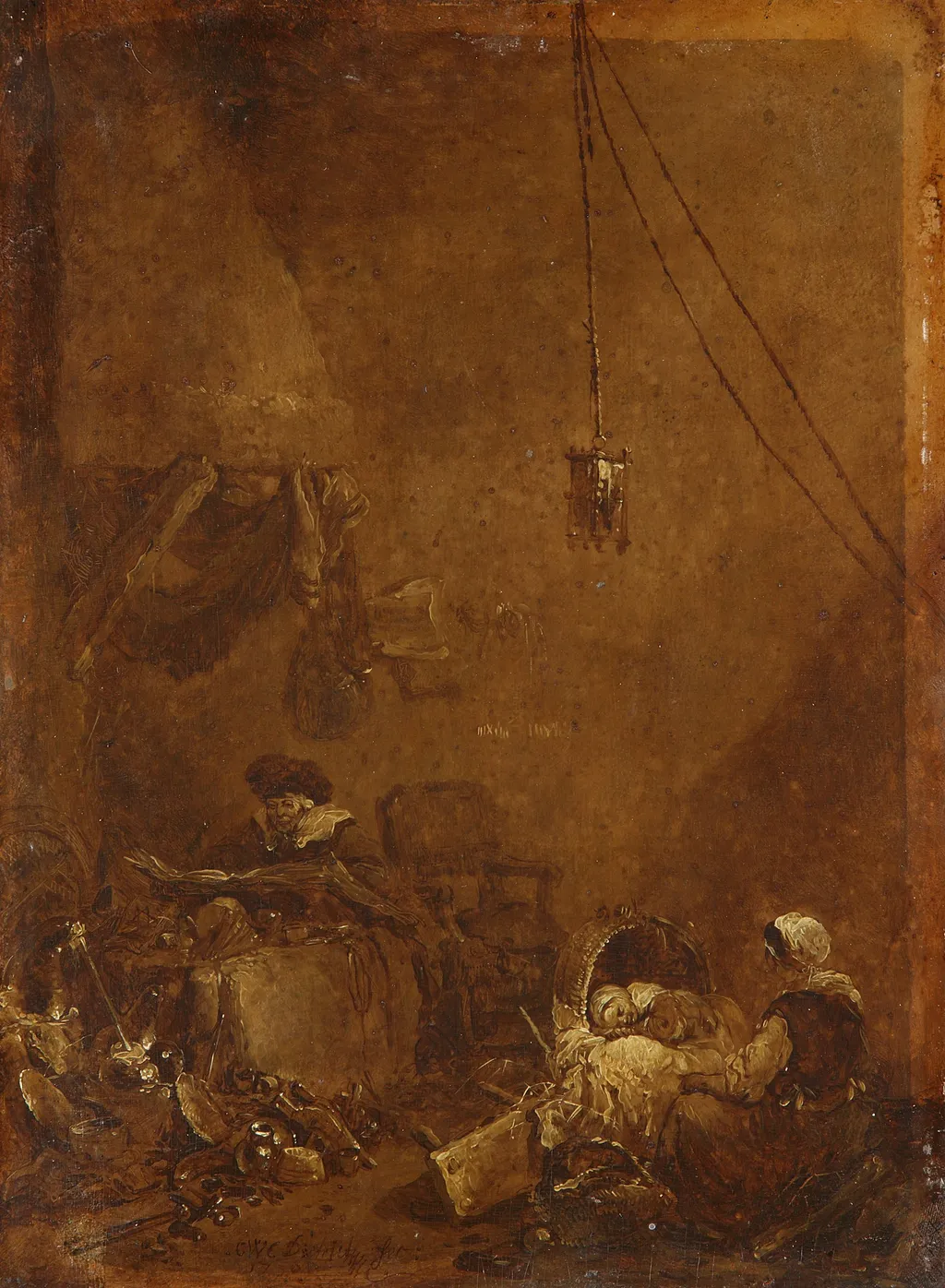
An Alchemists' Workshop is a paint painting by the Rococo painting artist Christian Wilhelm Ernst Dietrich. It dates from 1730 and is held in the collection of the Gemäldegalerie Berlin.
About this work
Overview
Painted in 1730 by German artist Christian Wilhelm Ernst Dietrich, this work depicts an alchemist’s laboratory filled with tools, texts, and domestic activity.
Painted in 1730 by German artist Christian Wilhelm Ernst Dietrich, this work depicts an alchemist’s laboratory filled with tools, texts, and domestic activity. Executed in oil paint, it reflects Dietrich’s tendency to emulate earlier artistic traditions rather than forge a unique style. The painting resides in the Gemäldegalerie Berlin, where it serves as a quiet record of 18th-century scientific and domestic life intertwined.
Subject & Meaning
The scene centers on a figure immersed in alchemical study, surrounded by books, vessels, and instruments. Nearby, a woman cares for an infant while a child plays, suggesting that the pursuit of transmutation occurs within the rhythms of daily life. The juxtaposition of arcane science and domestic routine implies a commentary on the blurred boundaries between mystical inquiry and ordinary existence.
Technique & Style
Dietrich employs muted tones and subtle chiaroscuro to evoke the dim, airless interior of the workshop. Light filters weakly through windows, casting narrow beams that highlight the furnace’s glow and the cluttered surfaces. The brushwork is precise but unobtrusive, favoring descriptive detail over dramatic expression, consistent with his practice of channeling 17th-century precedents rather than innovating stylistically.
History & Provenance
Created in 1730, the painting entered the collection of the Gemäldegalerie Berlin, where it has remained since. Dietrich, who later served as an art administrator, was more recognized for his role in preserving and cataloging art than for originality in his own work. This piece likely reflects his interest in historical subjects and the visual culture of earlier eras.
Context
In the early 18th century, alchemy was increasingly viewed as obsolete amid rising empirical science, yet it retained cultural resonance as a symbol of hidden knowledge. Dietrich’s depiction captures this transitional moment—where mystical practice coexists with domestic life—offering a snapshot of how older traditions persisted in private spaces despite changing intellectual currents.
Legacy
Though Dietrich did not pioneer new artistic directions, his works, including this one, provide valuable insight into how 18th-century viewers perceived science, labor, and domesticity. The painting’s quiet realism and unembellished composition make it a modest but enduring document of a fading worldview, preserved not as spectacle but as observation.
Artist & collection
Artist
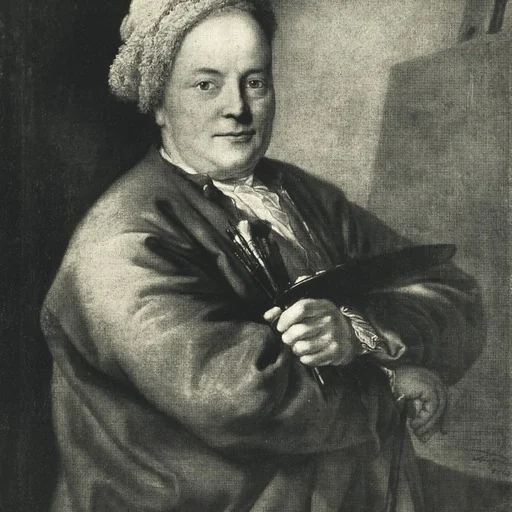
Christian Wilhelm Ernst Dietrich
Christian Wilhelm Ernst Dietrich (30 October 1712 – 23 April 1774) was a German painter and art administrator. In his own works, he was adept at imitating many earlier artists, but never developed a style of his own.

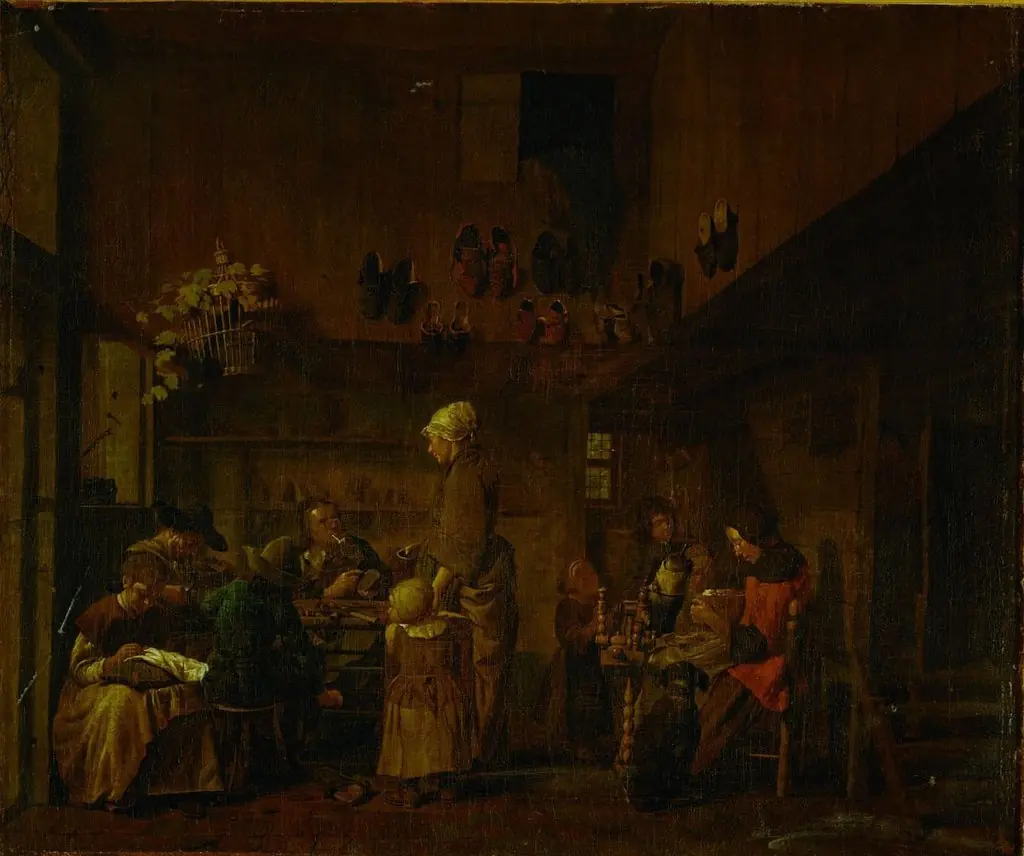 Shoemaker workshop
 Muzicanți în cameră țărănească
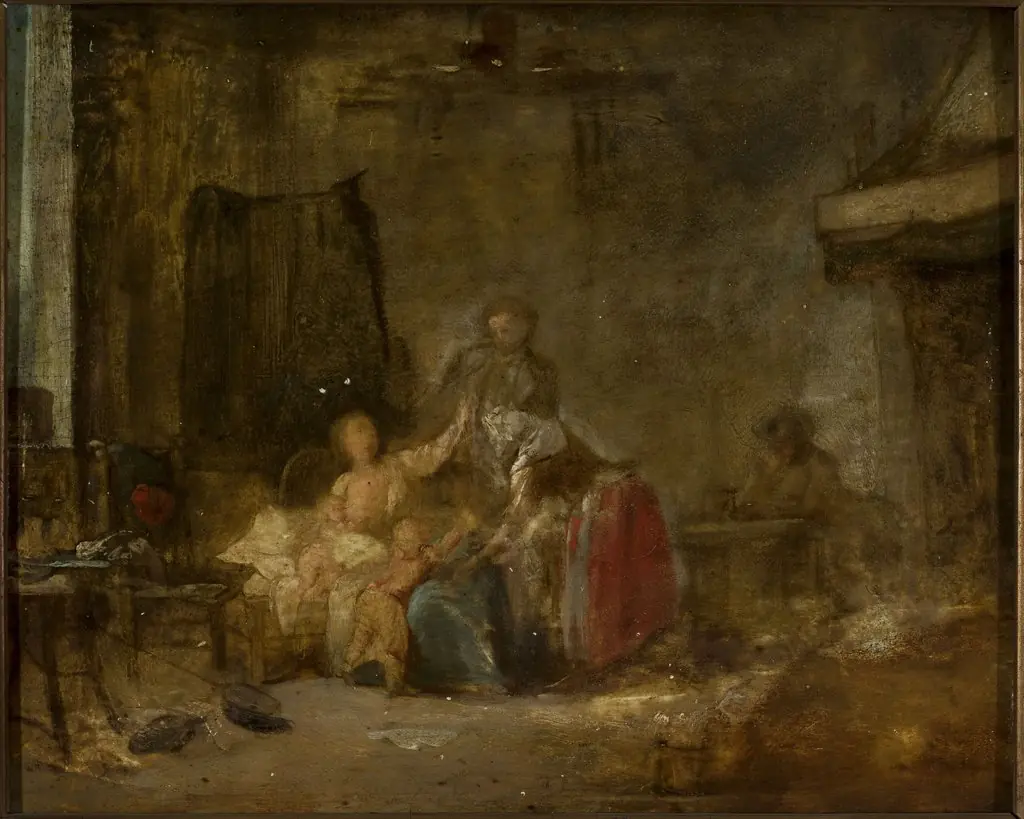 Family scene
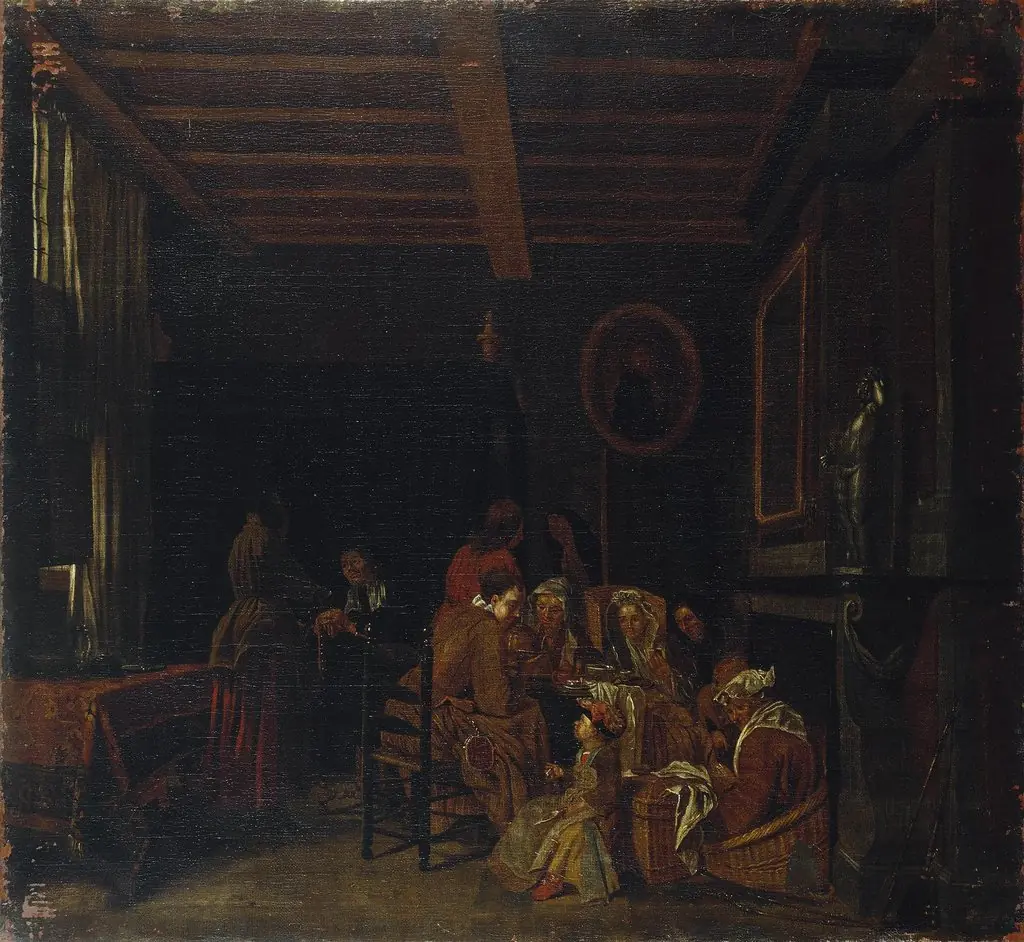 Genre Scene (Breakfast)
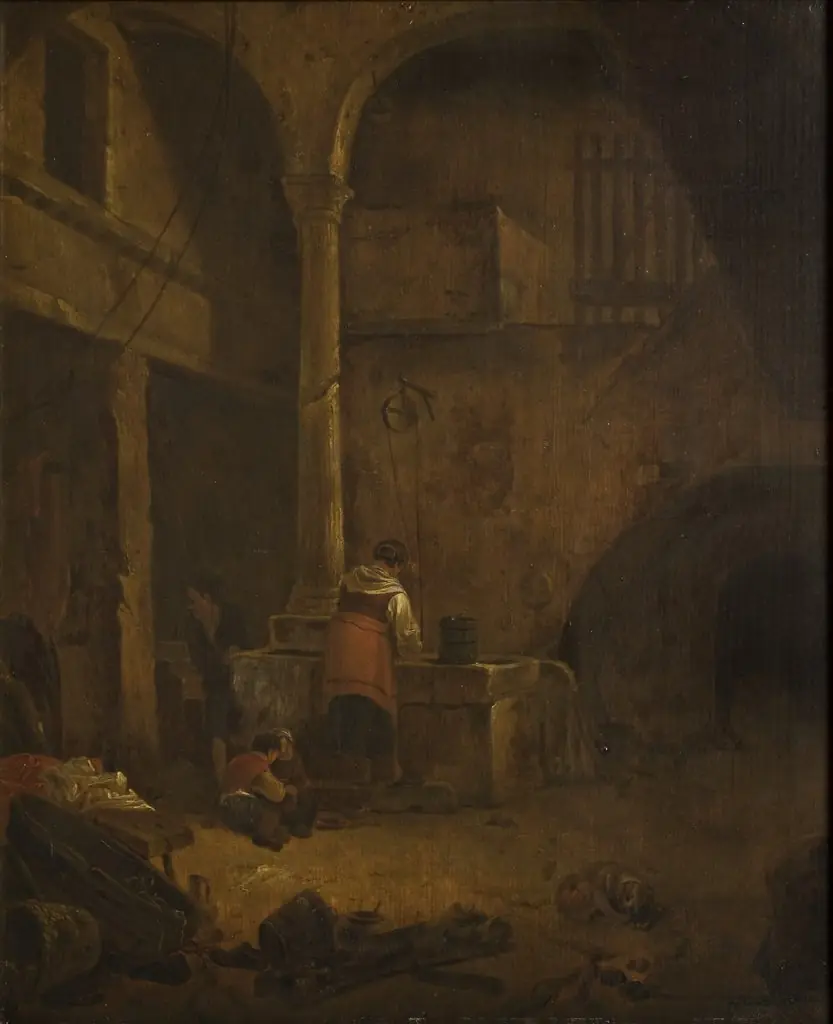 Woman at a Well in an Italian Farmhouse
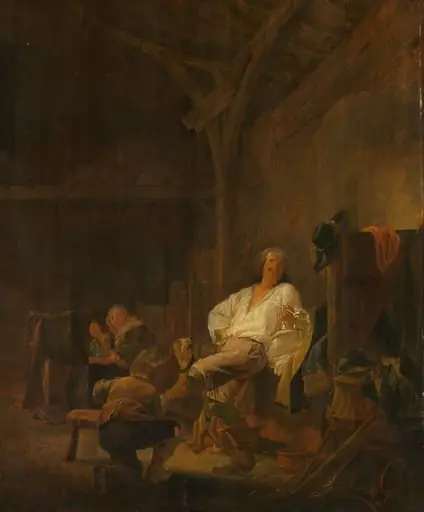 An Officer in Billeted Quarters
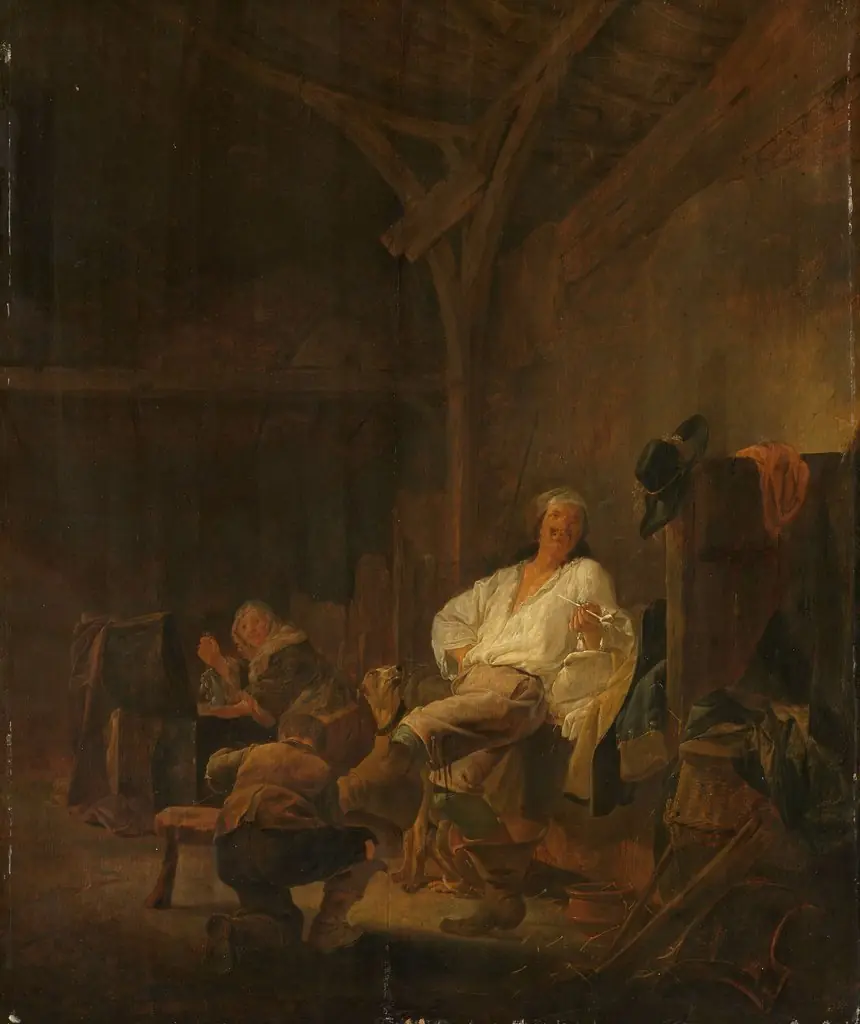 An officer in billeted quarters
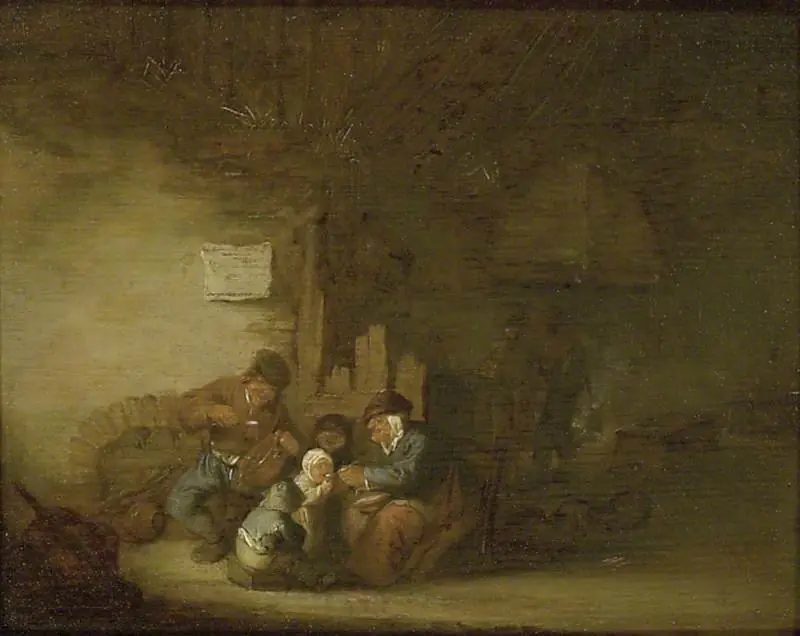 A Peasant Family eating in an Interior
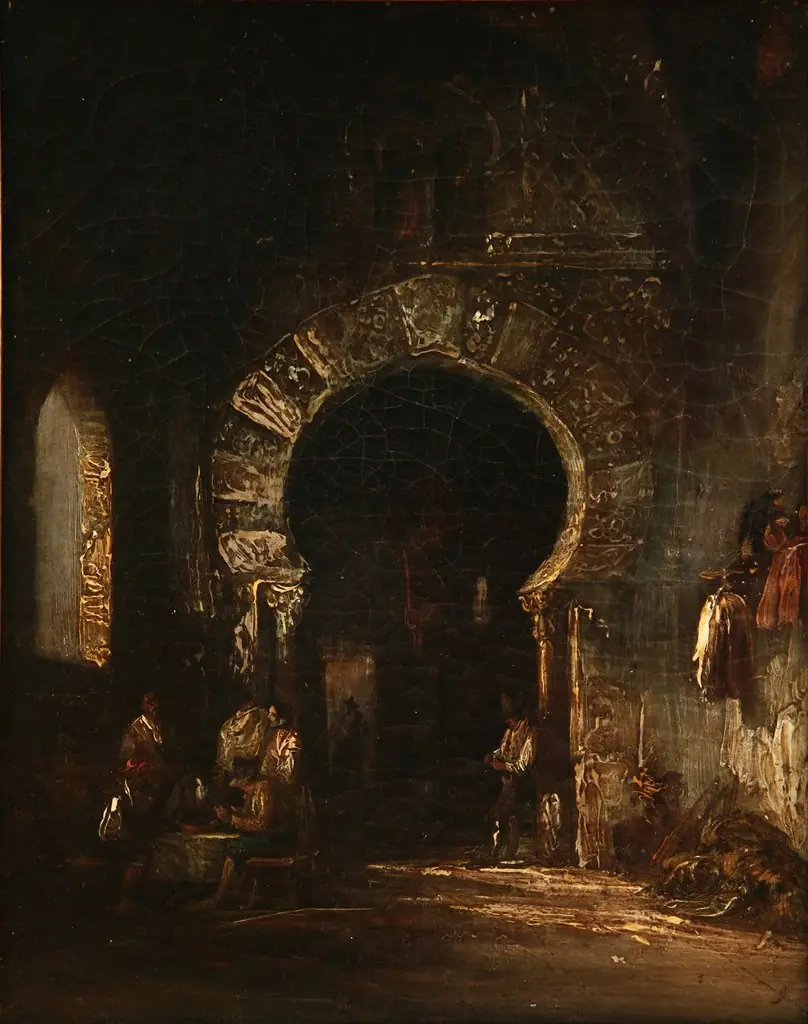 Puerta arabe (Fantasía sobre la Puerta de del Sol en Toledo)
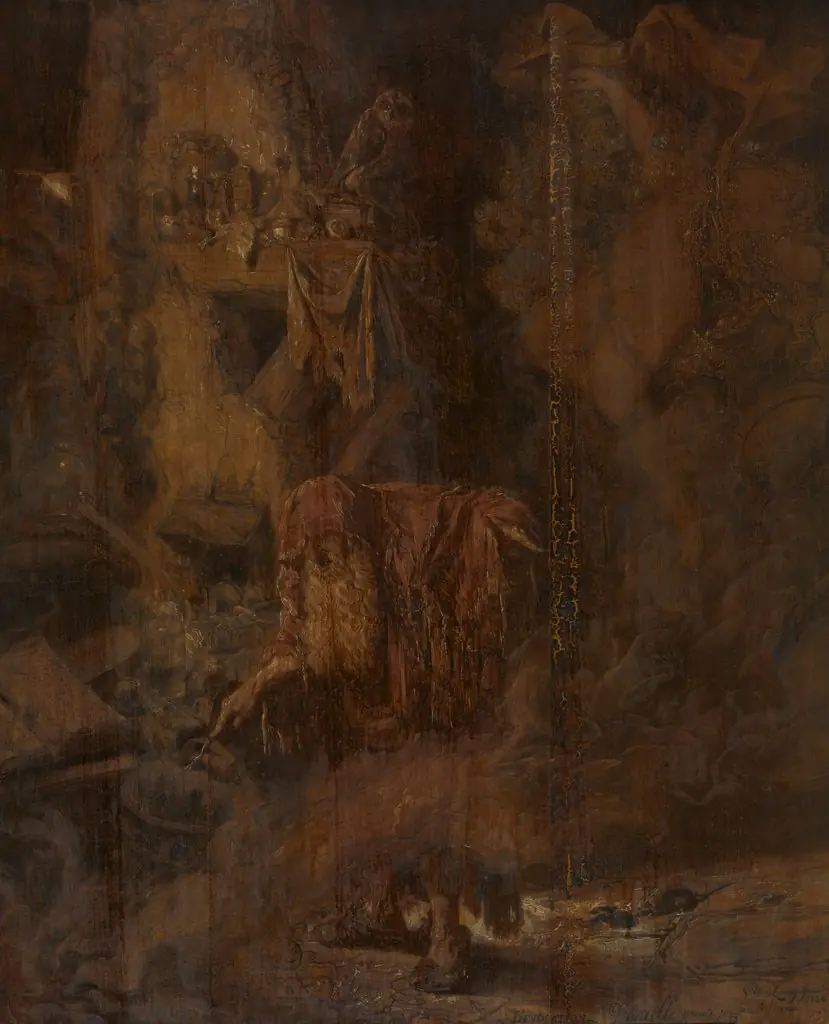 Entchantment
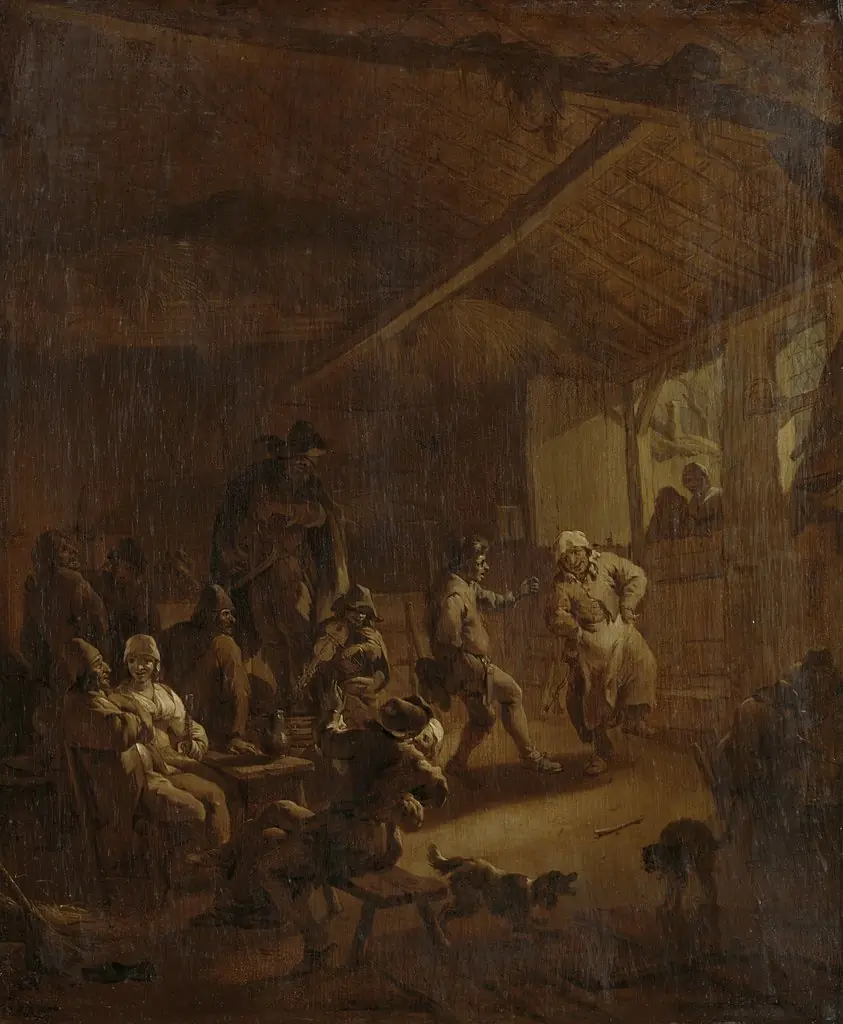 Peasants dancing in a bar
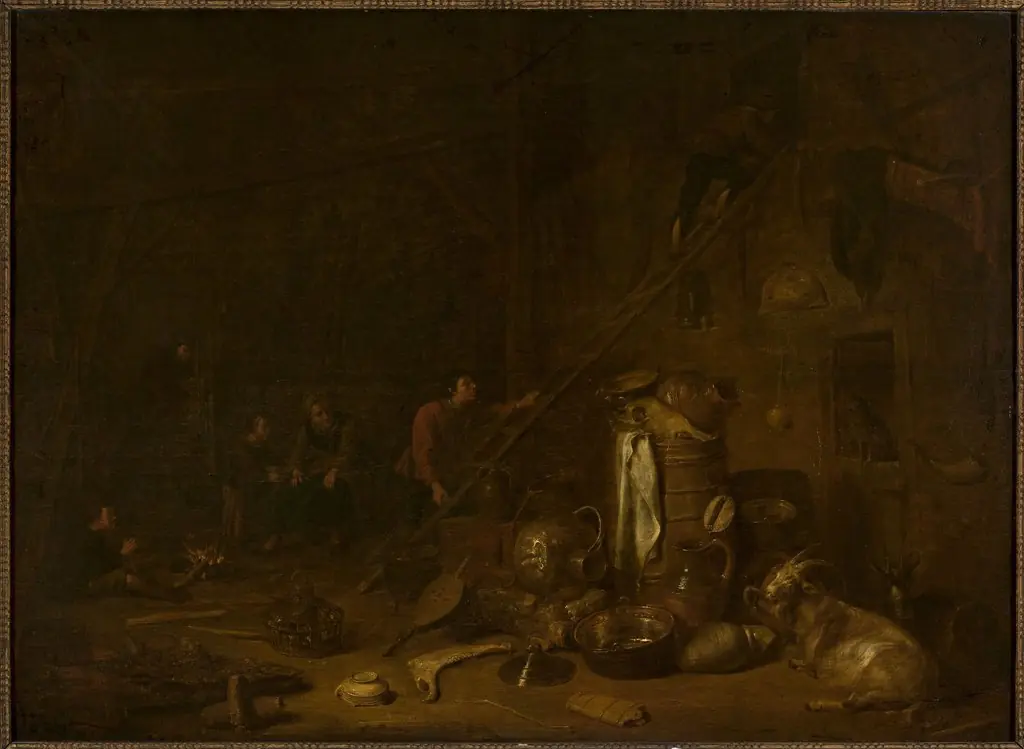 Excursion to the attic