Artwork
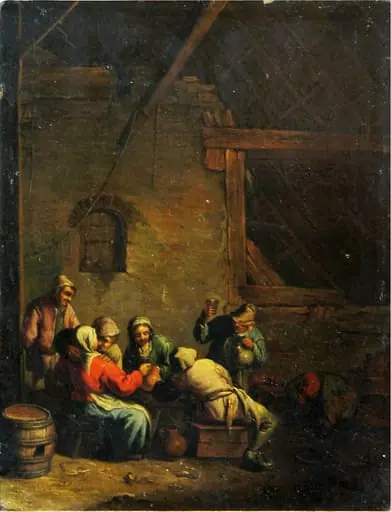
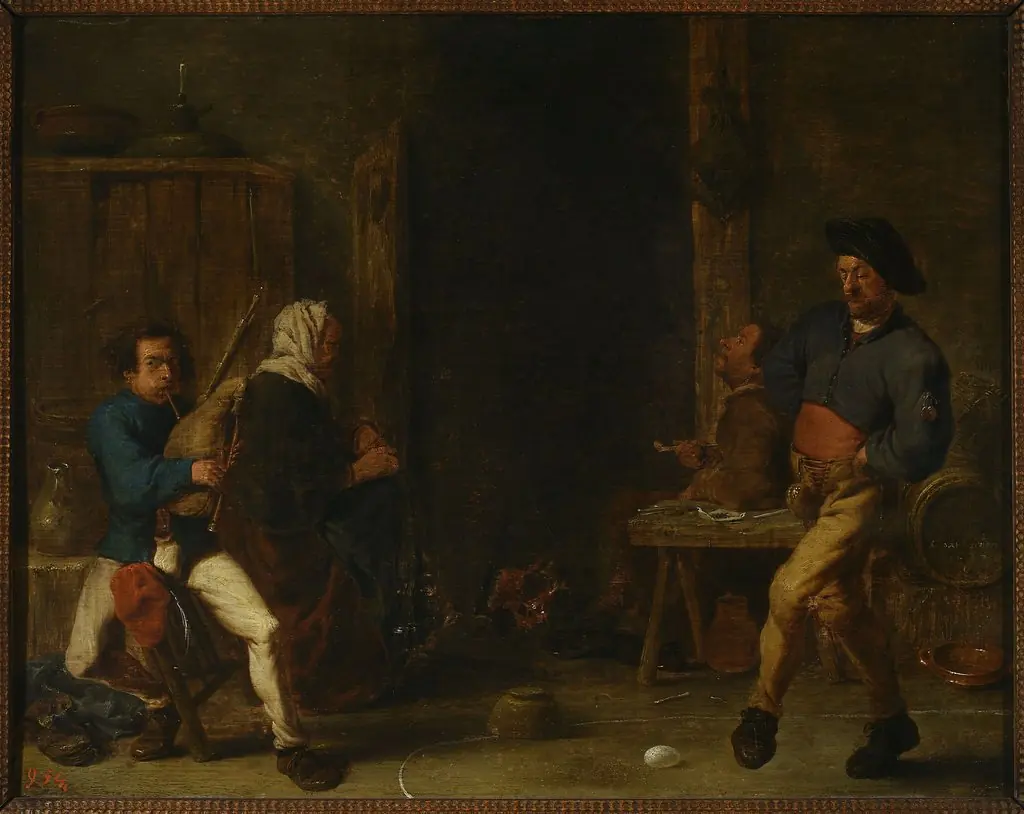
Muzicanți în cameră țărănească
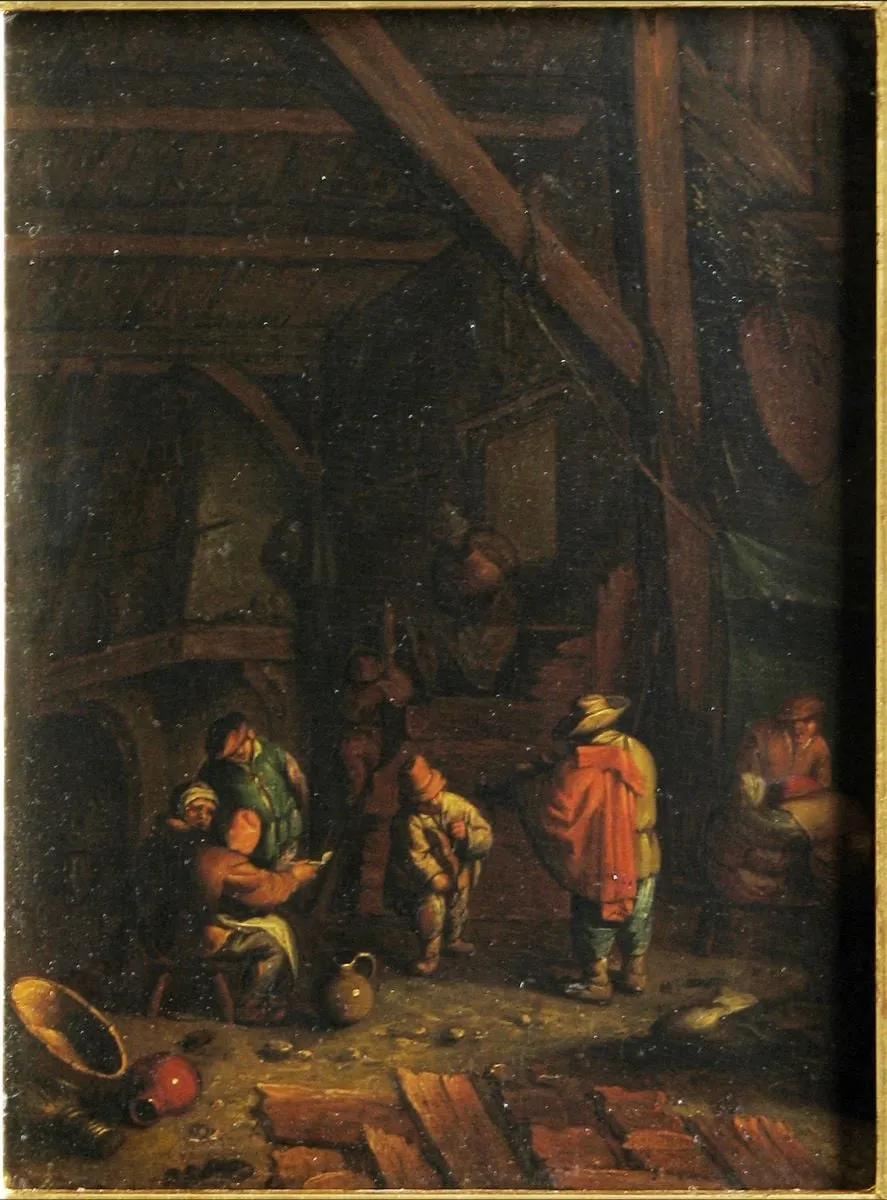
Muzicanți în cameră țărănească is a print by the Baroque artist Adriaen van Ostade. It dates from 1657 and is held in the collection of the Brukenthal National Museum.
About this work
Overview
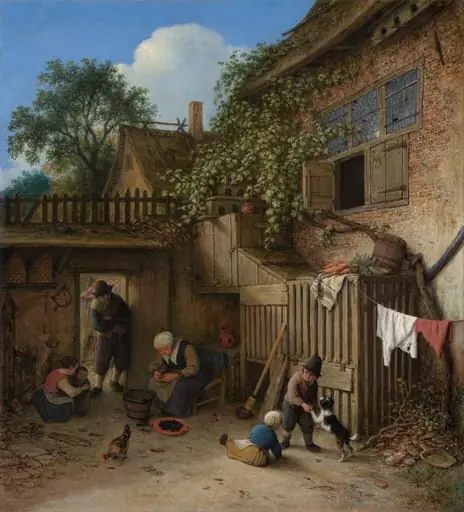
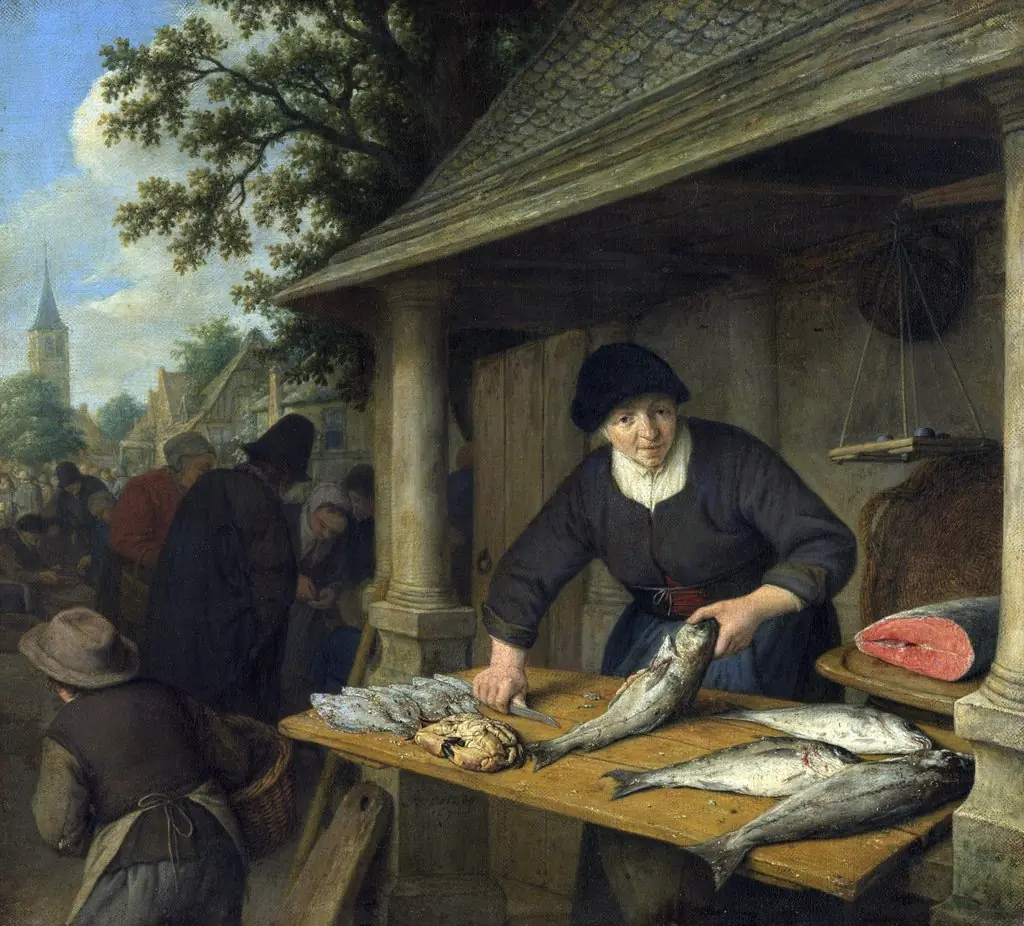
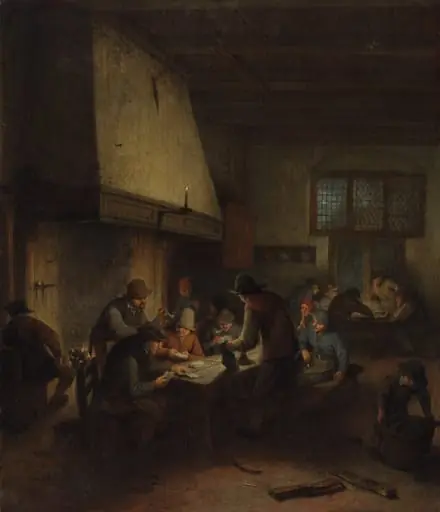
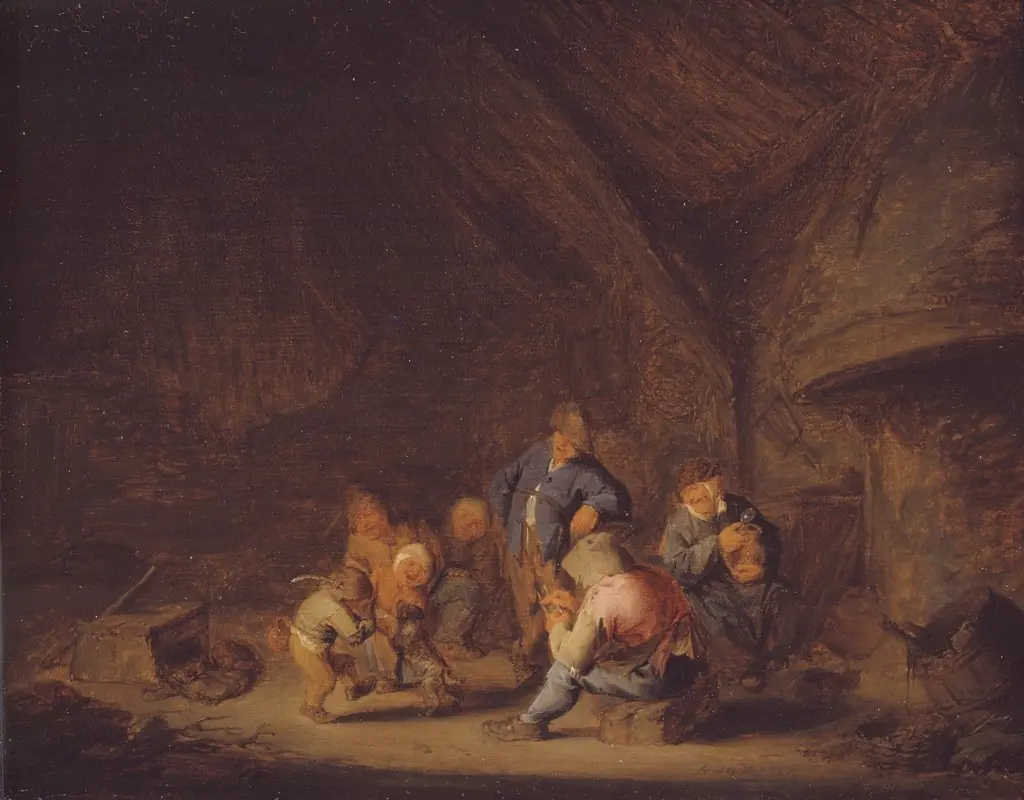
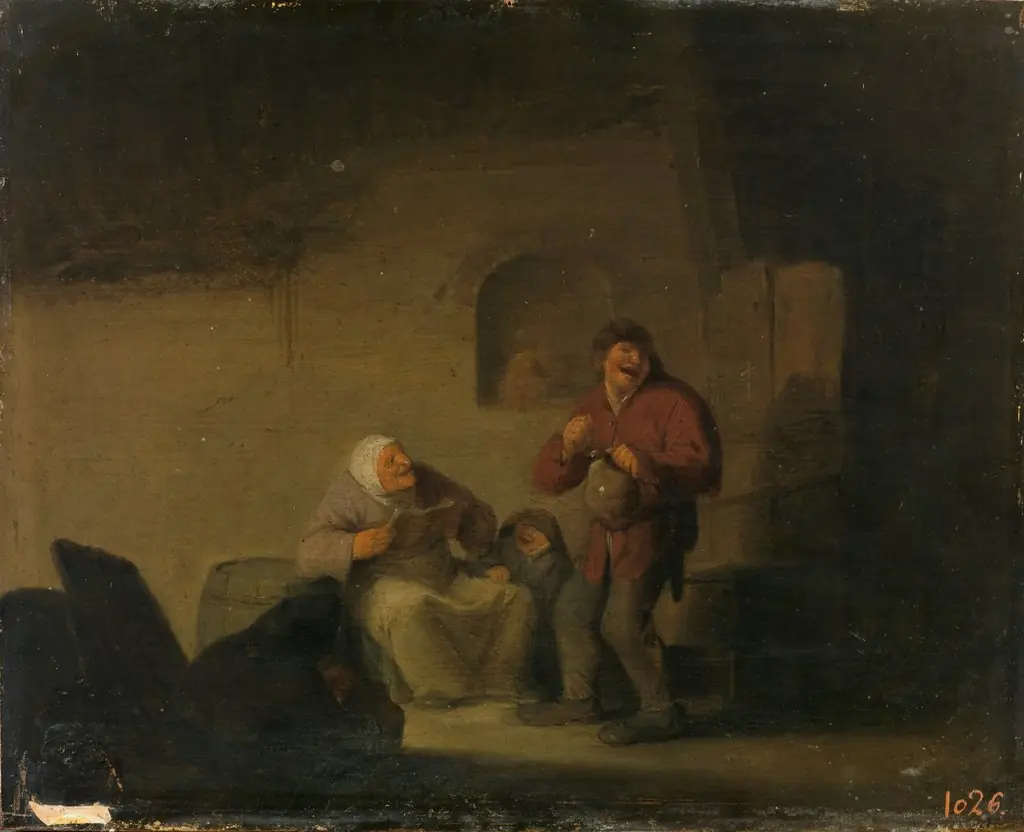
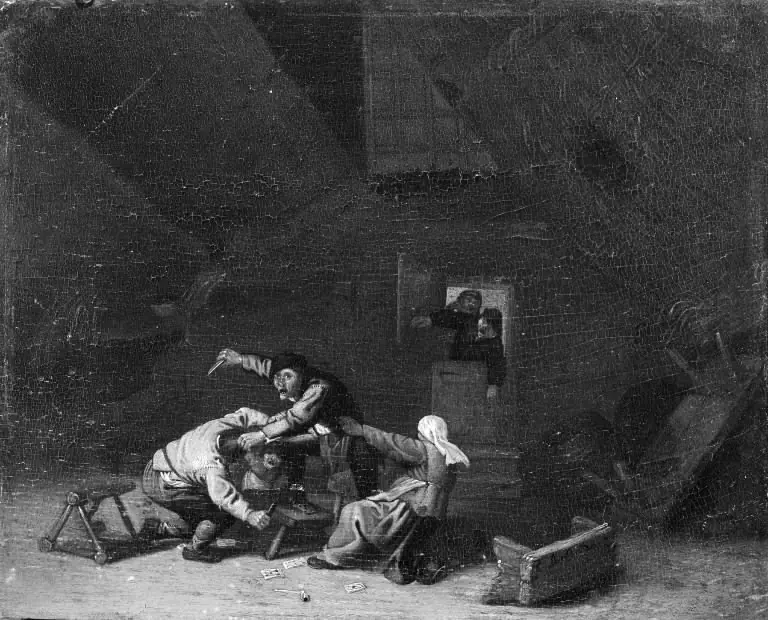
Painted around 1657 by Adriaen van Ostade, this work captures a quiet moment among rural musicians in a modest interior. Van Ostade, a Dutch artist of the Golden Age, devoted his career to scenes of peasant life, avoiding idealized subjects in favor of unembellished, everyday moments. The painting’s intimate setting and subdued palette reflect his interest in the dignity of ordinary existence.
Subject & Meaning
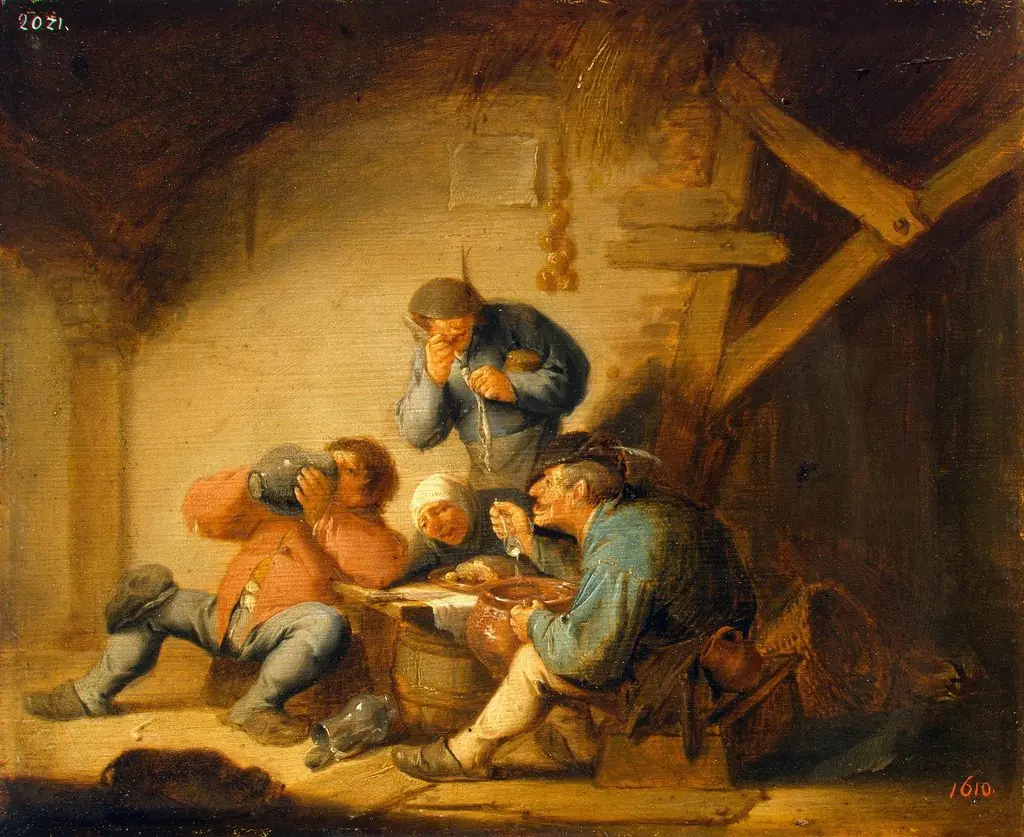
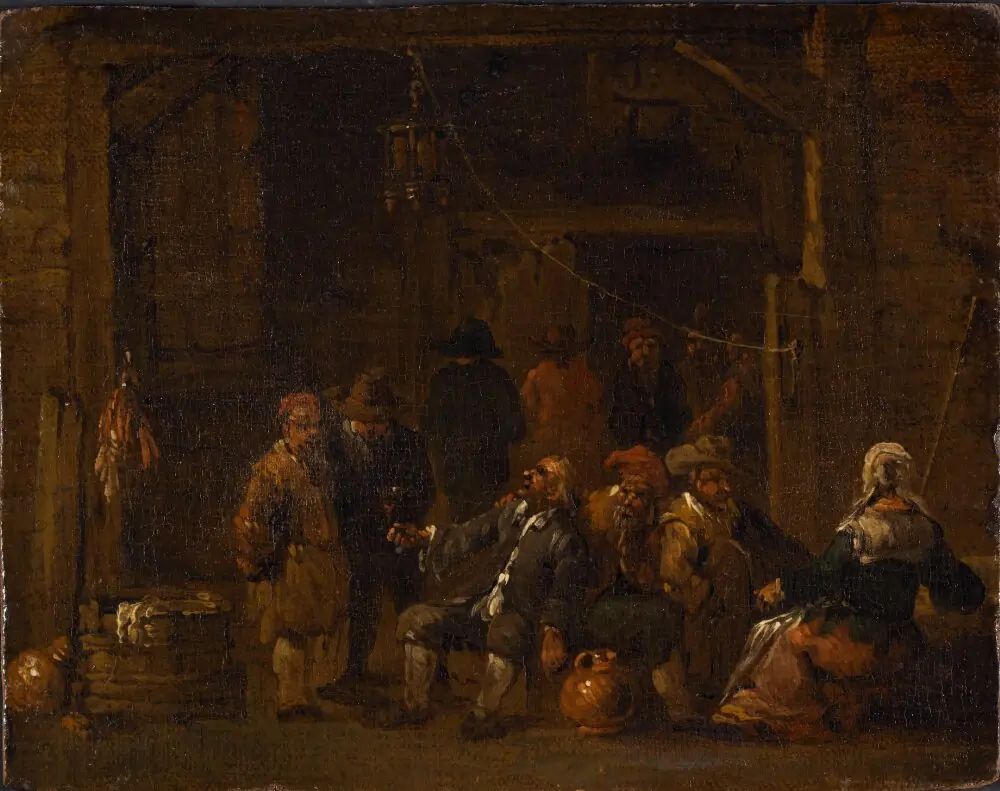
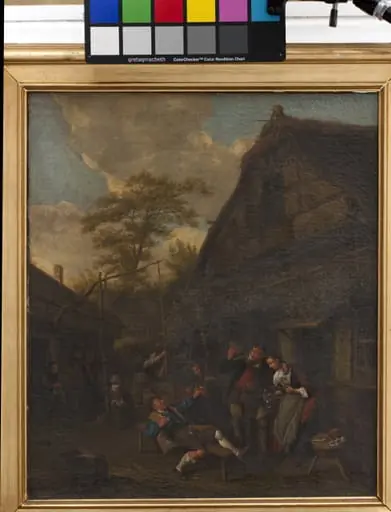
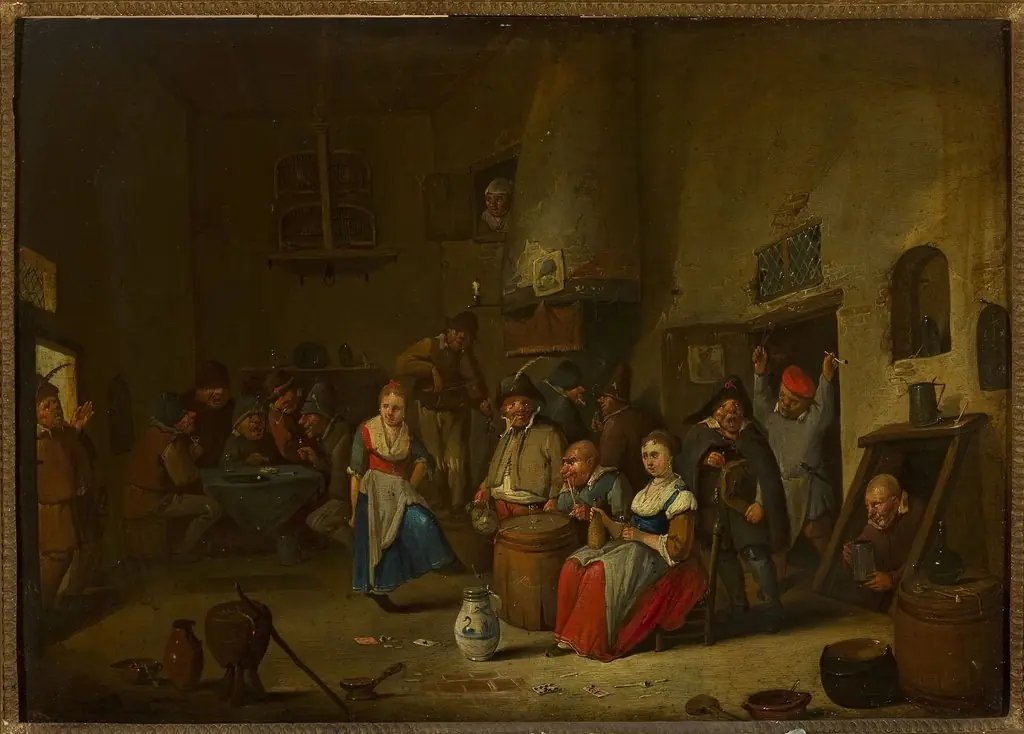
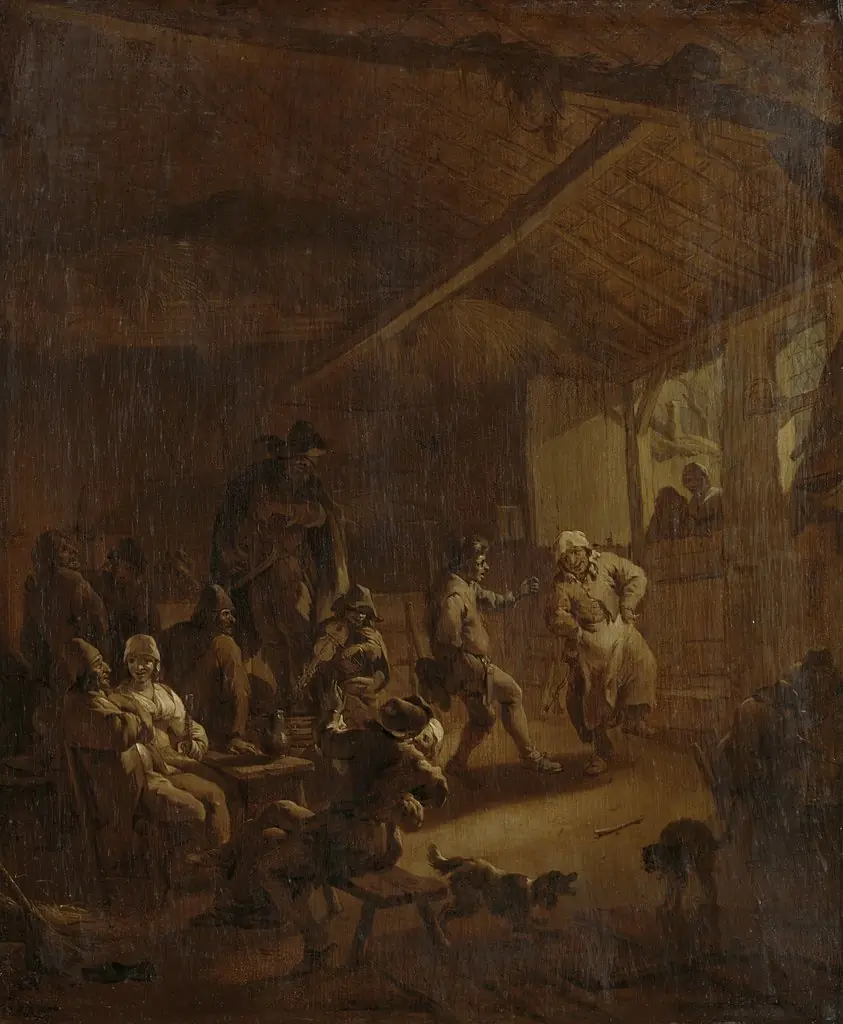
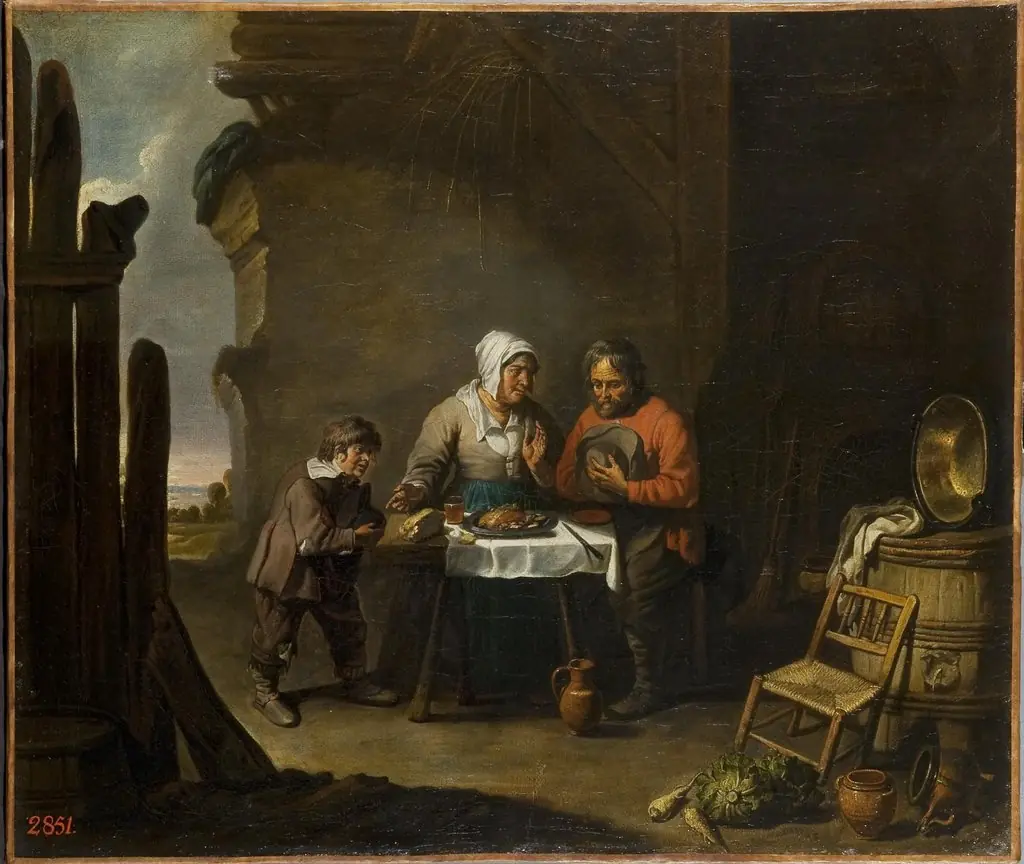
Five figures gather in a humble room, engaged in music and quiet conversation. One man plays a violin, while others listen or rest, a jug nearby suggesting a pause for drink. The scene lacks theatricality; no grand narrative is imposed. Instead, the painting conveys the quiet rhythm of rural leisure, where music serves as both entertainment and social glue among peers.
Technique & Style
Brushwork is loose yet deliberate, capturing texture without polish, reinforcing the scene’s unrefined authenticity.
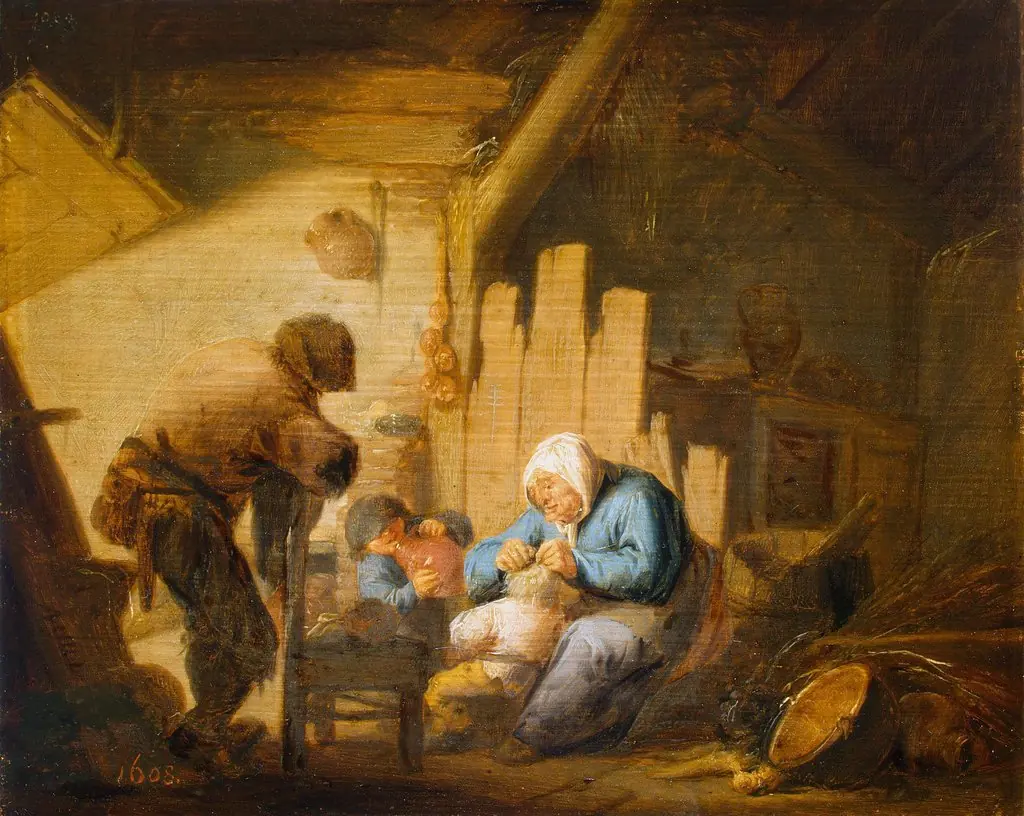
Van Ostade employs chiaroscuro to model forms and direct attention: faces and instruments emerge from deep shadows, while weak light glances off rough walls and scattered objects. The palette is restrained—earthy browns, muted greens, and sooty grays—enhancing the sense of enclosure. Brushwork is loose yet deliberate, capturing texture without polish, reinforcing the scene’s unrefined authenticity.
History & Provenance
The painting dates to the height of van Ostade’s career, when he was refining his depictions of peasant interiors after early influences from his brother and Frans Hals. Though its early ownership is undocumented, it entered public collections in the 19th century, aligning with growing interest in Dutch genre painting as a record of social history rather than elite ideals.
Context
In mid-17th century Holland, genre painting flourished as urban patrons sought relatable imagery beyond religious or mythological themes. Van Ostade’s scenes of rural life resonated as both observation and gentle satire, offering a counterpoint to aristocratic ideals. These works reflected broader cultural curiosity in the lives of the lower classes, even as they remained rooted in local tradition.
Legacy
Van Ostade’s focus on unidealized peasant life influenced later genre painters across Europe. His use of light to isolate human interaction within confined spaces became a model for naturalistic storytelling. While not widely celebrated in his time as a revolutionary, his quiet, detailed observations of daily life now stand as valuable records of 17th-century rural culture.
Artist & collection
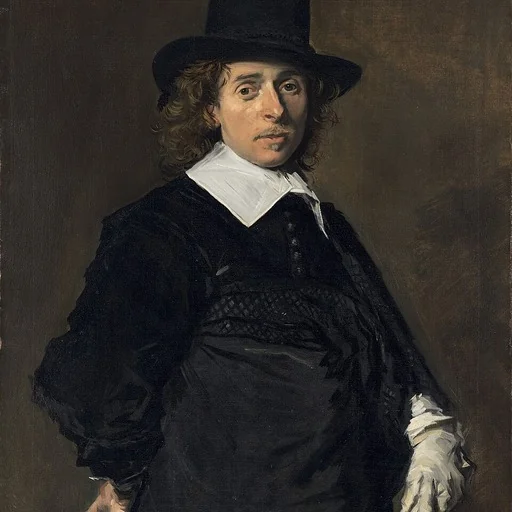
Artist
Adriaen van Ostade (baptized as Adriaen Jansz Hendricx 10 December 1610 – buried 2 May 1685) was a Dutch Golden Age painter of genre works, showing the everyday life of ordinary men and women.