Artwork
The Entombment
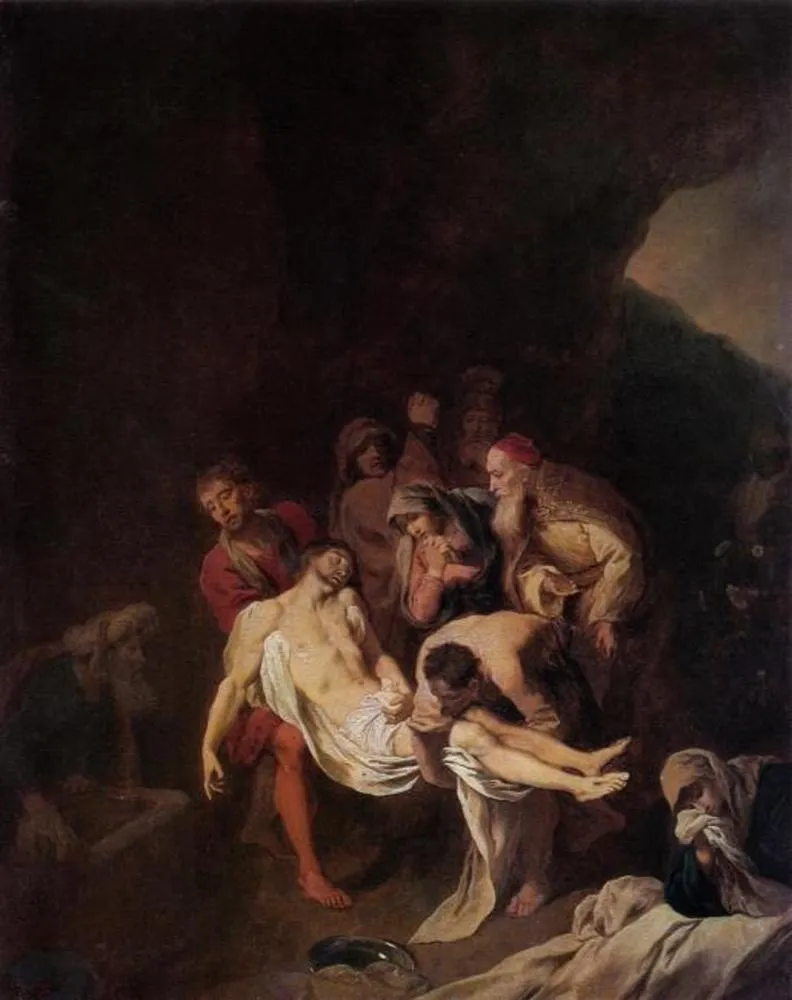
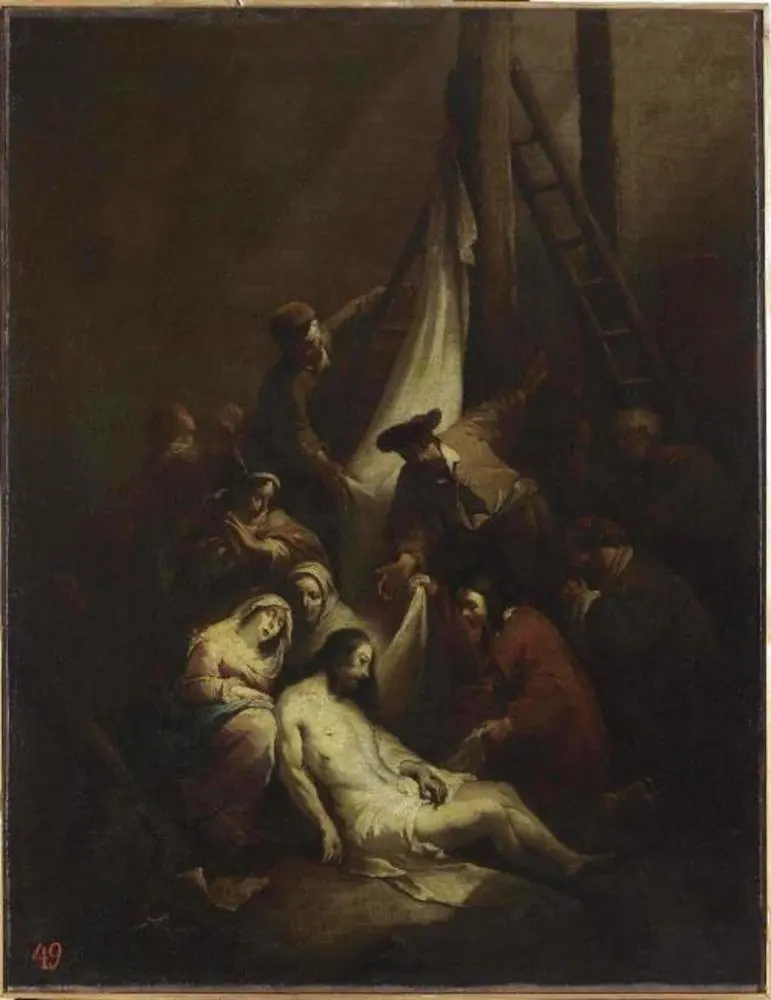
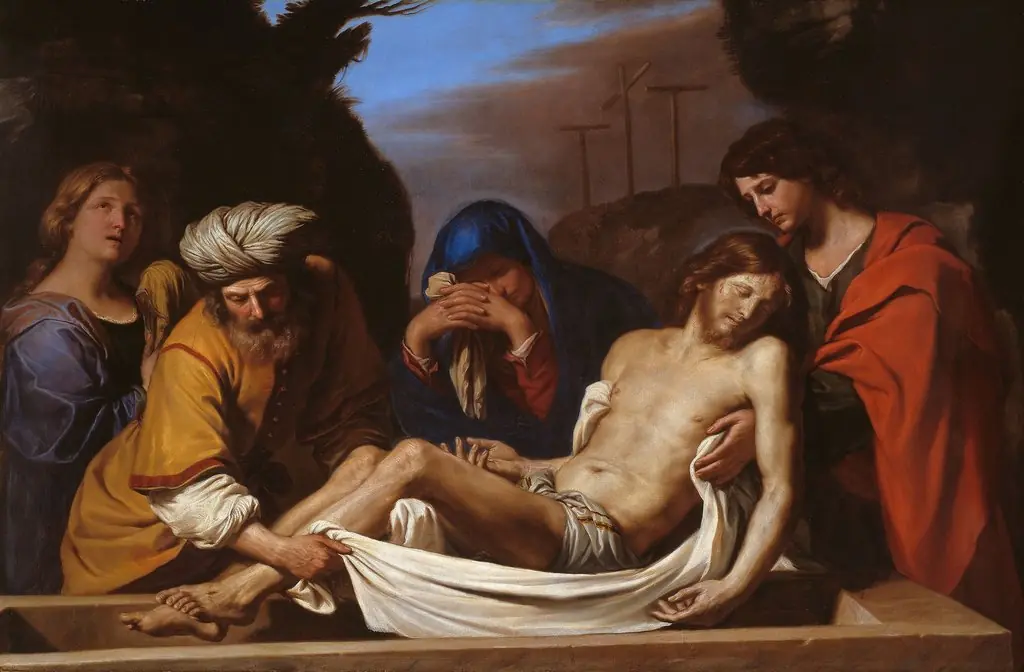
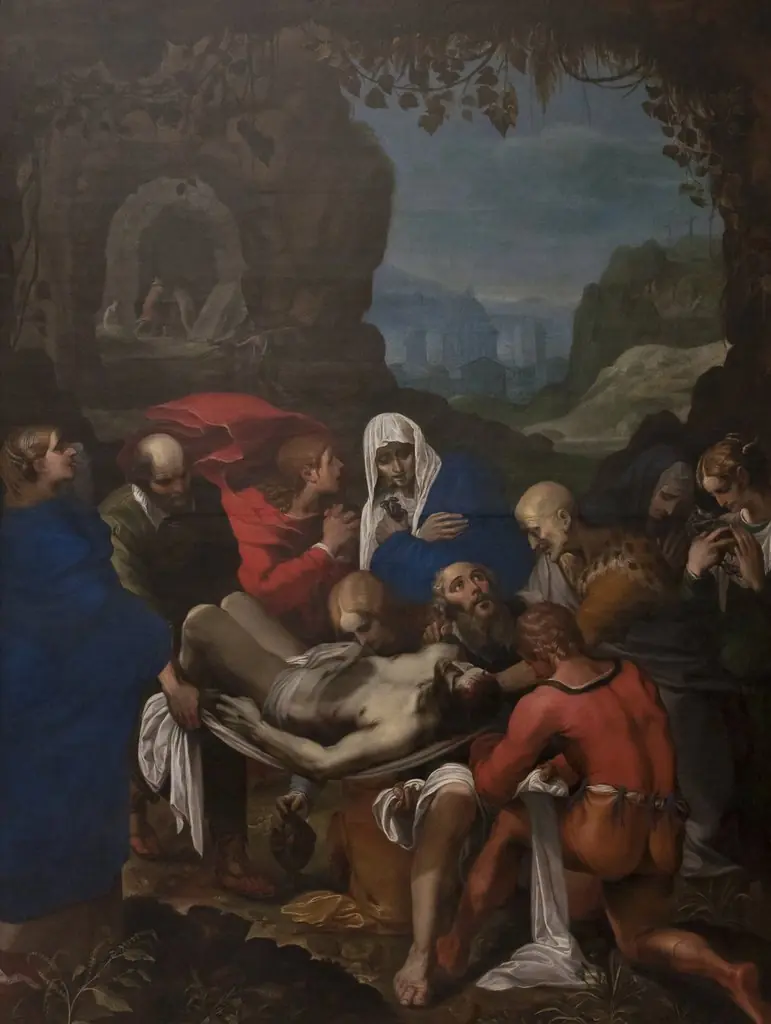
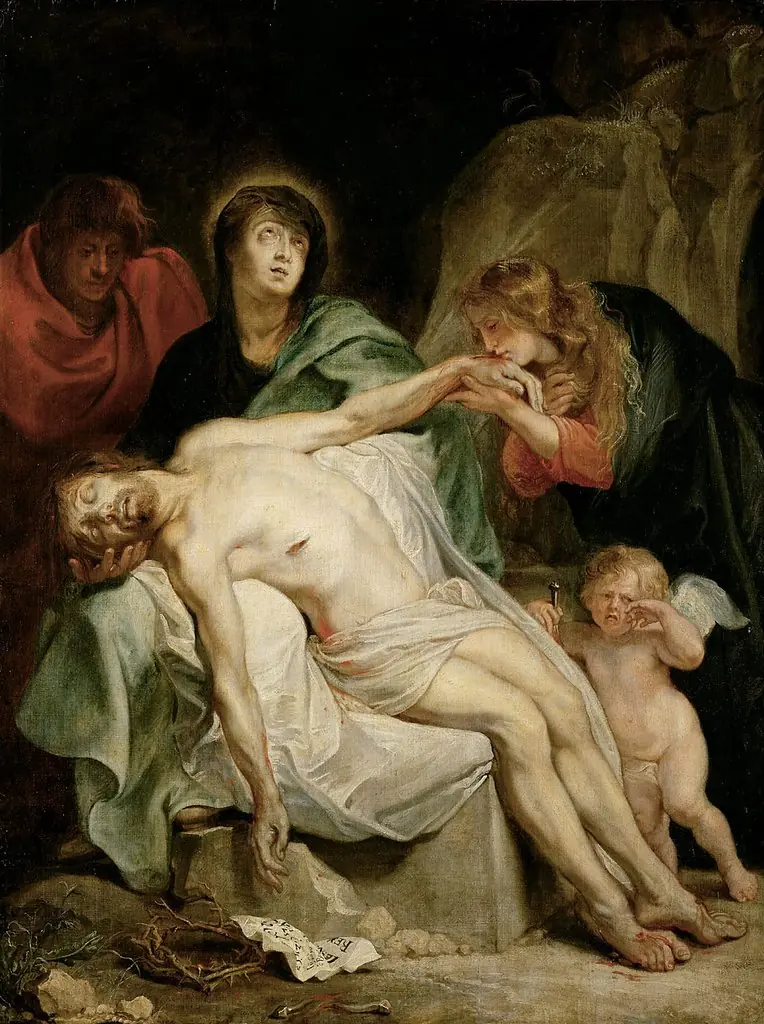
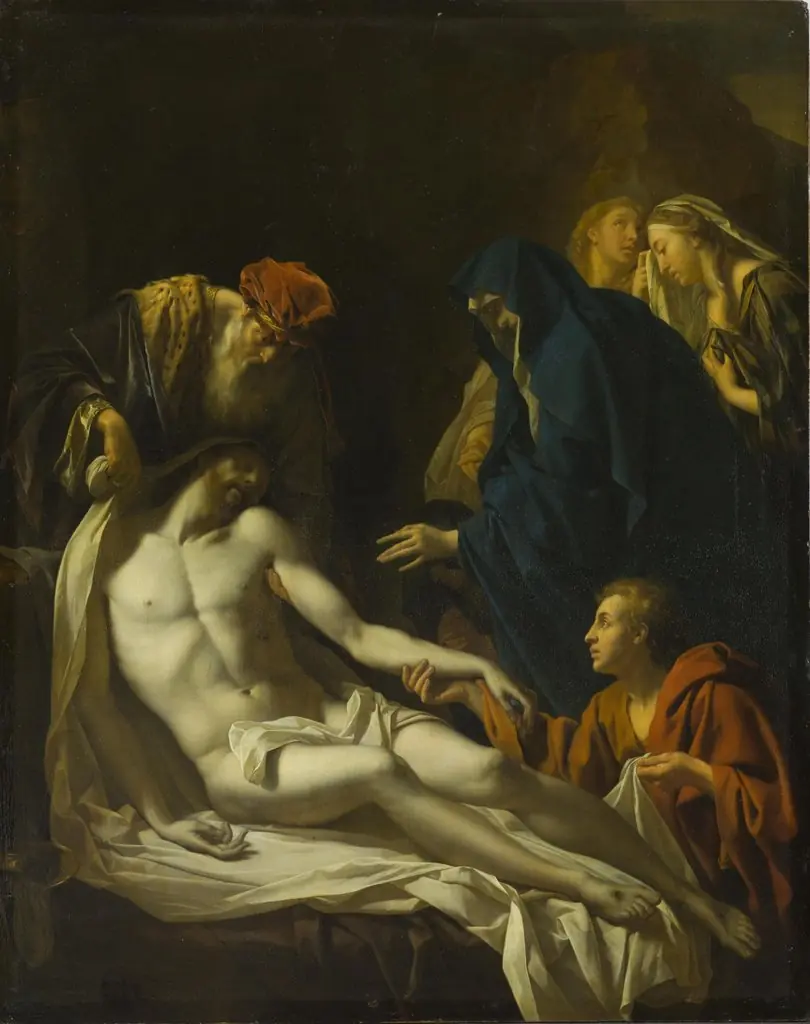
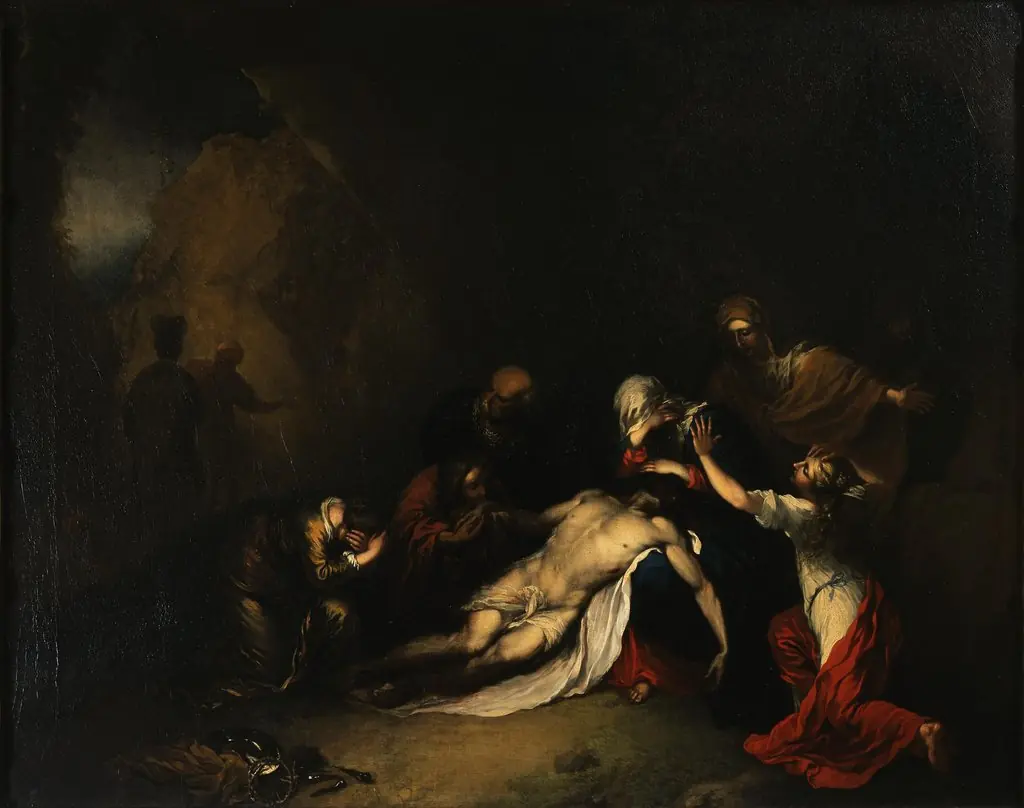
The Entombment is an oil painting by the Rococo painting artist Christian Wilhelm Ernst Dietrich. It dates from 1759 and is held in the collection of the Hermitage Museum.
About this work
Overview
The Entombment, created in 1759 by Christian Wilhelm Ernst Dietrich, is a religious oil painting depicting a scene from Christian theology. Characteristic of the Rococo period, it showcases the artist's penchant for emulating earlier styles.
Subject & Meaning
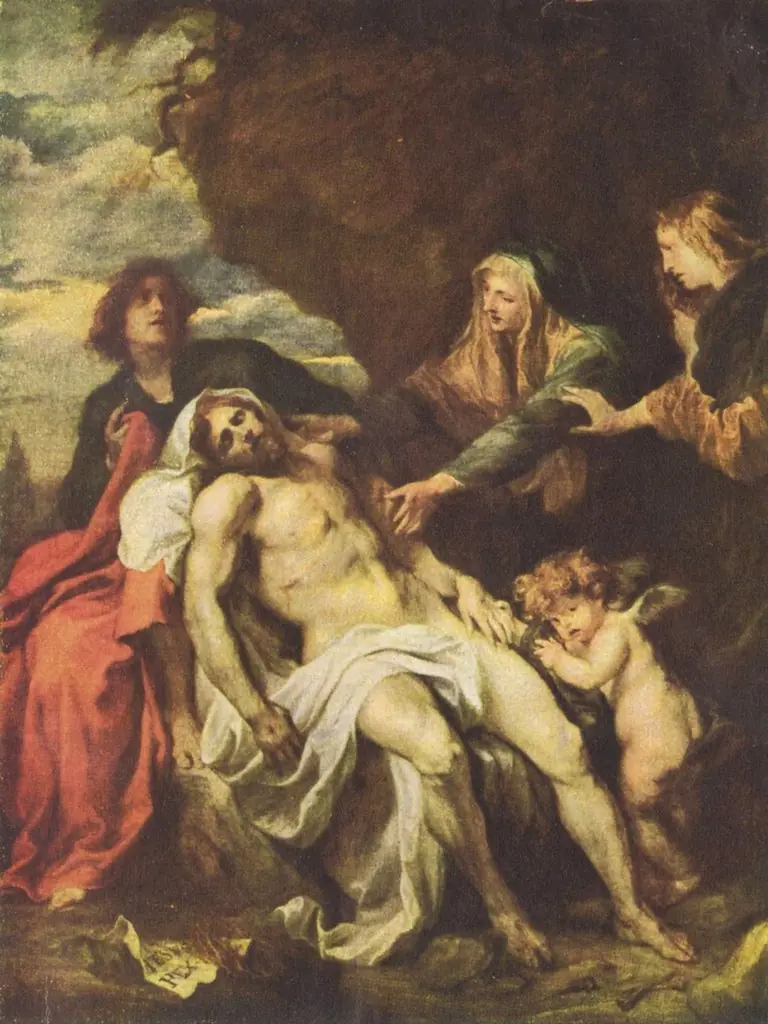
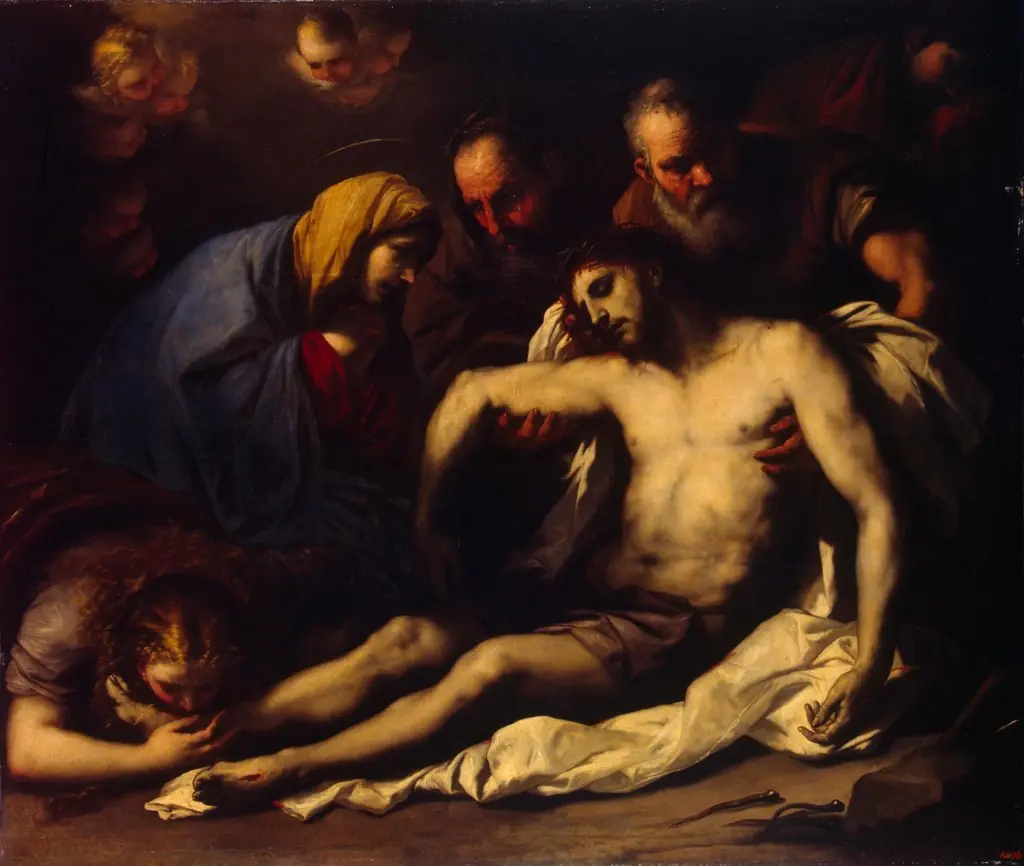
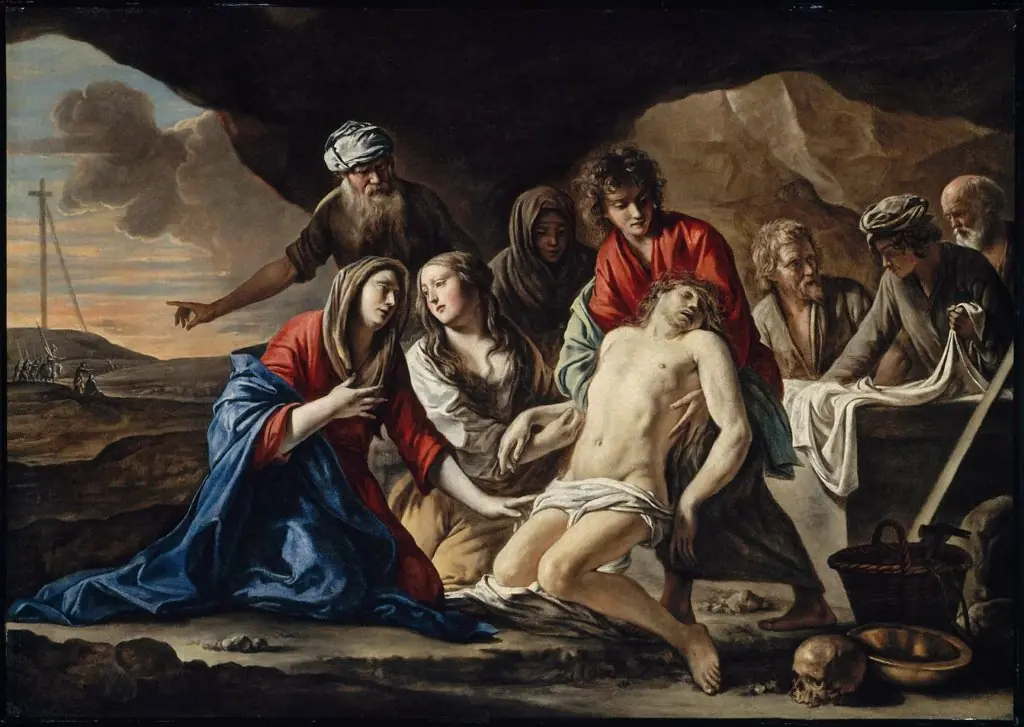
The painting illustrates the entombment of Jesus Christ, with a group of mourners surrounding the wrapped body. The somber atmosphere conveys grief and solemnity, engaging the viewer emotionally.
Technique & Style
Dietrich employs chiaroscuro, a strong contrast between light and dark, to narrate the scene. Light accents on the body and faces create depth, while shadows dominate the background, enhancing the emotional intensity.
History & Provenance
Painted during the Rococo era, The Entombment is now part of the State Hermitage Museum's collection. Dietrich's work, though not distinctly innovative, reflects his skill in mimicking preceding artistic traditions.
Context
As a Rococo piece, it shares the period's emphasis on emotion and detailed lighting effects. However, Dietrich's adherence to traditional styles sets it apart from more innovative works of the time.
Legacy
While not revolutionary in style, The Entombment remains a notable example of 18th-century religious art, appreciated for its technical execution and emotional portrayal of a pivotal Christian moment.
Artist & collection
Artist
Christian Wilhelm Ernst Dietrich
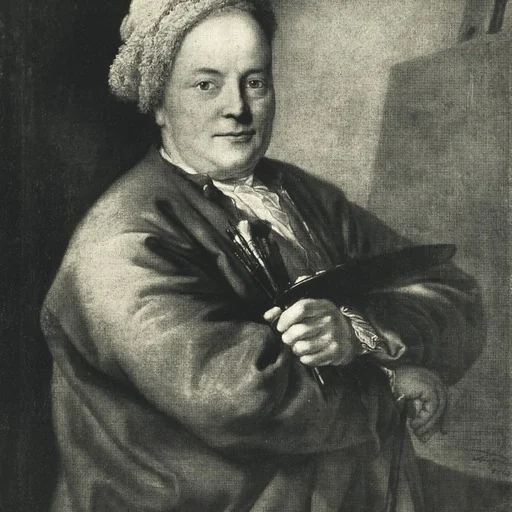
Christian Wilhelm Ernst Dietrich (30 October 1712 – 23 April 1774) was a German painter and art administrator. In his own works, he was adept at imitating many earlier artists, but never developed a style of his own.