Artwork
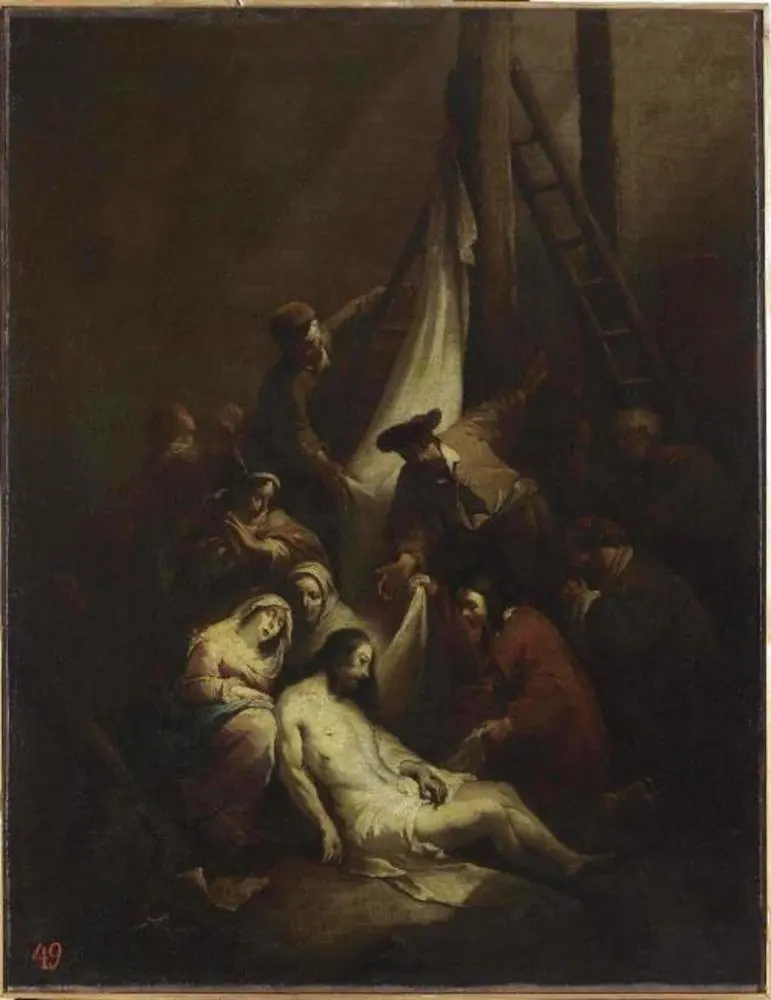
Lamentation of Christ
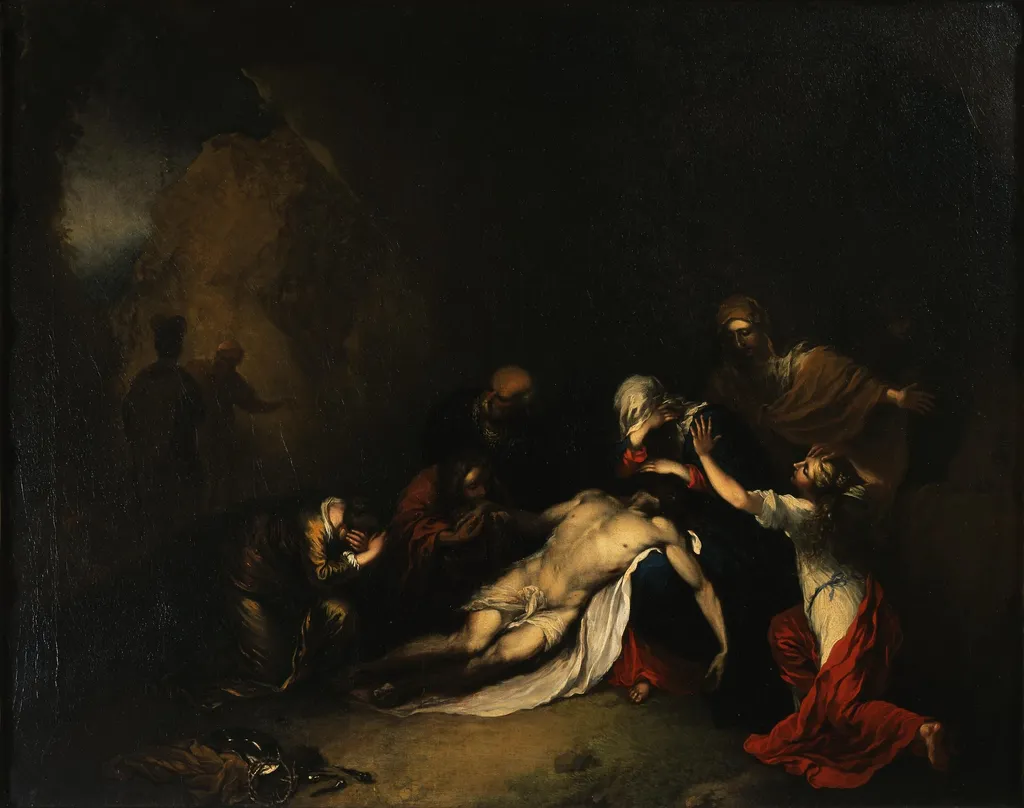
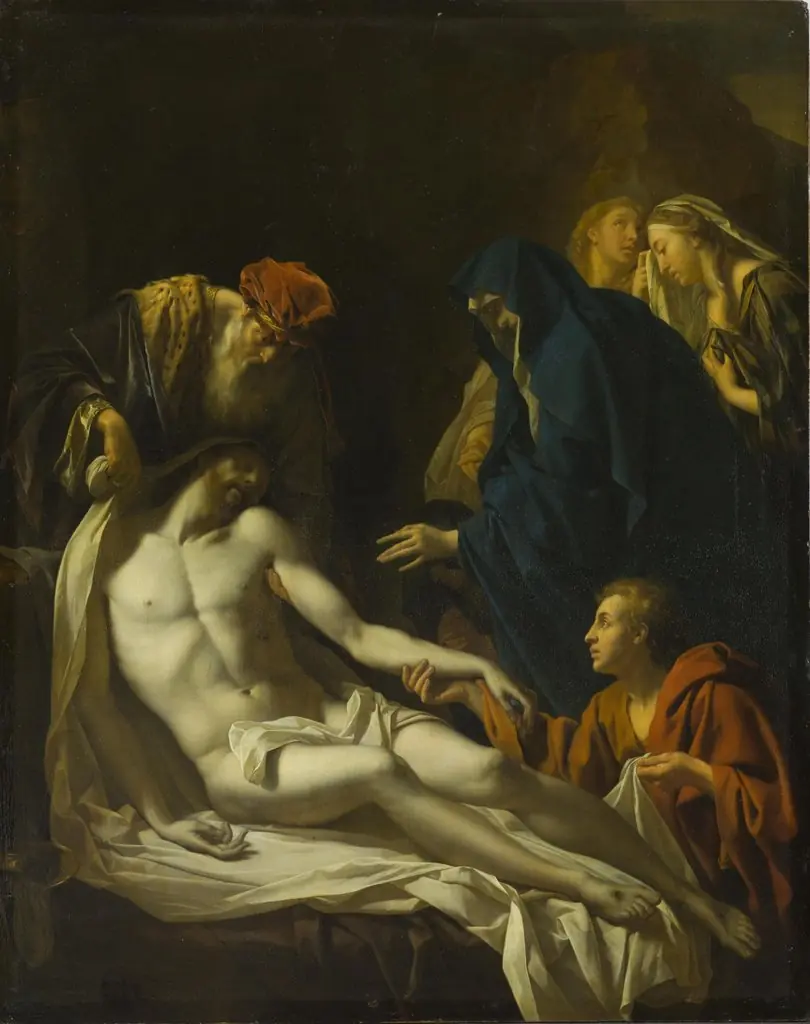
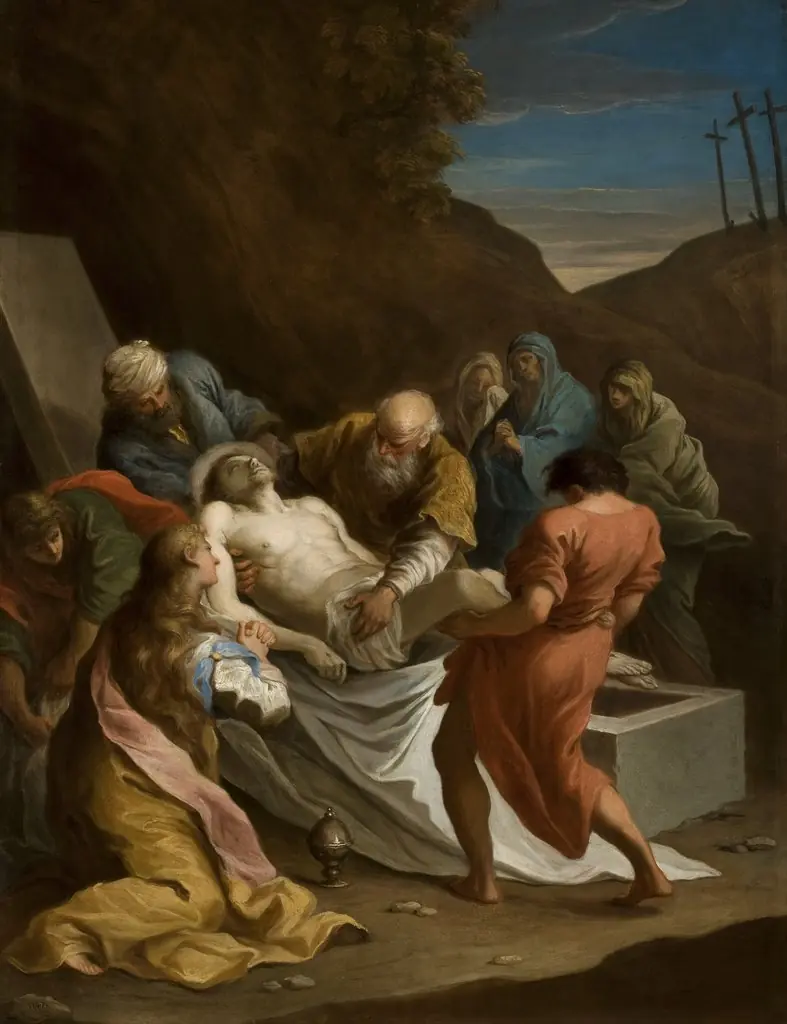
Lamentation of Christ is an oil painting by the Rococo painting artist Christian Wilhelm Ernst Dietrich. It dates from 1734 and is held in the collection of the Gemäldegalerie Berlin.
About this work
Overview
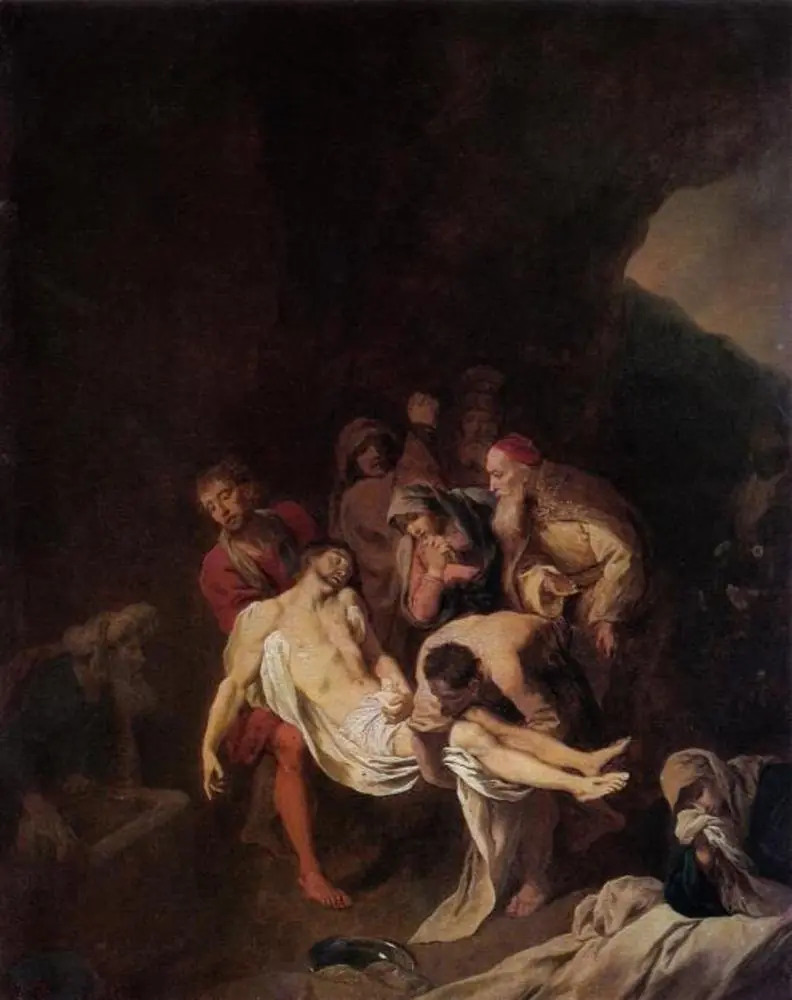
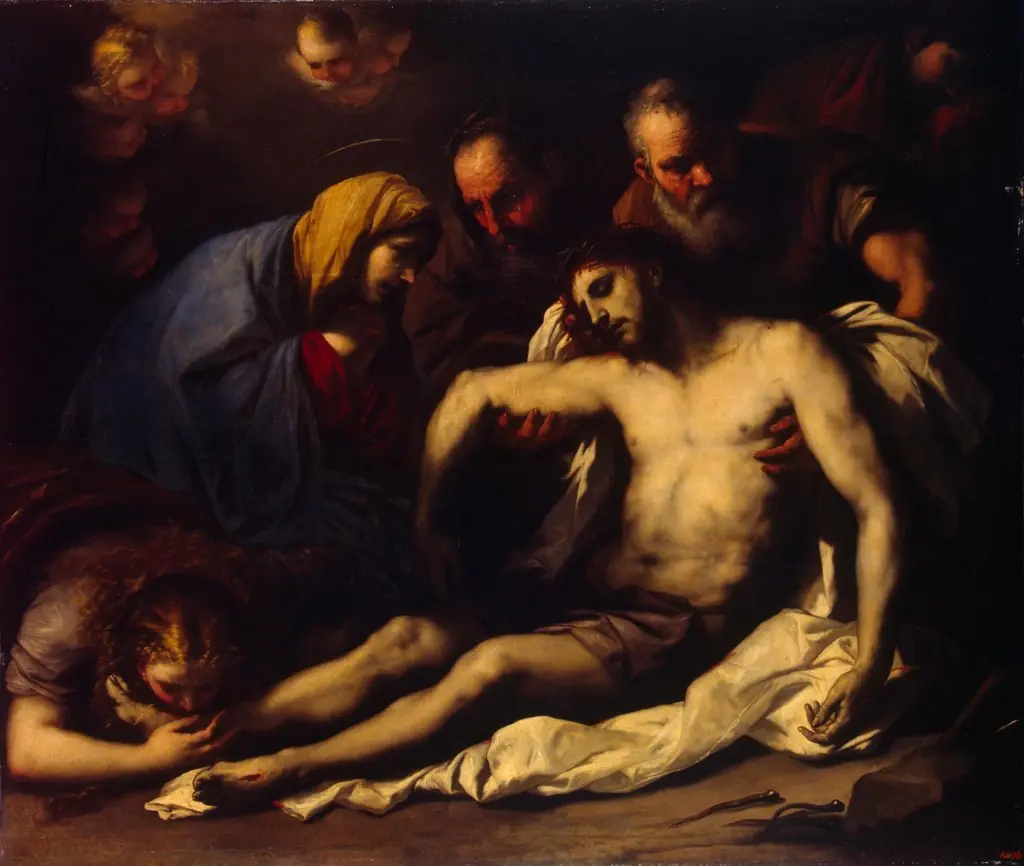
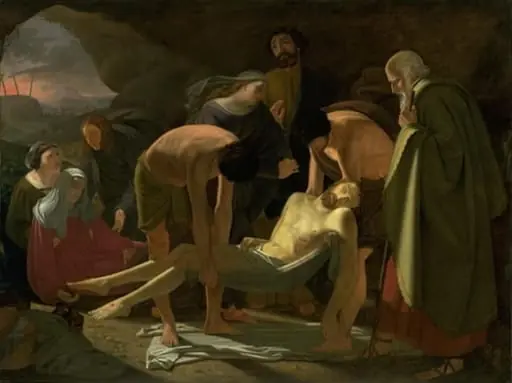
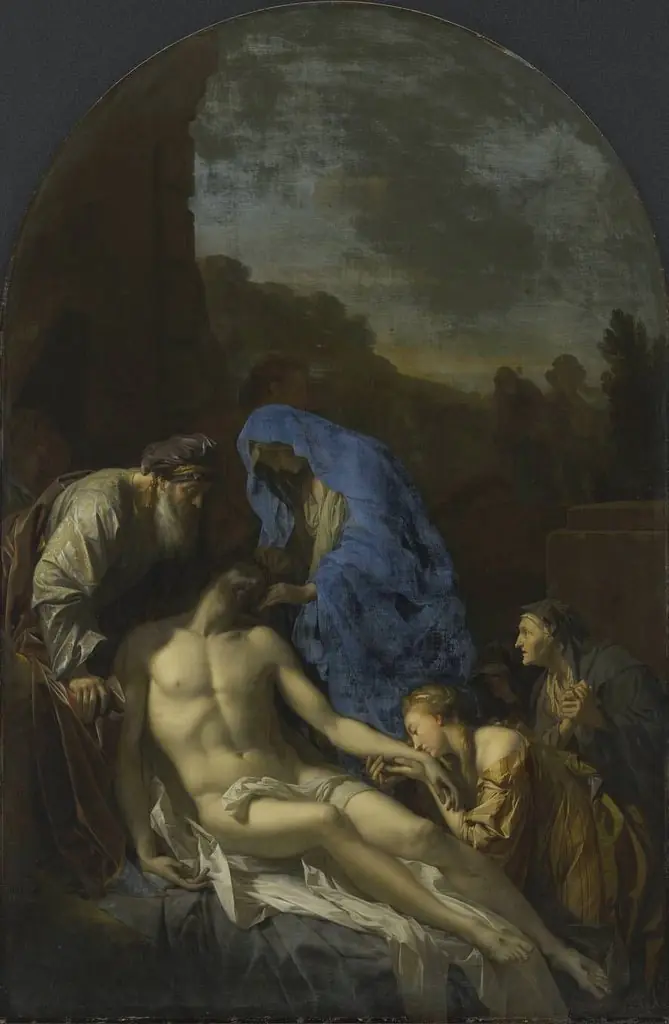
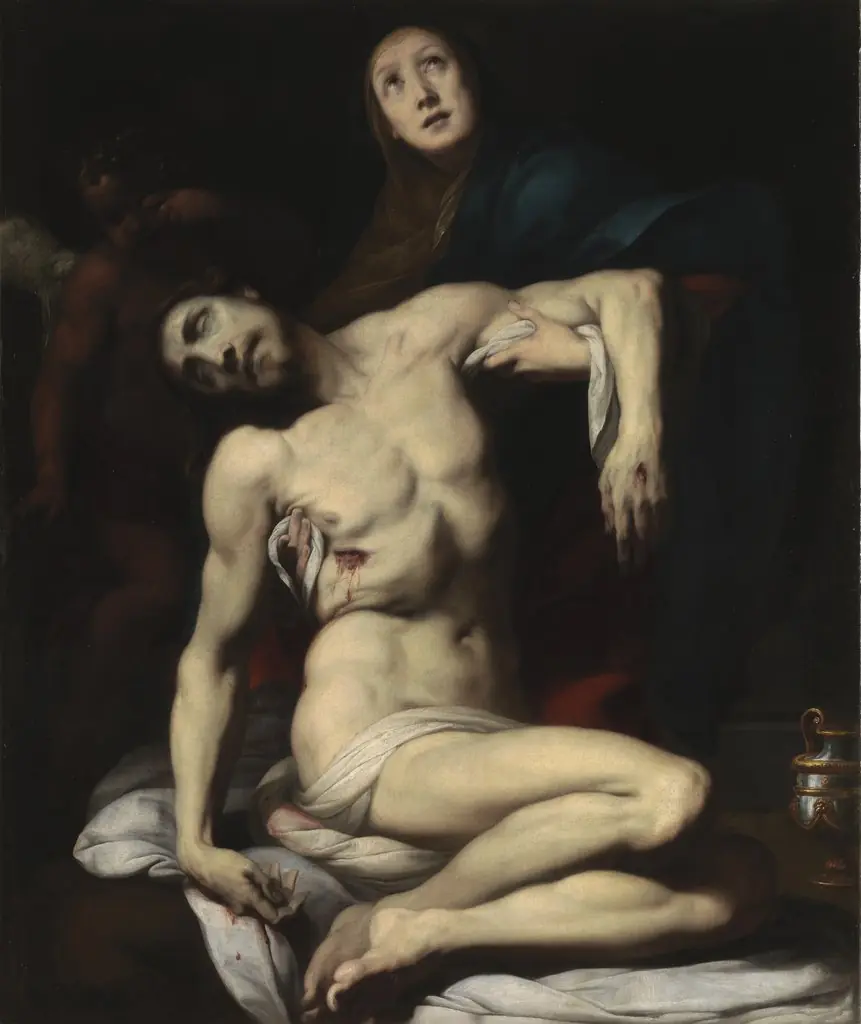
Lamentation of Christ, a 1734 oil painting by Christian Wilhelm Ernst Dietrich, captures a solemn moment of grief. Central to the composition is the lifeless body of Christ, surrounded by mournful figures in various poses, amidst scattered symbolic objects like a crown of thorns and cloth.
Subject & Meaning
The painting depicts the immediate aftermath of Christ's crucifixion, focusing on the emotional response of those gathered. The somber atmosphere conveys profound sorrow and mourning, underscored by the use of chiaroscuro to enhance emotional depth.
Technique & Style
Dietrich employed chiaroscuro, contrasting light and dark to add depth and intensify the emotional impact of the scene. While the work aligns with the Rococo movement, Dietrich's style, known for emulating earlier artists, lacks a distinctive personal touch.
History & Provenance
Created in 1734, Lamentation of Christ is part of the Gemäldegalerie Berlin's collection, reflecting Dietrich's representation in notable European art repositories despite his stylistic derivativeness.
Context
As a Rococo piece, it shares the movement's emphasis on emotion and intimacy, yet its religious subject matter situates it within a broader tradition of Christian art, distinct from the more secular themes often associated with Rococo.
Legacy
While not defining a unique artistic path due to its imitative nature, the painting contributes to the visual narrative of Christ's lamentation in European religious art, offering a glimpse into 18th-century artistic practices and religious themes.
Own this work as a print
Artist & collection
Artist
Christian Wilhelm Ernst Dietrich
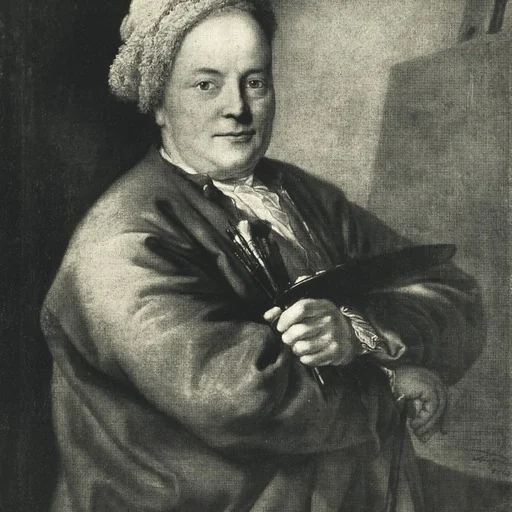
Christian Wilhelm Ernst Dietrich (30 October 1712 – 23 April 1774) was a German painter and art administrator. In his own works, he was adept at imitating many earlier artists, but never developed a style of his own.