Artwork
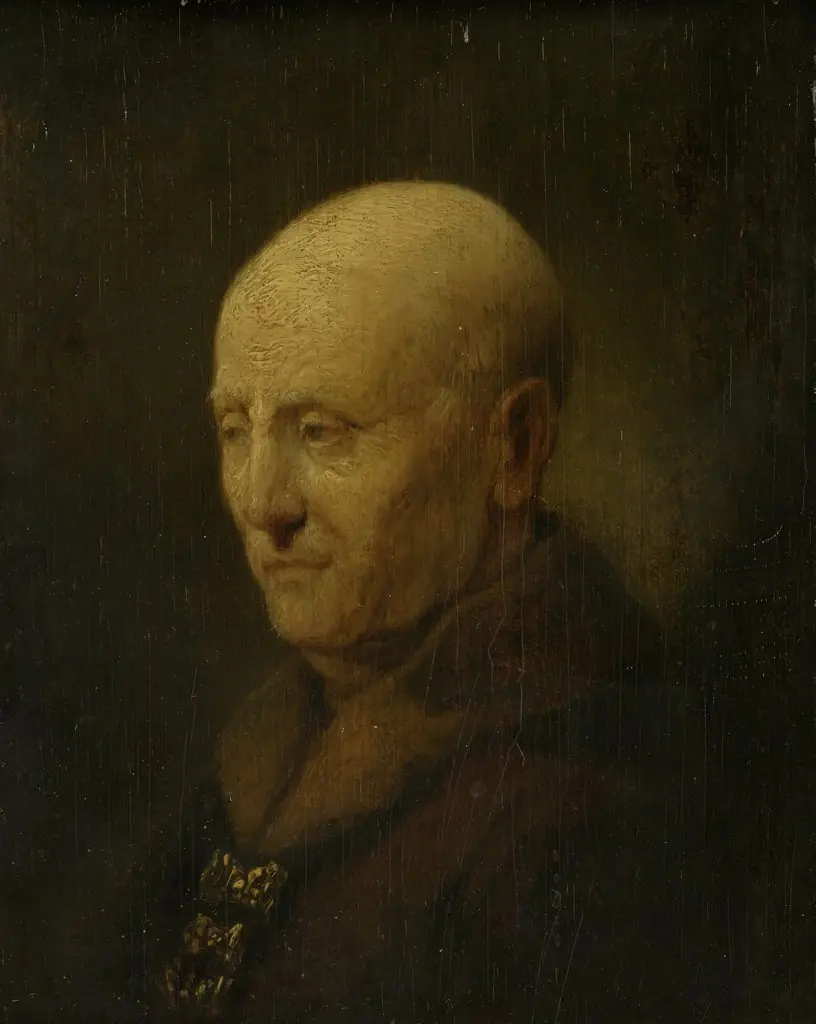
Bust of an Old Man
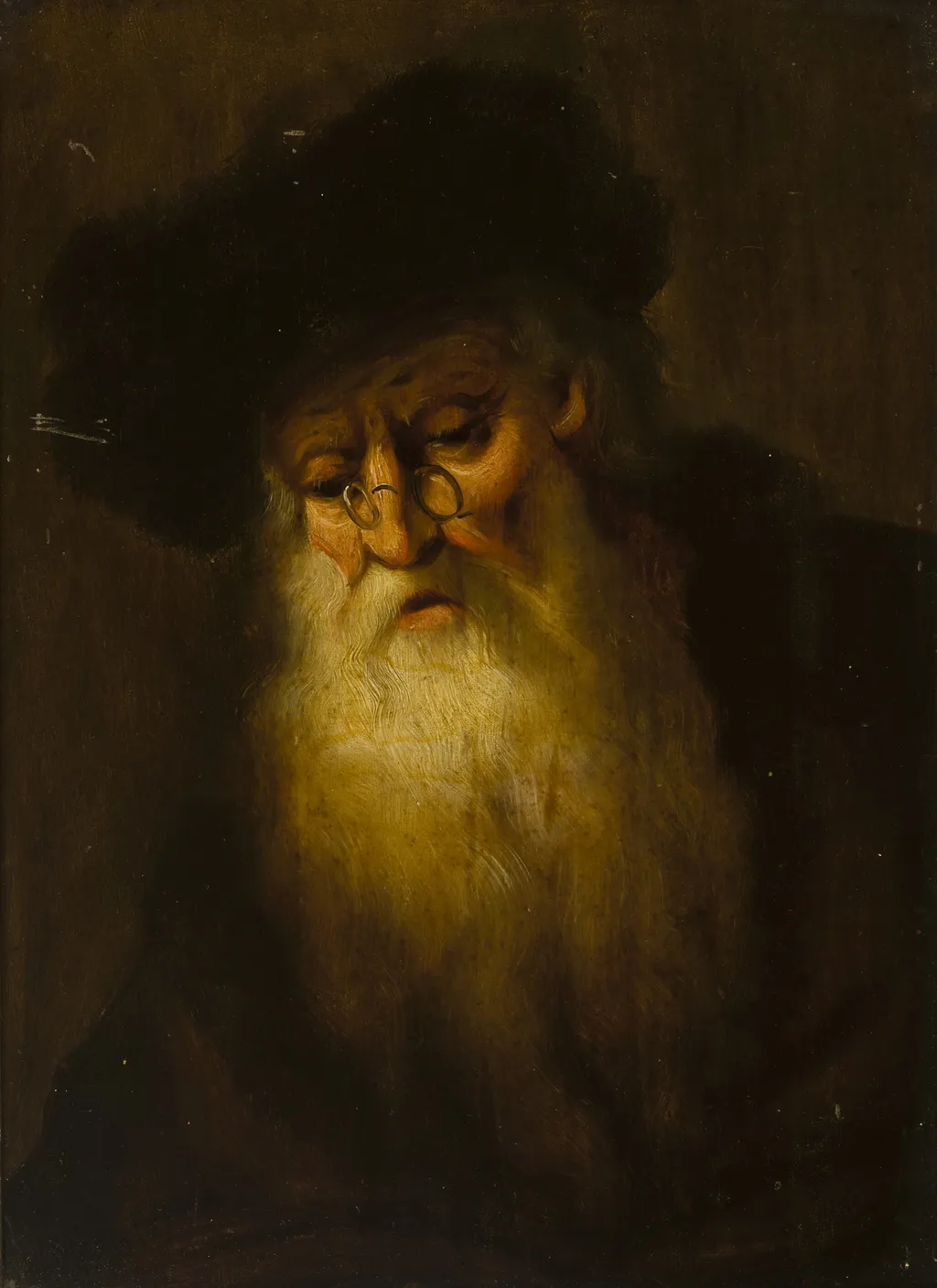
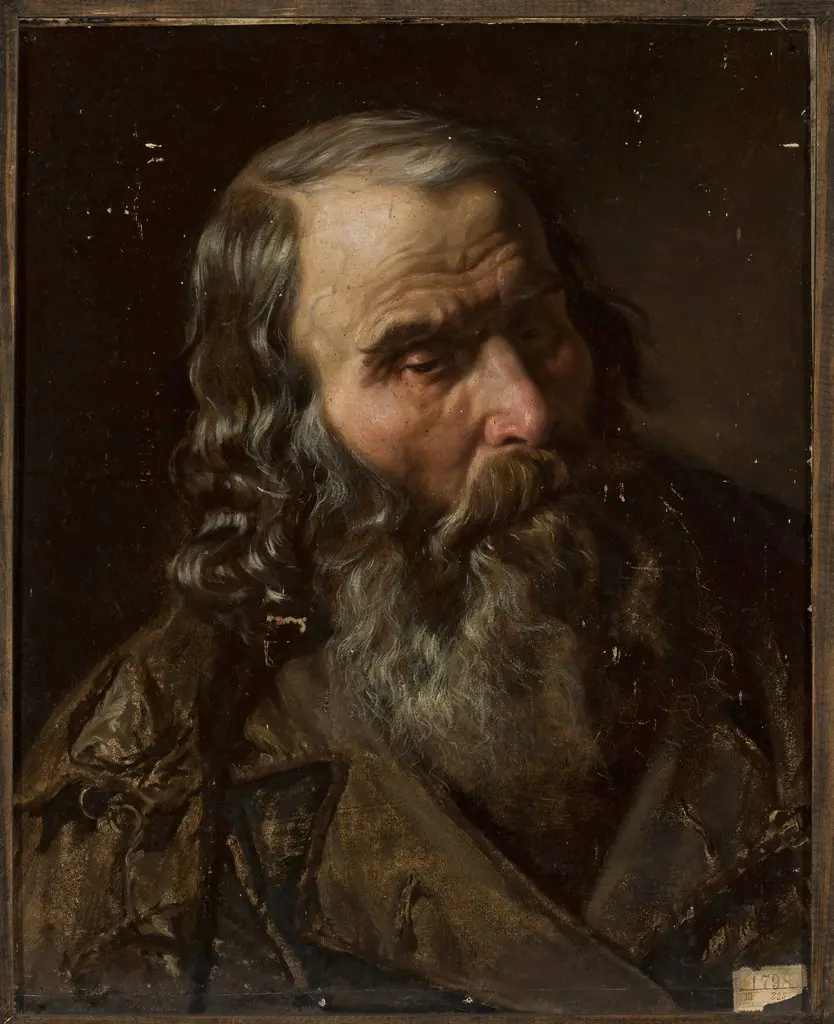
Bust of an Old Man is an unspecified painting by Christian Wilhelm Ernst Dietrich. It dates from 1753 and is held in the collection of the National Museum in Kraków.
About this work
Overview
Dietrich, primarily known for his ability to replicate the styles of earlier masters, produced this piece without developing a highly individualized aesthetic.
Painted around 1753 by the German artist Christian Wilhelm Ernst Dietrich, this work is a portrait study of an elderly man. Dietrich, primarily known for his ability to replicate the styles of earlier masters, produced this piece without developing a highly individualized aesthetic. The painting resides in the National Museum in Kraków, where it is preserved as an example of 18th-century German portraiture.
Subject & Meaning
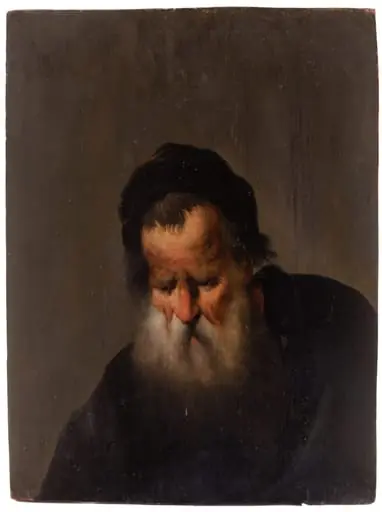
The subject is an aging man, rendered in intimate close-up, his face marked by time and wear. His downward gaze and furrowed brow suggest introspection or resignation. The absence of narrative context or symbolic objects focuses attention on the man’s inner state, inviting quiet contemplation rather than storytelling. The portrait emphasizes dignity in age, not through grandeur, but through restraint and stillness.
Technique & Style
Dietrich employs chiaroscuro to model the face with subtle gradations of light and shadow, giving the skin and beard a tangible volume. The black hat and dark background recede, isolating the face as the sole focus. Brushwork is controlled and precise, avoiding theatricality. The technique reflects an adherence to Baroque traditions, particularly in its emphasis on tonal contrast over color, aligning with earlier Dutch and German portraiture.
History & Provenance
The painting entered the collection of the National Museum in Kraków in the 19th century, likely as part of a broader acquisition of Central European artworks. Its origins before this are undocumented, though Dietrich’s known activity in Dresden and his role as an art administrator suggest it may have been created for private or academic use rather than public display.
Context
In mid-18th-century Germany, portraiture often served as a vehicle for moral or philosophical reflection, especially in academic circles. Dietrich’s work aligns with this trend, favoring psychological depth over social status. His emulation of older styles was common among artists trained in academies, where mastery of historical techniques was valued more than originality.
Legacy
Though Dietrich did not pioneer a new artistic language, his works, including this bust, remain valuable as records of artistic practice in Enlightenment-era Germany. The painting exemplifies how artists of the period engaged with tradition, using established methods to convey human presence without embellishment. It continues to be studied for its quiet realism and technical discipline.
Own this work as a print
Artist & collection
Artist
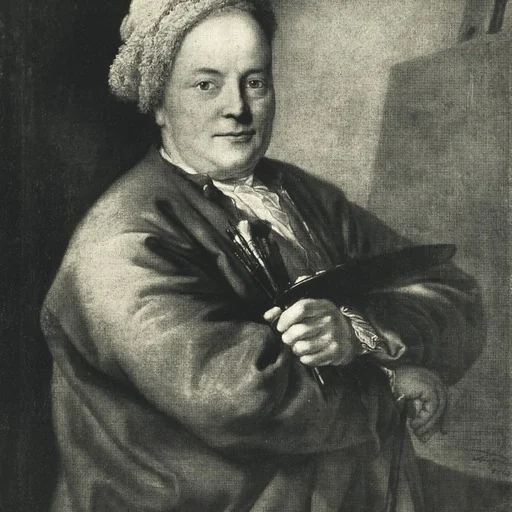
Christian Wilhelm Ernst Dietrich
Christian Wilhelm Ernst Dietrich (30 October 1712 – 23 April 1774) was a German painter and art administrator. In his own works, he was adept at imitating many earlier artists, but never developed a style of his own.