Artwork
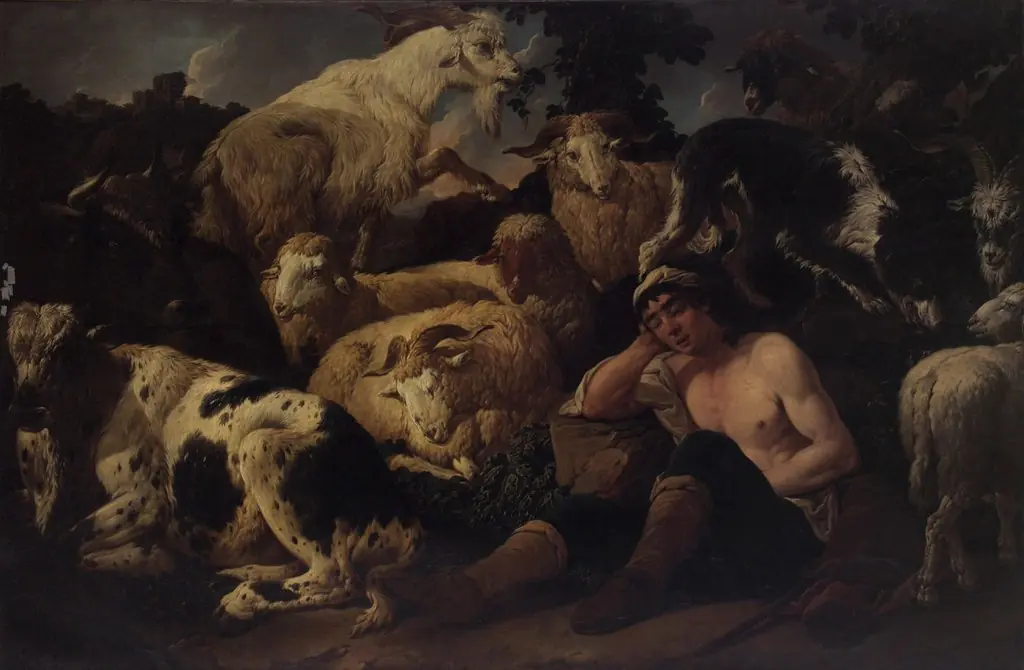
The Sleeping Shepherd
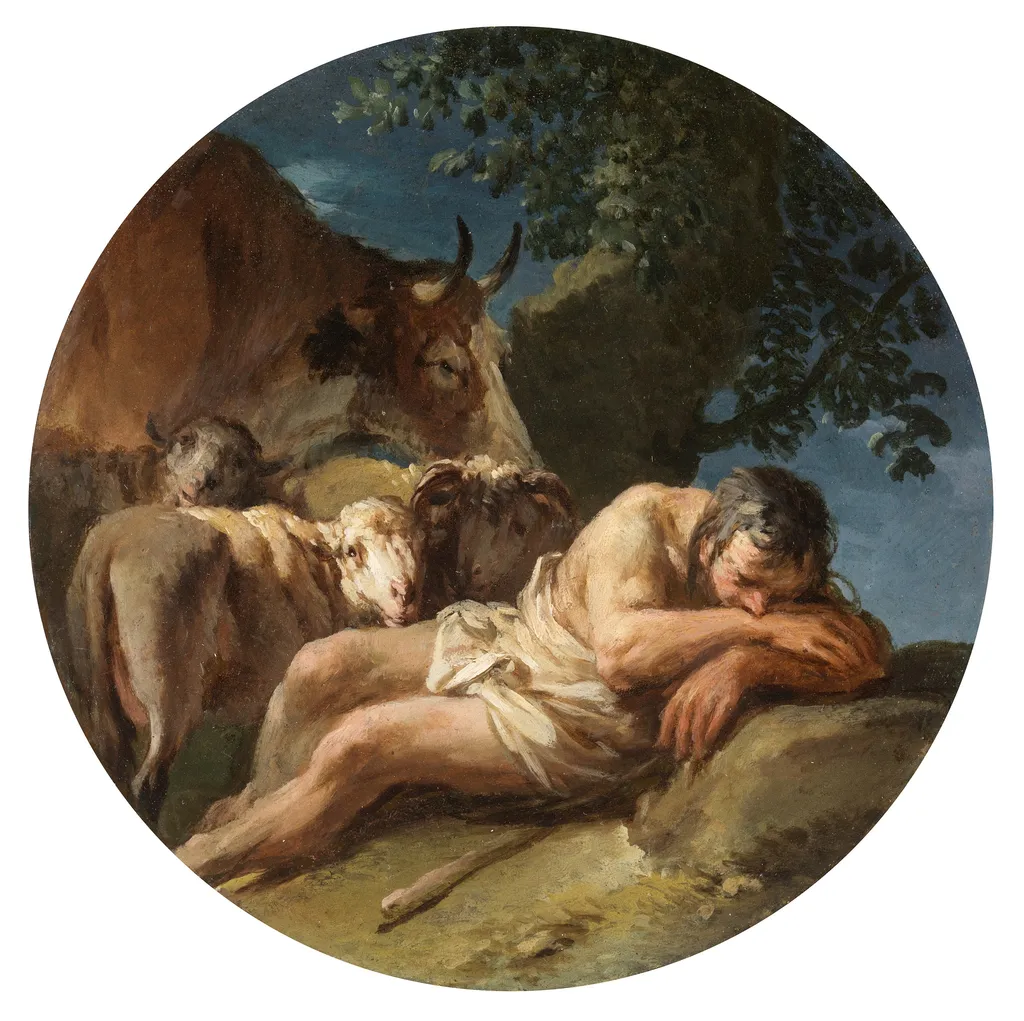
The Sleeping Shepherd is an unspecified painting by Christian Wilhelm Ernst Dietrich. It dates from 1753 and is held in the collection of the National Gallery of Ireland.
About this work
Overview
The work reflects his technical proficiency and sensitivity to pastoral themes, aligning with 18th-century tastes for tranquil, idealized rural scenes.
Christian Wilhelm Ernst Dietrich painted *The Sleeping Shepherd* circa 1753, during his tenure as an art administrator in Germany. Though he was known for his skill in imitating the styles of earlier masters, he did not establish a unique artistic voice. The work reflects his technical proficiency and sensitivity to pastoral themes, aligning with 18th-century tastes for tranquil, idealized rural scenes. It remains part of the National Gallery of Ireland’s collection.
Subject & Meaning
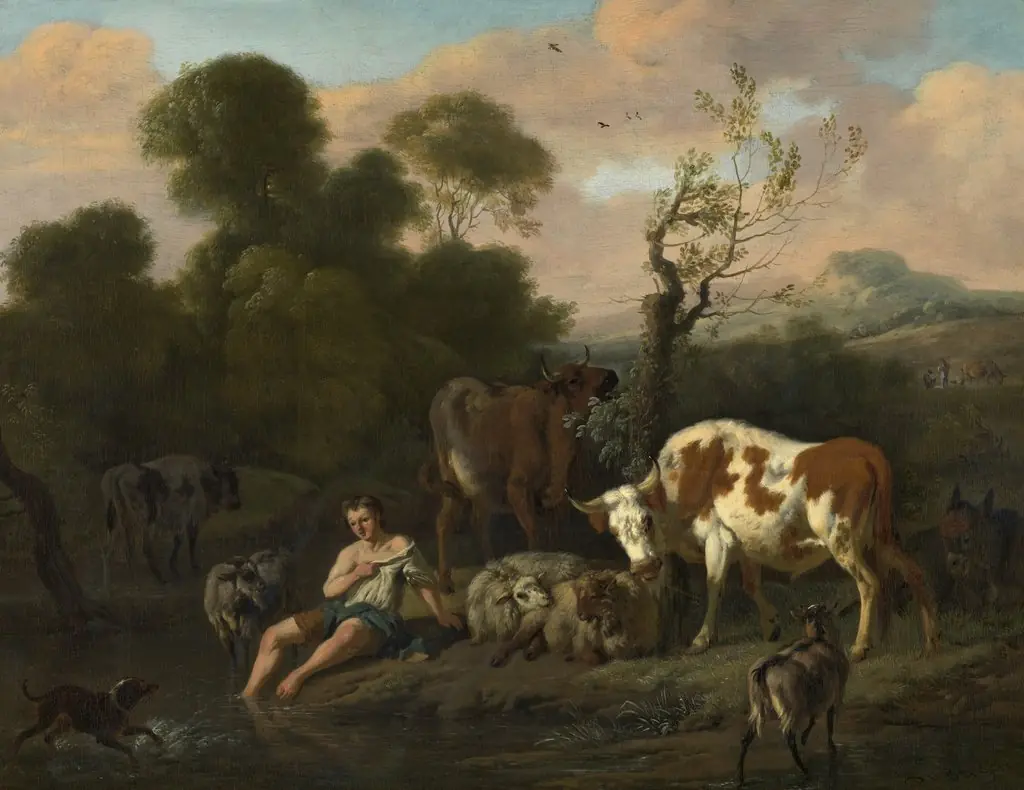
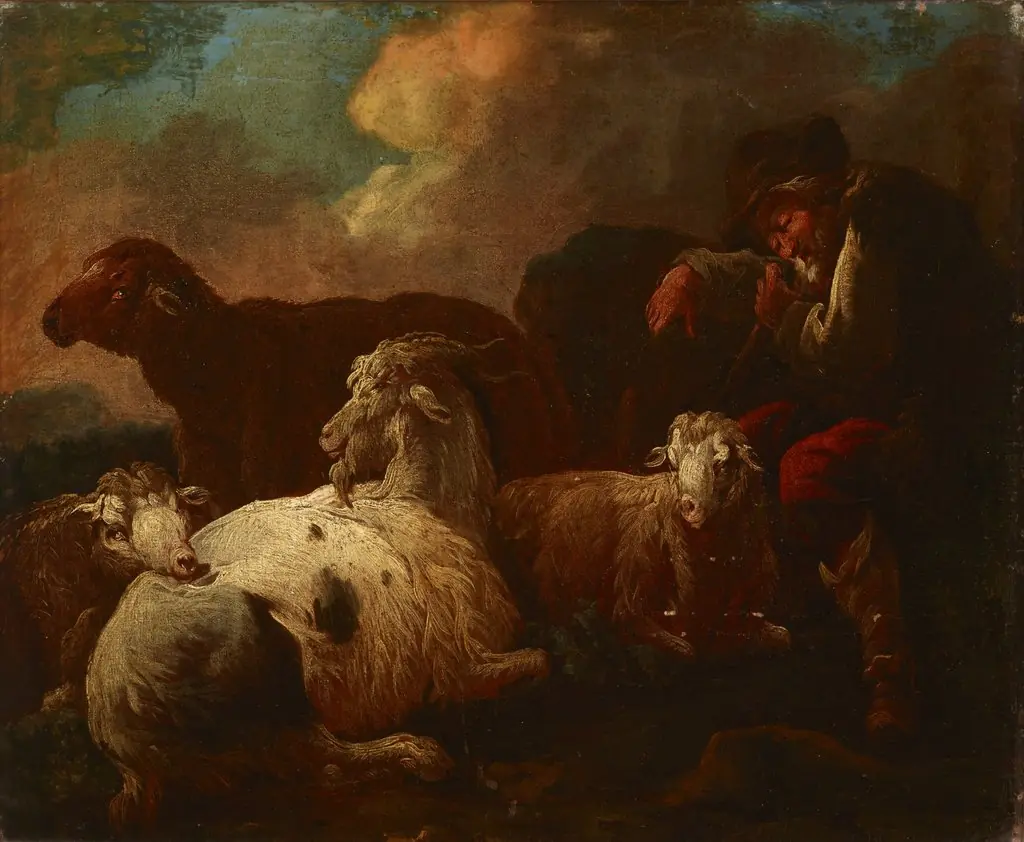
The painting depicts a shepherd reclining peacefully amid his flock, his body relaxed and his head supported by his arm. The sheep and a single cow stand nearby, their stillness suggesting vigilance or quiet companionship. The scene evokes a sense of harmony between human and animal, rooted in classical pastoral ideals. There is no narrative drama—only repose, inviting contemplation of solitude and nature’s quiet rhythms.
Technique & Style
Dietrich employed soft, muted tones and delicate brushwork to convey a calm atmosphere. Chiaroscuro is used subtly to model forms and suggest depth, particularly in the shepherd’s tunic and the folds of the earth. The landscape behind is rendered with loose, atmospheric strokes, enhancing the sense of open air. The composition avoids sharp contrasts, favoring a gentle transition between light and shadow to reinforce tranquility.
History & Provenance
Created in the mid-18th century, the painting entered the National Gallery of Ireland’s collection through documented acquisition, though its earlier ownership remains unrecorded. Dietrich’s role as a curator and copyist likely influenced the work’s conservative aesthetic. It was never widely exhibited outside institutional settings, preserving its quiet reputation as a study in serene observation rather than public spectacle.
Context
In mid-1700s Germany, pastoral subjects were favored in academic circles as expressions of moral and aesthetic purity. Dietrich worked within this tradition, drawing from Dutch and Italian precedents rather than innovating. His painting reflects broader European interests in idealized rural life, shaped by Enlightenment ideals and a growing appreciation for nature as a refuge from urban complexity.
Legacy
Though Dietrich’s individual style was overshadowed by his role as a reproducer of older masters, *The Sleeping Shepherd* endures as a quiet example of 18th-century German pastoral painting. It contributes to the understanding of how academic artists engaged with tradition without asserting personal innovation. The work remains a modest but resonant artifact of its time, valued for its calm execution and emotional restraint.
Artist & collection
Artist
Christian Wilhelm Ernst Dietrich
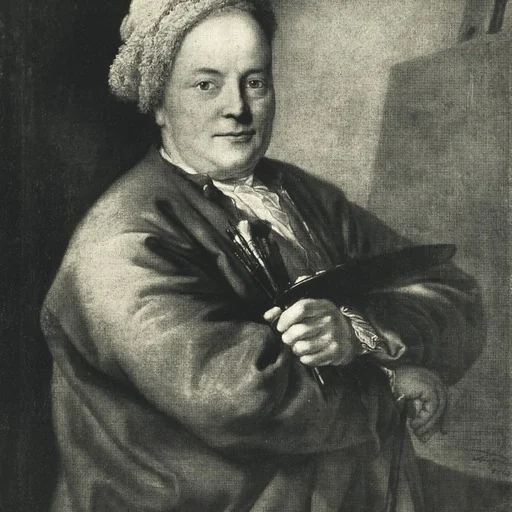
Christian Wilhelm Ernst Dietrich (30 October 1712 – 23 April 1774) was a German painter and art administrator. In his own works, he was adept at imitating many earlier artists, but never developed a style of his own.