Artwork
The 84-Gun Danish Warship "Dronning Marie" in the Sound
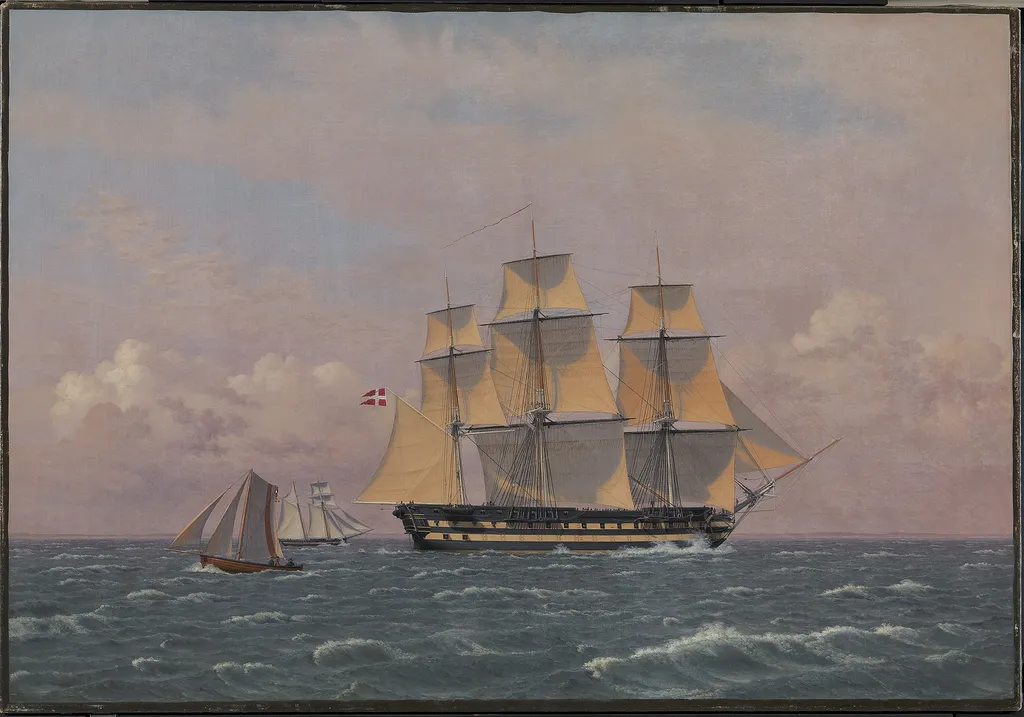
The 84-Gun Danish Warship "Dronning Marie" in the Sound is an oil painting by Christoffer Wilhelm Eckersberg. It dates from 1834 and is held in the collection of the Statens Museum for Kunst.
About this work
Overview
Christoffer Wilhelm Eckersberg’s 1834 oil painting portrays the Danish 84‑gun ship Dronning Marie navigating the strait known as the Sound. Rendered in the marine genre, the canvas captures the vessel’s three masts, intricate rigging and the play of light on choppy water beneath a partly clouded sky. The work is held in the collection of Denmark’s National Gallery, Statens Museum for Kunst.
Subject & Meaning
The composition centers on the warship Dronning Marie, a symbol of Denmark’s naval strength in the early nineteenth century. By situating the ship amid turbulent waters and a luminous sky, Eckersberg emphasizes both the vessel’s formidable presence and the natural forces it must confront, suggesting a dialogue between human engineering and the maritime environment.
Technique & Style
Eckersberg employs precise draftsmanship and a restrained palette typical of his academic training, while rendering atmospheric effects with subtle gradations of light. Fine brushwork delineates ropes, hull planking and sailcloth, whereas broader strokes convey the movement of water and clouds, achieving a balance between meticulous detail and overall tonal harmony.
History & Provenance
Completed in 1834, the painting entered the holdings of Statens Museum for Kunst, where it remains on display. It reflects Eckersberg’s mature period, during which he produced several marine subjects that documented contemporary Danish vessels and contributed to the museum’s early acquisitions of national art.
Context
Created during Denmark’s Golden Age of painting, the work aligns with a broader cultural interest in documenting the nation’s maritime heritage. Eckersberg, often called the “father of Danish painting,” taught at the Royal Academy and influenced a generation of artists who similarly combined scientific observation with artistic representation.
Artist & collection
Artist
Christoffer Wilhelm Eckersberg
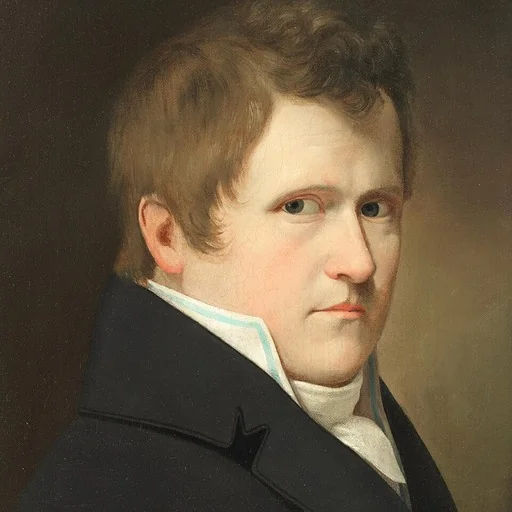
Christoffer Wilhelm Eckersberg (2 January 1783 – 22 July 1853) was a Danish painter.

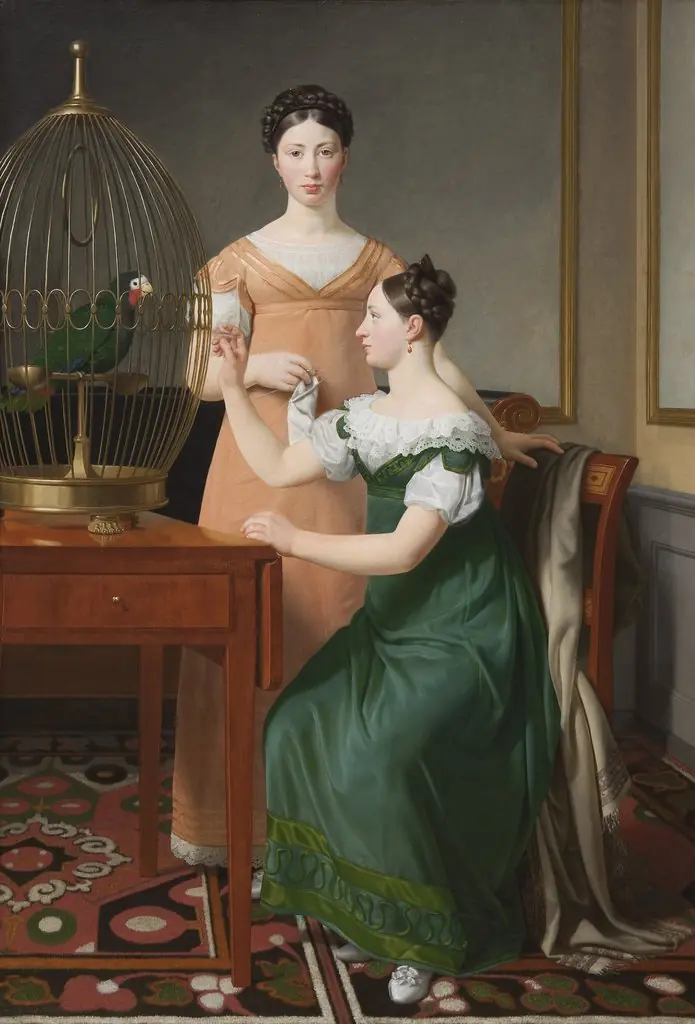 Bella and Hanna. The Eldest Daughters of M. L. Nathanson
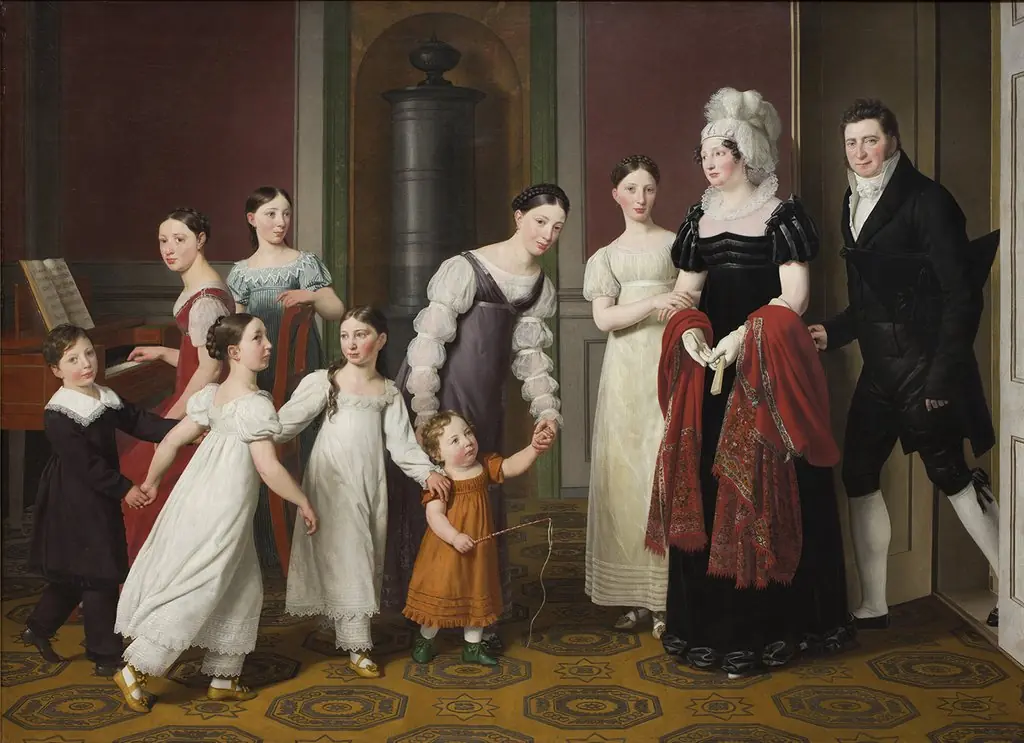 Familien Nathanson
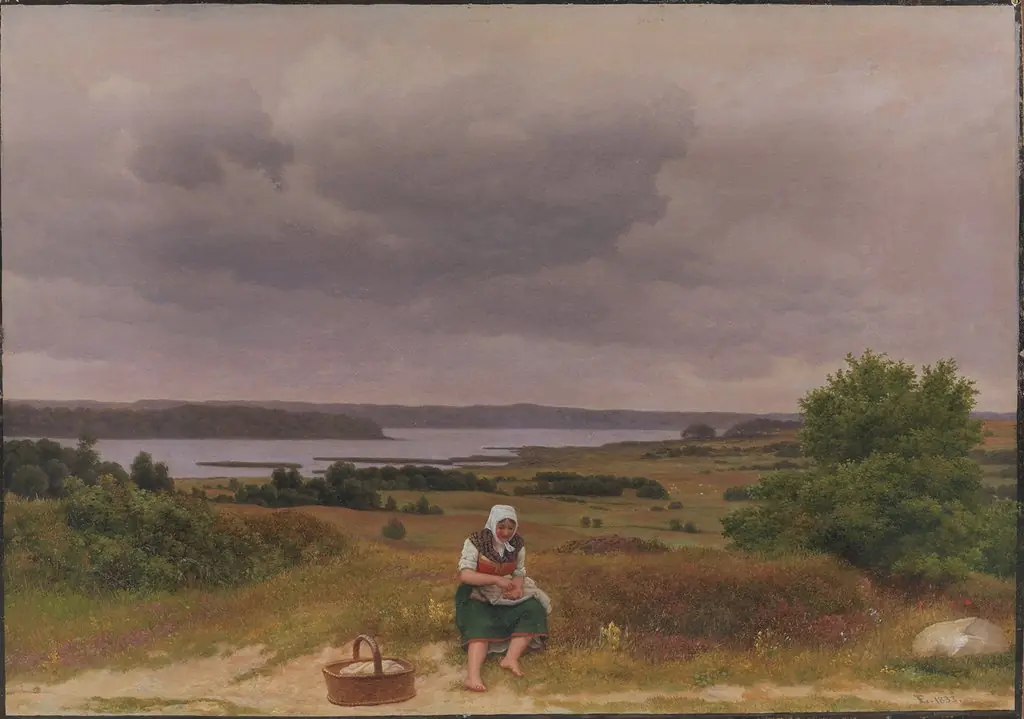 View of Lake Fure near Rudersdal, North Sealand.
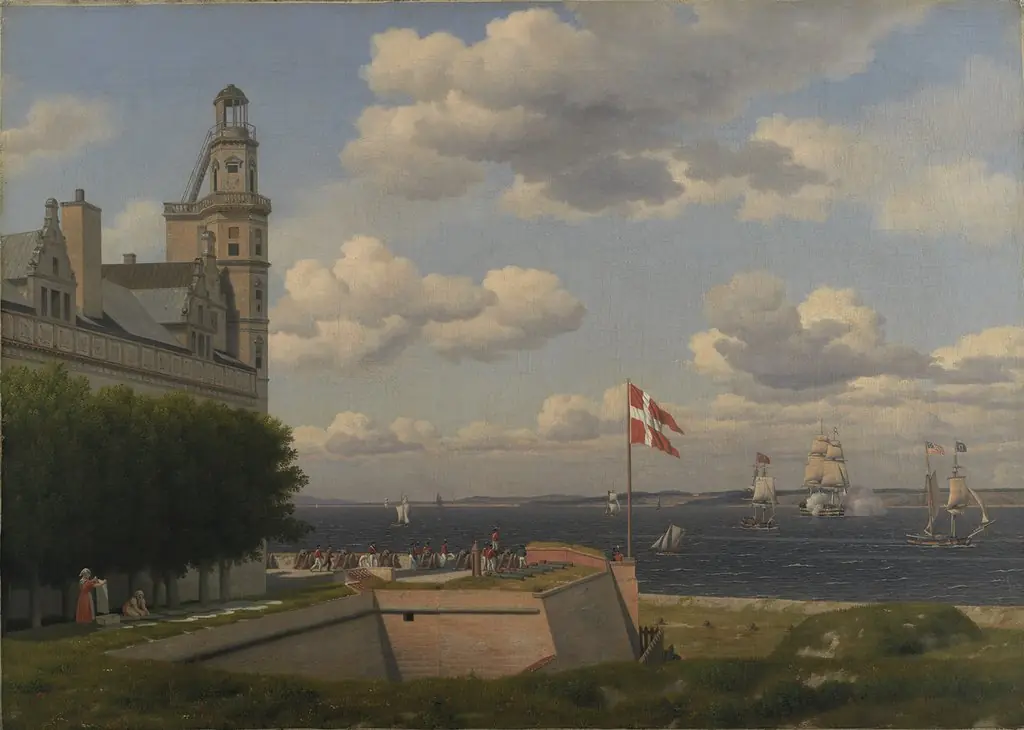 A View towards the Swedish Coast from the Ramparts of Kronborg Castle
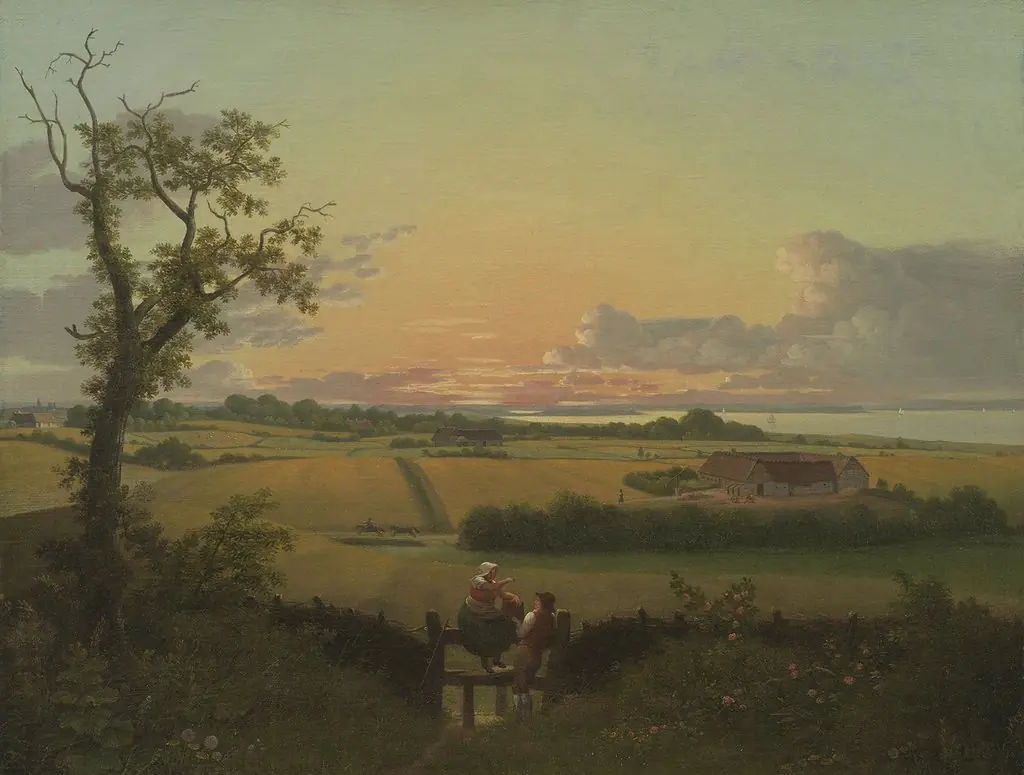 Landscape with a Stile. The Isle of Møn
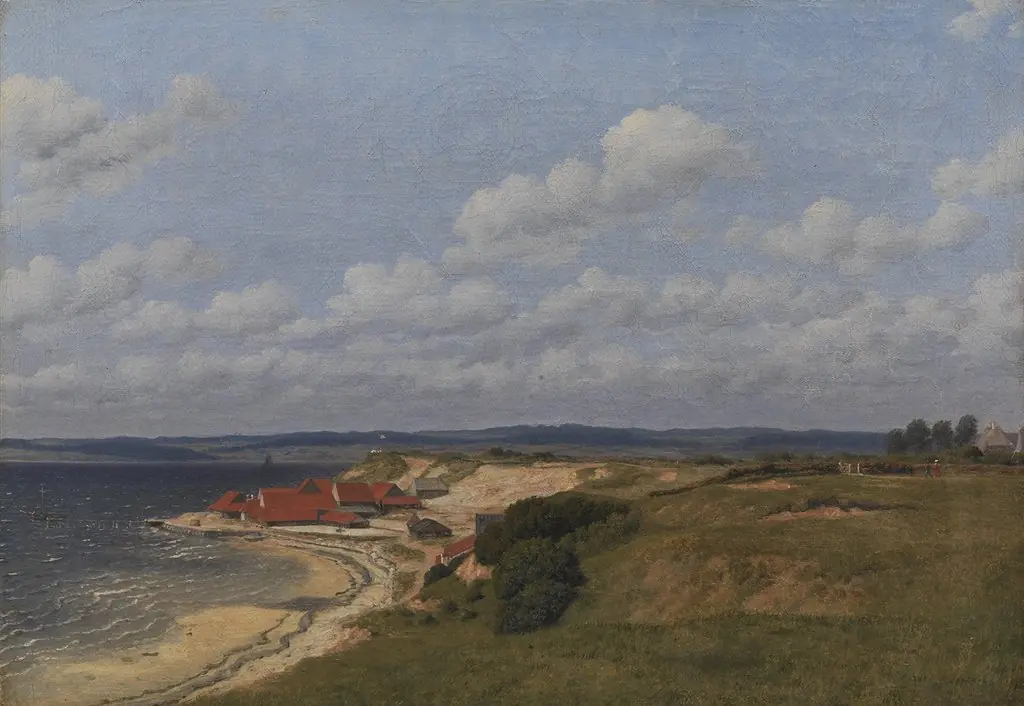 Renbjærg Tileworks by Flensburg Fiord
 View of the Cloaca Maxima, Rome
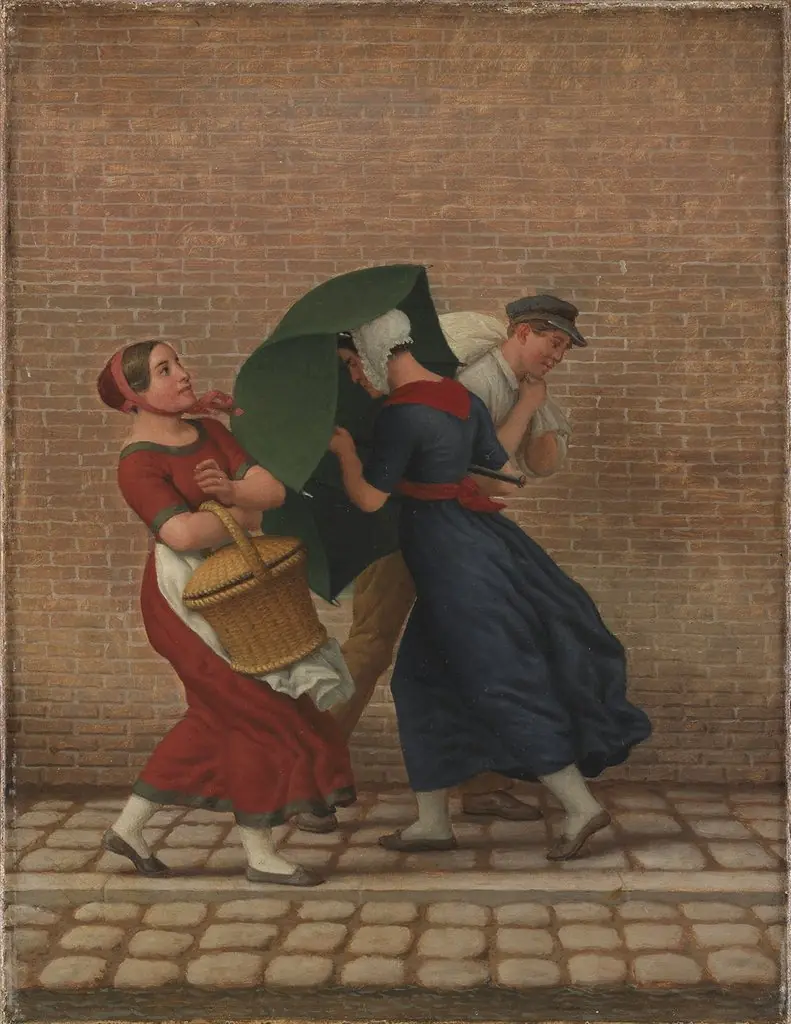 Street Scene in Windy and Rainy Weather
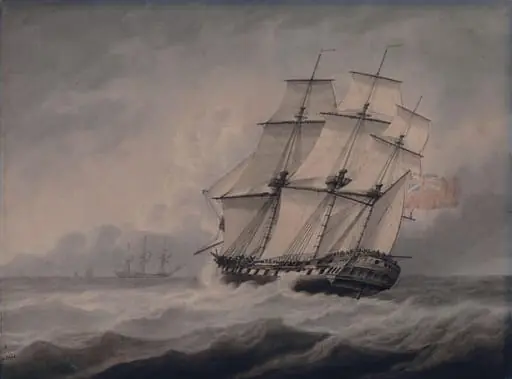 The Frigate
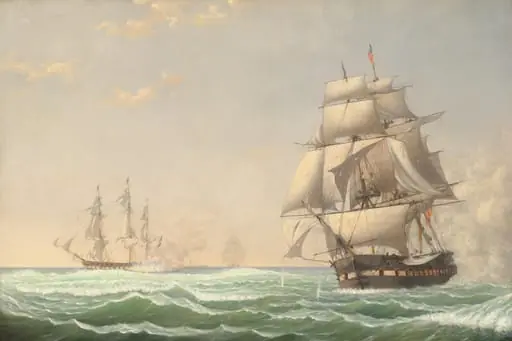 The United States Frigate "President" Engaging the British Squadron, 1815
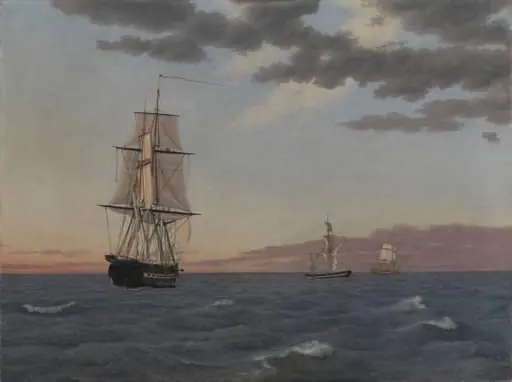 The Corvette "Galathea" Lying to in order to Send Help to the Brig "St Jean"
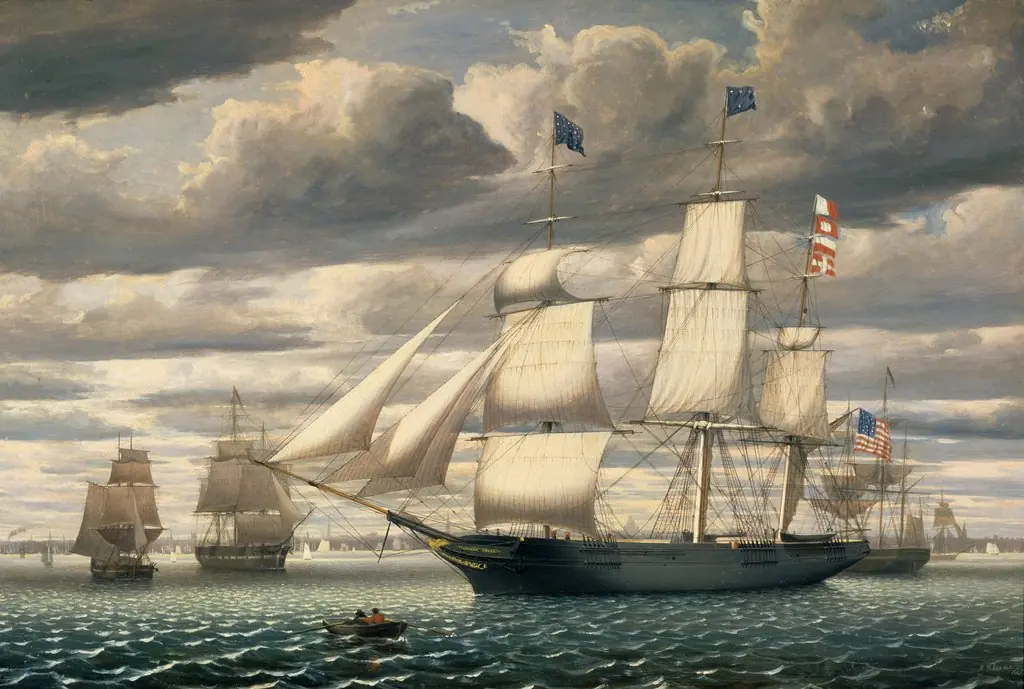 Ship Southern Cross in Boston Harbor, 1851
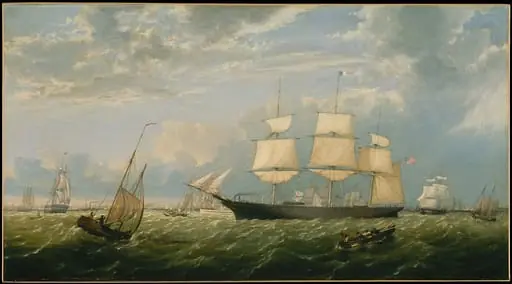 The Golden State Entering New York Harbor
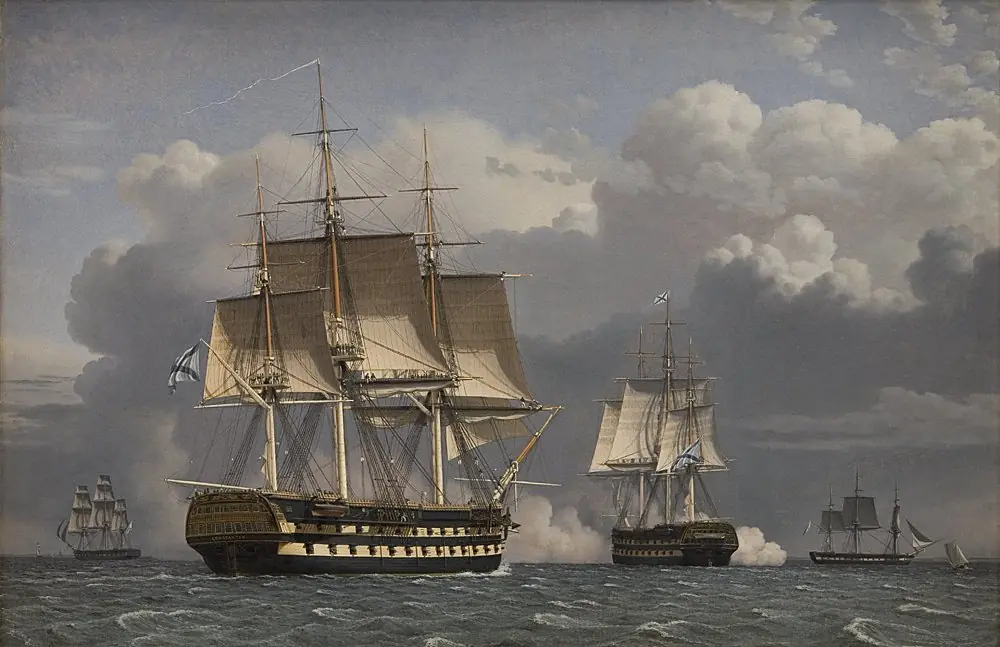 Two Russian Ships of the Line Saluting
 In the English Channel
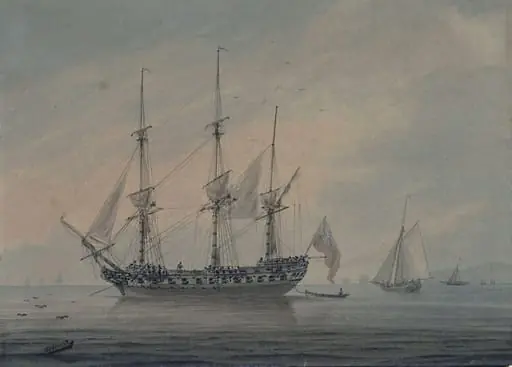 Seascape with a Frigate
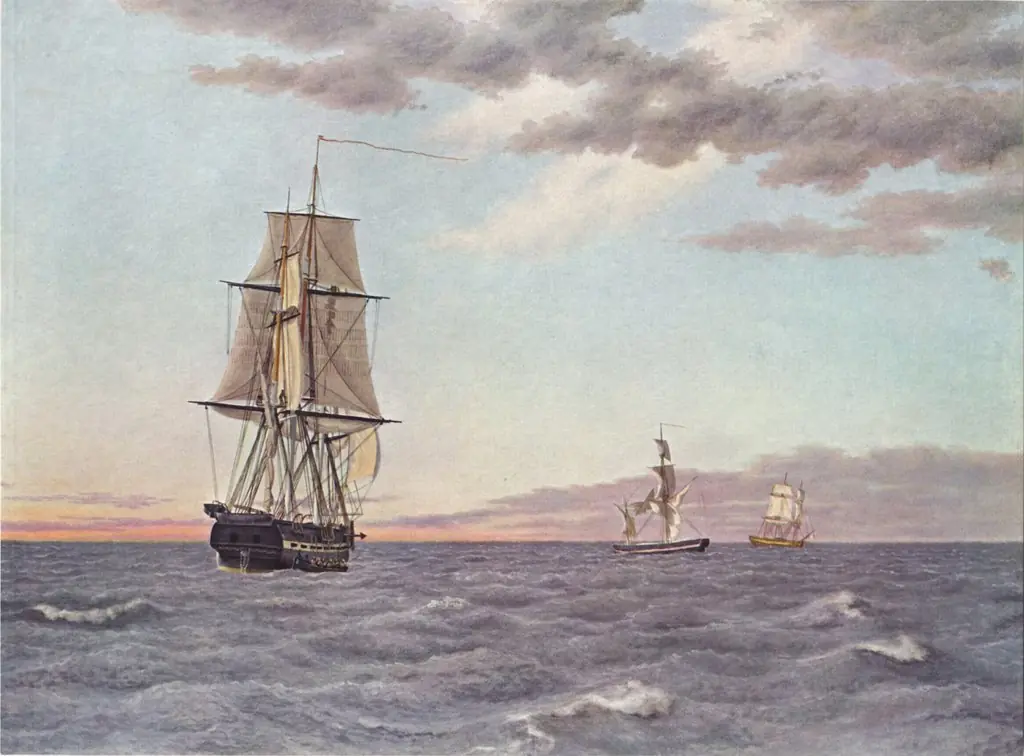 The Corvette "Galathea" Lying to in order to Send Help to the Brig "St Jean"