Artwork
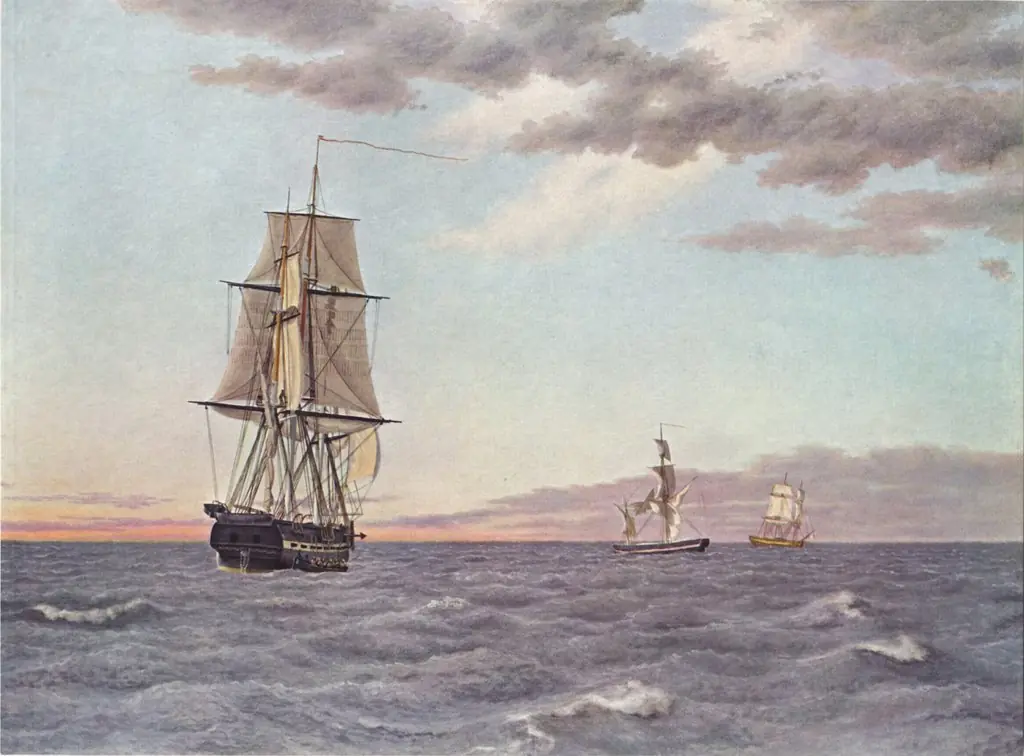
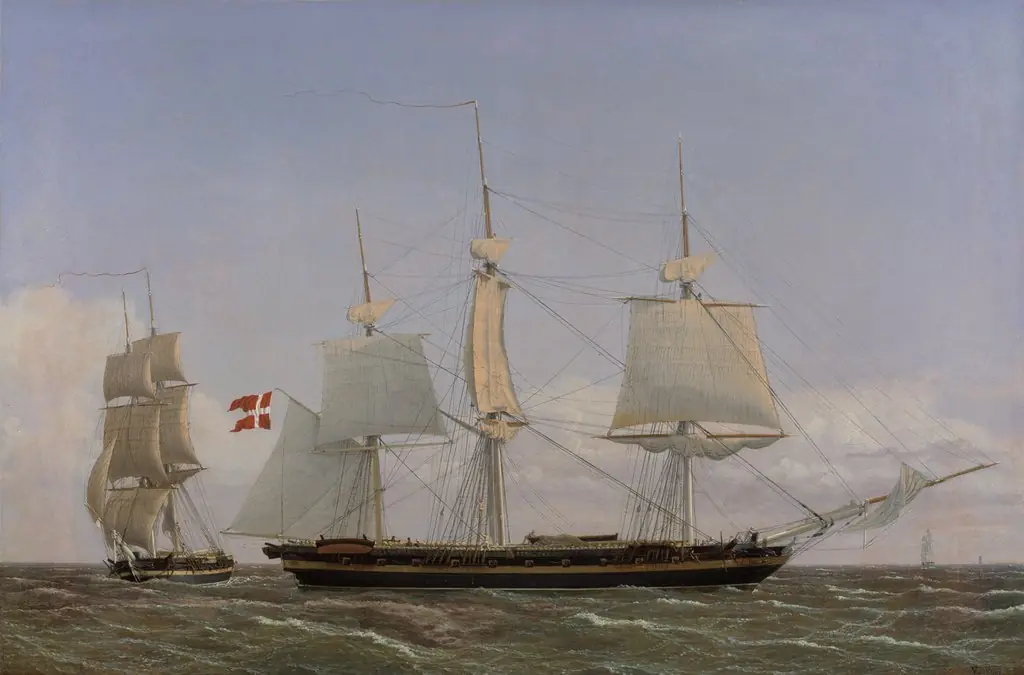
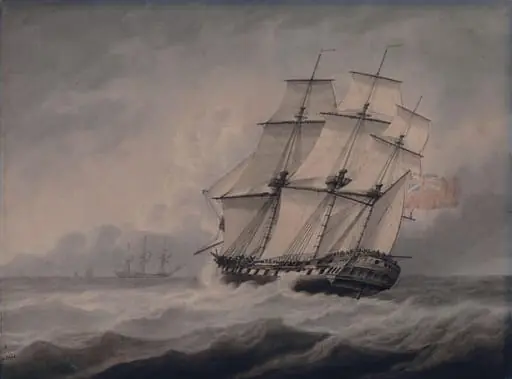
The Corvette "Galathea" Lying to in order to Send Help to the Brig "St Jean"
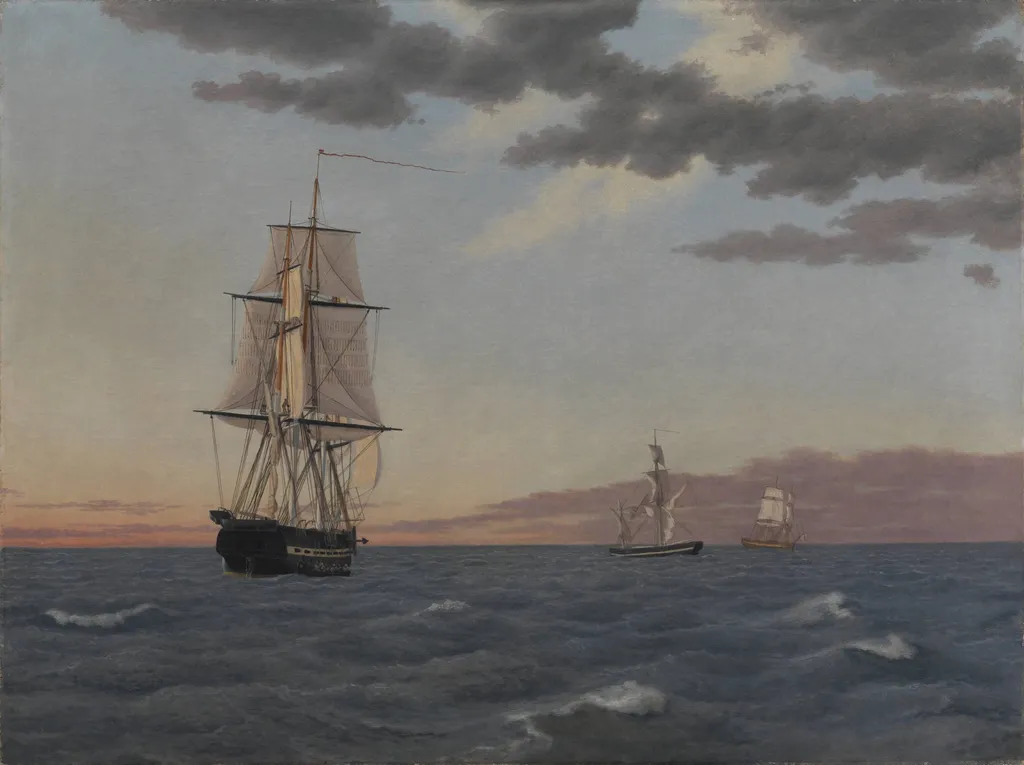
The Corvette "Galathea" Lying to in order to Send Help to the Brig "St Jean" is a photography by the Romanticist artist Unknown artist. It is held in the collection of the Statens Museum for Kunst.
About this work
Overview
The scene captures two ships at sea under a subdued sky, rendered with quiet precision.
This work is a 19th-century maritime painting attributed to Xun Xu, a Chinese artist and official active during the transition from the Three Kingdoms to the Jin dynasty. Despite the Western vessel names in the title, the piece reflects a rare fusion of Chinese artistic sensibility with European naval subjects, likely influenced by growing international maritime contact in the early 1800s. The scene captures two ships at sea under a subdued sky, rendered with quiet precision.
Subject & Meaning
The painting portrays the Danish corvette Galathea and the brig St Jean in a moment of coordinated movement, possibly illustrating a rescue or communication effort between vessels. The composition emphasizes cooperation over conflict, with both ships sailing in the same direction, their sails filled by the wind. The absence of dramatic action or human figures suggests a contemplative view of maritime duty, where endurance and silent coordination are central.
Technique & Style
The artist employs muted blues and grays, with subtle orange and gray tones in the sky to suggest twilight or dawn. Brushwork is restrained, favoring soft transitions over sharp detail, particularly in the water and clouds. The ships are rendered with minimalistic precision, their forms defined by silhouette and sail arrangement rather than ornamentation. This approach aligns with a lyrical realism, prioritizing atmosphere over narrative spectacle.
History & Provenance
The painting’s origins are obscure, with no documented exhibition history prior to the 20th century. Xun Xu’s known works are primarily ink paintings and calligraphy; this oil-on-canvas piece is an anomaly in his oeuvre, raising questions about its commission, source material, or possible attribution. It may have been created during a period of foreign diplomatic exchange or based on printed European engravings circulating in southern China.
Context
In the 1830s, Chinese officials like Xun Xu were increasingly exposed to foreign maritime activity through trade ports such as Canton. While traditional Chinese painting rarely depicted Western ships, this work suggests a curiosity about global naval movements. The choice of a Danish vessel—less prominent than British or American ships—hints at a specific, perhaps personal, interest in lesser-known international encounters during a time of tightening Qing maritime controls.
Legacy
The painting stands as an unusual artifact of cross-cultural visual exchange in early 19th-century China. It does not fit neatly into either Western Romanticism or traditional Chinese landscape conventions, instead occupying a liminal space shaped by limited exposure to foreign imagery and personal interpretation. Its survival offers insight into how Chinese artists engaged with the wider world beyond official narratives.
Artist & collection
Artist
Xun Xu (c. 221 – 289), courtesy name Gongzeng, was a Chinese musician, painter, politician, and writer who lived during the late Three Kingdoms period and early Jin dynasty of China. Born in the influential Xun family,…

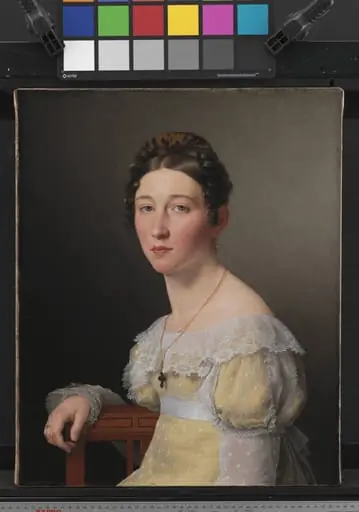 Portrait of Emilie Henriette Massmann, Betrothed of Frederik Wilhelm Caspar von Benzon
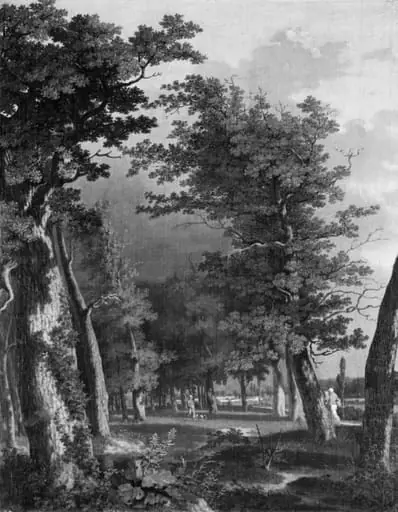 Landscape with Trees near Paris
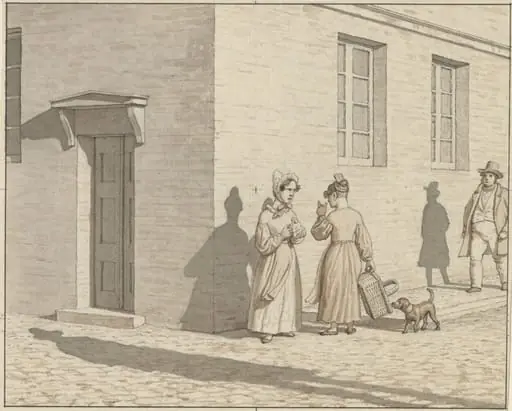 Linear Perspective as Applied in Painting - Plate VII, 1 - A Street Corner Encounter
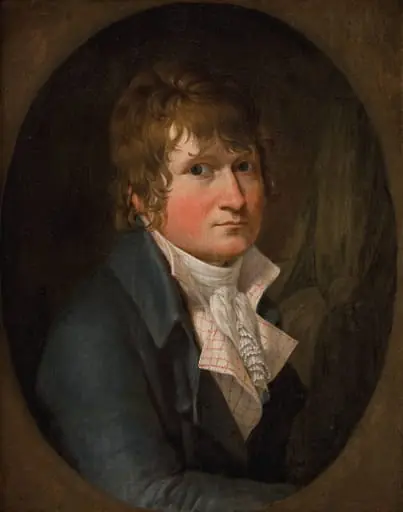 Self-Portrait
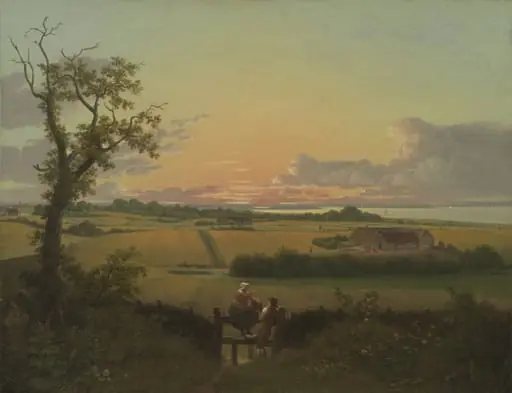 Landscape with a Stile. The Isle of Møn
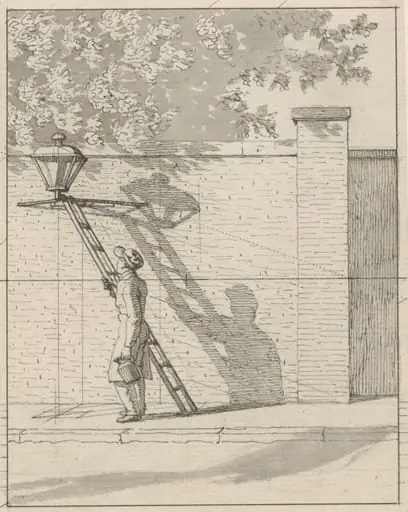 Linear Perspctive as Applied in Painting - Plate VI. The Street Lamp on the Garden Wall, Daylight
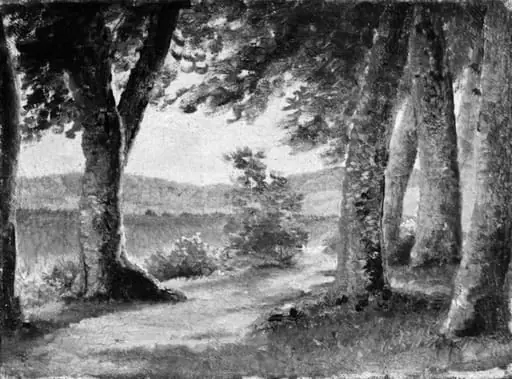 Study of a Wood
 Study of Clouds over the Sea
 The Corvette "Galathea" Lying to in order to Send Help to the Brig "St Jean"
 An American Naval Brig Lying at Anchor while Her Sails Are Drying
 A Privateer Outsailing a Pursuing Frigate
 A Danish Corvette Laying t in order to Confer with a Danish Brig: The Scene Being Set in West Indian Waters
 The Corvette "Galathea" in a Storm in the North Sea
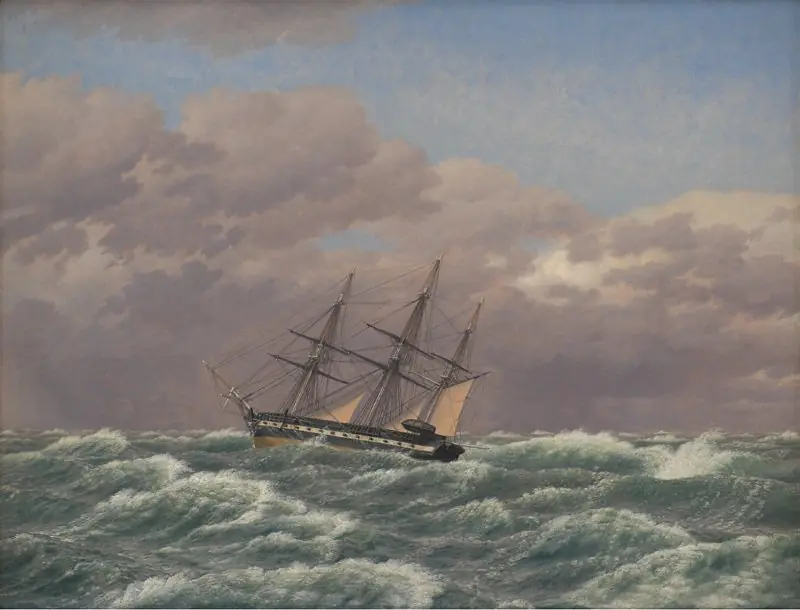 The Corvette "Galathea" in a Storm in the North Sea
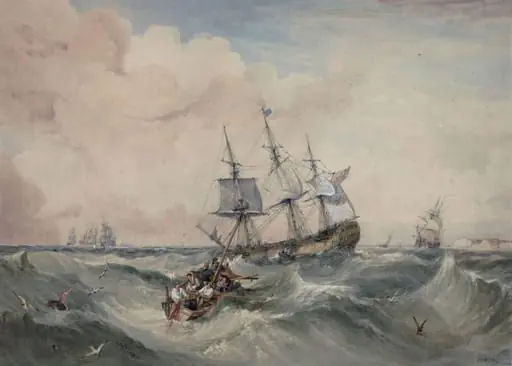 Indiaman lying-to for a pilot
 The Frigate