Artwork
Portrait of Sibilla Eiselin aged 29
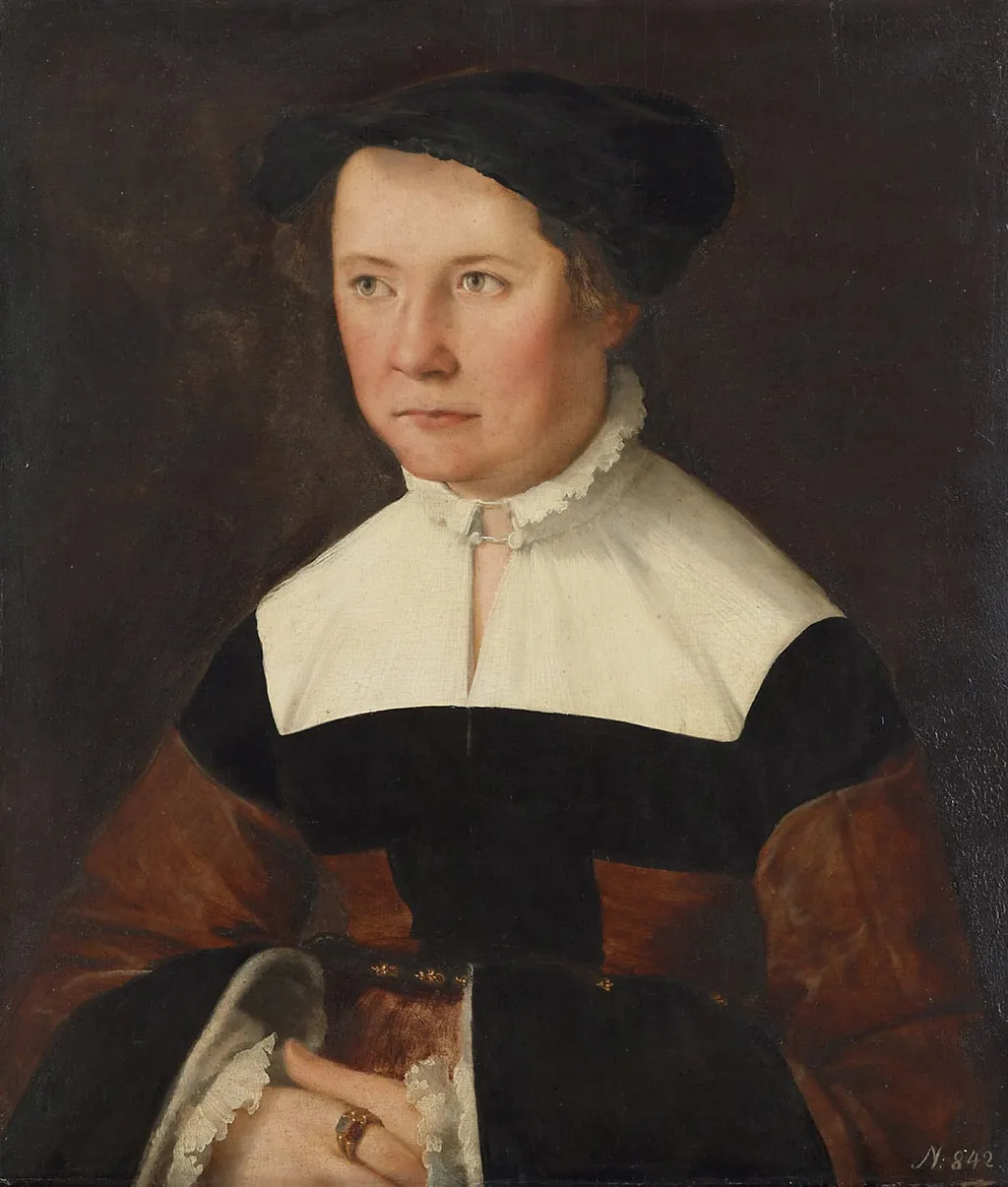
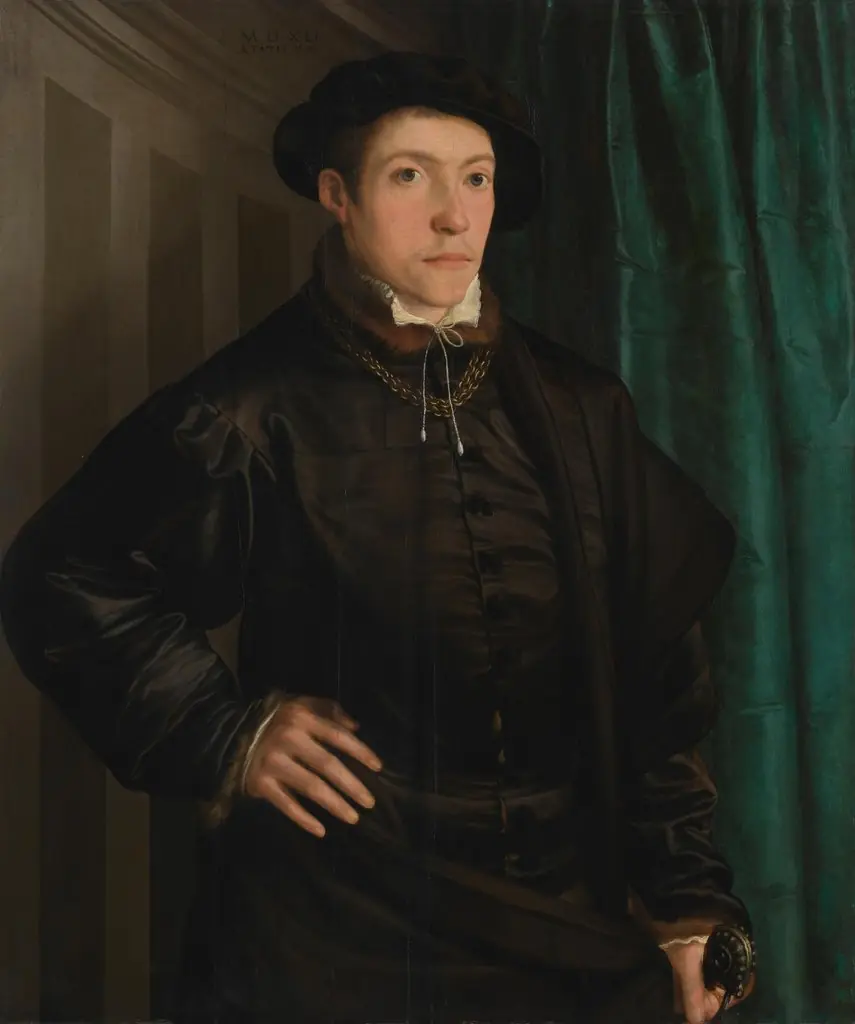
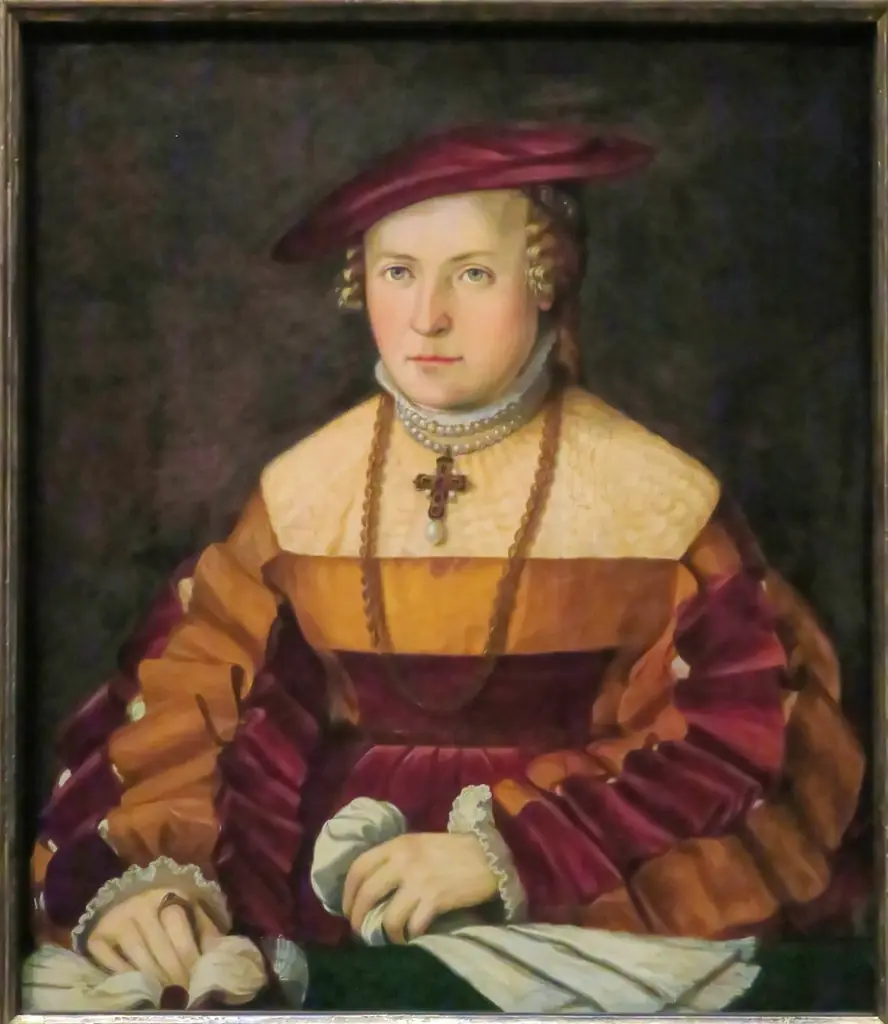
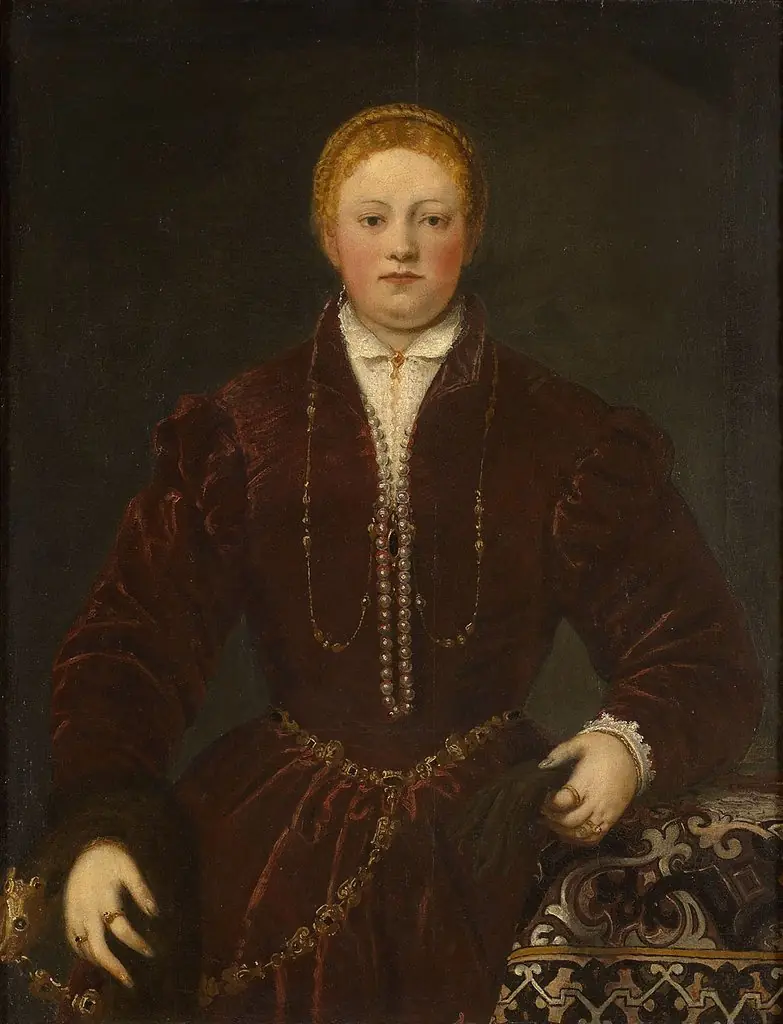
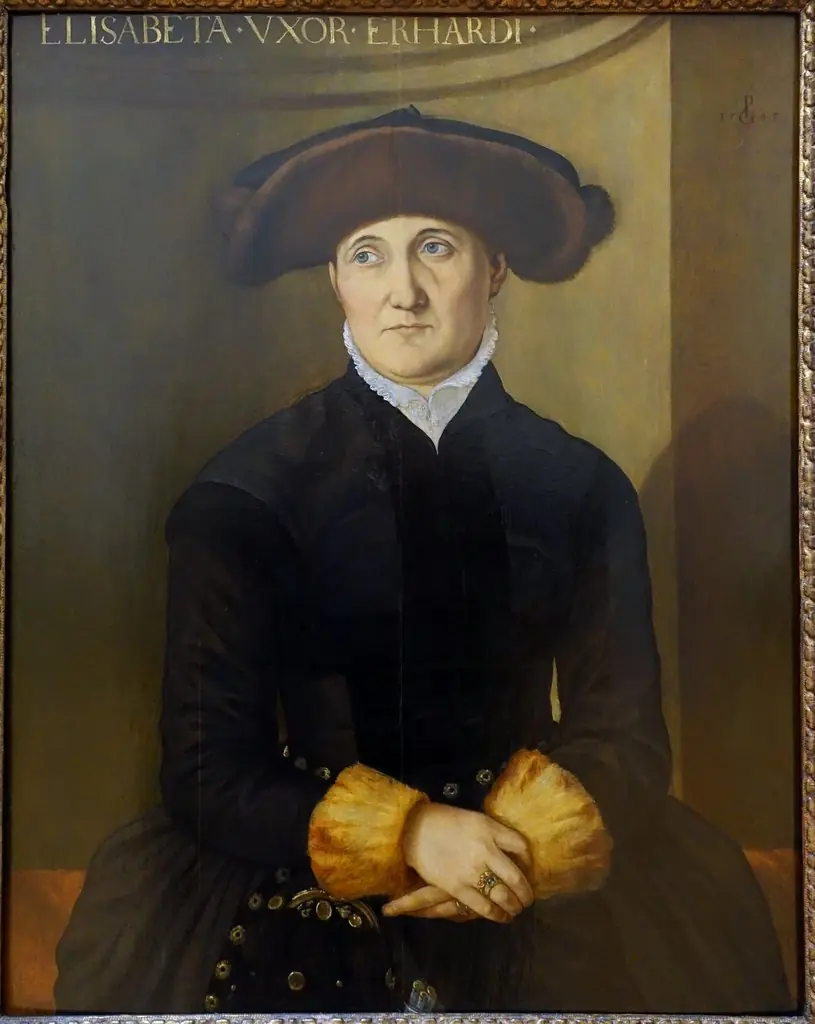
Portrait of Sibilla Eiselin aged 29 is an unspecified painting by the Mannerist artist Christoph Amberger. It dates from 1539 and is held in the collection of the Kunsthistorisches Museum. Created in 1539, this oil portrait presents Sibilla Eiselin at the age of twenty‑nine.
About this work
The artist's use of dark colors and the subject's formal pose also contribute to the overall sense of solemnity in the painting.
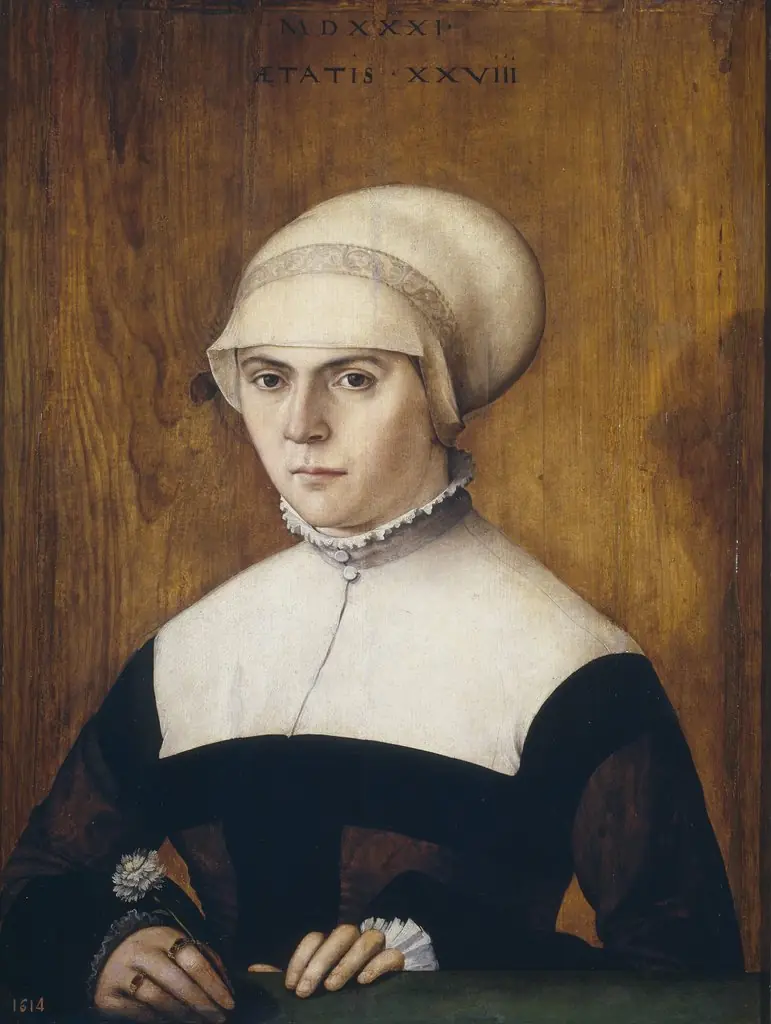
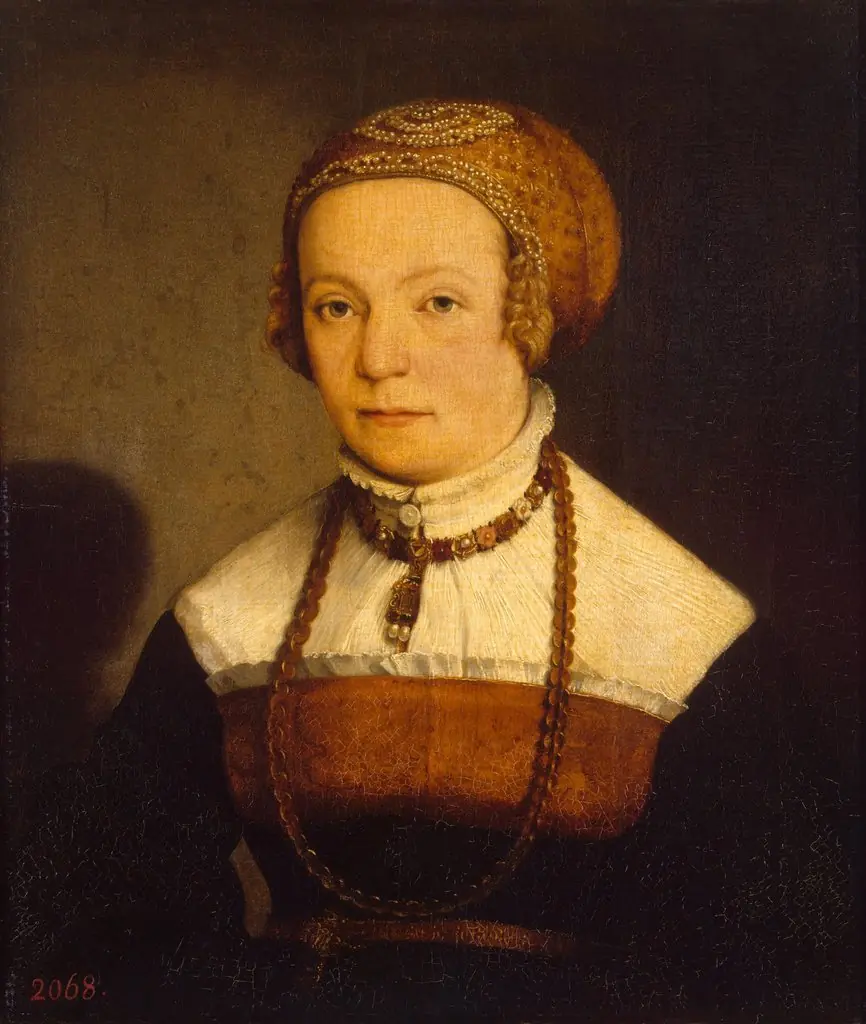
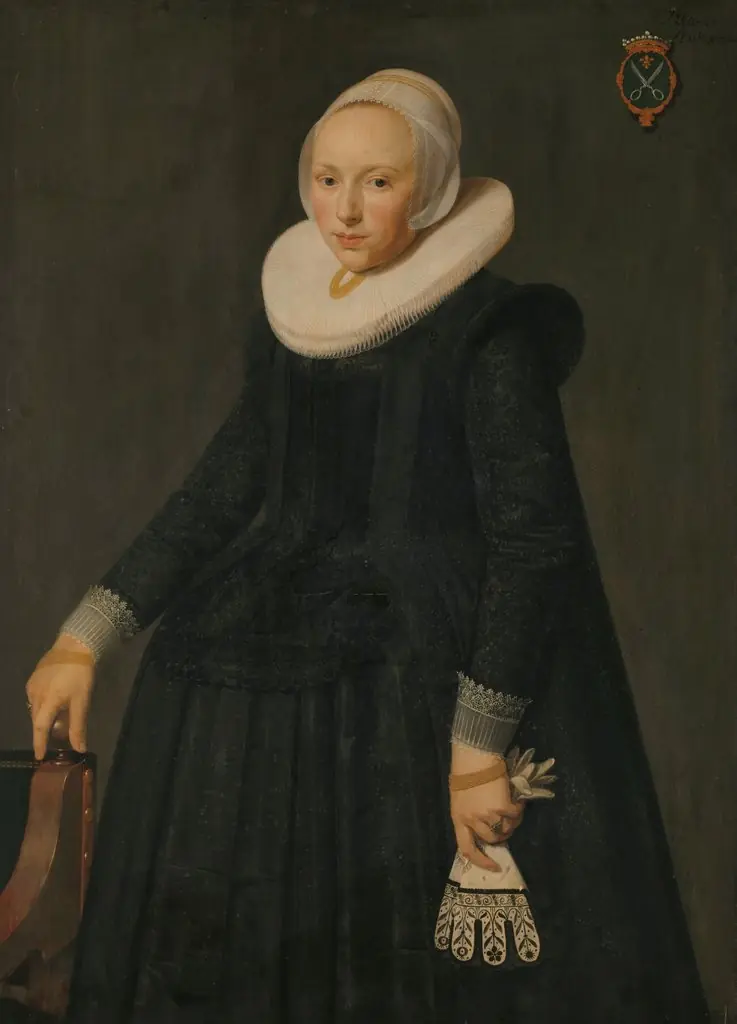
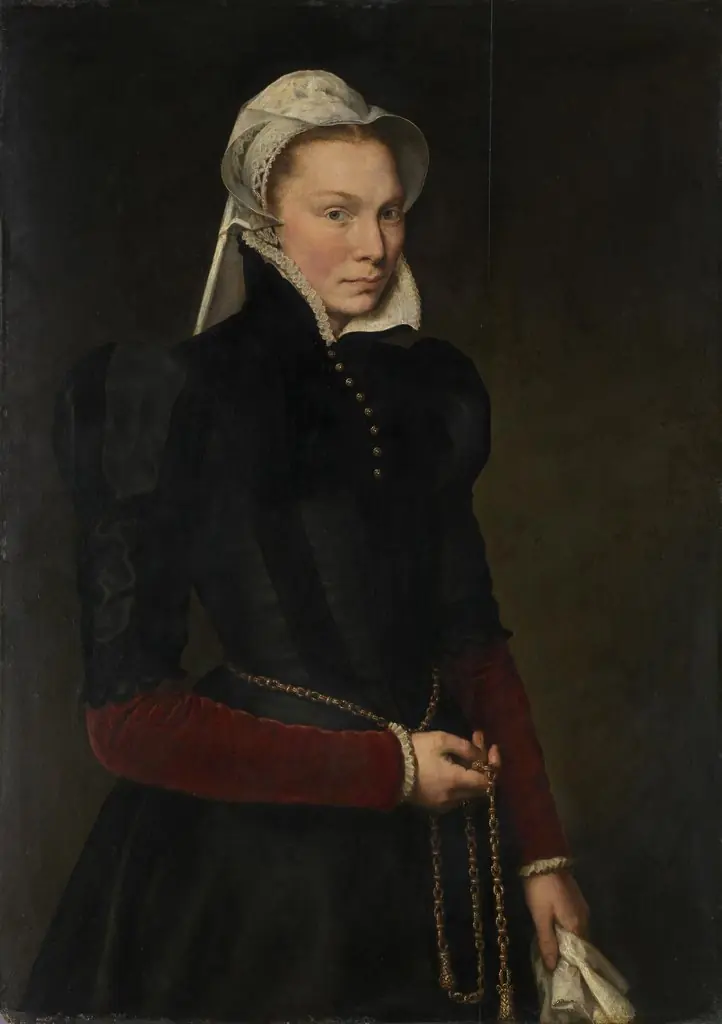
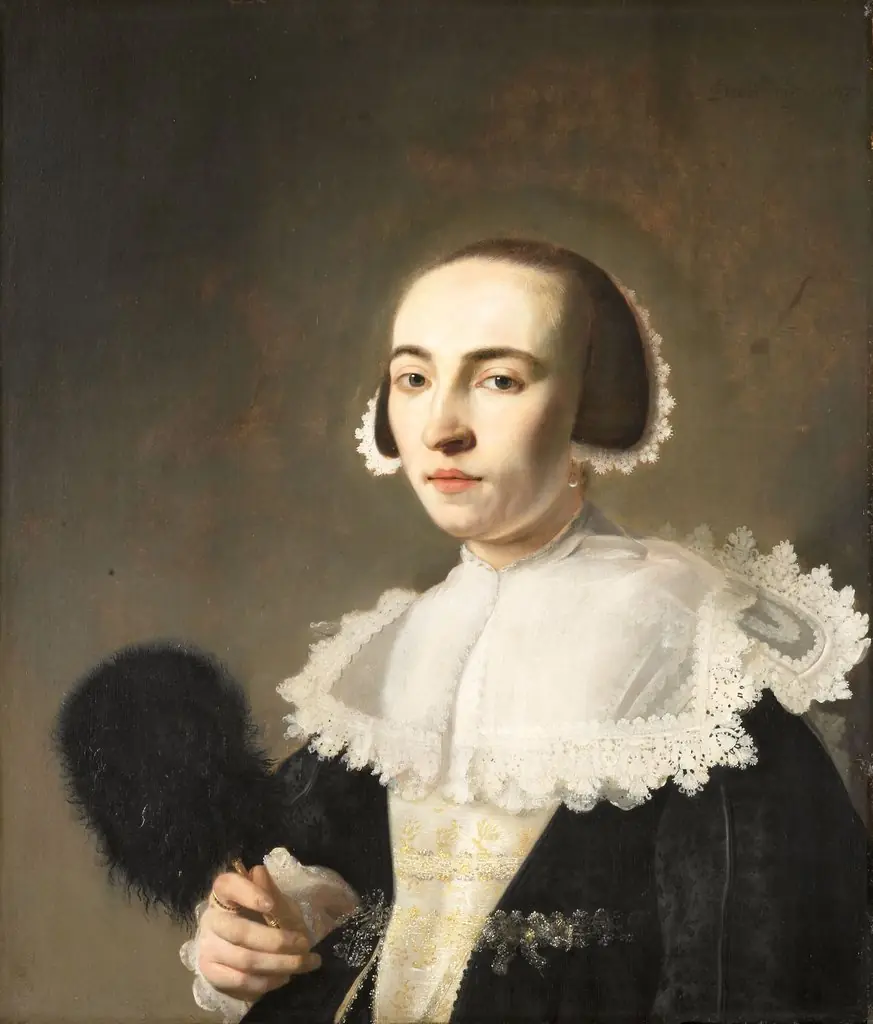
This portrait depicts a woman with a serious expression, wearing a black dress with a white collar and a brown cape. She has a ring on her left hand and a black hat on her head. The background of the painting is dark, which helps to highlight the subject's features.
The woman's attire and the style of the painting suggest that it was created in the 16th century. The artist's use of dark colors and the subject's formal pose also contribute to the overall sense of solemnity in the painting.
If you're interested in learning more about the artist behind this portrait, you might want to look up Christoph Amberger.
Overview
Created in 1539, this oil portrait presents Sibilla Eiselin at the age of twenty‑nine. Executed by Augsburg‑based painter Christoph Amberger, a pupil of Hans Holbein, the work exemplifies the early‑modern German portrait tradition. It is presently part of the permanent collection of the Kunsthistorisches Museum in Vienna.
Subject & Meaning
The sitter, Sibilla Eiselin, is shown with a composed, solemn expression, her gaze directed slightly off‑canvas. She wears a black dress trimmed with a white ruff, a brown mantle, and a modest black hat, while a simple ring rests on her left hand. The restrained demeanor and attire convey the social respectability expected of a woman of her standing in the mid‑sixteenth century.
Technique & Style
Amberger employs a limited palette of deep, muted tones, allowing the dark background to frame the figure and accentuate the delicate modeling of flesh. The brushwork is precise yet soft, characteristic of the German Mannerist tendency toward refined surface detail. Light falls gently on the face and hands, creating subtle chiaroscuro that enhances the portrait’s dignified atmosphere.
History & Provenance
The painting remained in private hands for several centuries before entering the Kunsthistorisches Museum’s collection, where it has been displayed since the early twentieth century. Its attribution to Amberger rests on stylistic comparison with documented works and archival references linking the artist to the Augsburg court, confirming its place within his oeuvre.
Artist & collection
Artist
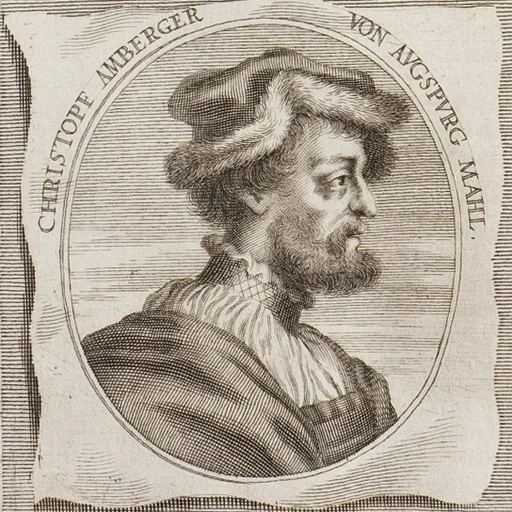
Christoph Amberger (c. 1505 – 1562) was a painter of Augsburg in the sixteenth century, a disciple of Hans Holbein, his principal work being the history of Joseph in twelve pictures.