Artwork
Portrait of a Man
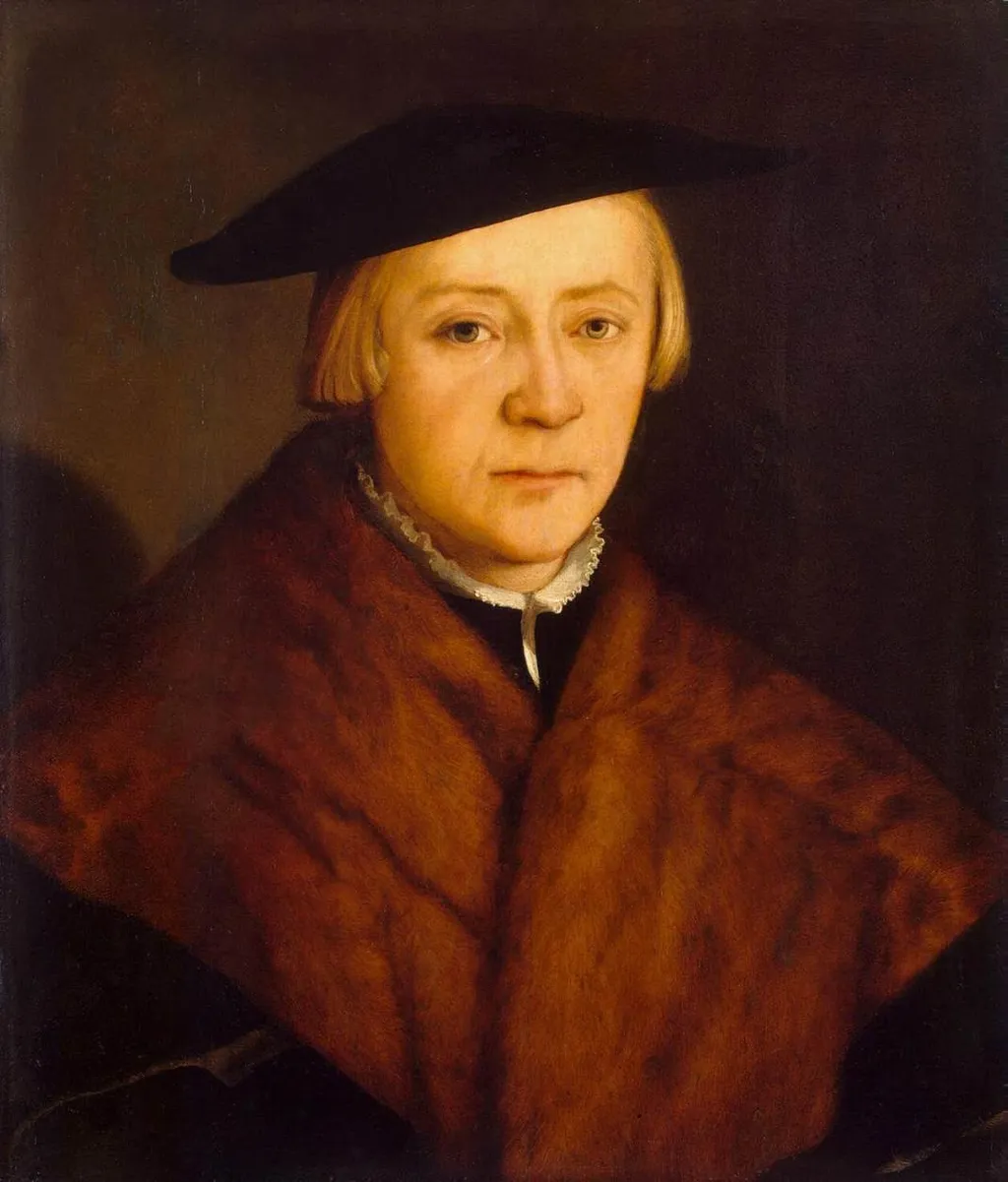
Portrait of a Man is an oil painting by the Northern Renaissance artist Christoph Amberger. It dates from 1548 and is held in the collection of the Hermitage Museum.
About this work
Overview
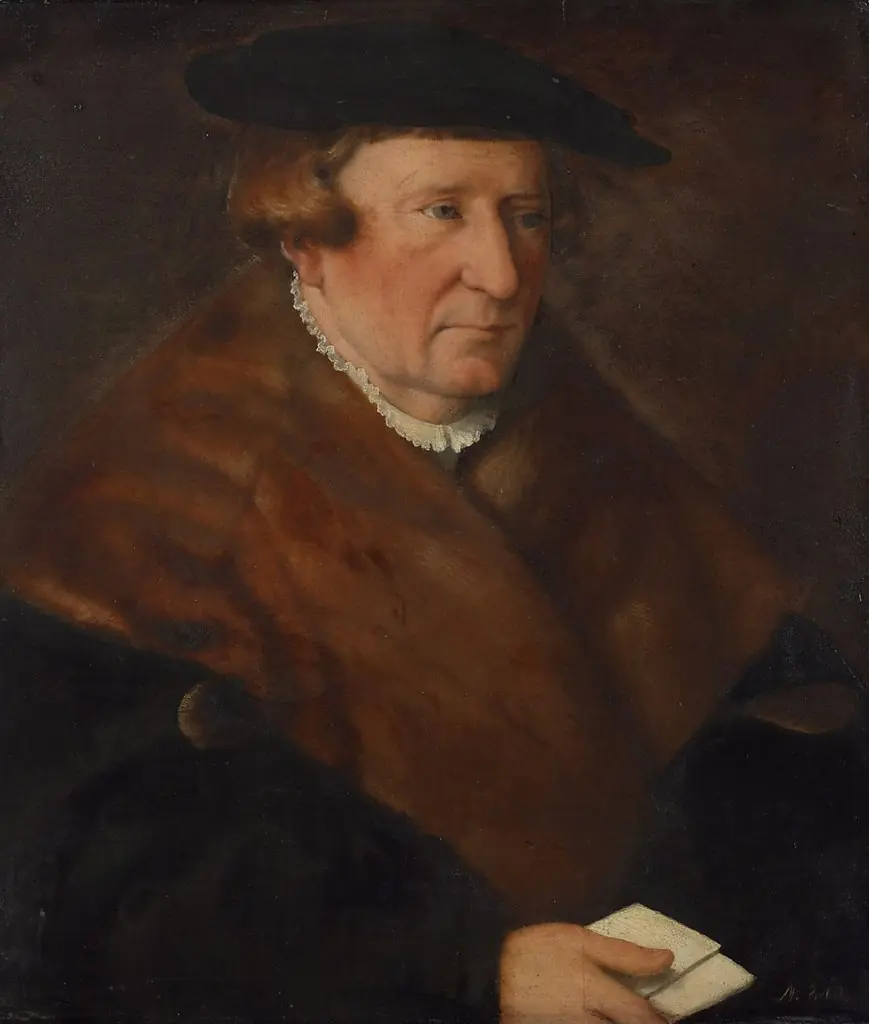
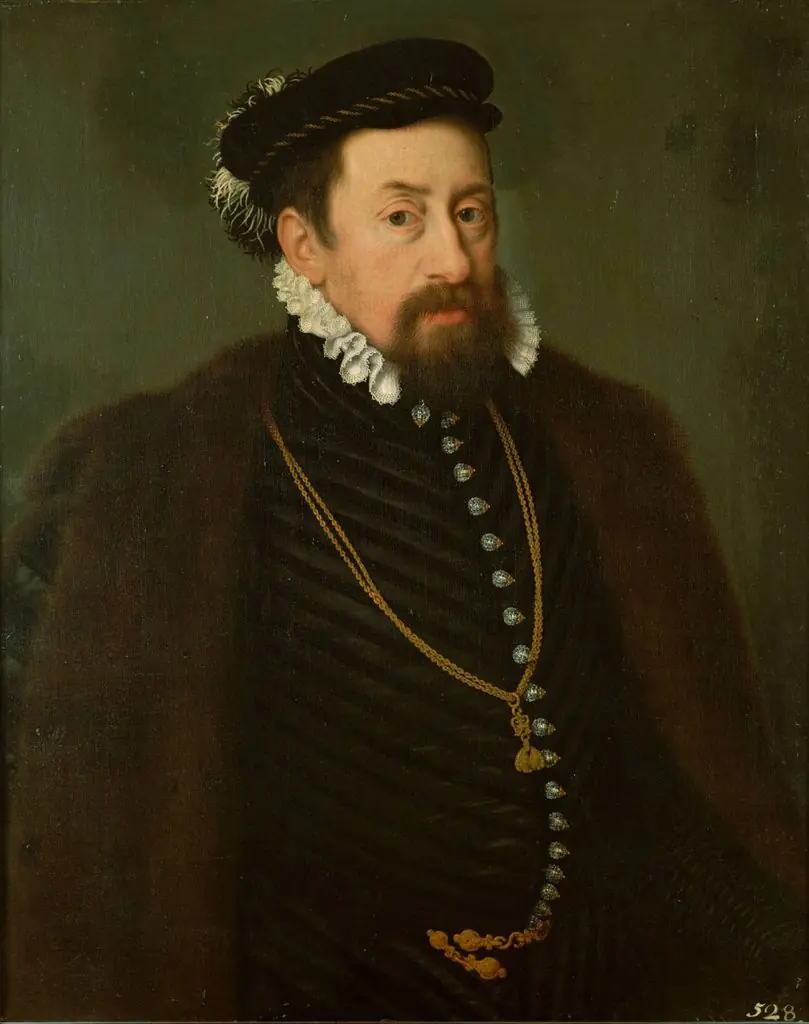
Painted in 1548, *Portrait of a Man* is an oil painting by Christoph Amberger, an Augsburg artist influenced by Hans Holbein, situated within the Northern Renaissance. The work is characterized by its somber, focused composition, featuring a serious-looking man dressed in a dark brown, fur-lined robe, with light hair pulled back and a tilted black hat. A plain, dark background emphasizes the subject's face and attire, with soft shadows enhancing the texture of the fur and the smoothness of the skin through the use of chiaroscuro, a technique that uses strong contrasts between light and dark to create a sense of volume.
Subject & Meaning
The subject of the portrait remains unidentified, but his attire suggests a figure of some prosperity or status, given the luxury of the fur-lined robe. The overall solemnity of his expression and the simplicity of the background may imply a emphasis on the individual's character or introspection rather than outward symbols of power.
Technique & Style
Amberger employs chiaroscuro to dramatic effect, using soft shadows to delineate the subject's face and highlight the luxurious texture of the fur.
Amberger employs chiaroscuro to dramatic effect, using soft shadows to delineate the subject's face and highlight the luxurious texture of the fur. This technique, common in Northern Renaissance portraiture, draws the viewer's eye to the subject's features, creating depth and dimensionality against a nondescript, dark backdrop. The style reflects Amberger's adherence to Holbein's influence, evident in the attention to detail and the subdued, realistic color palette.
History & Provenance
*Portrait of a Man* is part of the collection at the State Hermitage Museum, though the specifics of its acquisition and earlier ownership history are not detailed here. Created in 1548, it represents a mid-16th-century example of Augsburg's artistic output under Holbein's stylistic umbrella.
Context
This portrait reflects the Northern Renaissance's emphasis on individualism and the accurate depiction of reality. Amberger's work, while not as renowned as Holbein's, contributes to the period's preoccupation with portraiture as a means to capture the essence and status of the sitters. The use of chiaroscuro also aligns with broader European artistic trends of the time, emphasizing spatial and psychological depth.
Legacy
While *Portrait of a Man* may not be a landmark work in the broader canon of Renaissance art, it serves as a representative example of Northern Renaissance portraiture's nuances, particularly in its technical execution and the insights it offers into the social and artistic values of 16th-century Augsburg. Its presence in the Hermitage collection underscores its continued appreciation as a piece of historical and artistic significance.
Artist & collection
Artist
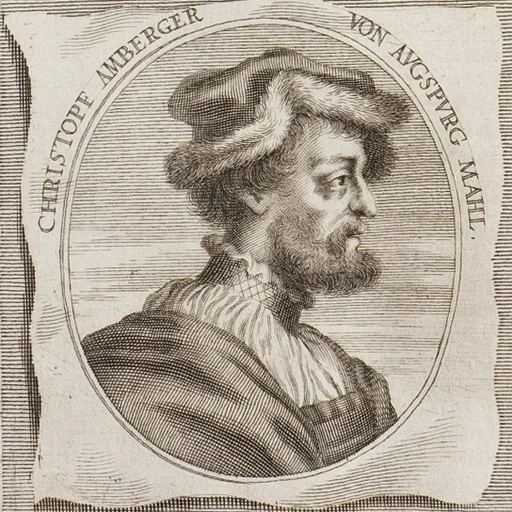
Christoph Amberger (c. 1505 – 1562) was a painter of Augsburg in the sixteenth century, a disciple of Hans Holbein, his principal work being the history of Joseph in twelve pictures.

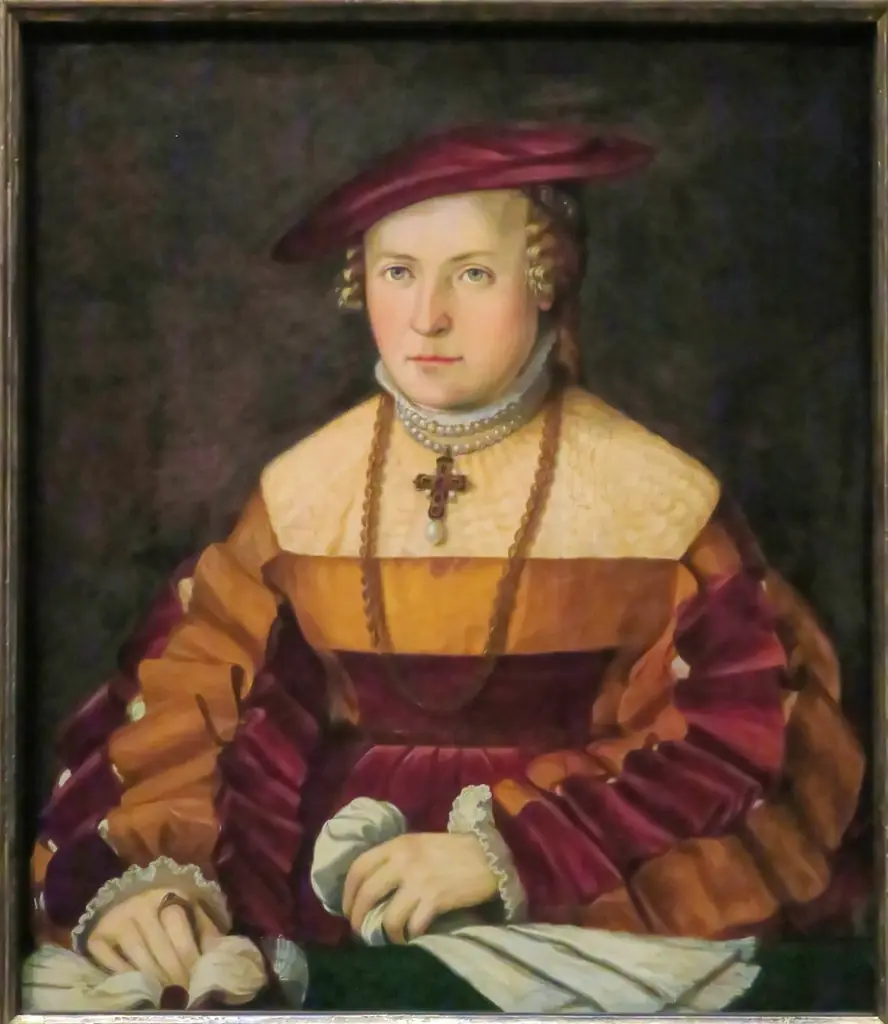
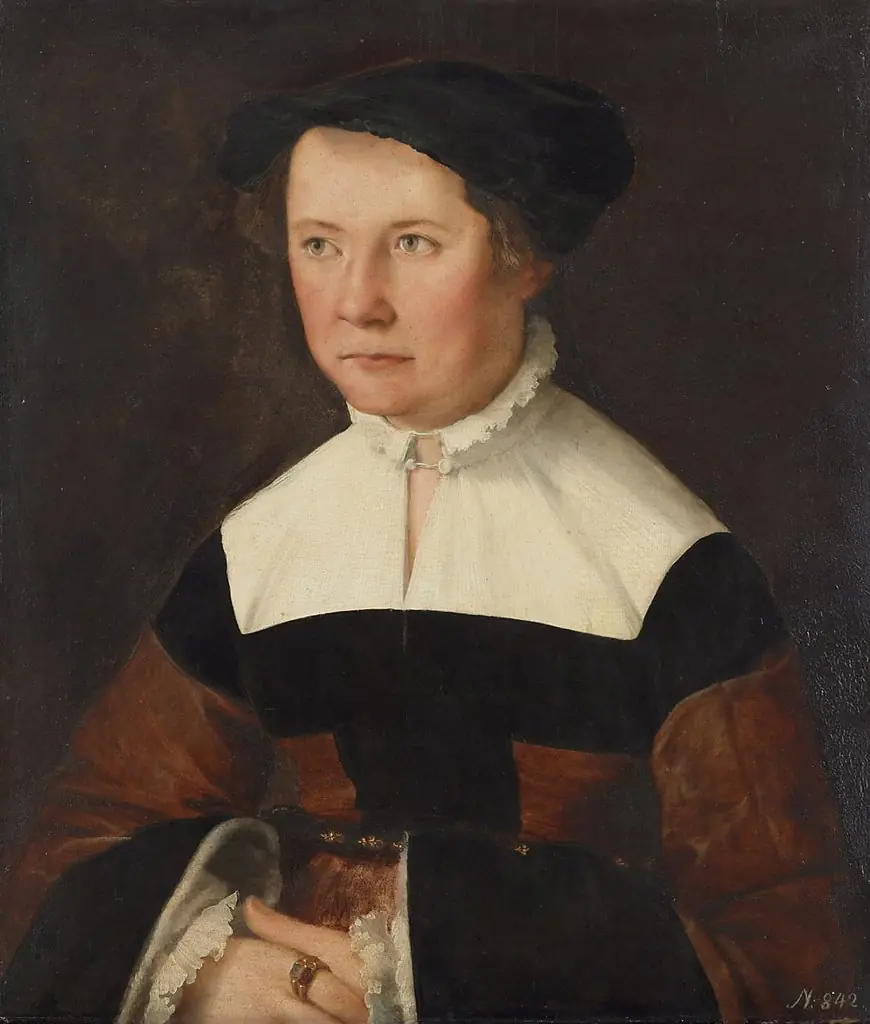
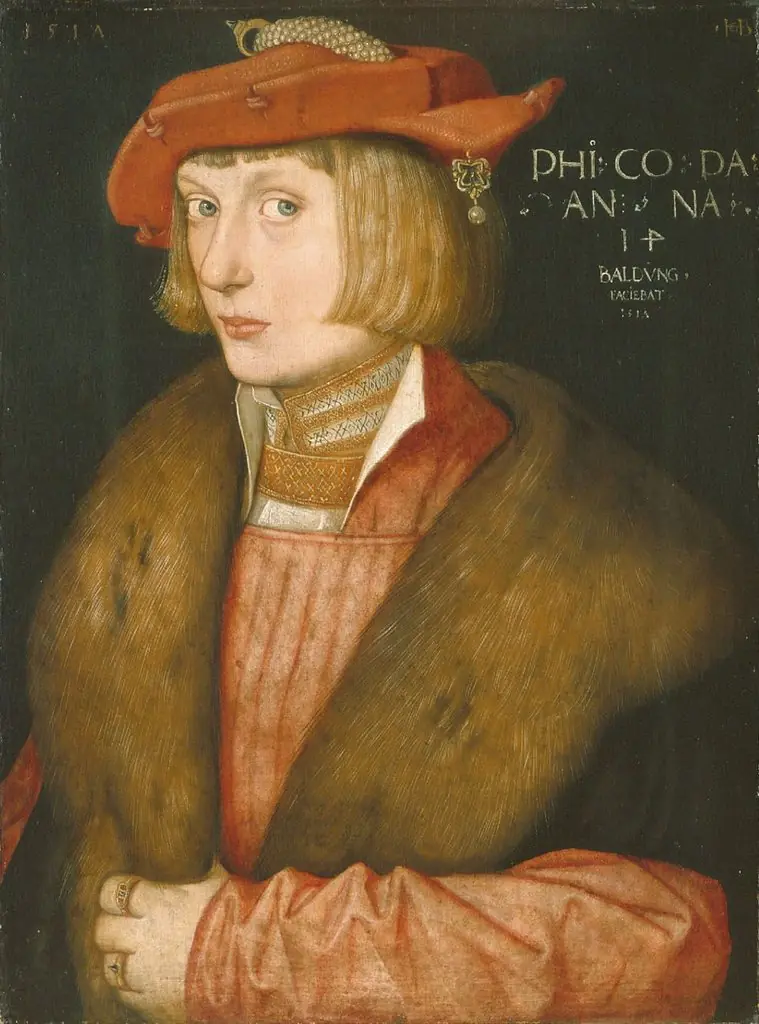 Count Philip Bellicosus
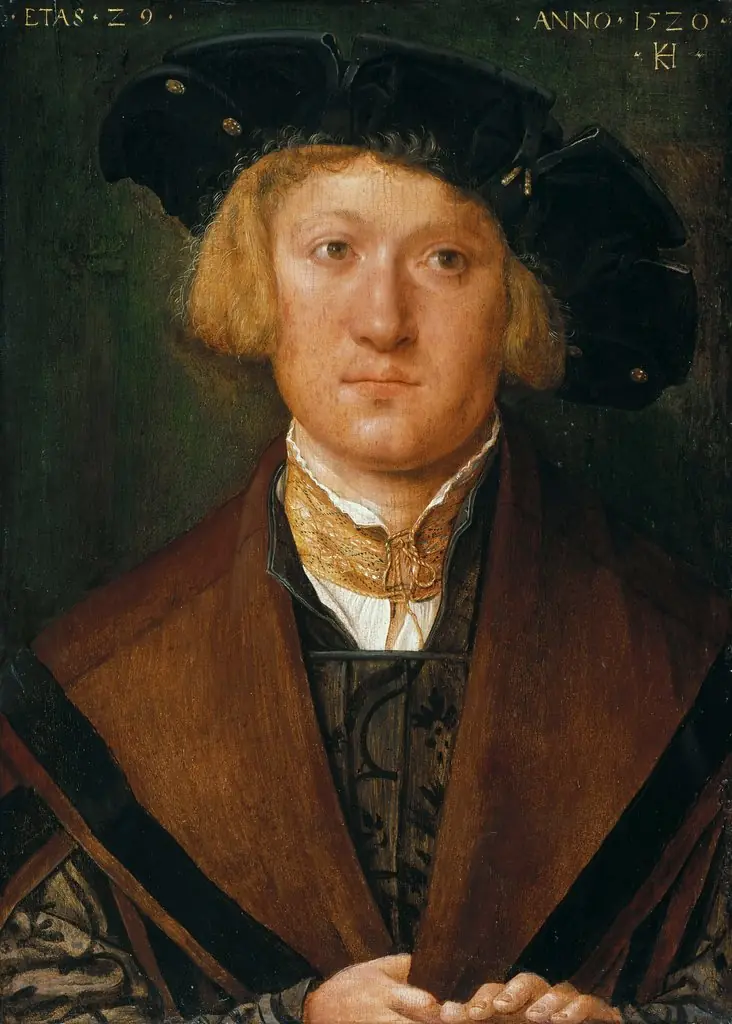 Portrait of a young Man
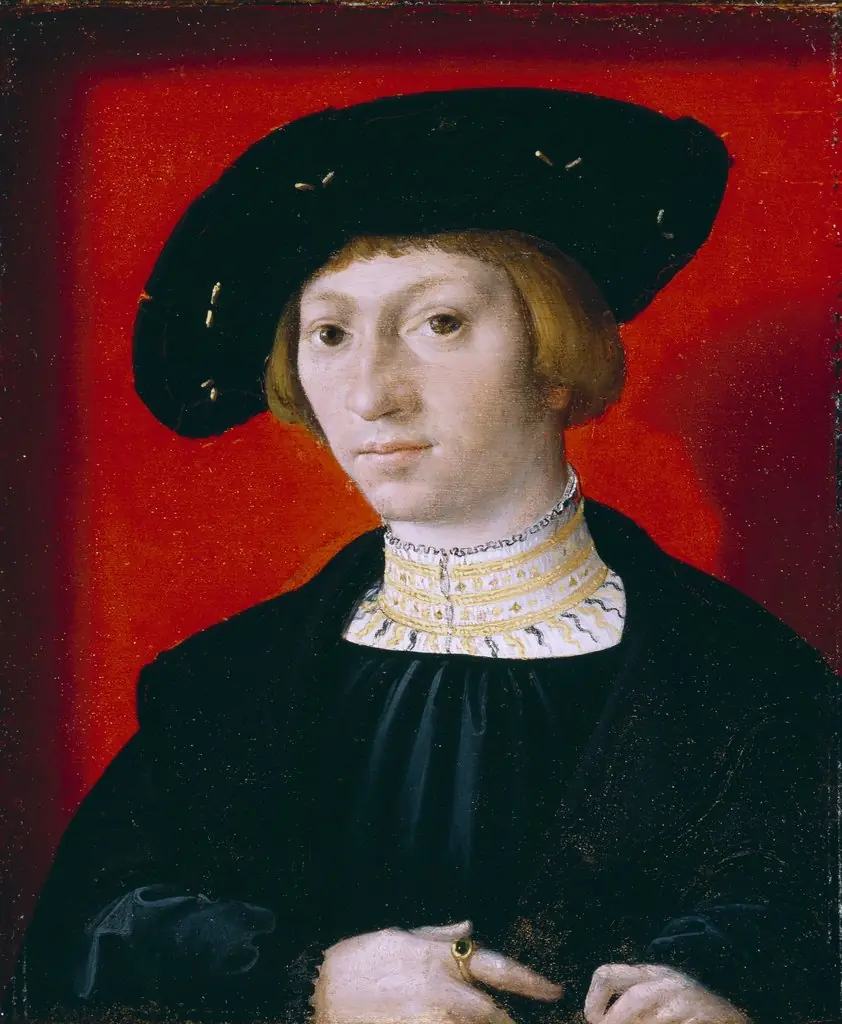 A Young Man
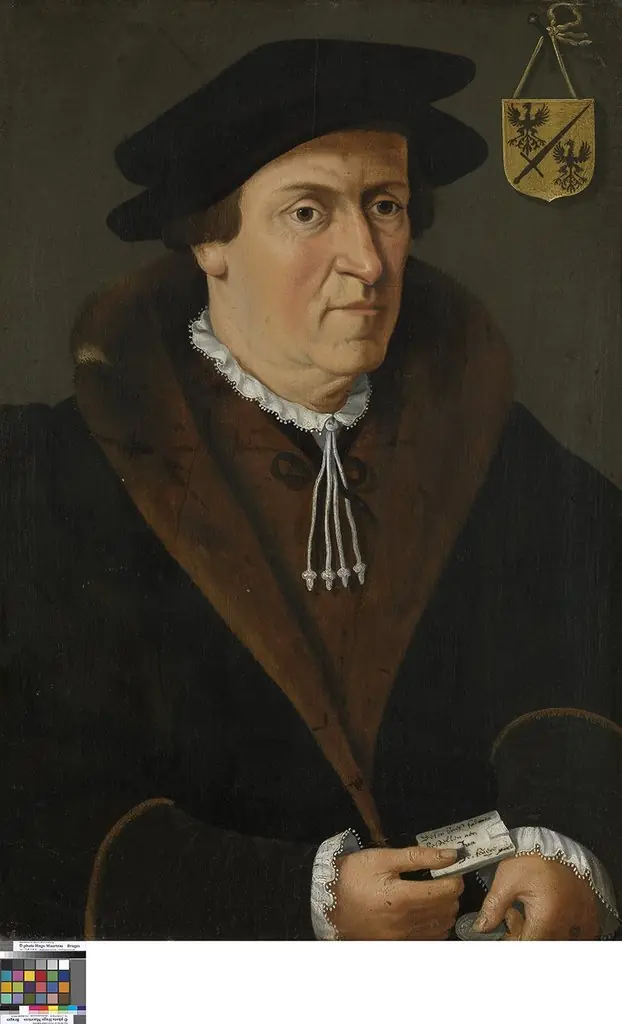 Portrait of Jan de Fevere
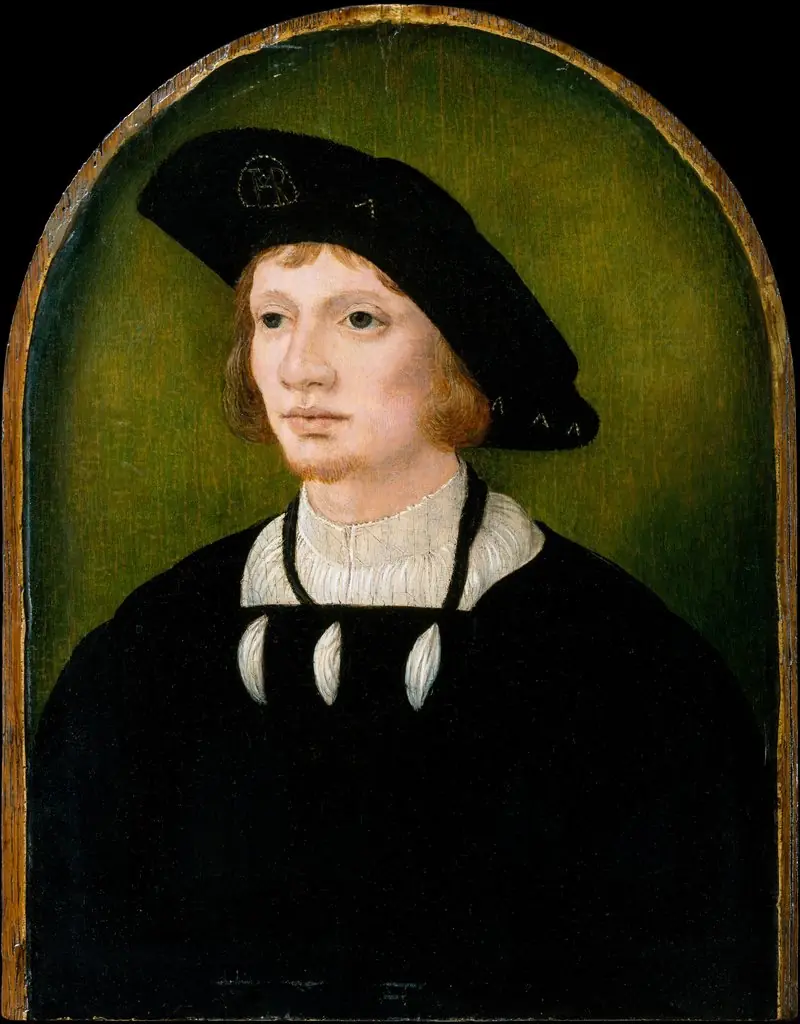 Portrait of a Man
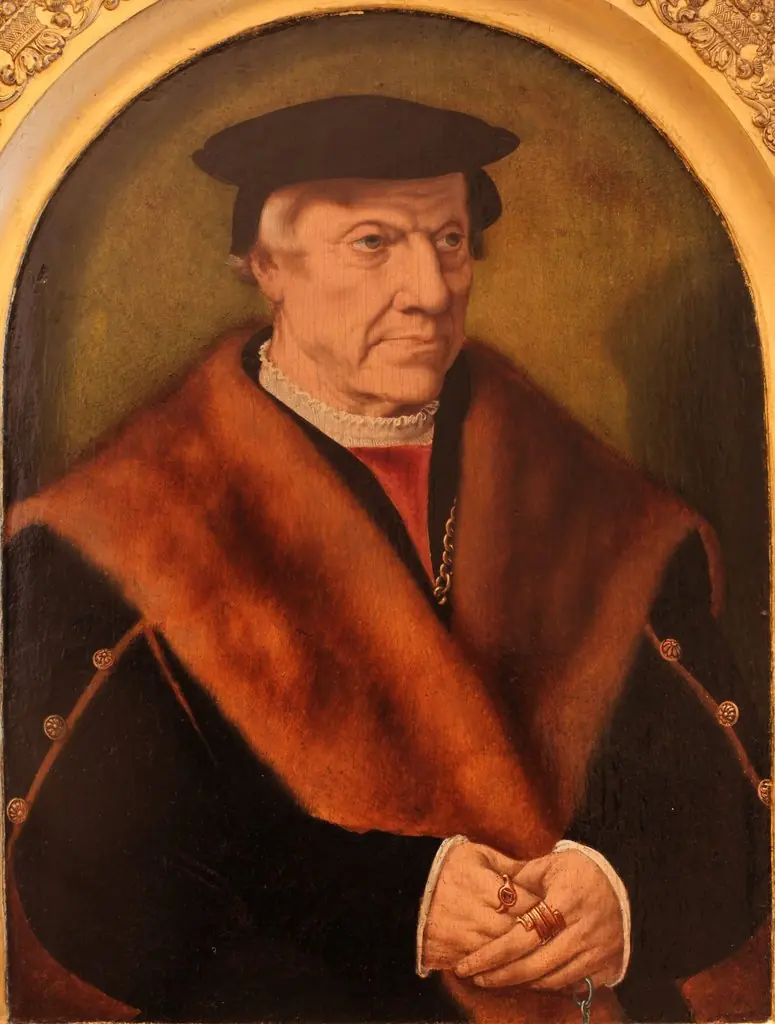 Portrait of a man
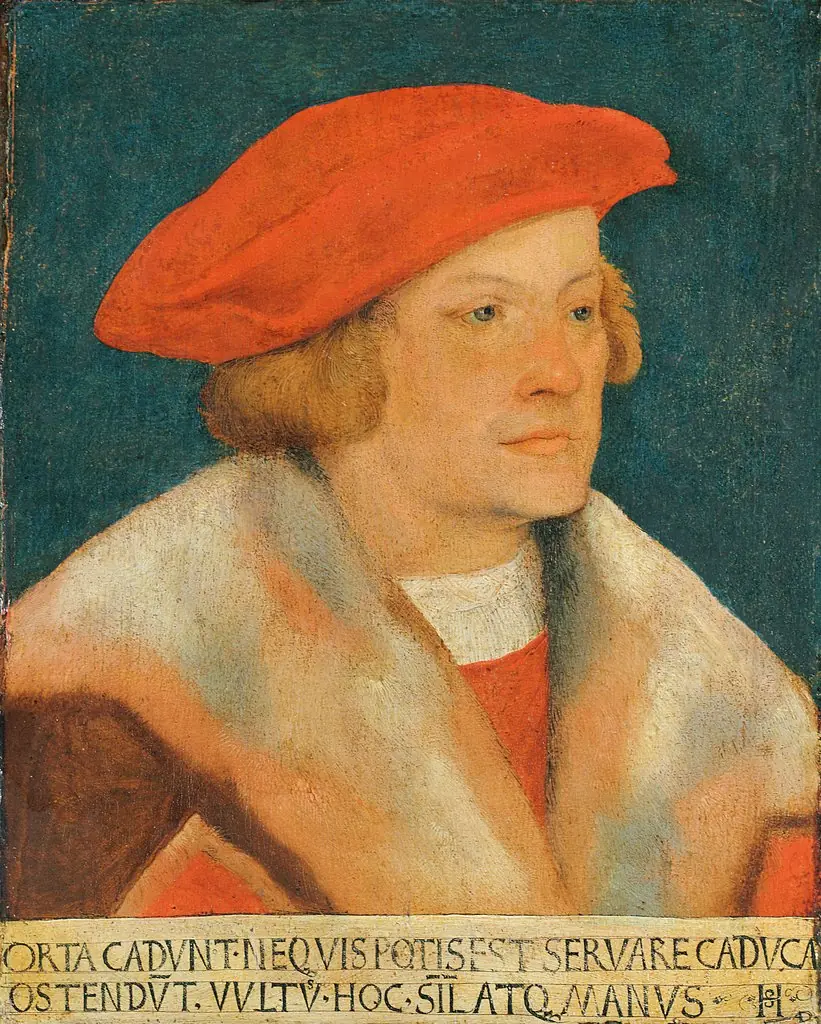 Portrait of a Man (Self-portrait?)
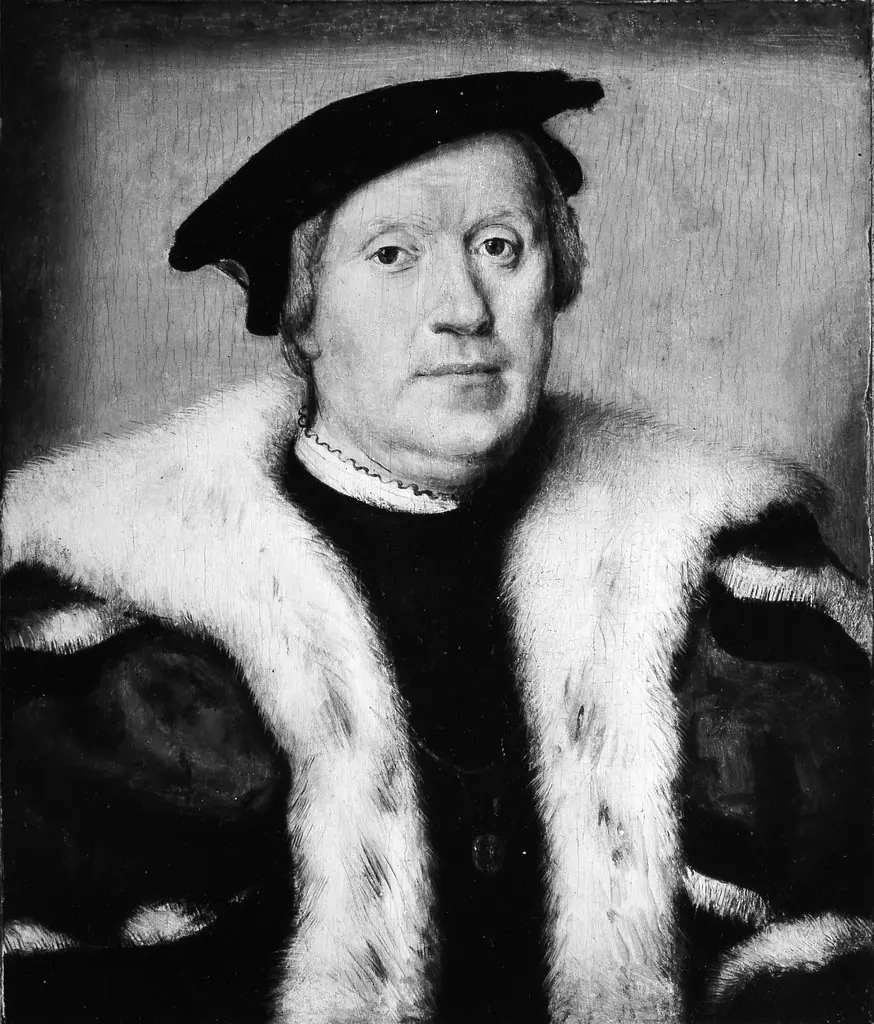 Jean d'Albon de Saint-André (1472–1549)
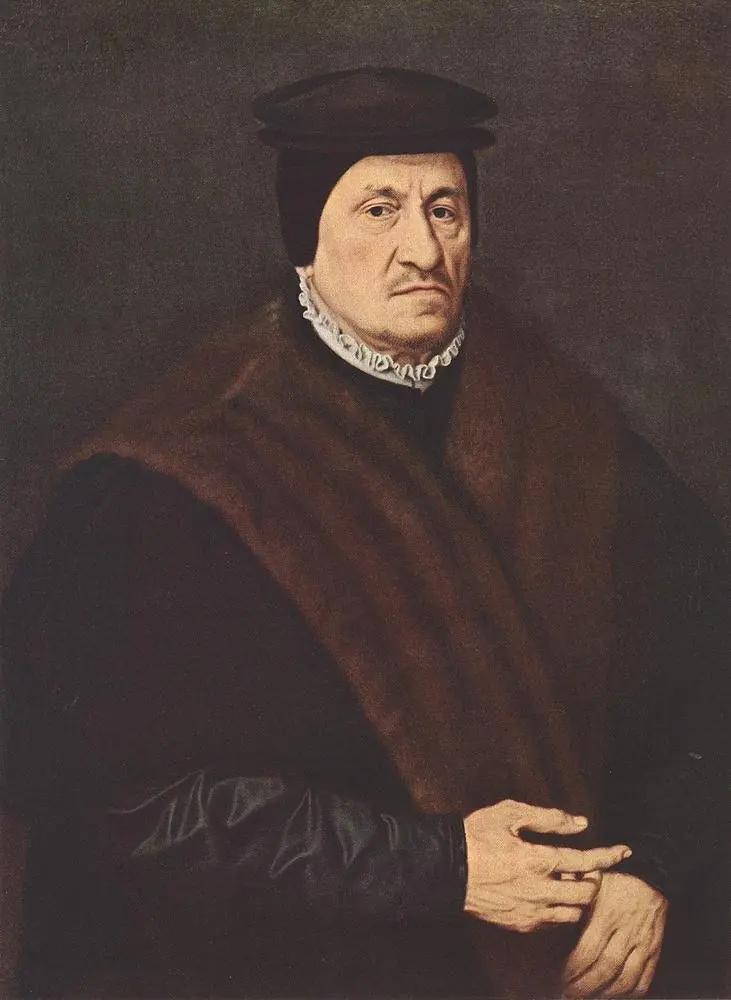 Portrait of an Elderly Man
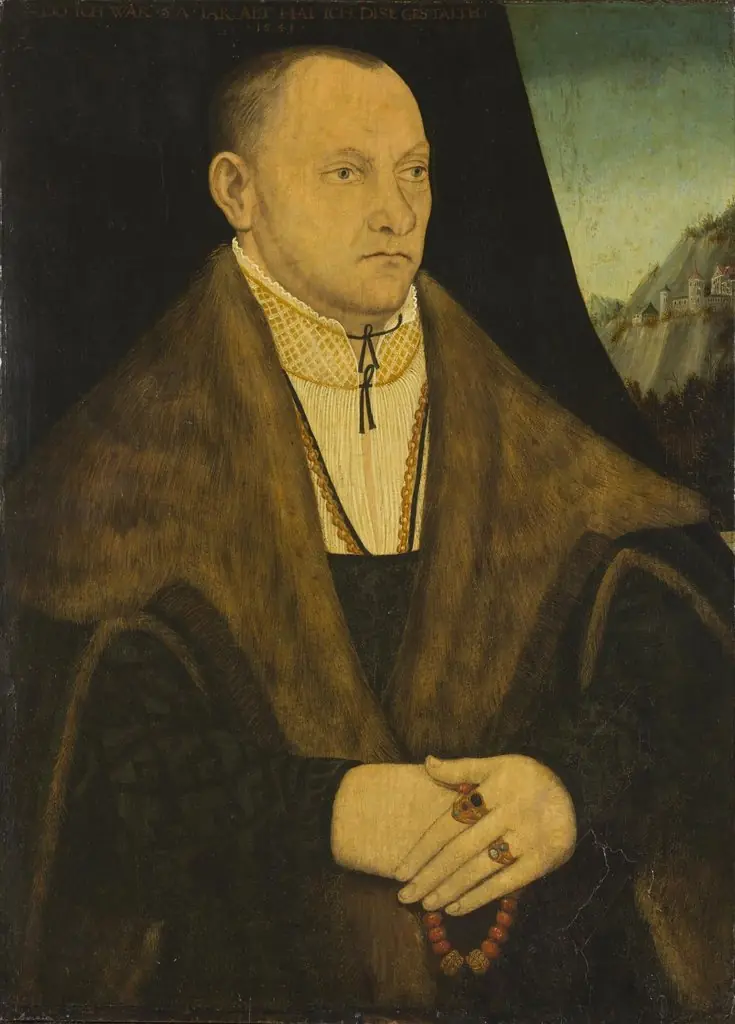 Portrait of a man
 Kaiser Maximilian II. (1527-1576) als etwa Vierzigjähriger
![A Member of the de Hondecoeter Family [obverse], by Antwerp 16th Century](https://artifactworldgallery.com/img/antwerp-16th-century--a-member-of-the-de-hondecoeter-family-obverse--56718cc2d35bf2df-w320.webp) A Member of the de Hondecoeter Family [obverse]
A Member of the de Hondecoeter Family [obverse]