Artwork
Untitled
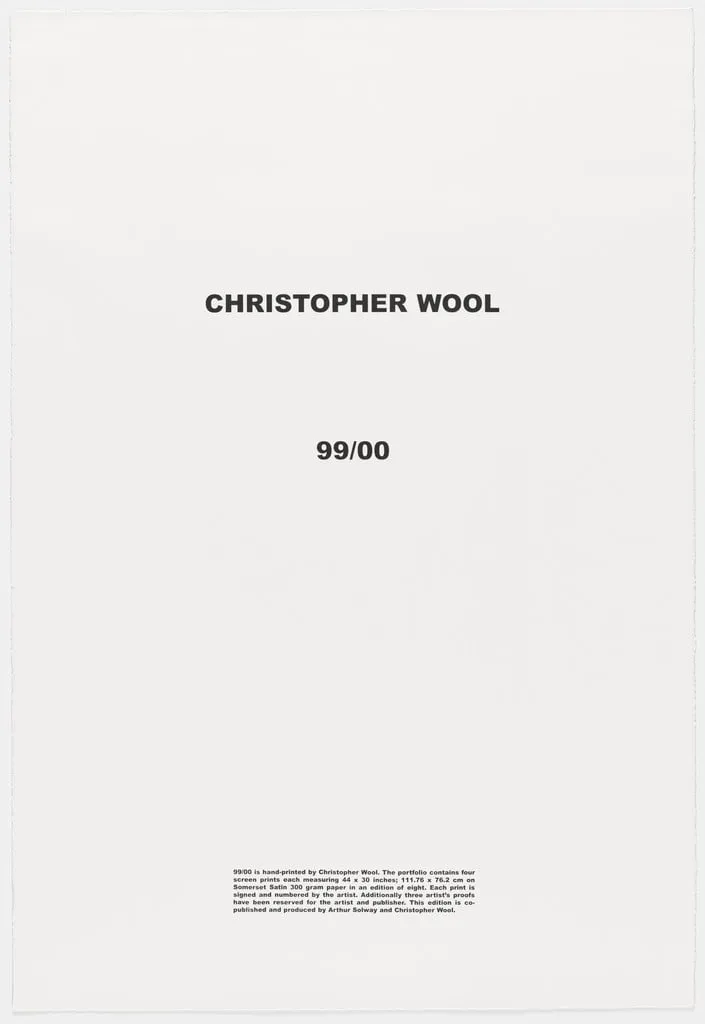
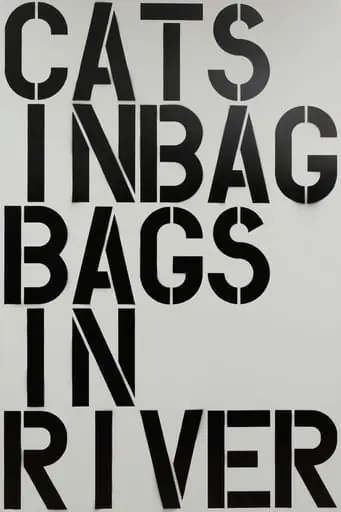
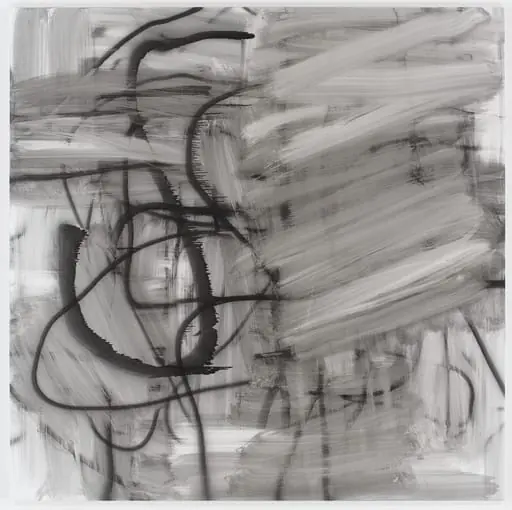
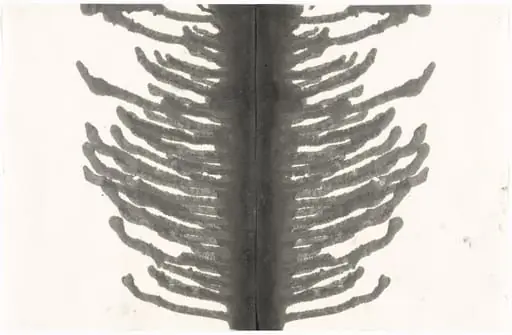
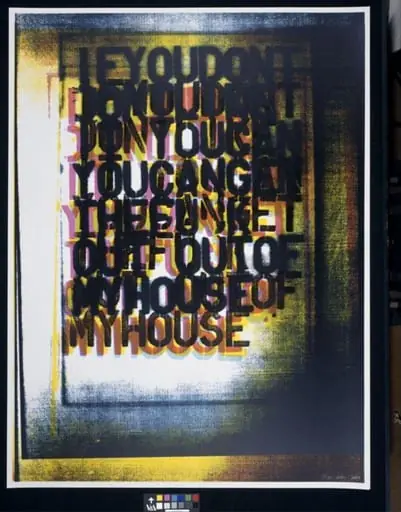
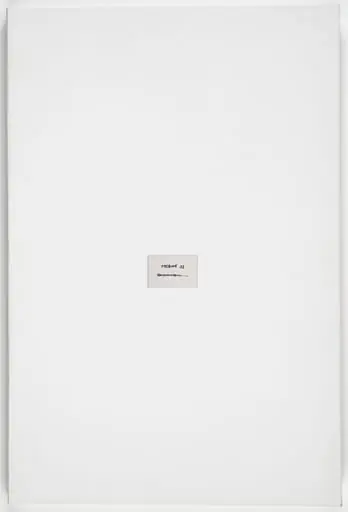
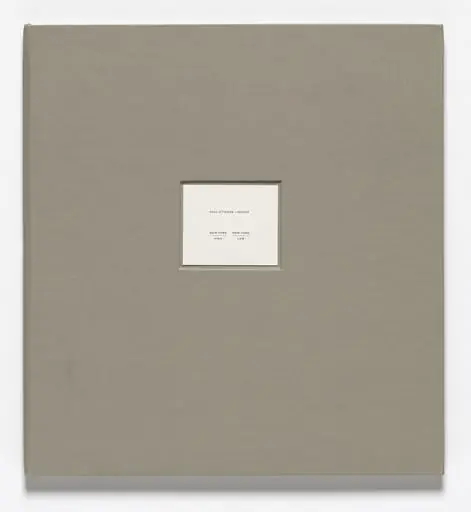
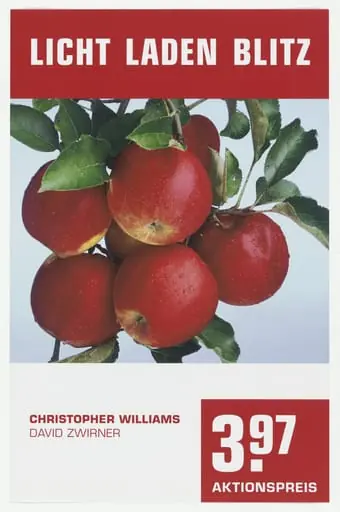
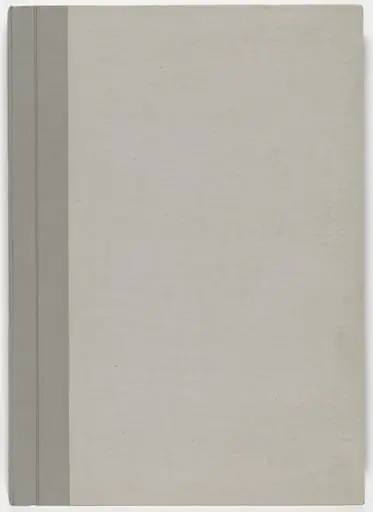
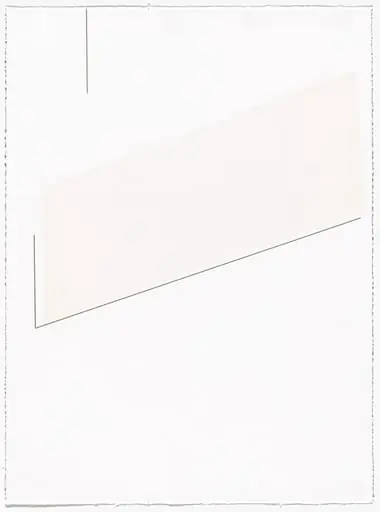
Untitled is an ink print by Christopher Wool. It dates from 2000 and is held in the collection of the Museum of Modern Art.
About this work
Overview
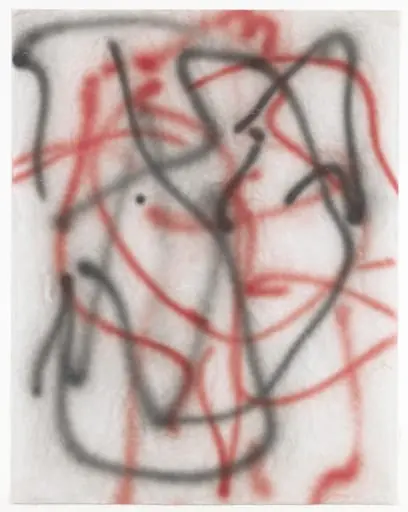
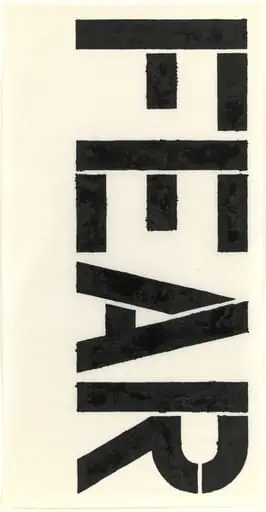
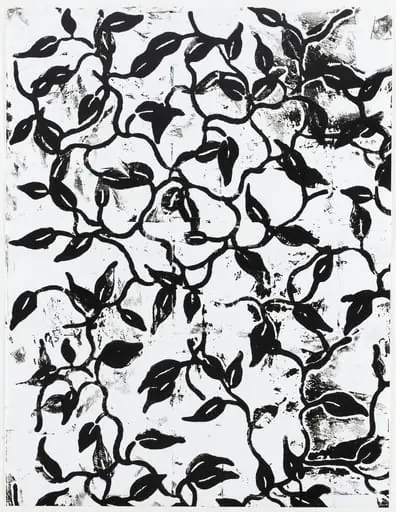
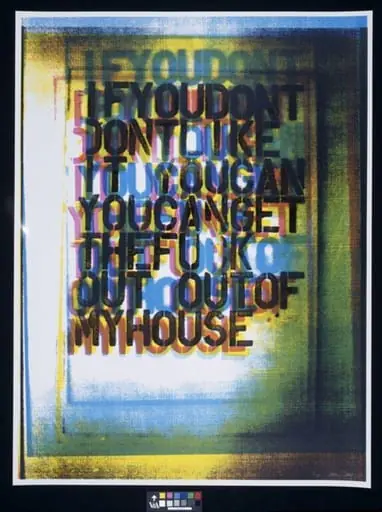
Untitled is a 2000 portfolio consisting of four screenprints by Christopher Wool. Each print measures approximately 42 by 30 inches, unified in scale and medium. The works were produced using the screenprinting technique, in which ink is forced through a stenciled mesh to form images. The portfolio is held in the collection of The Museum of Modern Art, New York.
Subject & Meaning
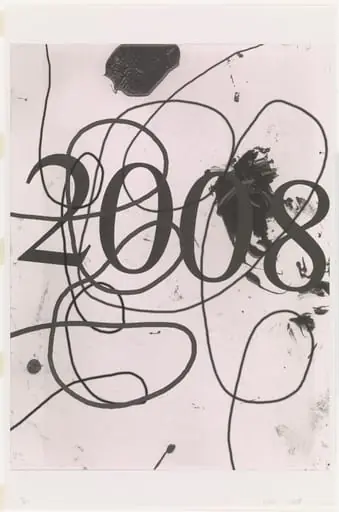
The prints lack figurative or narrative content, instead presenting abstract, gestural marks. Wool’s use of repeated, layered strokes suggests movement and erosion, evoking the visual language of graffiti and industrial decay. The absence of explicit subject matter invites interpretation through form and texture rather than symbolism.
Technique & Style
Each print was made using screenprinting, a method that allows for bold, flat areas of color and sharp edges. Wool manipulated the process to create irregular, almost accidental textures, contrasting the mechanical nature of the medium with expressive, hand-driven marks. The resulting surfaces balance precision with spontaneity.
History & Provenance
Created in 2000, the portfolio entered The Museum of Modern Art’s collection shortly after its production. It reflects Wool’s ongoing engagement with printmaking during a period when he was increasingly exploring the intersection of painting and mechanical reproduction. No prior ownership or exhibition history beyond MoMA’s acquisition is documented.
Context
Wool’s work in this period responded to the legacy of Abstract Expressionism and the rise of postmodern appropriation. His screenprints engage with the aesthetics of urban signage and vandalism, situating his practice within late 20th-century debates about authorship, reproduction, and the boundaries of painting.
Legacy
This portfolio exemplifies Wool’s contribution to redefining printmaking as a serious medium for contemporary art. Its influence can be seen in later artists who use industrial techniques to challenge traditional notions of originality and handcraft in painting, reinforcing the legitimacy of print-based abstraction in institutional contexts.
Artist & collection