Artwork
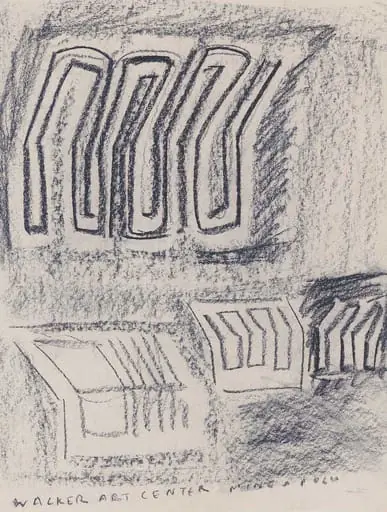
Σπουδή για γλυπτό στο Walker Art Center III
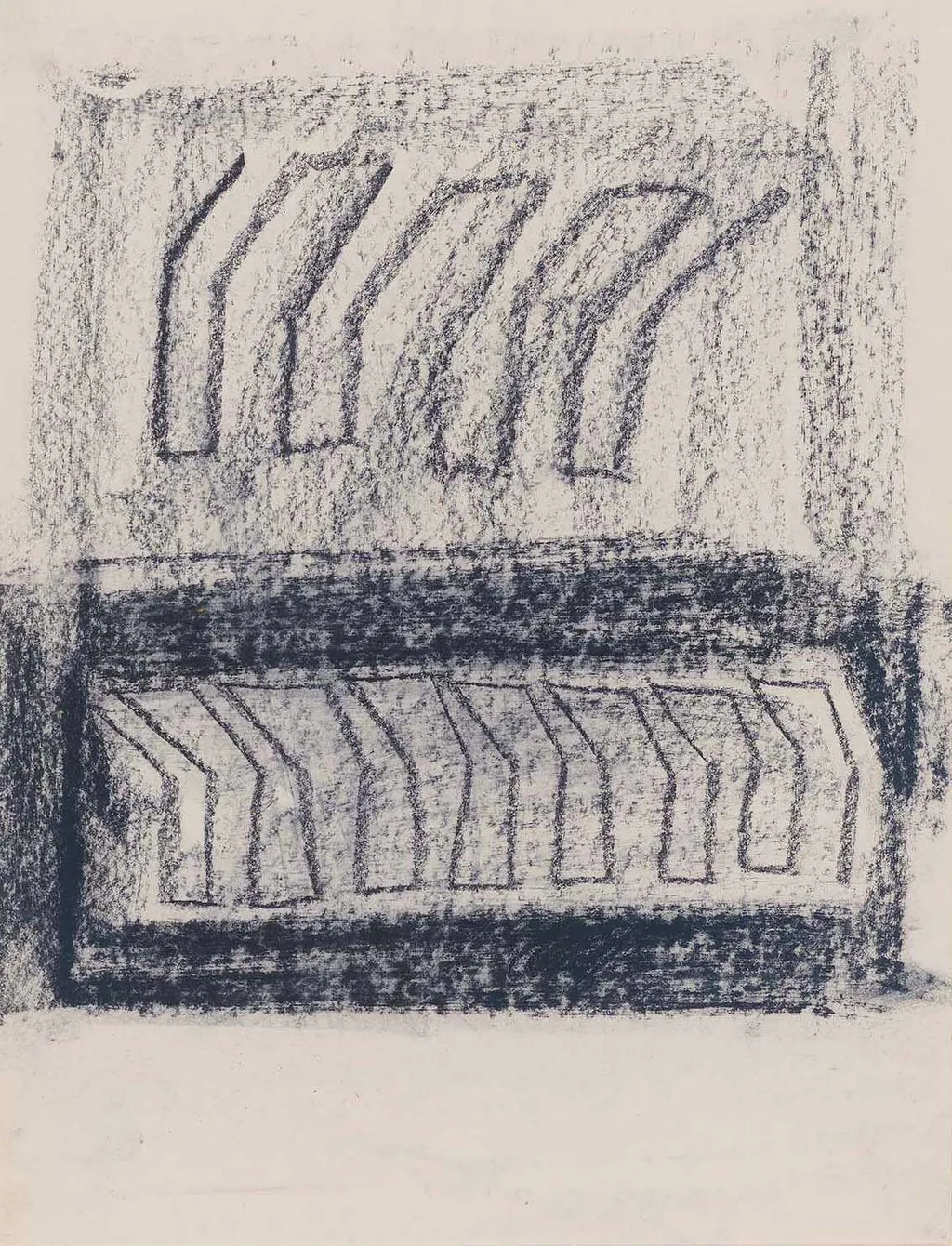
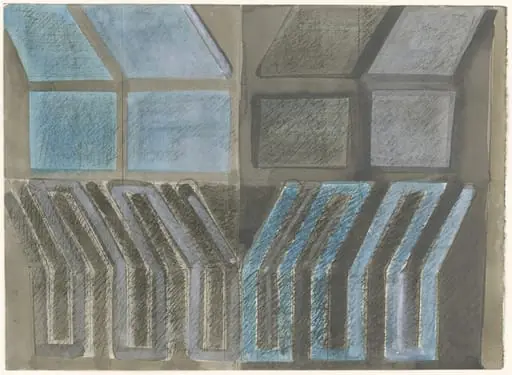
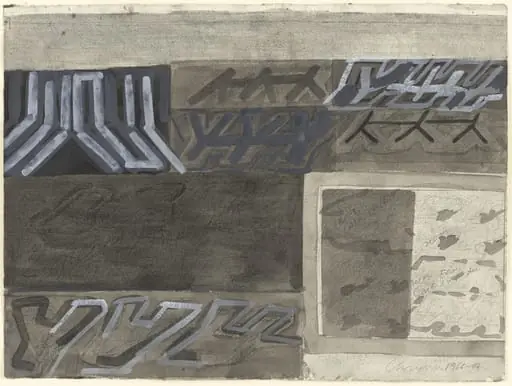
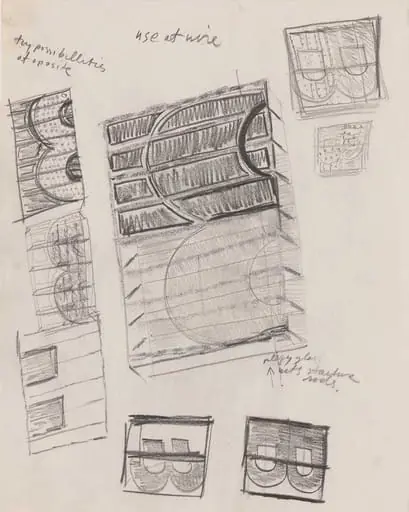
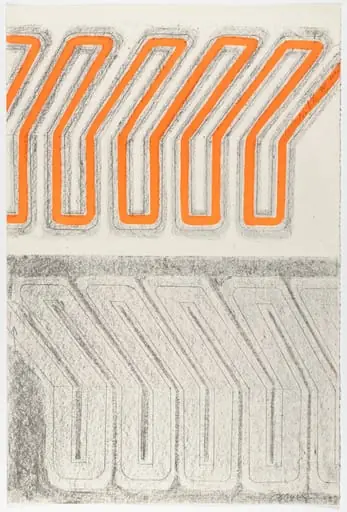
Σπουδή για γλυπτό στο Walker Art Center III is a drawing by Chryssa (Vardea-Mavromichali). It dates from 1983 and is held in the collection of the Metropolitan Organisation of Museums of Visual Arts of Thessaloniki – MOMus. Created in the mid-1960s, this study is part of a series prepared for Chryssa’s 1967 solo exhibition at the Walker Art Center.
About this work
Overview
Created in the mid-1960s, this study is part of a series prepared for Chryssa’s 1967 solo exhibition at the Walker Art Center.
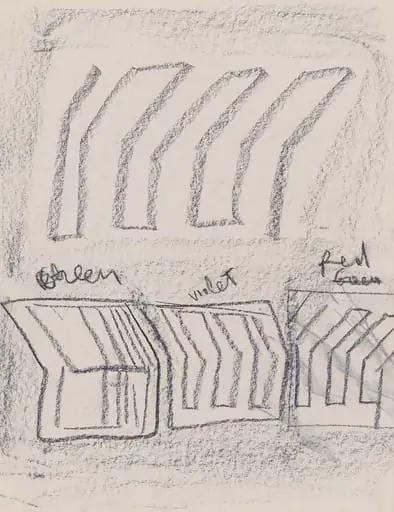
Created in the mid-1960s, this study is part of a series prepared for Chryssa’s 1967 solo exhibition at the Walker Art Center. Executed in pencil, it explores the fragmentation and reassembly of the letterform 'Y,' reflecting her transition from two-dimensional sketches to three-dimensional neon sculptures. The drawing captures her process of distilling urban signage into abstract, luminous structures.
Subject & Meaning
The work centers on the partial form of the letter 'Y,' isolated and multiplied in overlapping configurations. Chryssa was drawn to the visual ambiguity of letters—how they function as both carriers of meaning and as pure geometric shapes. By breaking apart familiar symbols, she questioned their communicative authority, transforming them into rhythmic, almost musical compositions of line and space.
Technique & Style
Using dense cross-hatching and precise stippling, Chryssa simulated the glow and intensity of neon without pigment. The pencil work mimics the electric quality of illuminated signage, with layered lines suggesting depth and luminescence. Her hand-drawn variations test spatial relationships between sharp edges, anticipating the physical construction of neon tubes in later sculptures.
History & Provenance
This study was made during Chryssa’s preparation for her 1967 exhibition at the Walker Art Center, following her move from San Francisco to New York in the 1950s. It belongs to a group of preparatory drawings that documented her shift from painting to sculptural work using industrial materials. The drawings were retained by the artist and later entered institutional collections as key evidence of her evolving practice.
Context
In 1960s New York, Chryssa responded to the city’s proliferating neon advertisements, which she saw as modern hieroglyphs. Her work emerged alongside Pop Art and Minimalism but diverged in its focus on linguistic form rather than consumer imagery. She collaborated with American glass artisans to hand-bend neon tubes, blending craft traditions with contemporary urban aesthetics.
Legacy
These studies established a visual language that informed Chryssa’s later neon sculptures, influencing artists interested in language as material. Her method of deconstructing letters into abstract compositions expanded the boundaries of sculpture, bridging graphic design, typography, and light art. The drawings remain vital records of an artist redefining public signage as private aesthetic inquiry.
Artist & collection
Artist
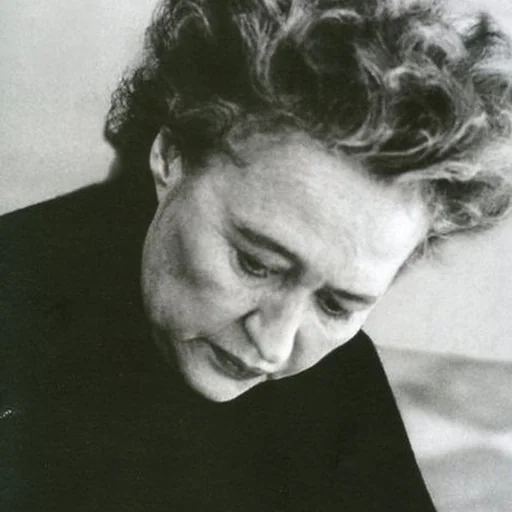
Chryssa Vardea-Mavromichali (Greek: Χρυσά Βαρδέα-Μαυρομιχάλη; December 31, 1933 – December 23, 2013) was a Greek American artist who worked in a wide variety of media.
Museum
Metropolitan Organisation of Museums of Visual Arts of Thessaloniki – MOMus
Continue through works from the same source collection.
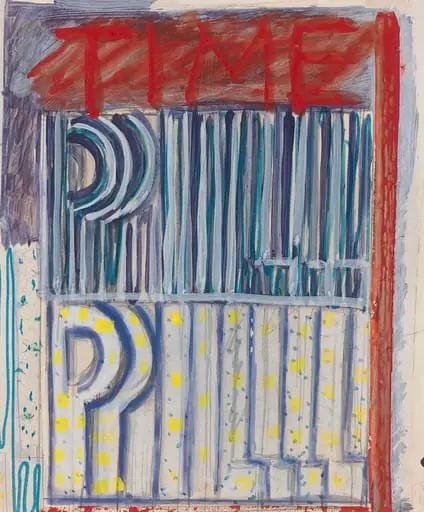 Σπουδή για εξώφυλλο του περιοδικού Time
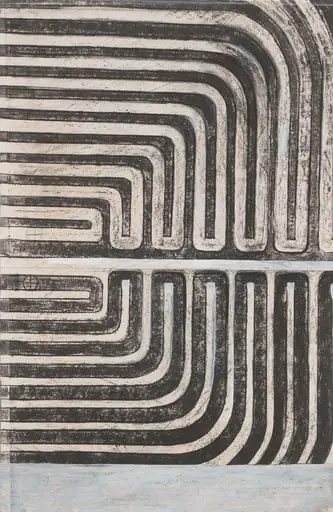 Μαίανδροι V - Μελέτη σύνθεσης με νέον που υποδεικνύει διαφορετικές φάσεις φωτεινότητας του σωλήνα που πρέπει να ρυθμίζεται από χρονοδιακόπτη
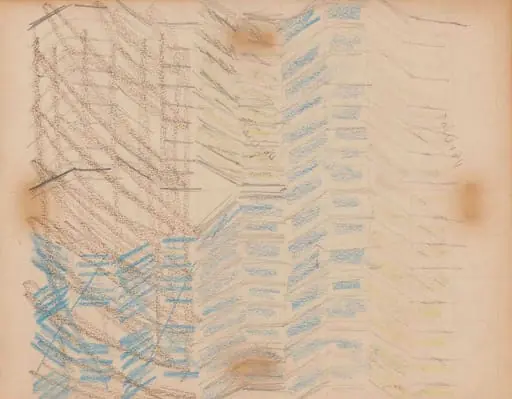 Θραύσμα σπουδής για το Γράμμα Υ
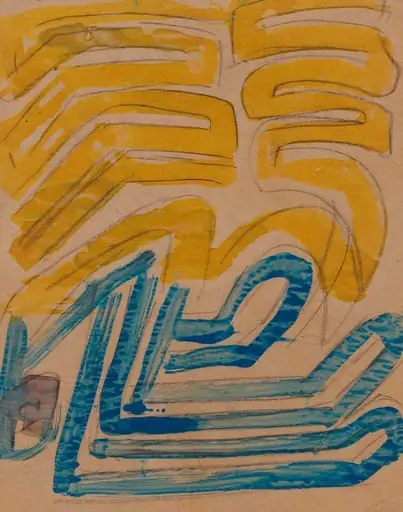 Σπουδή θερμού και ψυχρού χρώματος
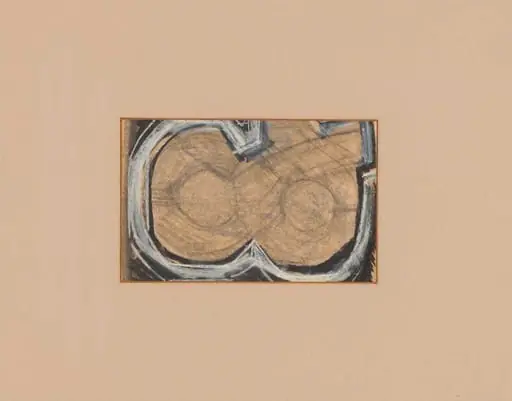 Ampersand
 Σπουδή για τοπίο
 Σπουδή για γλυπτό στο Walker Art Center I
 Σπουδή για το Γράμμα Β (IV)