Artwork
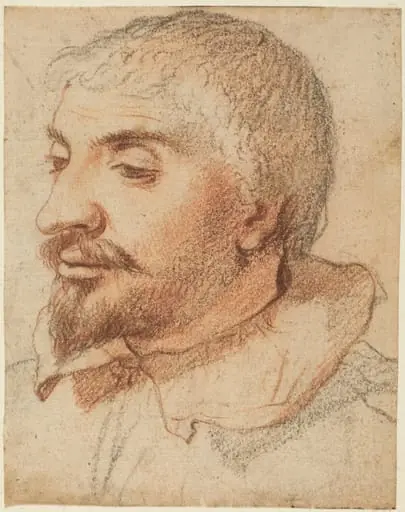
Head of a Man Wearing a Cap
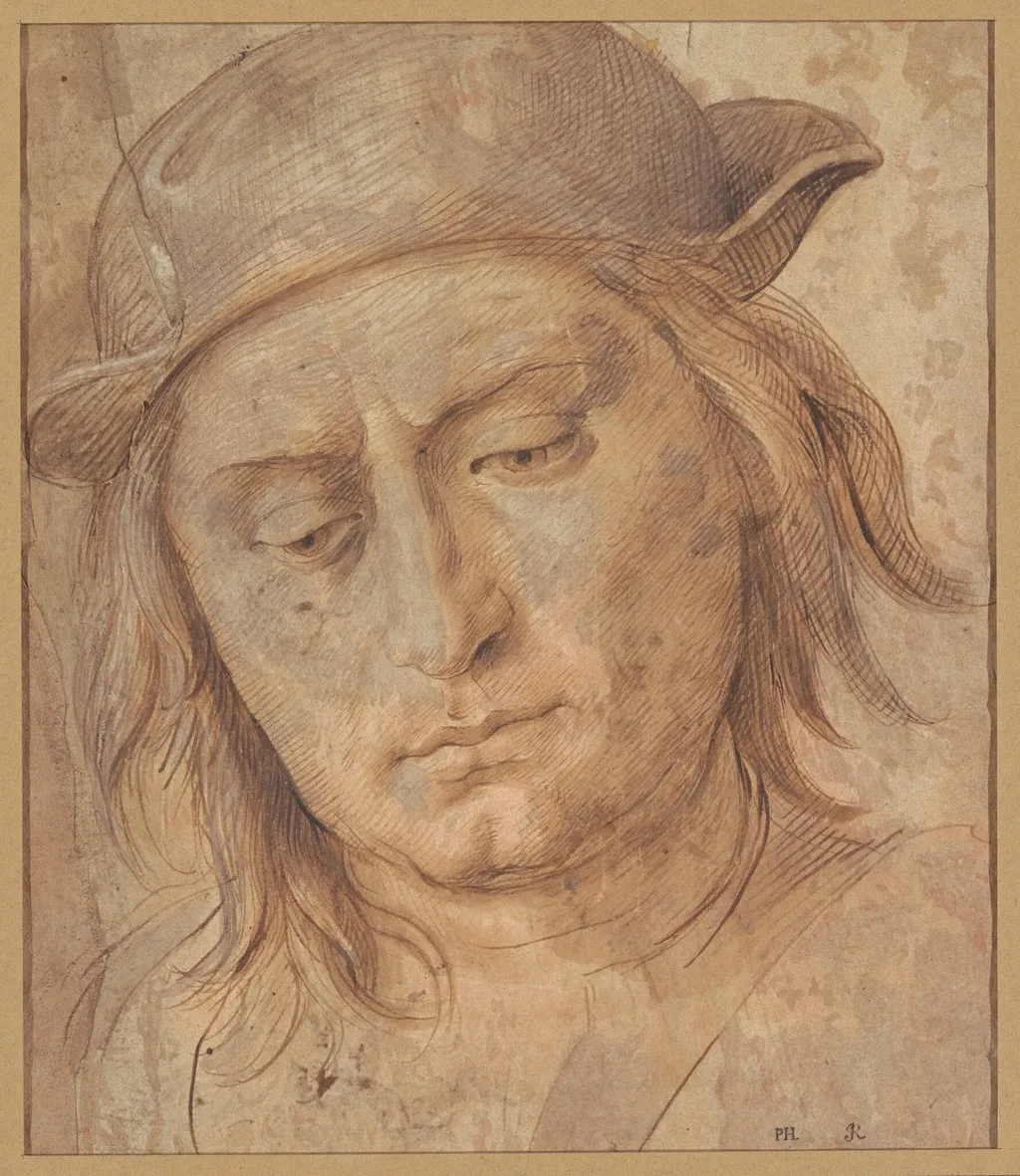
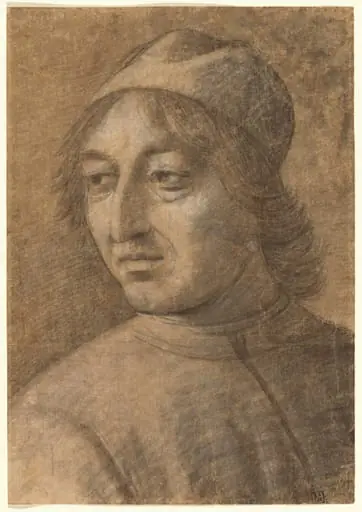
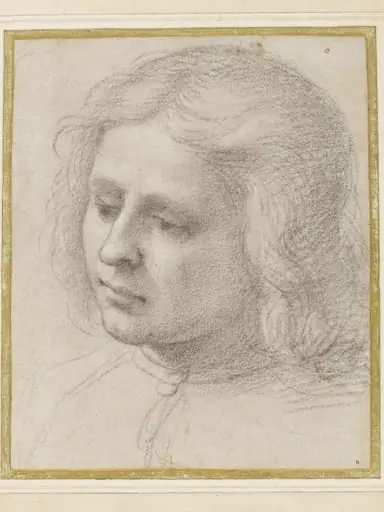
Head of a Man Wearing a Cap is a gouache drawing by the Renaissance artist Circle of the Master of Santo Spirito. It dates from 1488 and is held in the collection of the National Gallery of Art.
About this work
Overview
Head of a Man Wearing a Cap is a small drawing executed in pen and brown ink, enriched with a brown wash and accented with white gouache. Produced in 1488 by the workshop associated with the Master of Santo Spirito, the work measures only a few centimeters and is part of the collection of the National Gallery of Art in Washington, D.C.
Subject & Meaning
The composition presents a single male figure in profile, his head turned slightly toward the viewer. A low‑set cap with an up‑curved brim frames his face, while loose, flowing lines suggest hair and a modest beard. The rendering focuses on the play of light across the cheekbones and eye, giving the portrait a quiet, introspective character.
Technique & Style
The artist employed a combination of pen work and ink wash to establish the basic contours, allowing the brown tones to create a soft modelling of the skin. White gouache is applied sparingly to highlight the eyes and cheek, producing a subtle contrast that lifts the features from the darker background. The overall effect balances sketch‑like spontaneity with careful tonal control.
History & Provenance
Attributed to the Circle of the Master of Santo Spirito, a workshop active in late‑15th‑century Italy, the drawing entered the National Gallery of Art’s holdings through a 20th‑century acquisition. Its documented provenance prior to museum ownership is limited, reflecting the typical challenges of tracing small devotional or study drawings from this period.
Artist & collection
Artist
Circle of the Master of Santo Spirito
Circle of the Master of Santo Spirito (1475–1500) was an artist.