Artwork
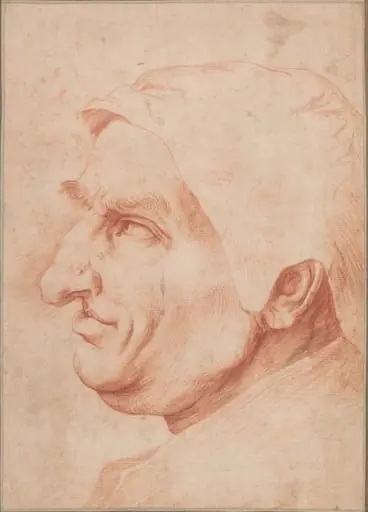
Head of a Man
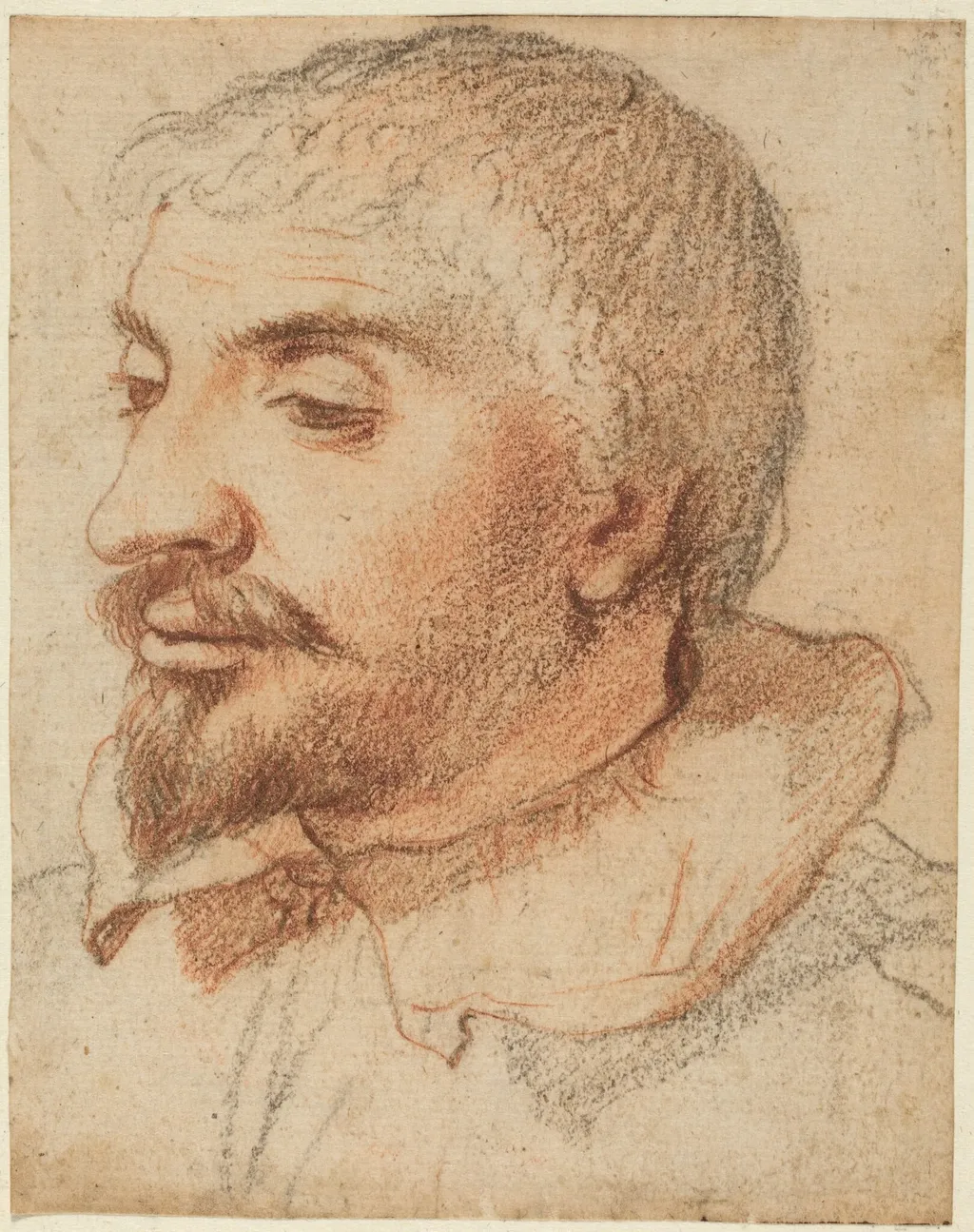
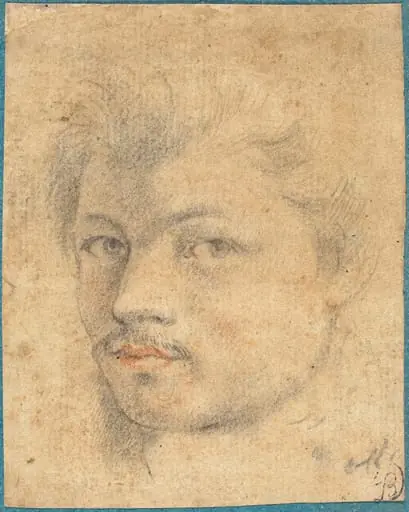
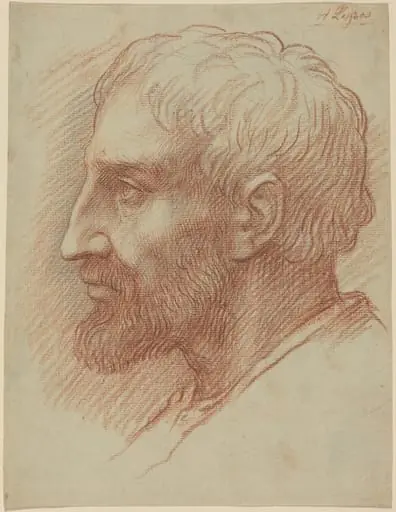
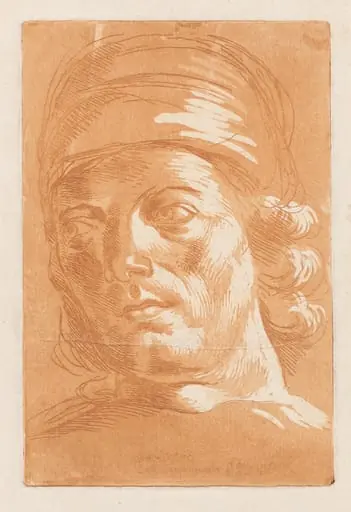
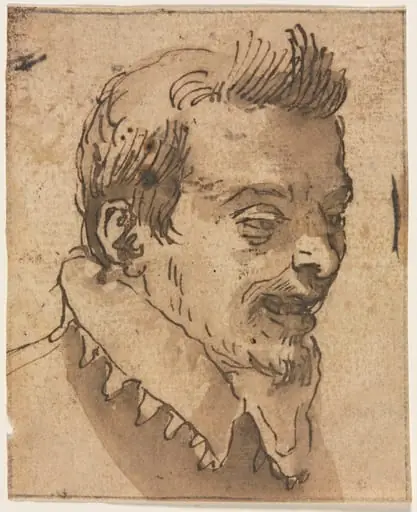
Head of a Man is a chalk drawing by the Baroque artist Italian 17th Century. It dates from 1600 and is held in the collection of the National Gallery of Art.
About this work
You can learn more about this style at the National Gallery of Art, Washington, which holds this work, by exploring the movement: Baroque.
The painting is called Head of a Man.
It was made by an Italian artist in the 17th Century.
The artist used red and black chalk on laid paper to create this portrait, which is a characteristic of the Baroque style, known for dramatic lighting and intense emotions.
You can learn more about this style at the National Gallery of Art, Washington, which holds this work, by exploring the movement: Baroque.
Overview
Head of a Man is a 17th-century Italian drawing executed in red and black chalk on laid paper, attributed to the Baroque style.
Subject & Meaning
The subject is a portrait of a man, with the artwork conveying dramatic intensity and emotional depth, characteristic of Baroque's emphasis on profound psychological expression.
Technique & Style
The use of red and black chalk on laid paper is a hallmark of Baroque drawing techniques, leveraging chiaroscuro to achieve dramatic lighting effects that heighten the subject's emotional presence.
History & Provenance
The drawing is part of the collection at the National Gallery of Art in Washington, D.C., though the specific artist remains unidentified in the provided information.
Artist & collection

Artist
This Italian artist worked in the 17th century, making engravings, ink drawings, and oil paintings.