Artwork
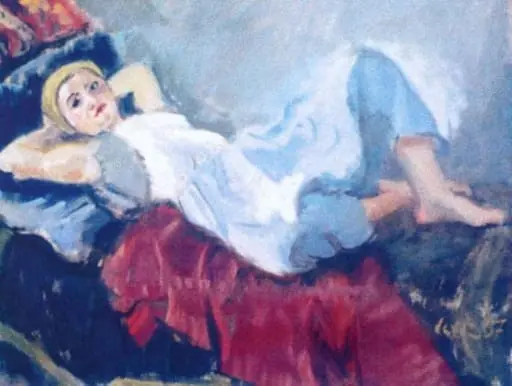
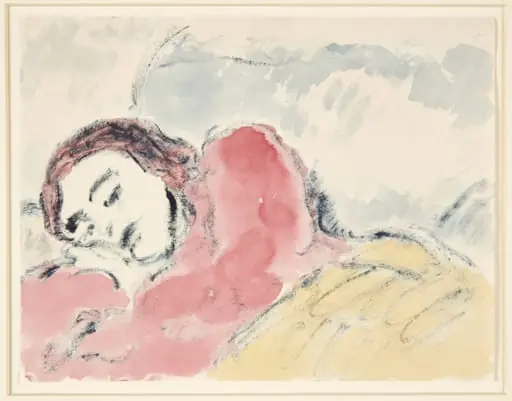
Femeie culcată
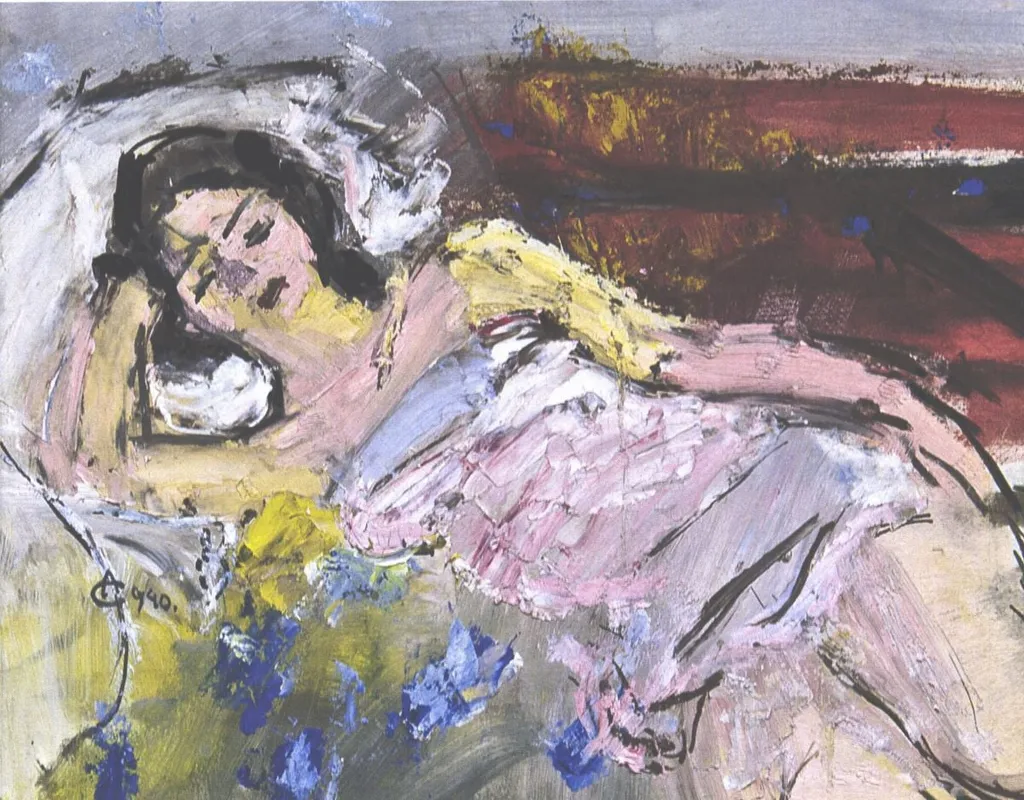
Femeie culcată is a print by Alexandru Ciucurencu. It dates from 1940 and is held in the collection of the National Museum of Art of Romania.
About this work
Overview
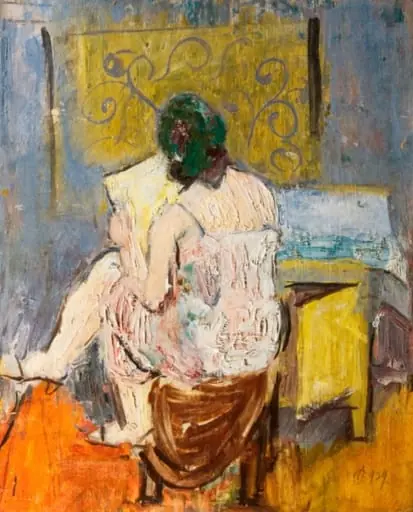
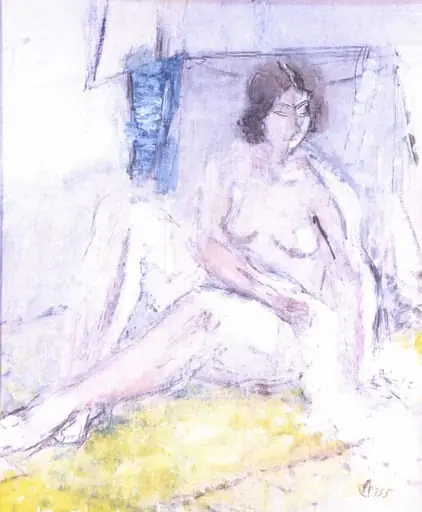
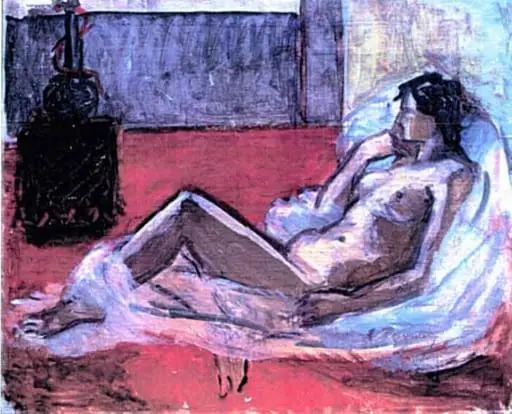
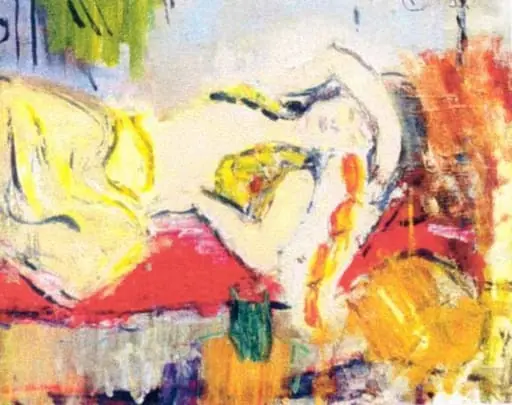
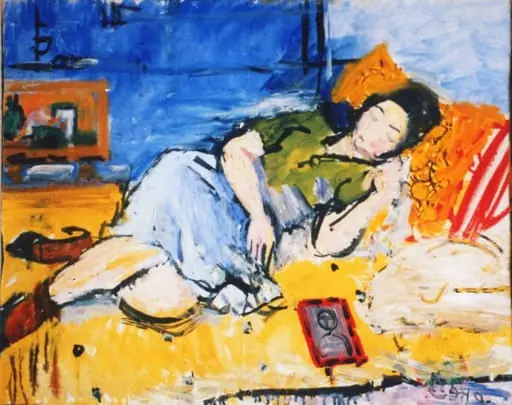
Created in 1940 by Romanian artist Alexandru Ciucurencu, *Femeie culcată* is a reclining female figure rendered in oil paint with a deliberate roughness.
Created in 1940 by Romanian artist Alexandru Ciucurencu, *Femeie culcată* is a reclining female figure rendered in oil paint with a deliberate roughness. Ciucurencu, trained in Bucharest and Paris, synthesized academic foundations with modernist sensibilities. The work stands as a quiet example of his post-impressionist phase, where emotional tone outweighs precise representation, and materiality becomes part of the subject’s presence.
Subject & Meaning
The painting presents a solitary woman in repose, her form partially obscured by a coarse blanket. Her face is indistinct, inviting contemplation rather than identification. The lack of clear features and the muted palette suggest introspection or vulnerability. Rather than idealizing the figure, Ciucurencu emphasizes her physicality and isolation, evoking a sense of quiet endurance rather than narrative.
Technique & Style
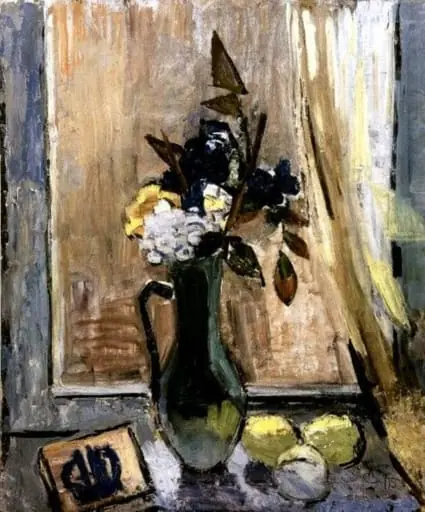
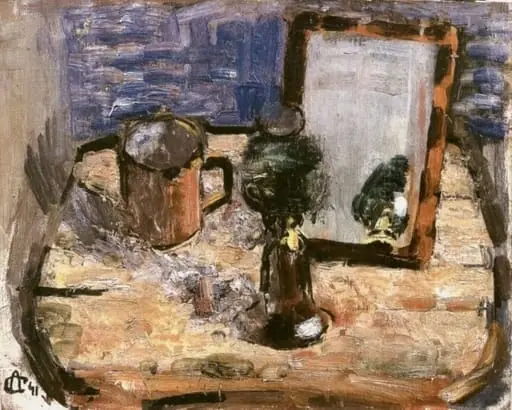
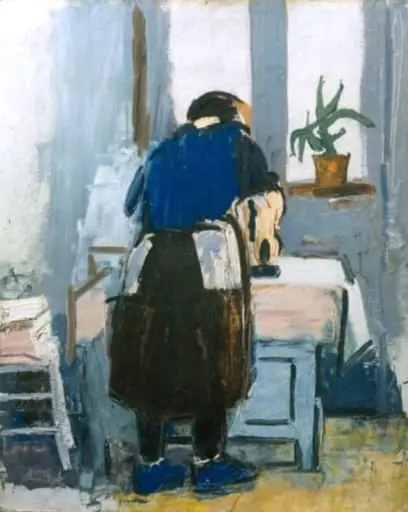
Ciucurencu employed thick, unblended brushstrokes, building the surface with impasto to create texture and weight. Colors—muddy yellows, earthy browns, and grayed blues—are applied with urgency, leaving visible marks of the brush. The background recedes into shadow, isolating the figure. This approach prioritizes tactile presence over clarity, aligning with post-impressionist concerns for emotional resonance through material gesture.
History & Provenance
Painted in 1940, during Ciucurencu’s mature period, the work emerged after his studies at the Académie Julian in Paris and his return to Romania. It reflects the synthesis of French modernist influences with his Romanian artistic context. While specific ownership history is not widely documented, the painting remains part of the broader corpus of mid-20th century Romanian modernism, preserved in institutional collections.
Context
In interwar Romania, artists like Ciucurencu navigated between academic traditions and European avant-garde currents. *Femeie culcată* reflects this tension: its formal language owes something to Lhote’s structured modernism, yet its raw execution diverges from polished Parisian norms. The work resonates with broader regional trends that favored psychological depth over decorative refinement during a time of cultural redefinition.
Legacy
Though not widely exhibited internationally, *Femeie culcată* contributes to the understanding of Romanian modernism’s unique trajectory. Ciucurencu’s willingness to embrace material roughness and emotional ambiguity set him apart from more conventional contemporaries. The painting endures as a testament to an artist who valued expressive truth over technical polish, influencing later generations seeking authenticity in form.
Artist & collection
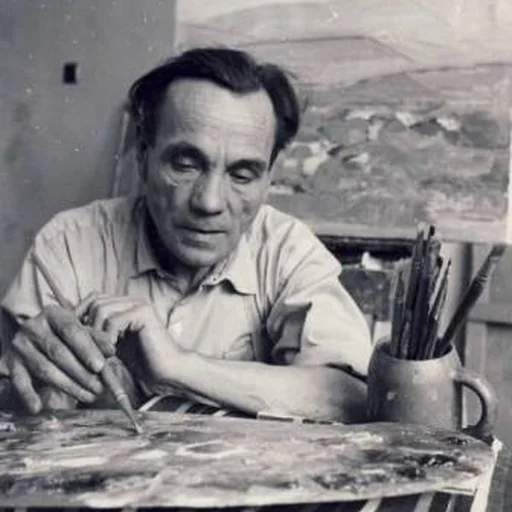
Artist
Alexandru Ciucurencu (Romanian pronunciation: ; 27 September 1903 – 27 December 1977) was a Romanian Post-Impressionist painter, and a corresponding member of the Romanian Academy.