Artwork
Odaliscă
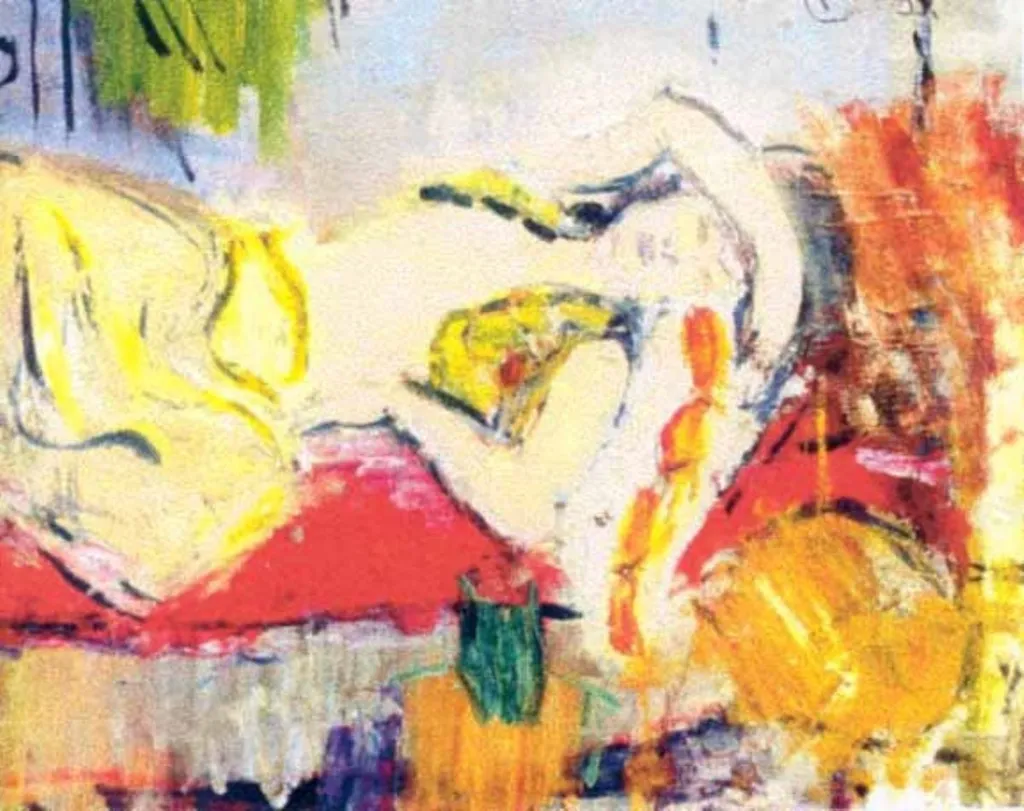
Odaliscă is an unspecified painting by Alexandru Ciucurencu. It dates from 1938 and is held in the collection of the Art Museum of Constanta.
About this work
Overview
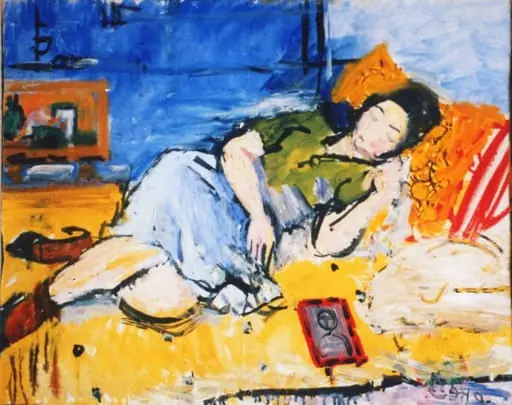
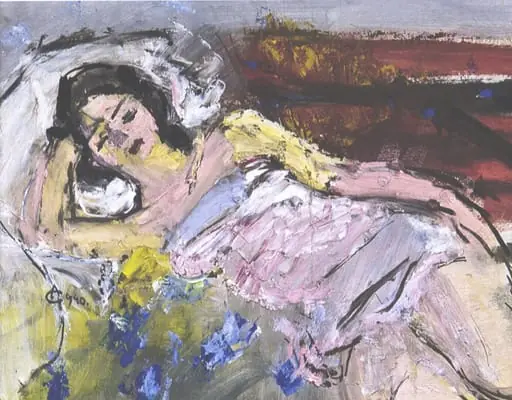
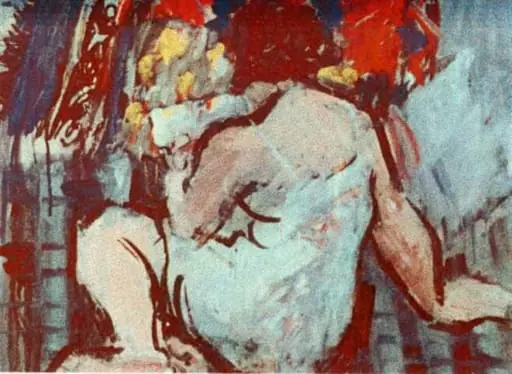
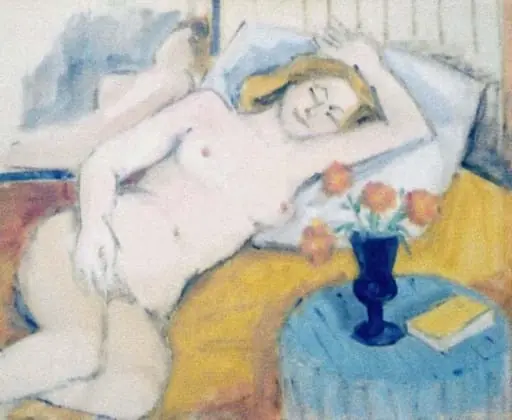
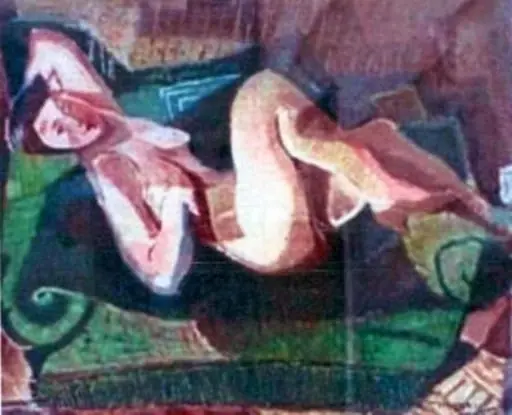
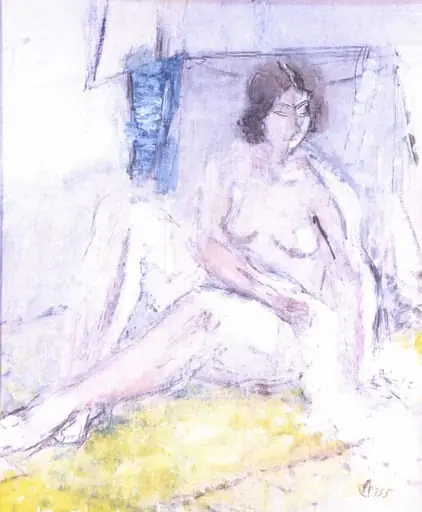
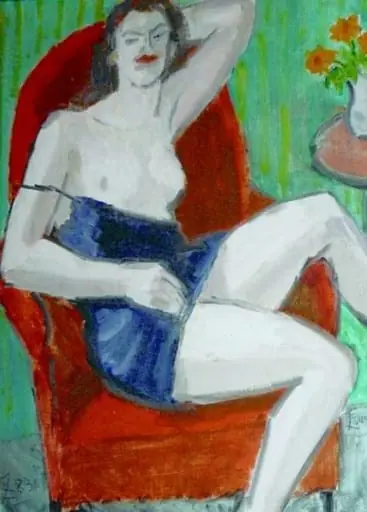
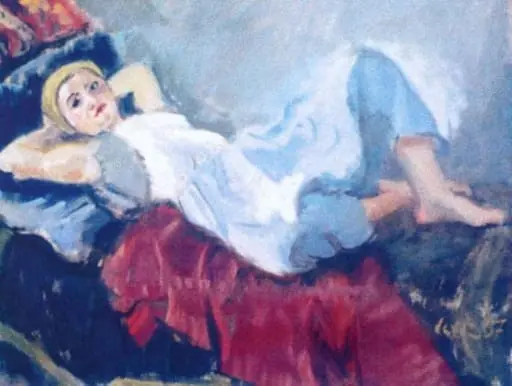
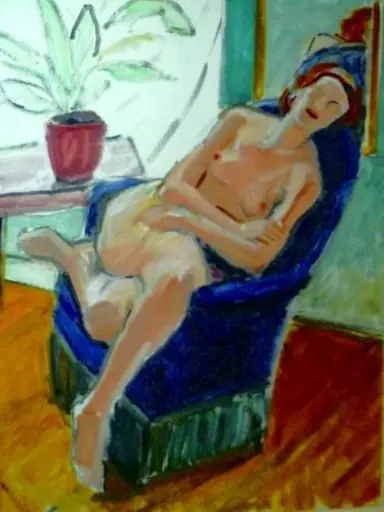
Odaliscă, painted by Alexandru Ciucurencu in 1938, is an abstracted figure study rendered in thick, expressive brushwork.
Odaliscă, painted by Alexandru Ciucurencu in 1938, is an abstracted figure study rendered in thick, expressive brushwork. The painting is part of the Museum of Ethnography’s collection and reflects a departure from literal representation. Its emphasis on texture and color over detail suggests an interest in emotional resonance rather than narrative clarity, aligning with broader interwar European tendencies toward expressive abstraction.
Subject & Meaning
The central form suggests a reclining female figure, though it is obscured by layers of pigment and fragmented shapes. The title, referencing the Ottoman-derived term for a concubine in a harem, introduces a cultural allusion, but the painting avoids literal depiction. Instead, it conveys a sense of intimacy and anonymity, where identity is dissolved into color and movement, leaving interpretation open to the viewer’s perception.
Technique & Style
Ciucurencu employed impasto extensively, applying paint in dense, uneven layers that create a sculptural surface. Brushstrokes are rapid and directional, with hues of yellow, red, green, blue, and orange overlapping without clear boundaries. The texture is tactile, with ridges and peaks of paint catching light differently across the surface, emphasizing the physical act of painting over precise form.
History & Provenance
Created in 1938, Odaliscă entered the Museum of Ethnography’s holdings shortly after its completion. Its acquisition reflects the institution’s interest in modern Romanian art that engaged with both local traditions and international avant-garde trends. The work remained relatively unexhibited for decades, contributing to its status as a quietly significant, under-discussed piece within the national modernist canon.
Context
In late 1930s Romania, artists were navigating between folk motifs, academic traditions, and European modernism. Ciucurencu’s work, while not overtly political, responded to a climate where experimentation was gaining ground. Odaliscă’s abstraction and emotional intensity echo contemporaneous developments in French and German expressionism, yet retain a distinctly personal, almost intimate rhythm.
Legacy
Odaliscă stands as an early example of Romanian modernism that prioritized materiality and emotional tone over representational fidelity. Though not widely reproduced, it influenced later generations of artists interested in the expressive potential of paint itself. Its presence in a museum focused on ethnography underscores the complex interplay between cultural identity and artistic innovation in interwar Romania.
Artist & collection
Artist
Alexandru Ciucurencu painted scenes from everyday life and the human body in the mid-20th century.