Artwork
Flori
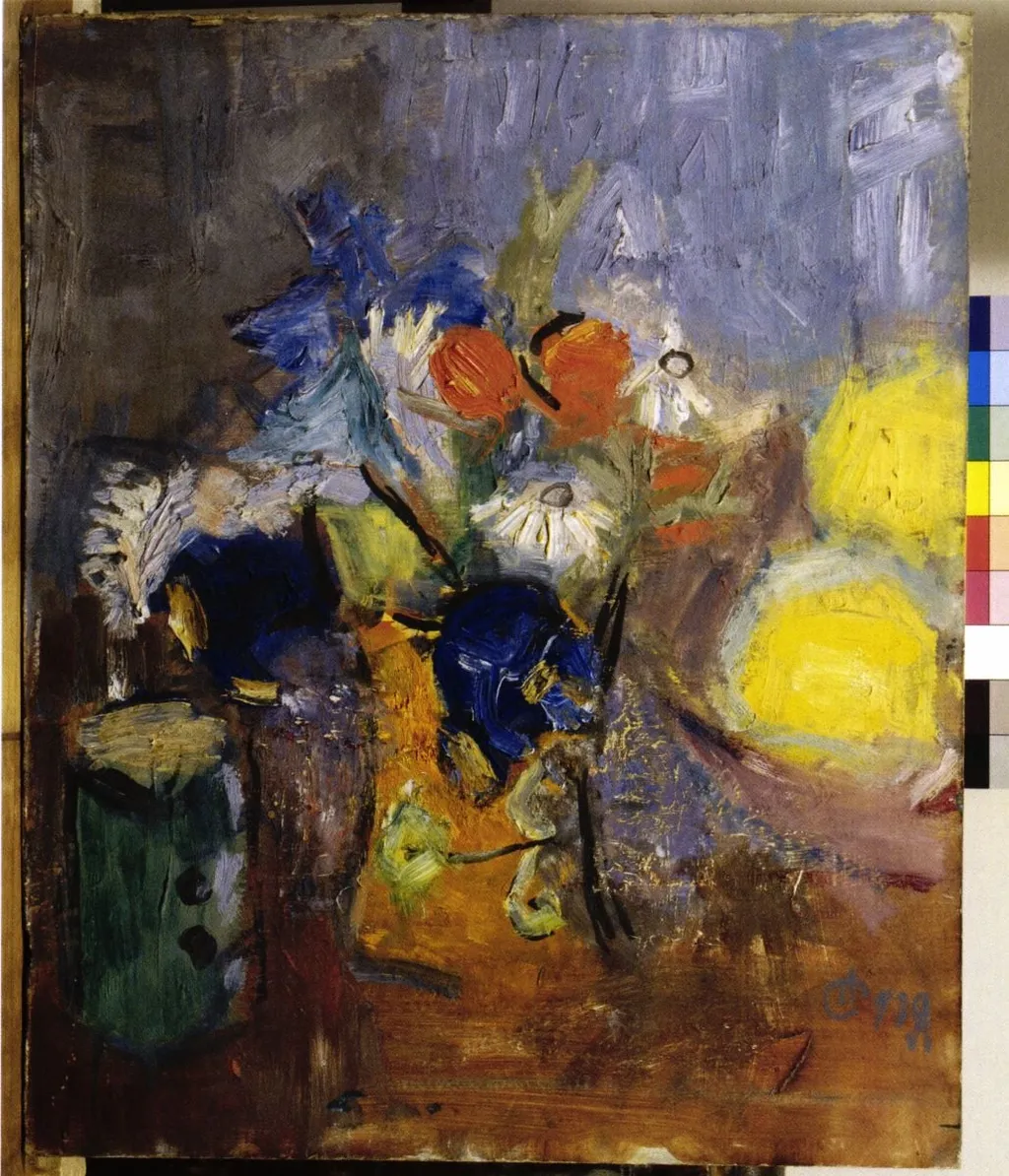
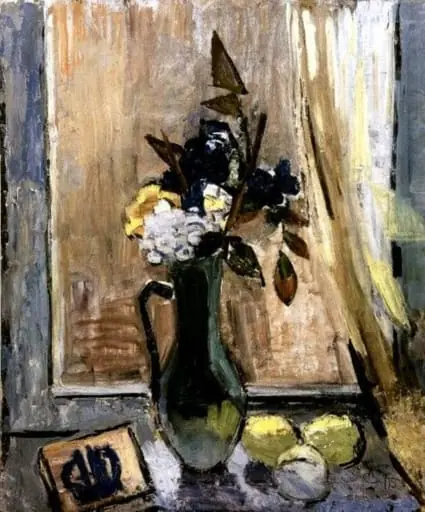
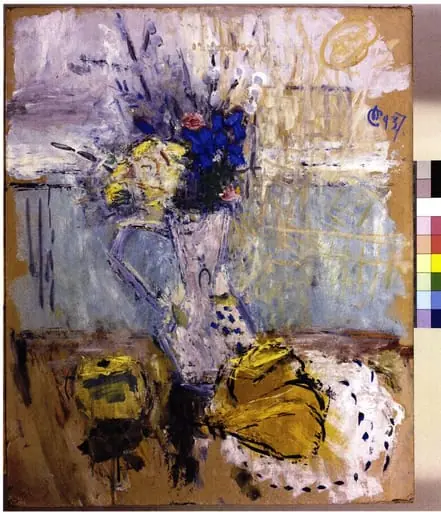
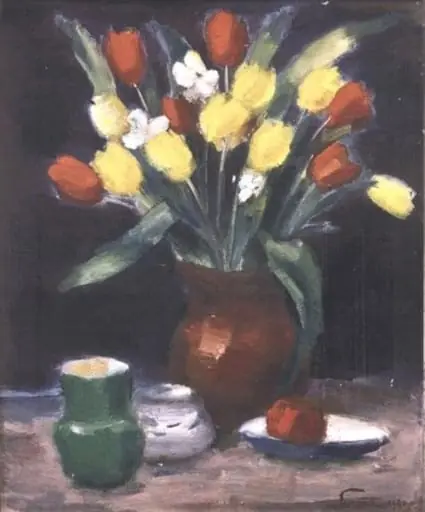
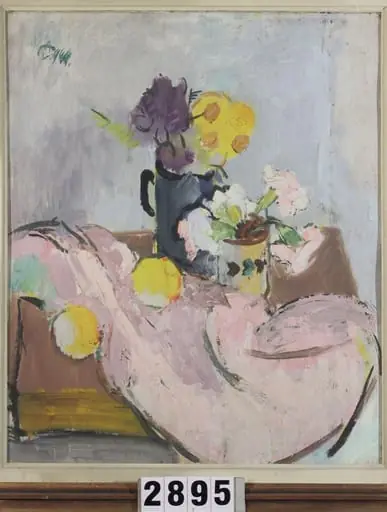
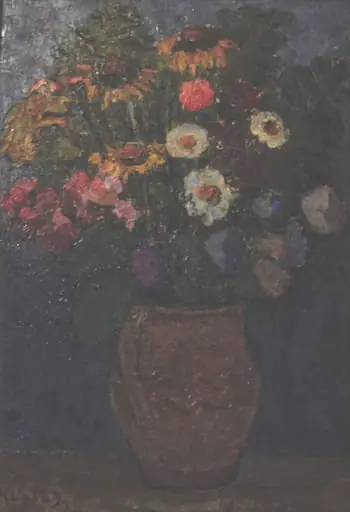
Flori is a print by Alexandru Ciucurencu. It dates from 1939 and is held in the collection of the National Museum of Art of Romania.
About this work
Overview
Created in 1939 by Romanian artist Alexandru Ciucurencu, *Flori* is a still life that reflects his synthesis of Post-Impressionist approaches learned in Paris.
Created in 1939 by Romanian artist Alexandru Ciucurencu, *Flori* is a still life that reflects his synthesis of Post-Impressionist approaches learned in Paris. Trained at Bucharest’s National School of Fine Arts and later at the Académie Julian under André Lhote, Ciucurencu brought European modernist sensibilities back to Romanian art. The painting captures a simple floral arrangement with heightened emotional texture, distinguishing it from traditional academic still lifes.
Subject & Meaning
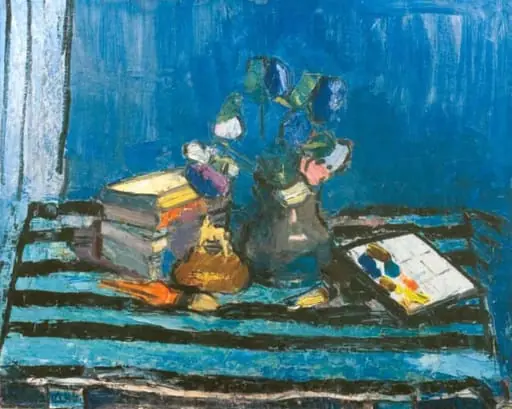
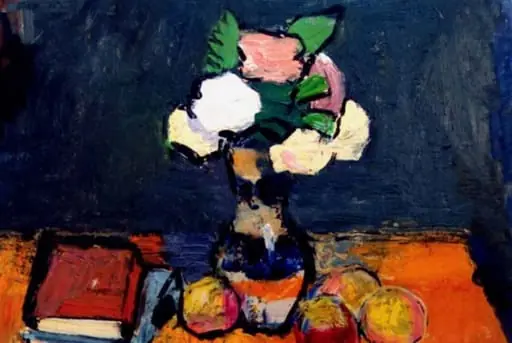
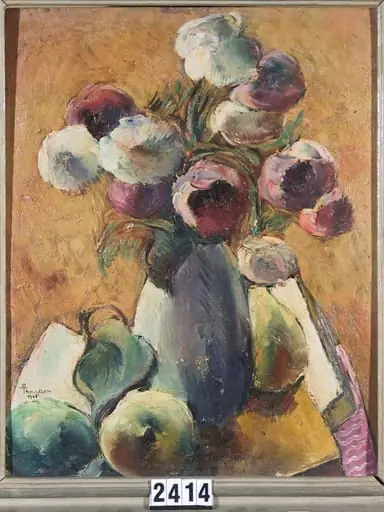
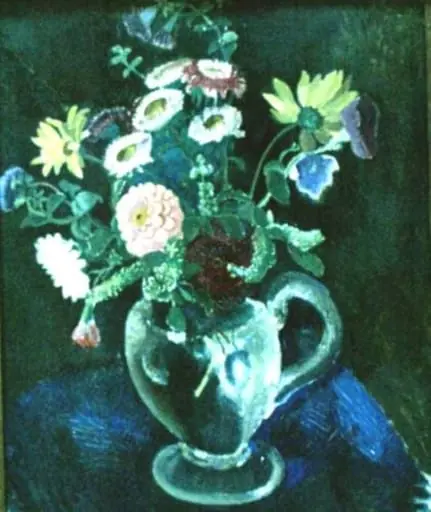
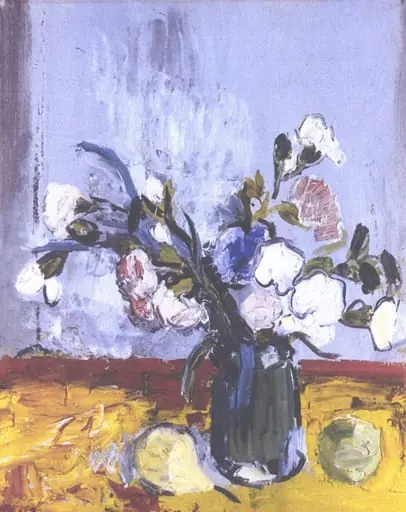
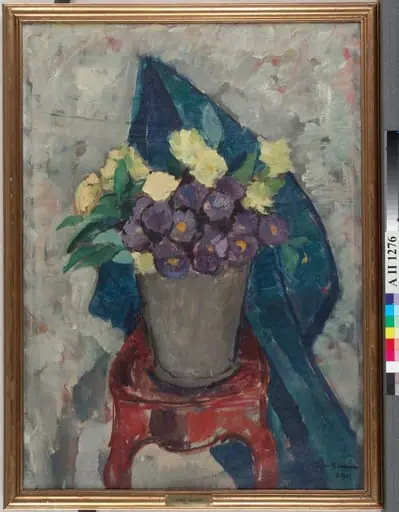
The subject is a modest bouquet of flowers in a dark, indistinct vase, placed on a muted surface. Rather than idealizing the blooms, Ciucurencu presents them with raw immediacy—petals and stems rendered through energetic, unrefined strokes. The absence of context or narrative suggests an emphasis on sensory presence over symbolism, inviting attention to the materiality of color and form rather than floral convention.
Technique & Style
Ciucurencu employed heavy impasto, applying paint thickly with visible, forceful brushwork that builds texture across the canvas. Reds, yellows, and greens emerge from a shadowy ground, their intensity heightened by contrast. The background dissolves into blurred blues and grays, receding to isolate the bouquet. This approach prioritizes tactile surface and chromatic vibration over precise delineation, aligning with Post-Impressionist explorations of emotional expression through paint.
History & Provenance
Painted in 1939, *Flori* emerged during a period when Romanian artists were increasingly engaging with international modernist movements. Ciucurencu, already a corresponding member of the Romanian Academy, had returned from Paris with a distinct stylistic vocabulary. While specific ownership history is not widely documented, the work remains representative of his mature phase, bridging Romanian cultural identity with broader European artistic developments of the interwar years.
Context
In late 1930s Romania, artistic circles were navigating between national traditions and avant-garde influences from France. Ciucurencu’s work, including *Flori*, contributed to a quiet but significant shift away from academic realism toward expressive, materially driven painting. His training in Paris placed him among artists redefining still life through gesture and pigment, aligning him with figures like Cézanne and the Post-Impressionists rather than local academic norms.
Legacy
Though not widely exhibited internationally, *Flori* exemplifies Ciucurencu’s role in expanding Romanian modernism. His use of impasto and expressive color influenced later generations of Romanian painters seeking alternatives to state-sanctioned realism. The painting endures as a quiet testament to the personal, tactile engagement with nature that characterized his artistic philosophy—emphasizing process and presence over polished representation.
Artist & collection
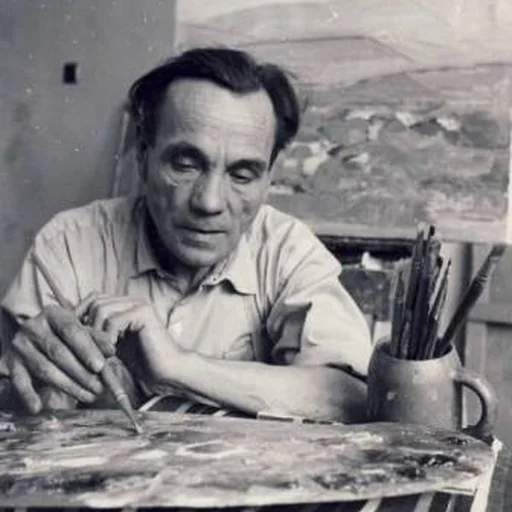
Artist
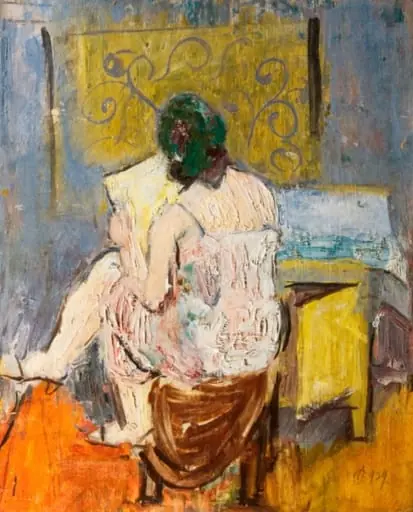
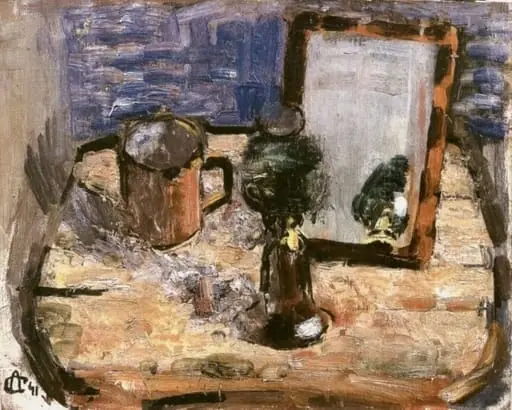
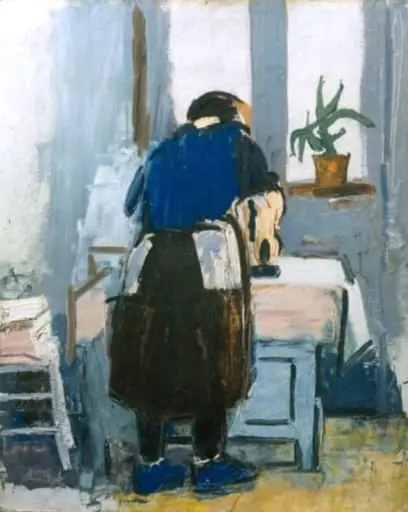
Alexandru Ciucurencu (Romanian pronunciation: ; 27 September 1903 – 27 December 1977) was a Romanian Post-Impressionist painter, and a corresponding member of the Romanian Academy.