Artwork
Witches' Sabbath
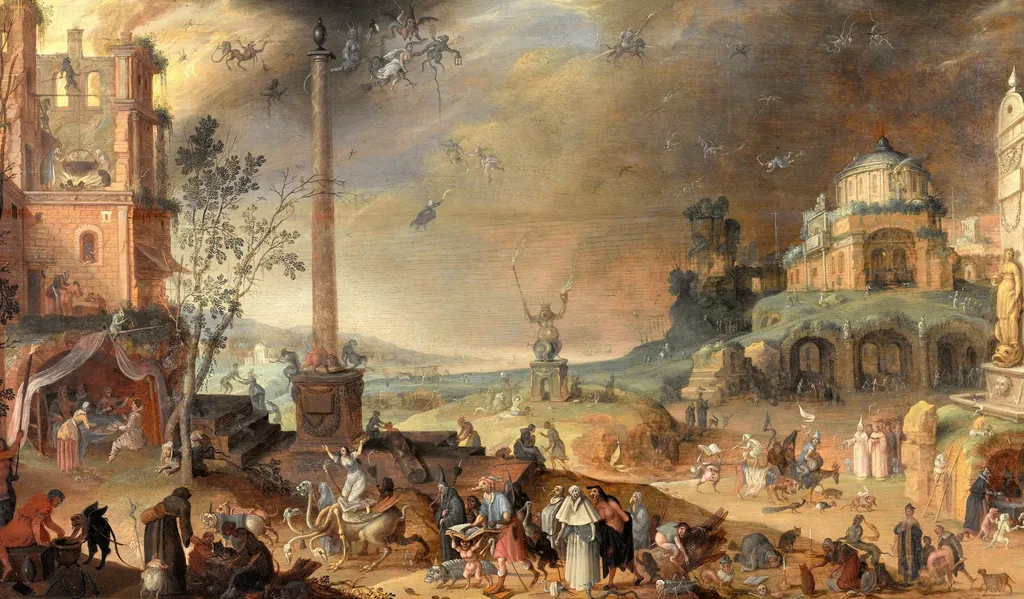
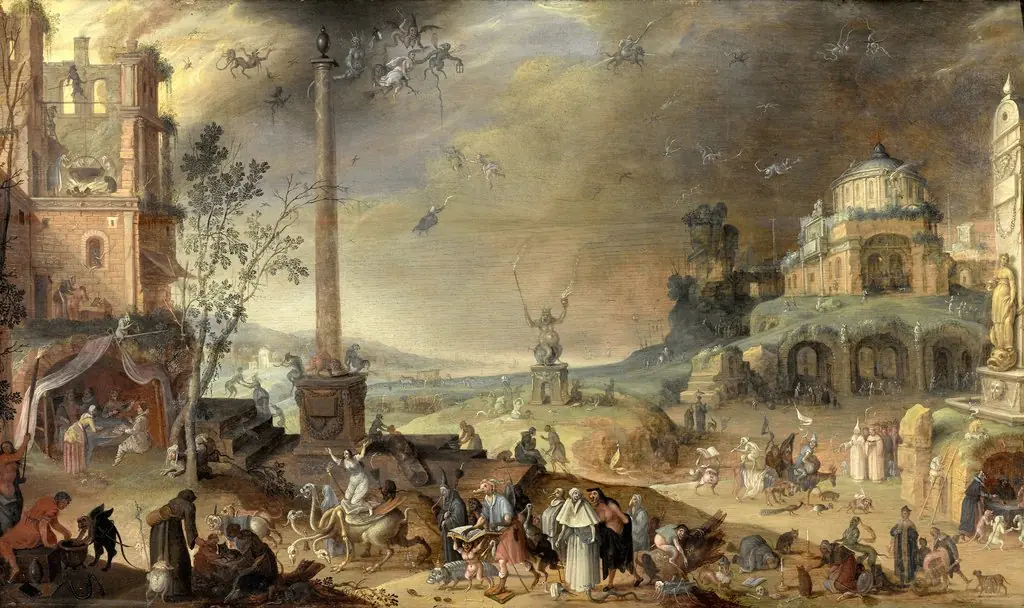
Witches' Sabbath is an unspecified painting by the Dutch Golden Age artist Claes Jacobsz van der Heck. It dates from 1636 and is held in the collection of the Rijksmuseum. Created in 1636, this oil painting depicts a nocturnal, imaginary landscape titled “Witches’ Sabbath.
About this work
The artist packed every inch with strange creatures—some look almost funny now, but they were meant to scare viewers back then.
You see a wild night scene: crumbling towers, flying devils, witches stirring a giant pot, and a fat demon sitting on a globe.
This painting was made in 1636, when people still feared witches. The artist packed every inch with strange creatures—some look almost funny now, but they were meant to scare viewers back then. No one knows who painted it, so the mystery adds to the spooky feel.
To see more eerie scenes like this, visit the Rijksmuseum.
Overview
Created in 1636, this oil painting depicts a nocturnal, imaginary landscape titled “Witches’ Sabbath.” The composition is densely populated with ruined classical architecture, a central obelisk, and a fountain, all set against a sky traversed by flying devils and witches. The scene combines human figures gathered around a table with grotesque creatures engaged in various macabre activities.
Subject & Meaning
The work visualises a folkloric gathering of witches and demons, a popular motif reflecting contemporary anxieties about witchcraft. Central to the tableau is a corpulent devil perched atop a globe, while beneath an open structure a group of people sit at a table, juxtaposing ordinary social interaction with supernatural menace. Above them, monstrous beings stir a massive cauldron, reinforcing the theme of occult ritual.
Technique & Style
The artist employs a crowded, narrative style typical of 17th‑century Dutch fantasy painting, filling the canvas with intricate detail. Architectural elements—antique ruins, an obelisk, and a fountain—are rendered with precise linear perspective, while the figures and creatures are painted with a looser, more expressive brushwork that heightens their otherworldly character.
History & Provenance
The painting’s creator remains unidentified, a fact that has contributed to its enigmatic reputation. Produced during a period when witch trials and superstitions were still prevalent in Europe, the work likely served both as a cautionary illustration and as a sensational spectacle for viewers of the time.
Context
In the early 1600s, depictions of witch gatherings were common in Northern European art, reflecting societal fears and moral concerns. This piece aligns with that tradition, yet its elaborate setting and abundance of fantastical creatures set it apart as a particularly elaborate visualisation of the feared “sabbath.”
Artist & collection
Artist
Claes Jacobsz van der Heck (Nicolaes Jacobsz van der Heck) (c. 1575 in Alkmaar – 1652 in Alkmaar) was a Dutch Golden Age painter.

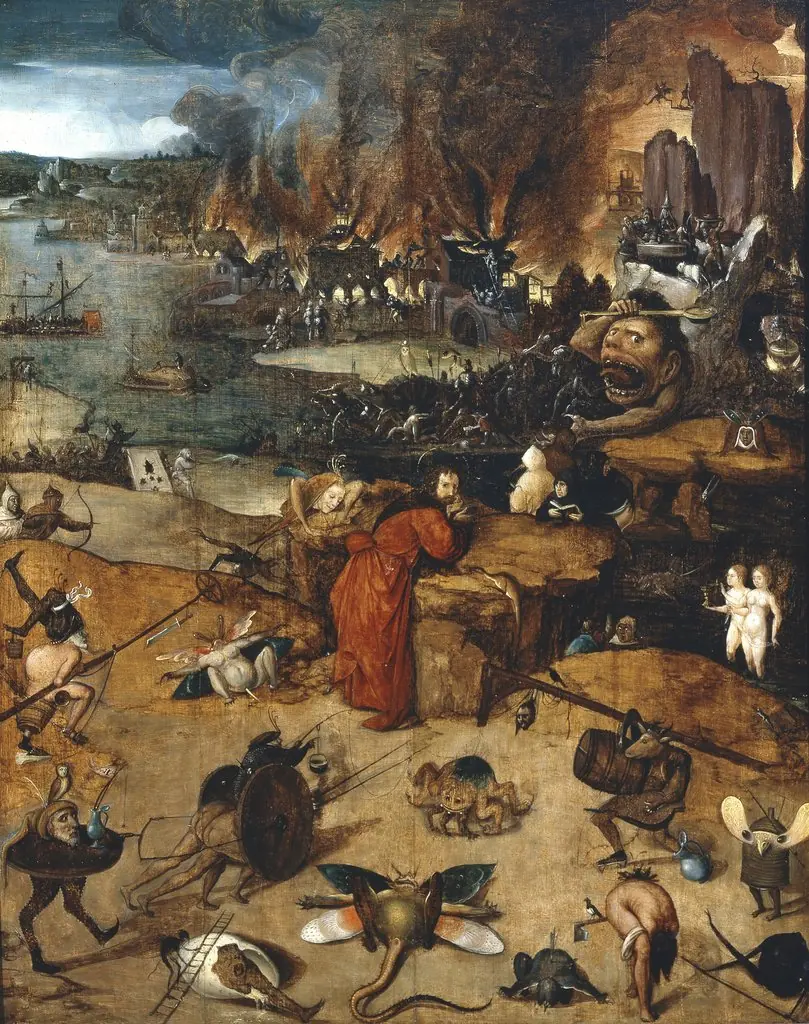 Temptation of St. Athony
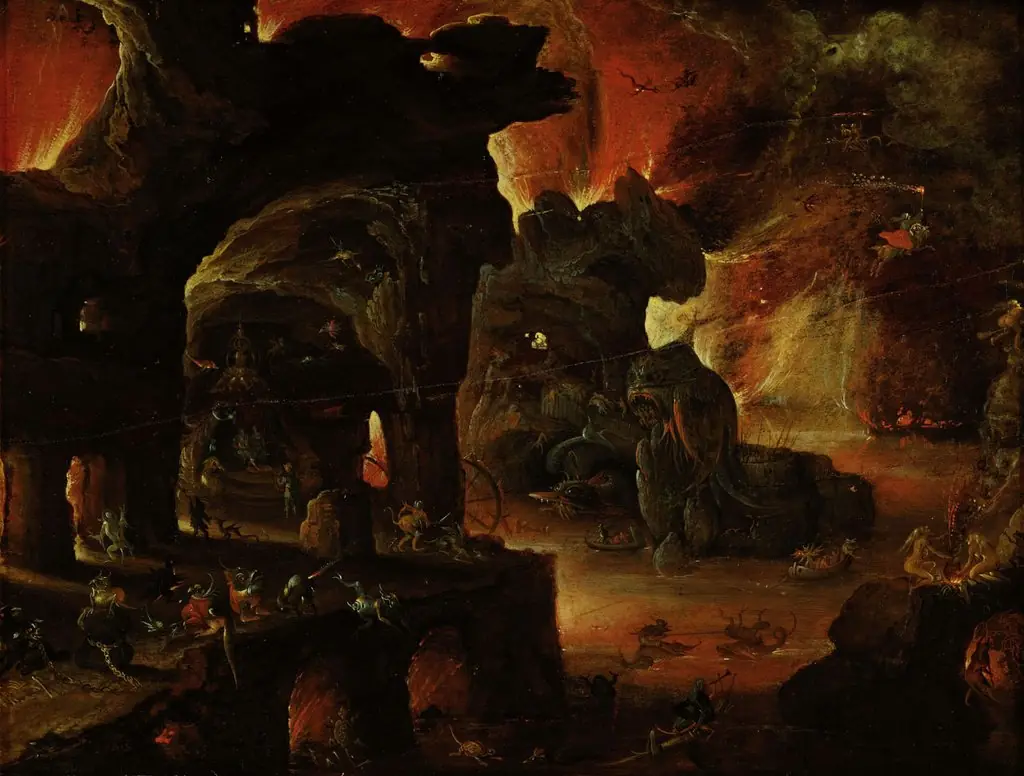 Orpheus in the Underworld
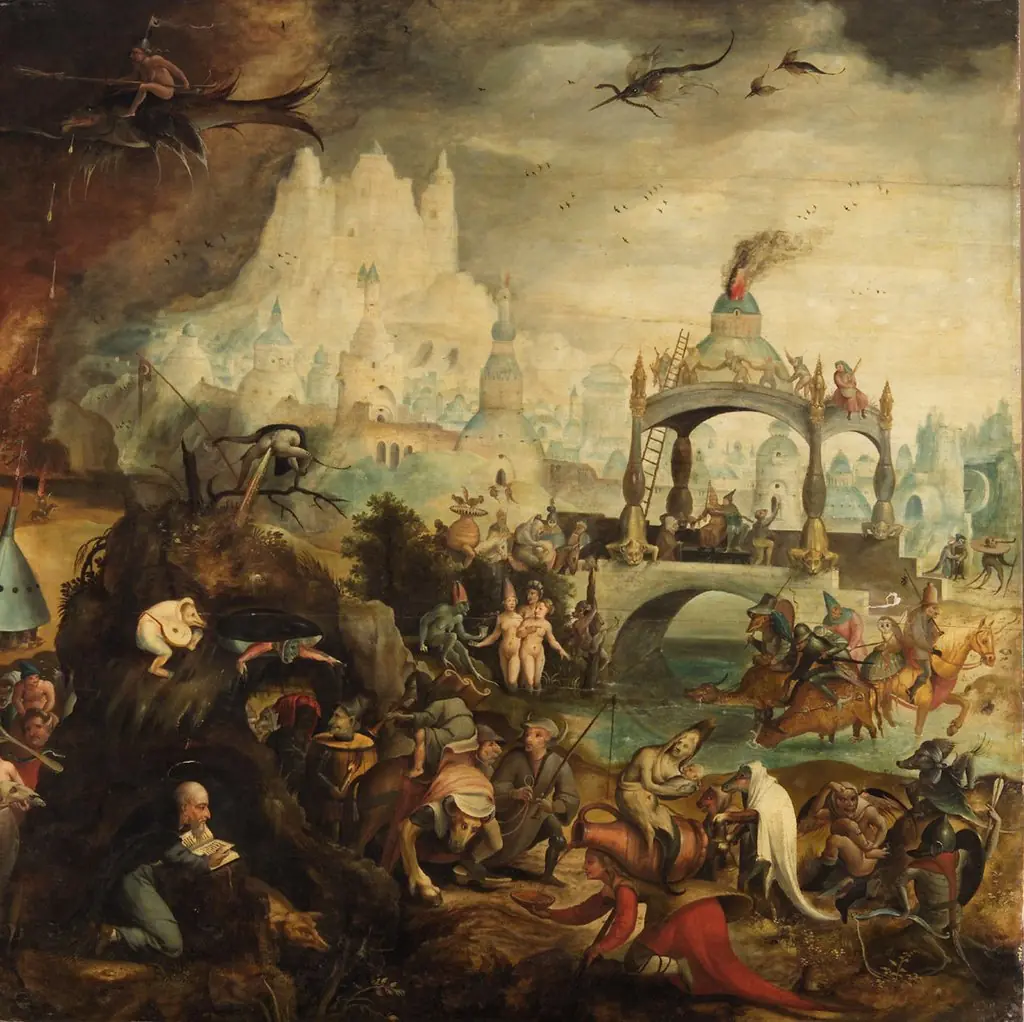 Versuchung des Hl. Antonius
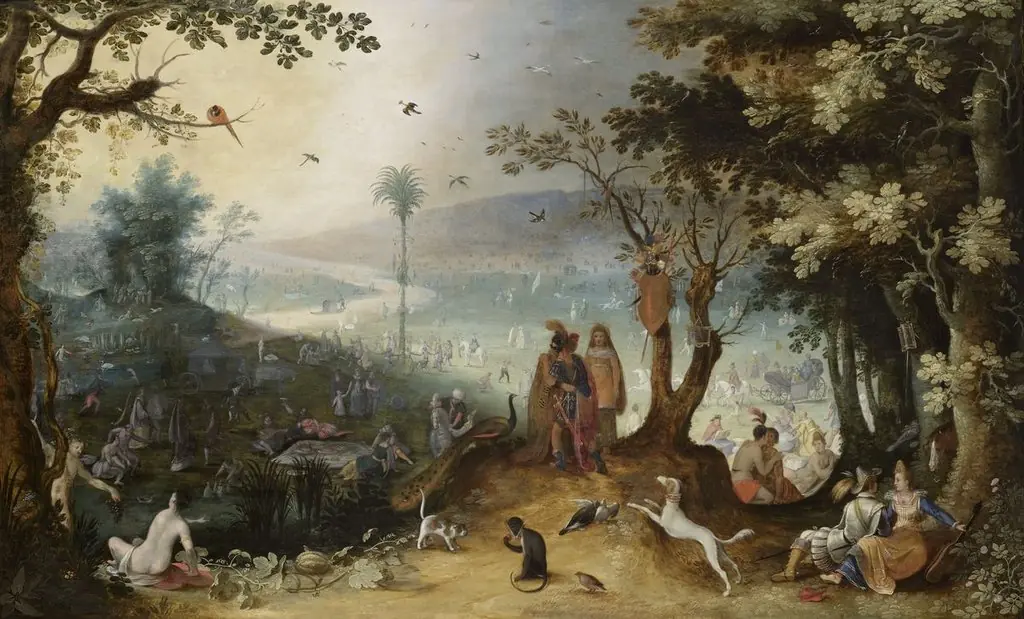 Aeneas meeting with his father in the Elysium
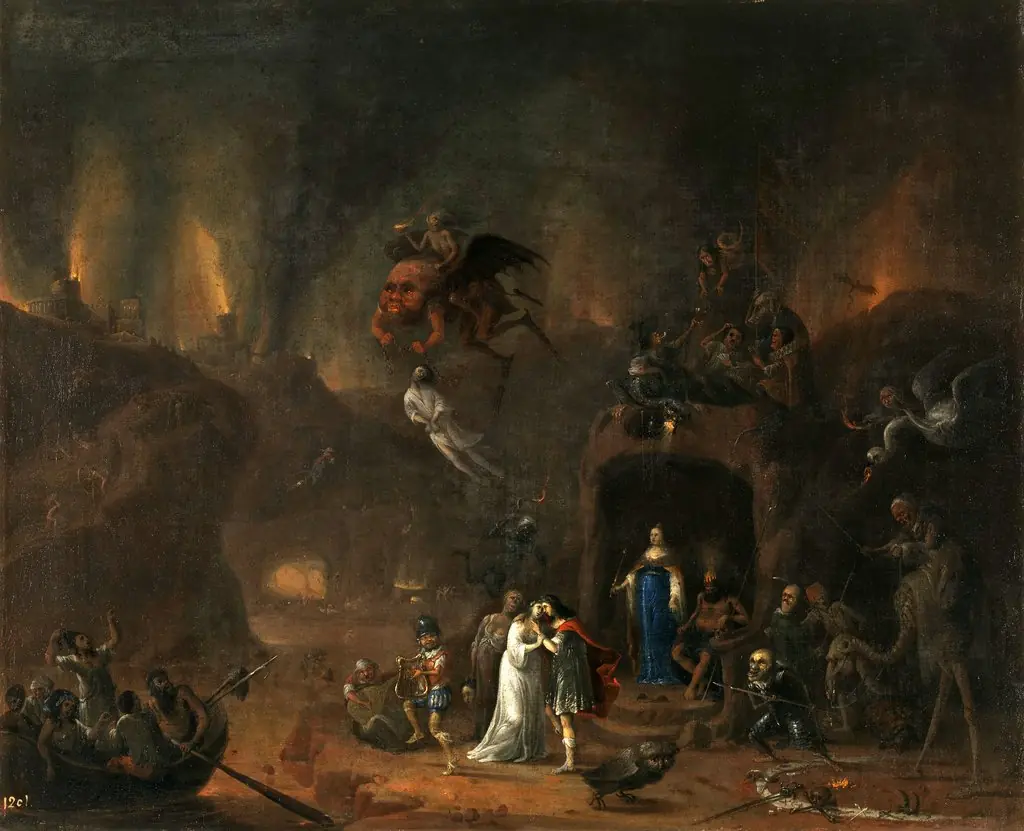 Orpheus and Eurydice in the Underworld
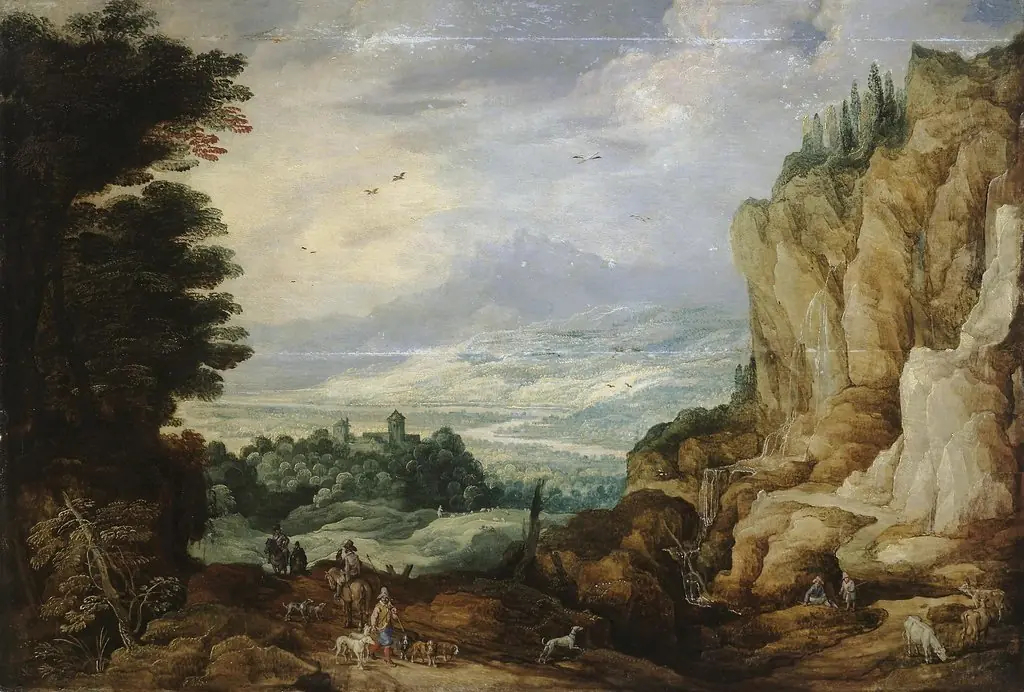 Rock Landscape with a Waterfall
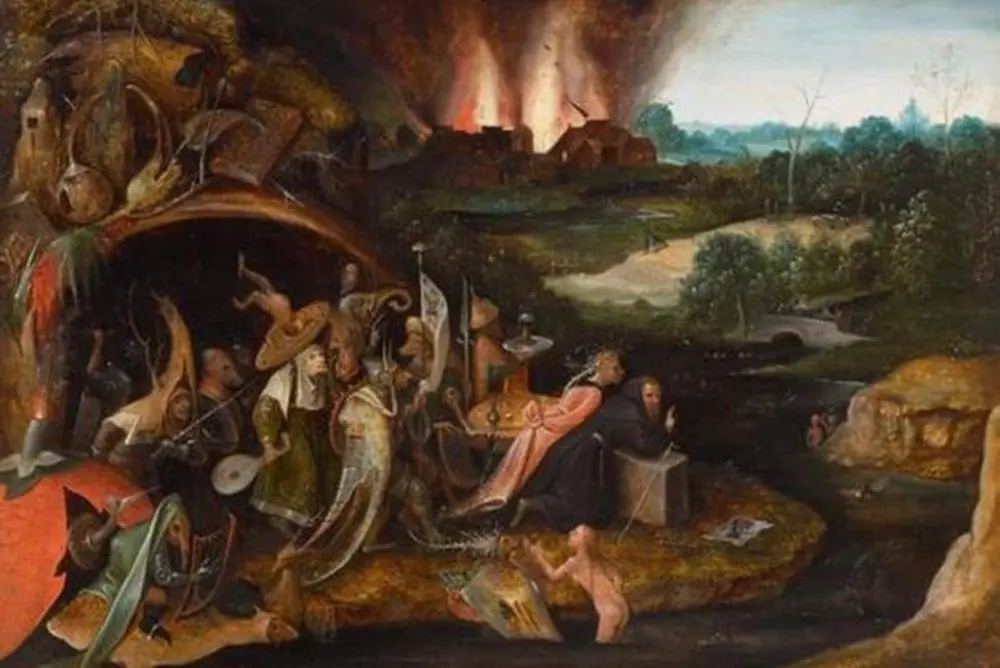 The temptation of St. Antony
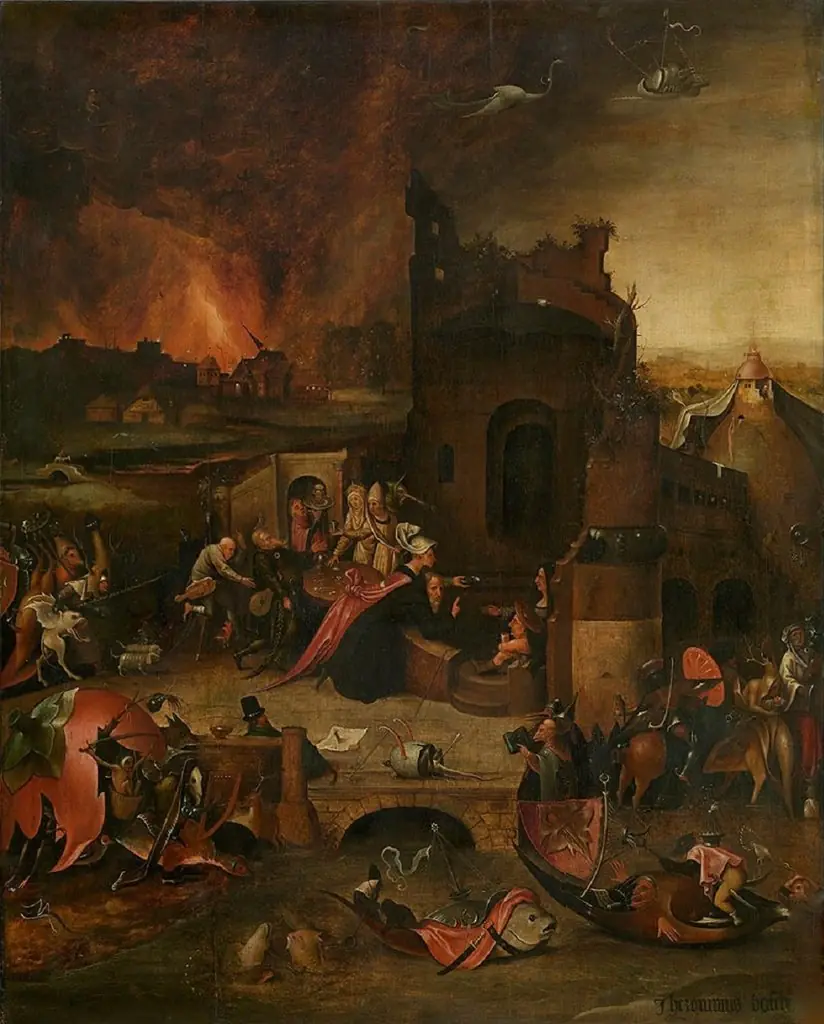 The Temptation of Antony Abbot of Egypt
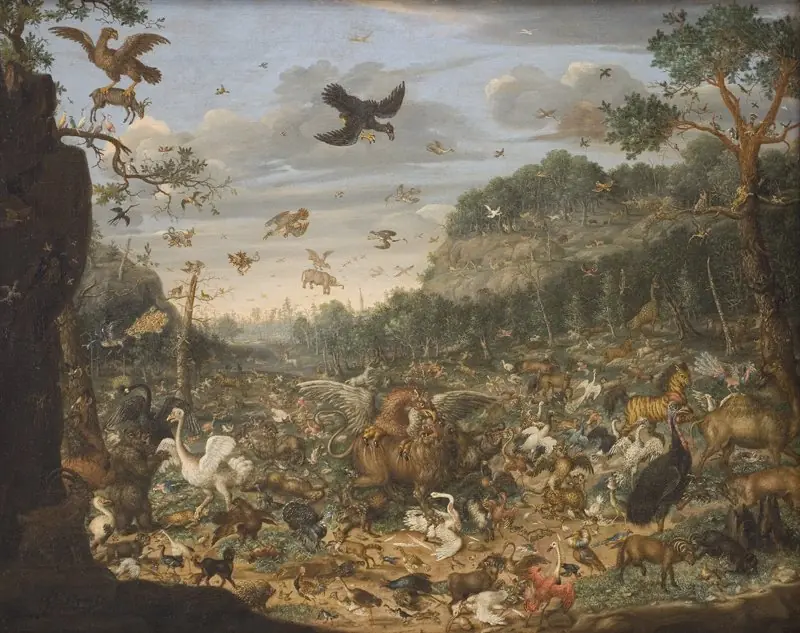 The Earth after the Fall of Man
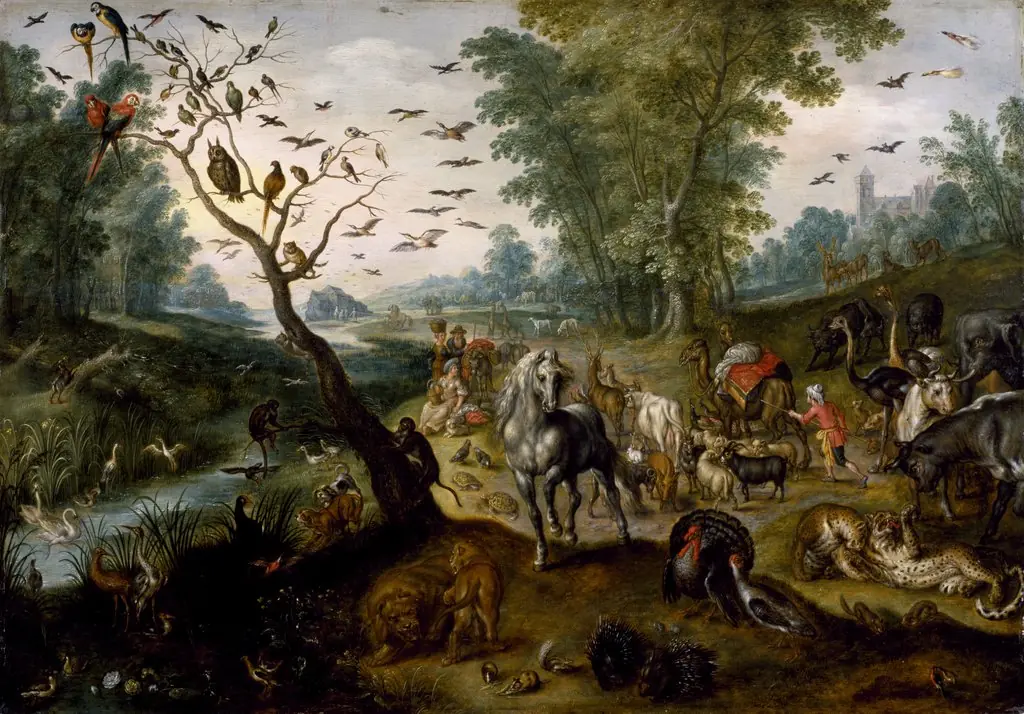 Noah's Family Assembling Animals before the Ark