Artwork
Versuchung des Hl. Antonius
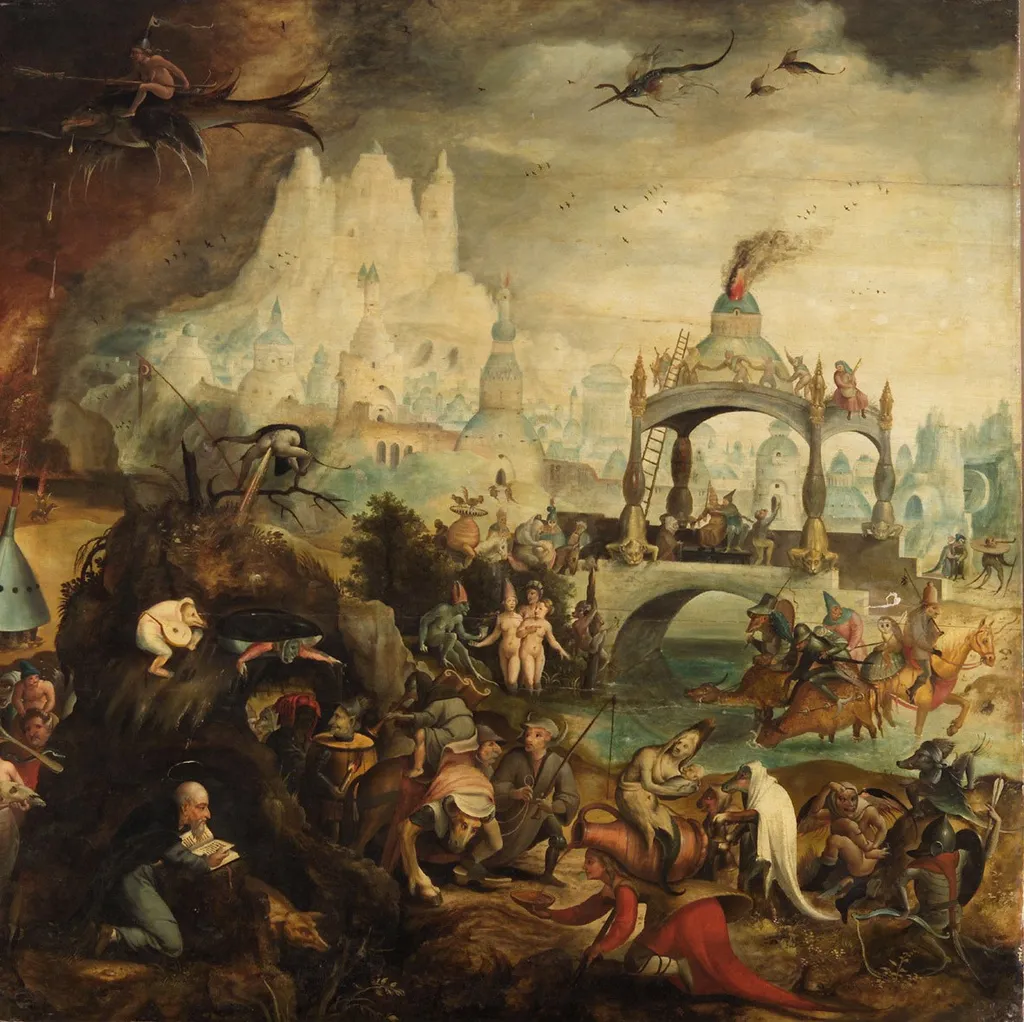
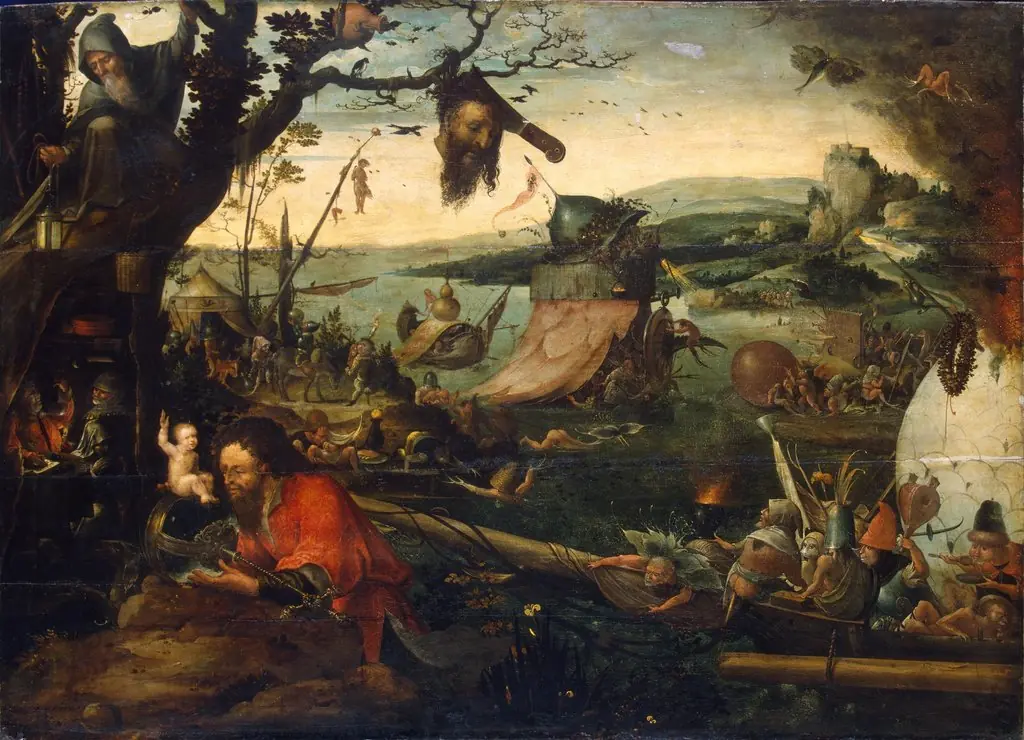
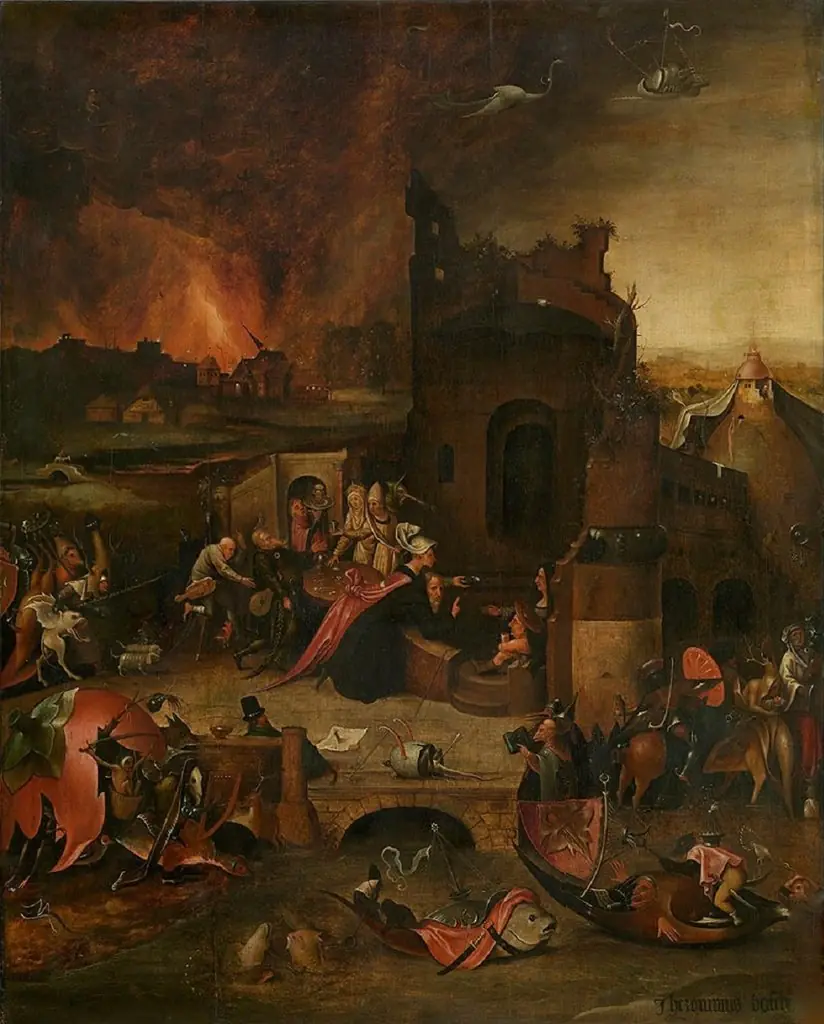
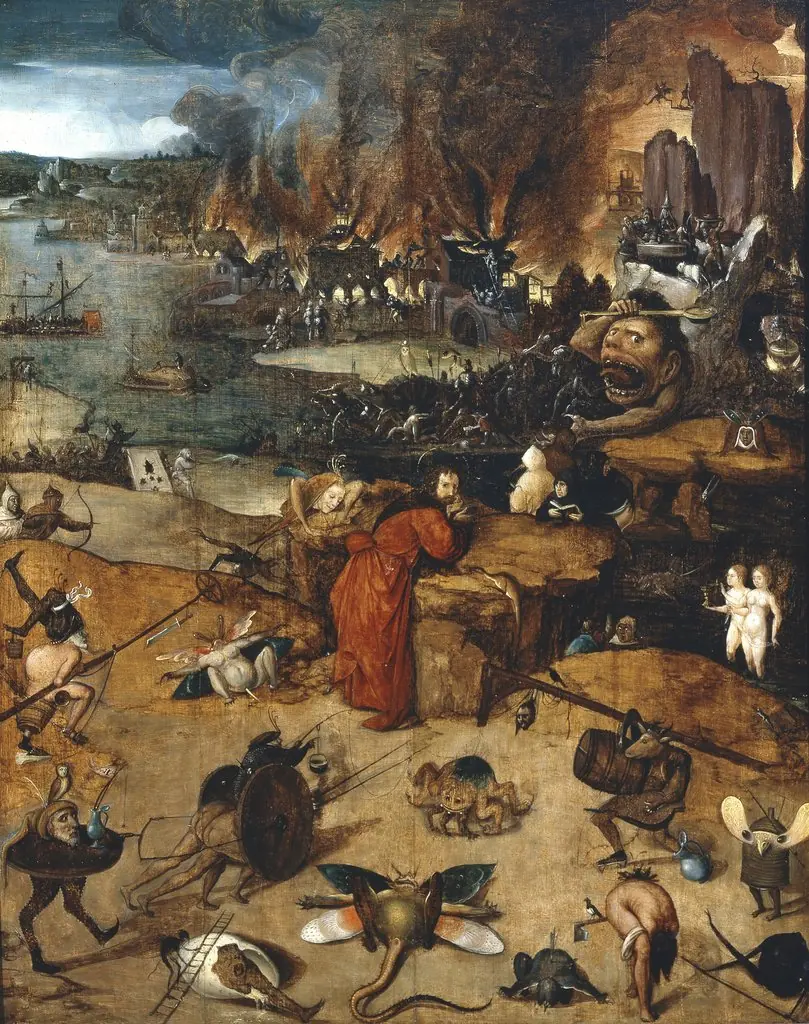
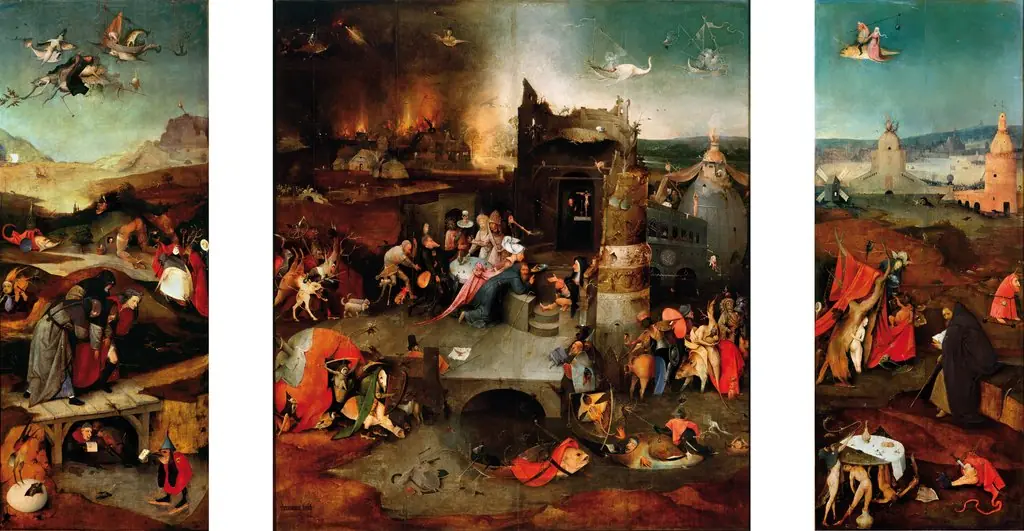
Versuchung des Hl. Antonius is an oil painting by the Northern Renaissance artist Jan Mandijn. It dates from 1550 and is held in the collection of the Kunsthistorisches Museum.
About this work
Overview
The painting resides in the Kunsthistorisches Museum, Vienna, as part of its collection of early modern European religious art.
Painted around 1550 by Jan Mandijn, a Flemish artist active in Antwerp after 1530, this oil-on-panel work illustrates the spiritual trials of Saint Anthony the Great. Mandijn’s style aligns with the Northern Renaissance tradition, drawing thematic and visual inspiration from Hieronymus Bosch. The painting resides in the Kunsthistorisches Museum, Vienna, as part of its collection of early modern European religious art.
Subject & Meaning
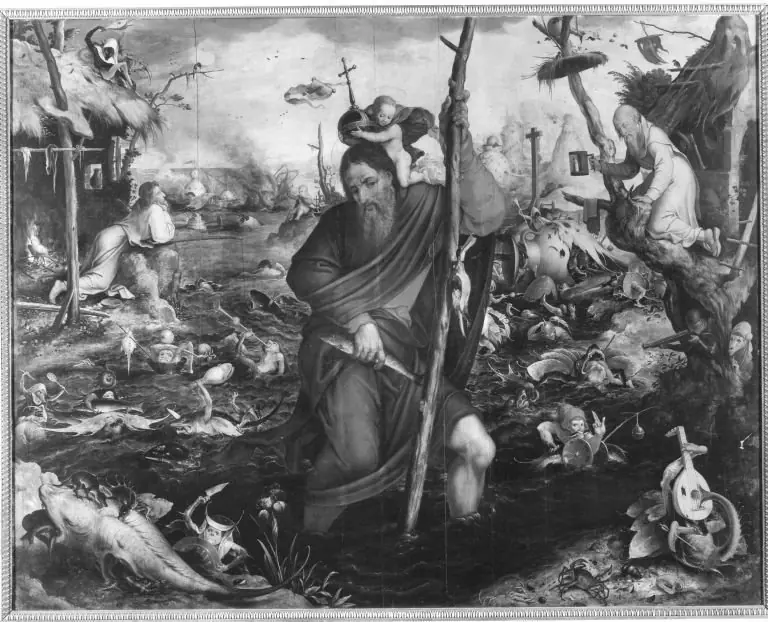
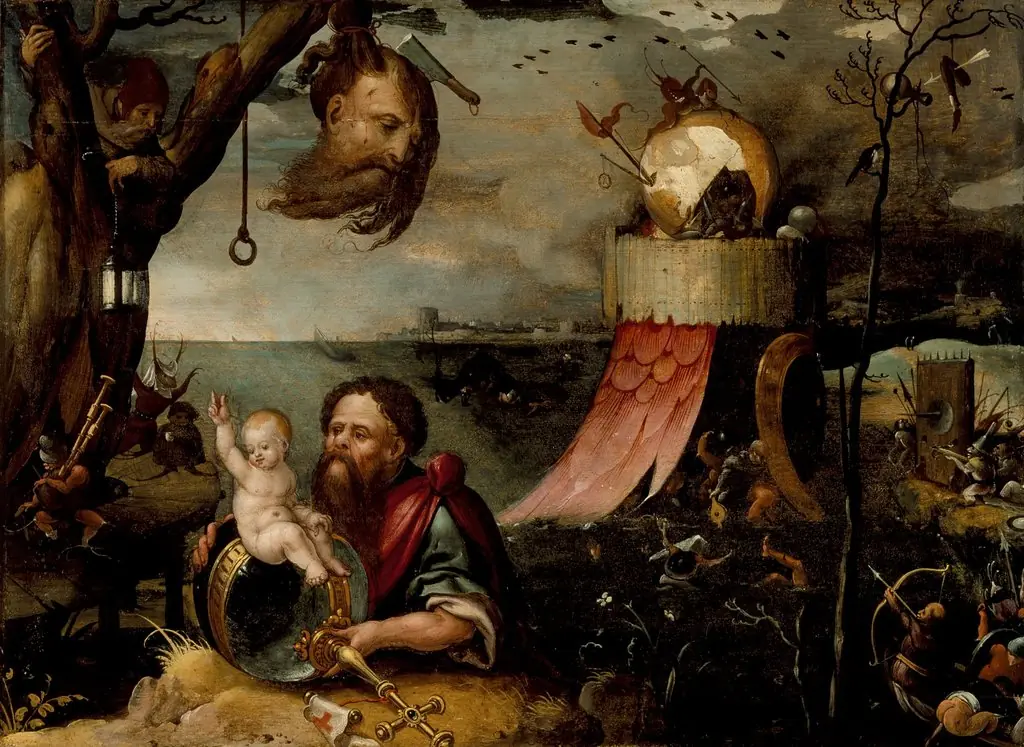
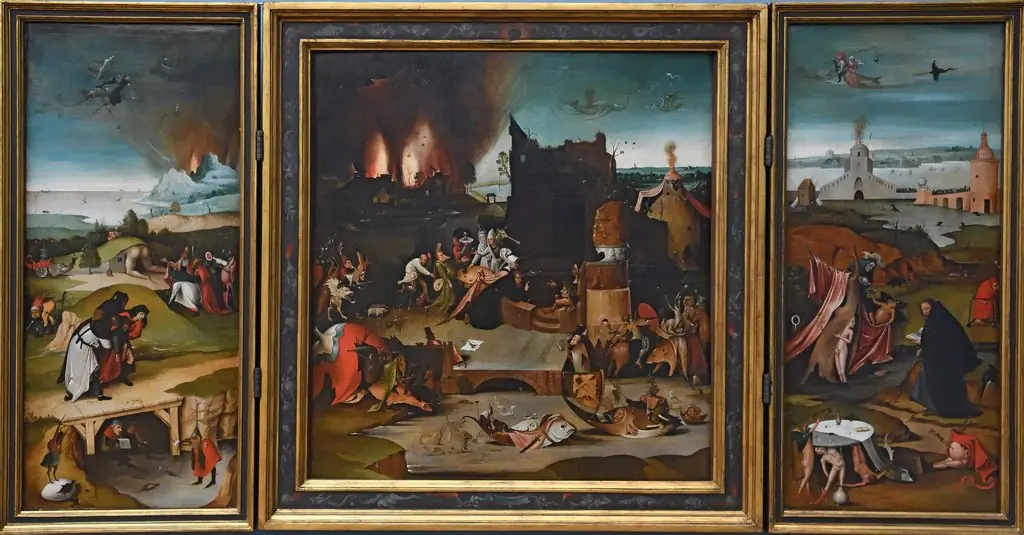
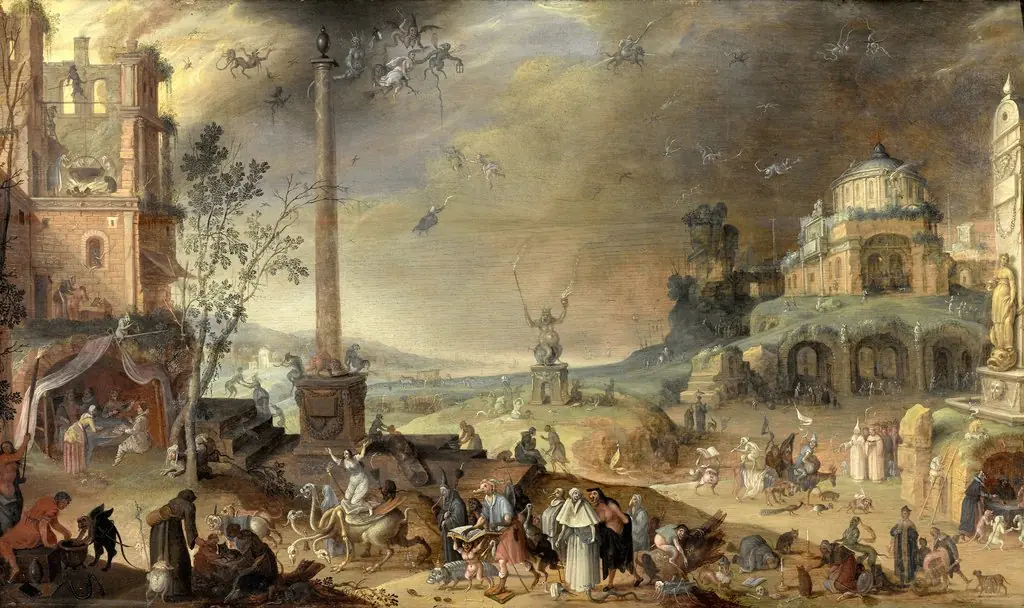
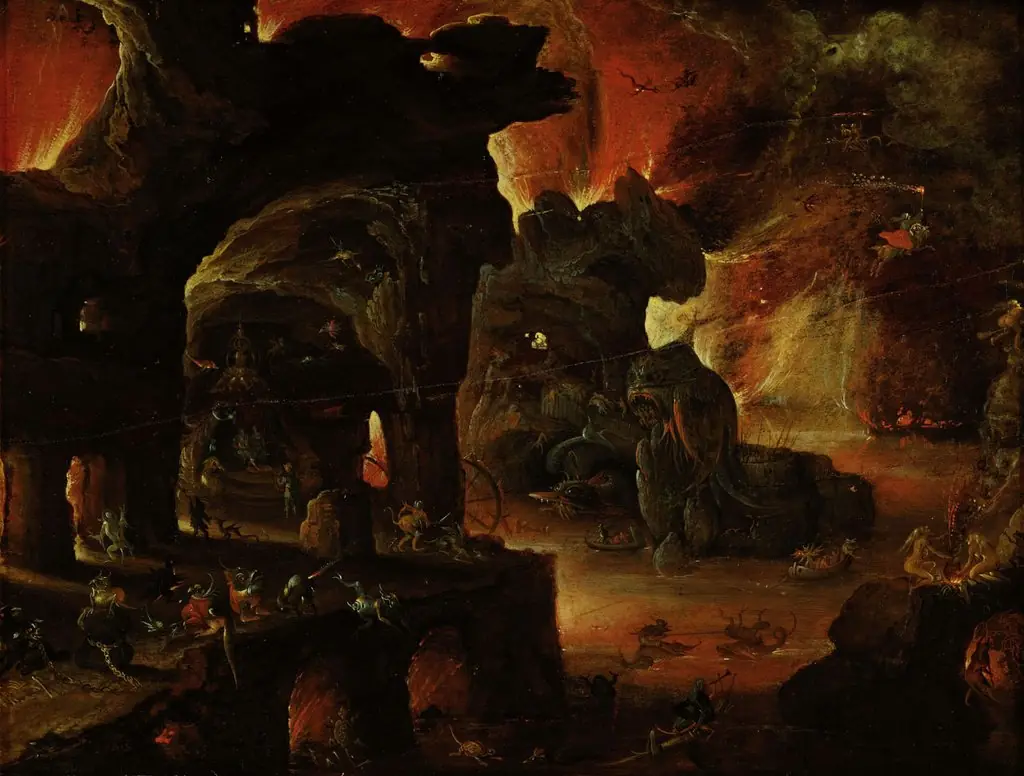
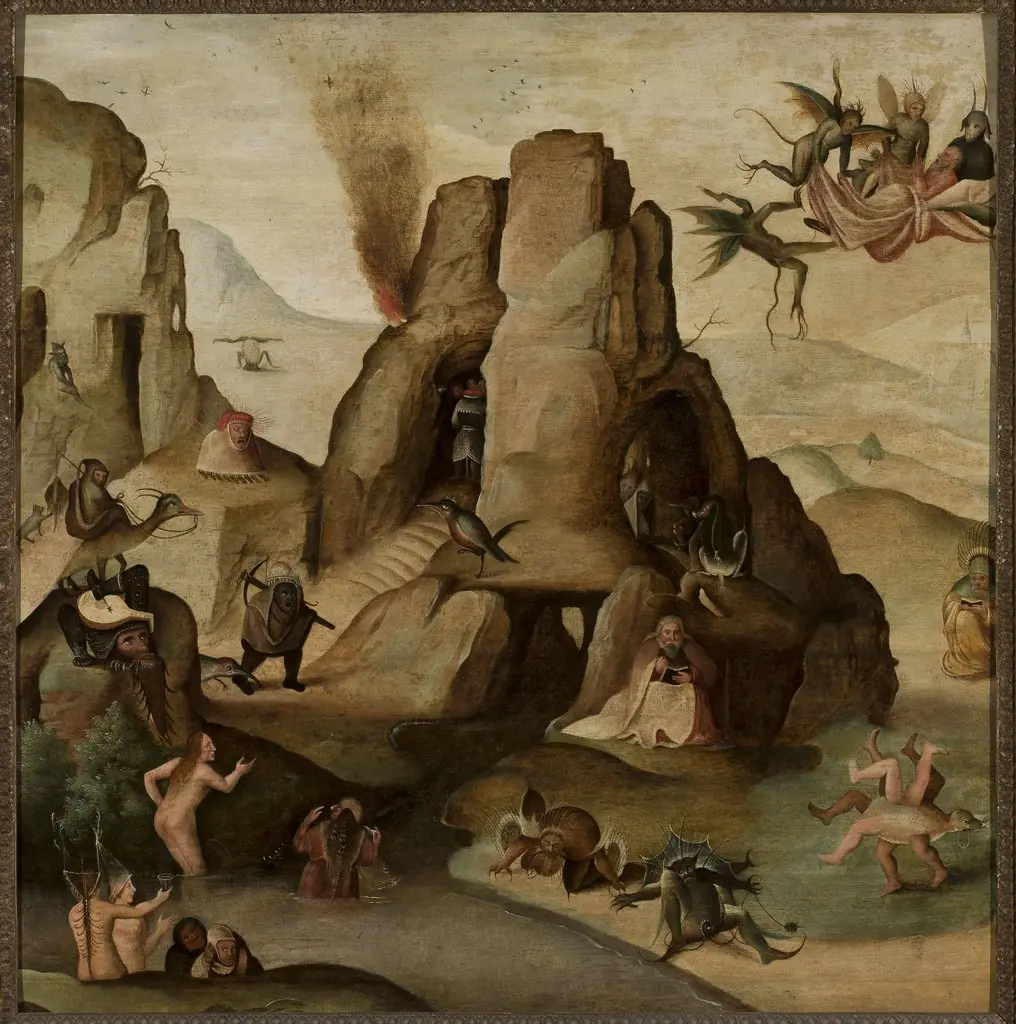
The scene portrays Saint Anthony’s legendary encounter with demonic temptations, a common motif in Christian devotional art. Figures writhing in torment, hybrid creatures, and surreal architecture symbolize moral corruption and spiritual vulnerability. Though Anthony himself is not prominently featured, his presence is implied through the chaos surrounding him, emphasizing inner struggle over physical action.
Technique & Style
Mandijn employs fine brushwork to render intricate textures in fabric, skin, and fantastical anatomy. The palette features saturated reds, greens, and golds against muted earth tones, heightening the otherworldly atmosphere. Compositionally, the painting layers foreground figures with a distant, towering cityscape, creating depth while reinforcing the theme of earthly chaos versus divine order.
History & Provenance
The painting entered the Kunsthistorisches Museum’s collection in the 19th century, likely through imperial Habsburg acquisitions. Its attribution to Mandijn is supported by stylistic comparisons with his other known works, such as those in the Louvre and the Prado. No significant alterations or restorations are documented, preserving its original surface and detail.
Context
Created during the Reformation, the painting reflects enduring Catholic interest in monastic spirituality amid rising Protestant critiques of saint veneration. Mandijn’s Bosch-inspired imagery catered to audiences familiar with moral allegory and supernatural symbolism, offering a visual meditation on faith under siege in an era of religious upheaval.
Legacy
Though Mandijn is less widely known than his contemporaries, this work exemplifies the persistence of Boschian fantasy in mid-16th-century Flemish painting. It contributes to the understanding of how religious narratives were visually sustained in Catholic regions despite theological shifts, serving as a bridge between late medieval iconography and early modern expression.
Artist & collection
Artist
Jan Mandijn or Jan Mandyn (c. 1500, Haarlem – c. 1560, Antwerp) was a Renaissance painter of the Low Countries, who worked in Antwerp after 1530. He is known for his works with subject matter and style reminiscent of Hieronymus Bosch.