Artwork
Julia Hall McCune
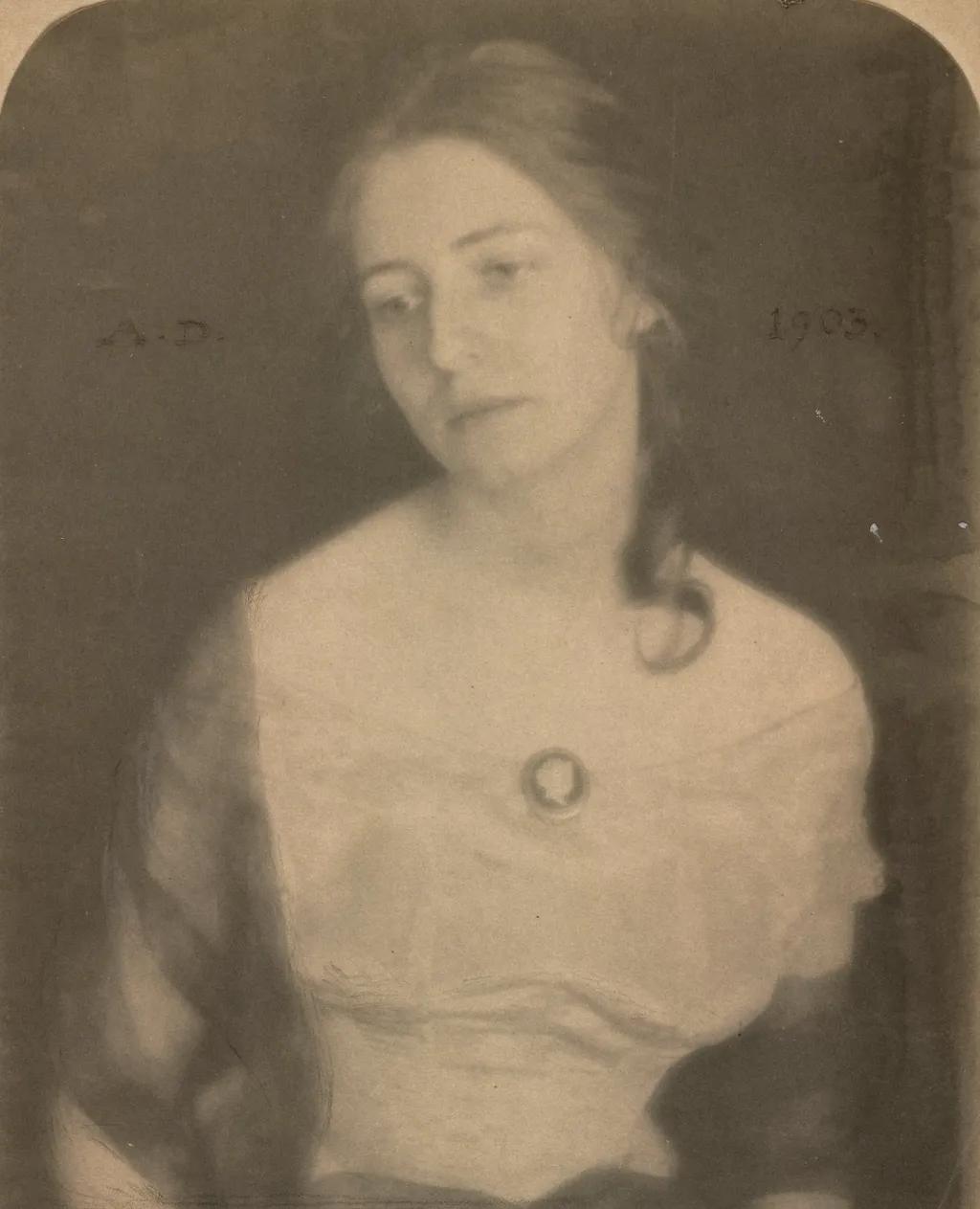
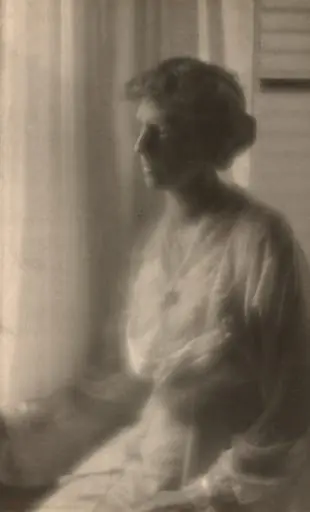
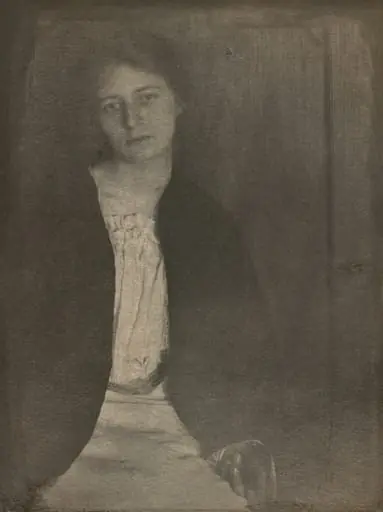
Julia Hall McCune is a photography by Clarence H. White. It dates from 1903 and is held in the collection of the Cleveland Museum of Art. This 1903 photograph by Clarence H.
About this work
She’s wearing a simple, light-colored dress with a round collar and a single button visible near her chest.
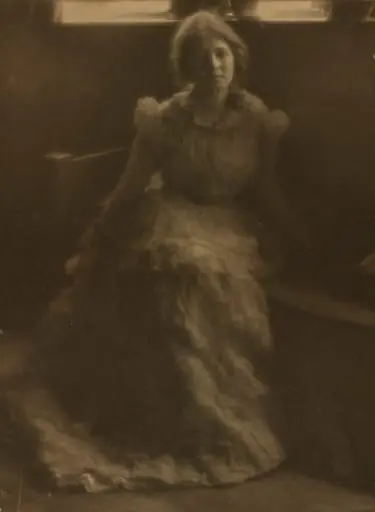
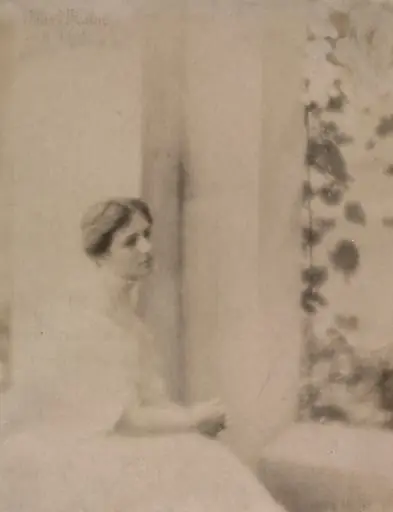
This painting shows a woman with soft, pale skin tones and a neutral expression. She’s wearing a simple, light-colored dress with a round collar and a single button visible near her chest. Her hair is pulled back, and the background is plain and dark, keeping all focus on her face.
The brushstrokes are smooth, blending her features into a gentle glow. The date "1903" is written in the corner, and the artist’s initials appear faintly on the left side.
Next, look up chiaroscuro to see how light and shadow create depth in portraits.
Overview
This 1903 photograph by Clarence H. White depicts Julia Hall McCune, a subject rendered with understated elegance. The composition centers on the sitter’s face, isolated against a dark, unadorned background that directs attention to her features. Executed in platinum print, the image achieves a luminous tonal range, characteristic of Pictorialist photography of the period.
Subject & Meaning
The portrait presents Julia Hall McCune with a reserved demeanor, her expression neutral yet subtly introspective. Dressed in a modest, light-colored garment with a high collar, she embodies the quiet dignity favored in early 20th-century portraiture. The absence of ornamentation or contextual detail suggests an emphasis on inner character rather than social status.
Technique & Style
White employed the platinum printing process, known for its rich, matte surface and extended tonal scale. The photograph’s chiaroscuro effect—soft transitions between light and shadow—creates a three-dimensional presence, evoking the delicate modeling of painted portraits. The smooth gradations and absence of harsh lines align with the Pictorialist movement’s rejection of mechanical precision in favor of artistic interpretation.
History & Provenance
Created in 1903, the photograph entered the collection of The Cleveland Museum of Art, where it remains part of its holdings in American photography. The work reflects White’s engagement with the Photo-Secession movement, which sought to elevate photography as a fine art through techniques that paralleled painting and drawing.
Context
The portrait emerges from the Pictorialist era, a period in which photographers sought to distinguish their medium from commercial or documentary practices. White, a founding member of the Photo-Secession, often collaborated with figures from the arts and letters, positioning his work within a broader cultural dialogue about beauty and representation.
Legacy
The photograph exemplifies Clarence H. White’s contribution to early modern photography, particularly his ability to merge technical refinement with emotional restraint. Its inclusion in institutional collections underscores its role in the canon of American Pictorialism, influencing subsequent generations of photographers who valued atmosphere and mood over explicit narrative.
Artist & collection

Artist
Clarence Hudson White was an American photographer, teacher and a founding member of the Photo-Secession movement.