Artwork
Julia Hall McCune
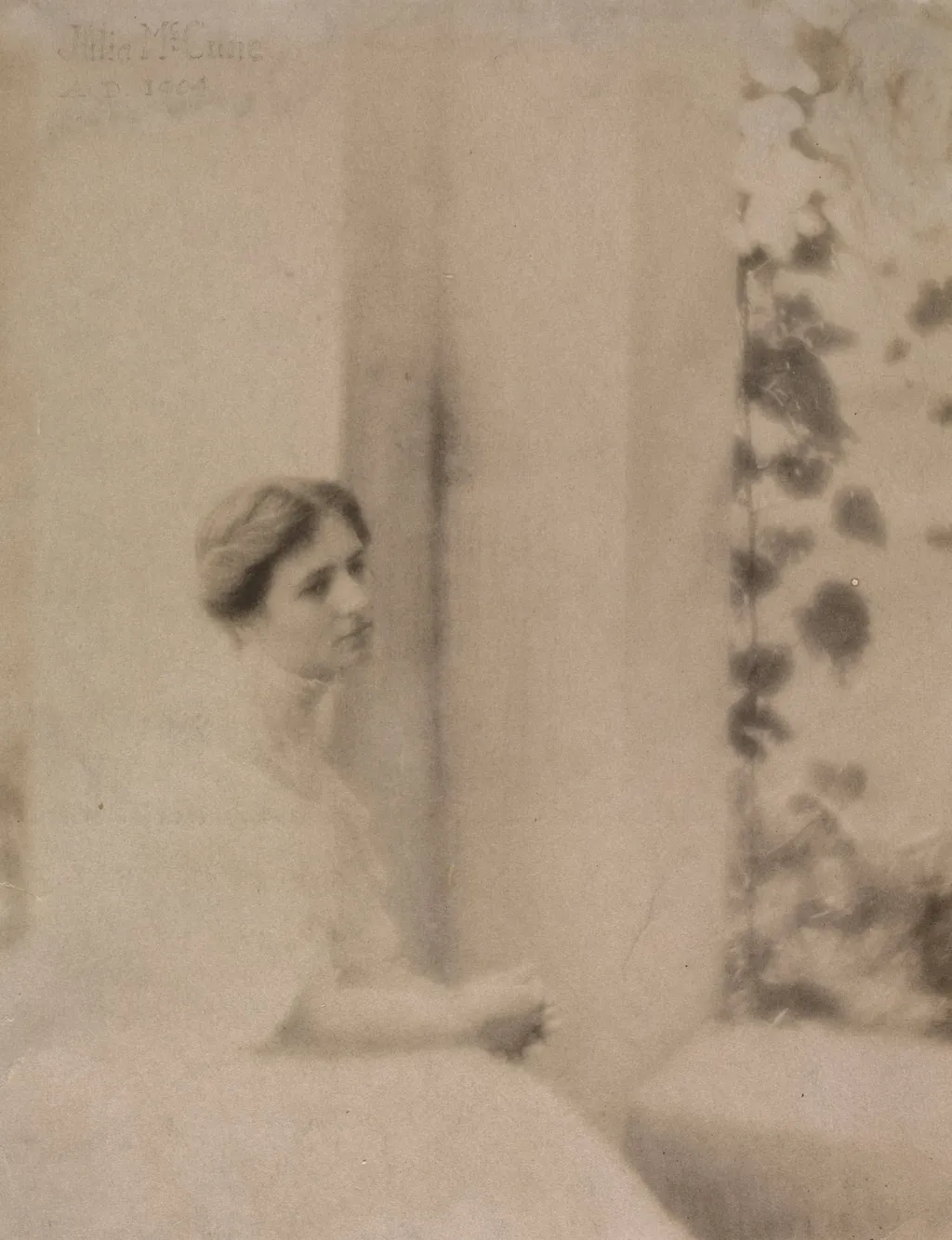
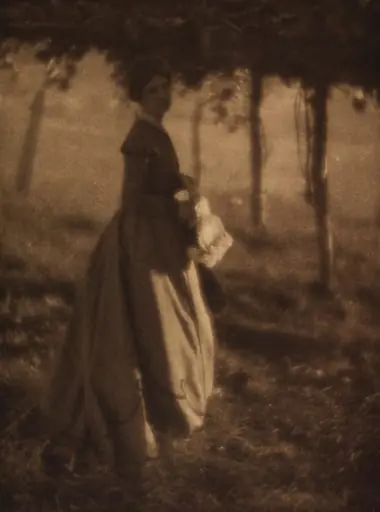
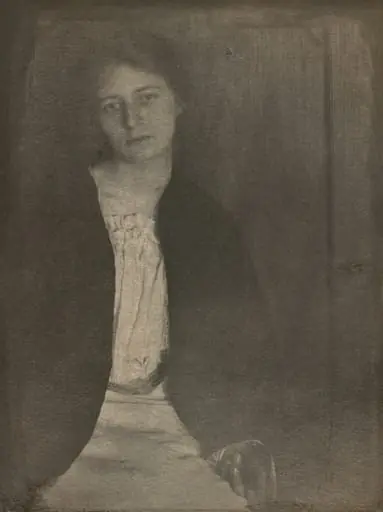
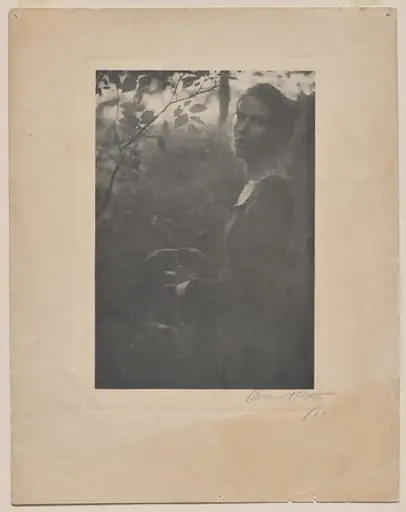
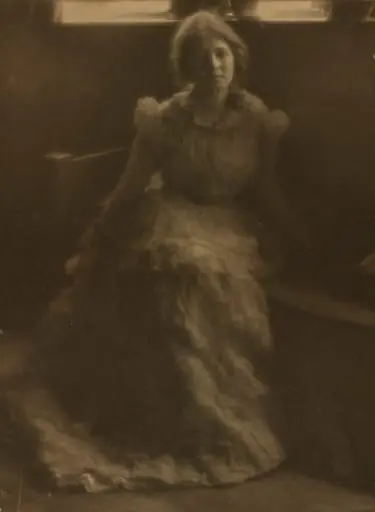
Julia Hall McCune is a photography by Clarence H. White. It dates from 1904 and is held in the collection of the Cleveland Museum of Art. Created in 1904 by Clarence H.
About this work
The background is mostly blank paper, with faint lines on the right side that look like a curtain or fabric.
This sketch shows a woman’s face and upper body turned slightly away. Her hair is pulled back, and she wears a plain, high-necked dress. The background is mostly blank paper, with faint lines on the right side that look like a curtain or fabric.
The artist used soft, smudged lines to suggest light and shadow, giving the face a gentle, blurred look. The signature in the corner reads “Clarence H. White 1904.”
Next, check out Clarence H. White (American, 1871–1925) for more of his work.
Overview
Created in 1904 by Clarence H. White, this photograph depicts Julia Hall McCune, a subject chosen for her quiet presence. The image is rendered in soft-focus pencil on paper, blending photographic sensitivity with drawing techniques. It resides in the collection of The Cleveland Museum of Art, where it exemplifies White’s early exploration of pictorialism—a movement that elevated photography to the status of fine art through deliberate aesthetic choices.
Subject & Meaning
Julia Hall McCune is portrayed in a modest, introspective pose, her face turned slightly away from the viewer. Her high-necked dress and neatly gathered hair suggest restraint and dignity. The absence of elaborate detail or context invites contemplation rather than narrative, emphasizing inner stillness. White’s choice to focus on subtle expression over circumstance reflects a broader interest in emotional resonance over literal representation.
Technique & Style
White employed pencil on paper to achieve a tonal softness reminiscent of early photographic processes. Light and shadow are suggested through delicate smudging, creating a hazy, atmospheric effect around the figure. The background remains largely untouched, with faint, ambiguous lines hinting at fabric drapery without defining it. This method merges drawing and photography, rejecting sharp detail in favor of mood and texture.
History & Provenance
The work was produced during White’s formative years as a pictorialist, before his later institutional roles. It entered The Cleveland Museum of Art’s collection through documented acquisition, likely from the artist’s estate or early exhibitions. Its preservation reflects its significance as an example of White’s hand-crafted photographic drawings, a practice he pursued alongside his more widely known camera-based work.
Context
In early 20th-century America, photographers like White sought to distinguish their work from mechanical reproduction by emphasizing artistic intent. This piece aligns with the pictorialist movement, which drew inspiration from painting and printmaking. White’s use of pencil on photographic paper challenged rigid boundaries between media, positioning photography as a medium capable of poetic expression rather than mere documentation.
Legacy
Though less known than White’s later photographic prints, this drawing exemplifies his experimental approach to image-making. It influenced subsequent generations of artists who blurred the lines between photography and drawing. The work remains a quiet testament to his belief that photography could convey emotion through subtlety, not spectacle, contributing to the broader redefinition of photographic art in the modern era.
Artist & collection

Artist
Clarence Hudson White was an American photographer, teacher and a founding member of the Photo-Secession movement.

![Unpublished illustration [Julia Hall McCune] for Clara Morris, "Beneath the Wrinkle", by Clarence H. White](https://artifactworldgallery.com/img/clarence-h-white--unpublished-illustration-julia-hall-mccune-for-clara-morris--a86e790489bcf254-w320.webp)