Artwork
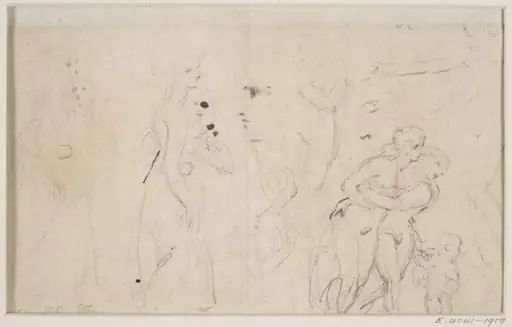
David and Goliath (verso)
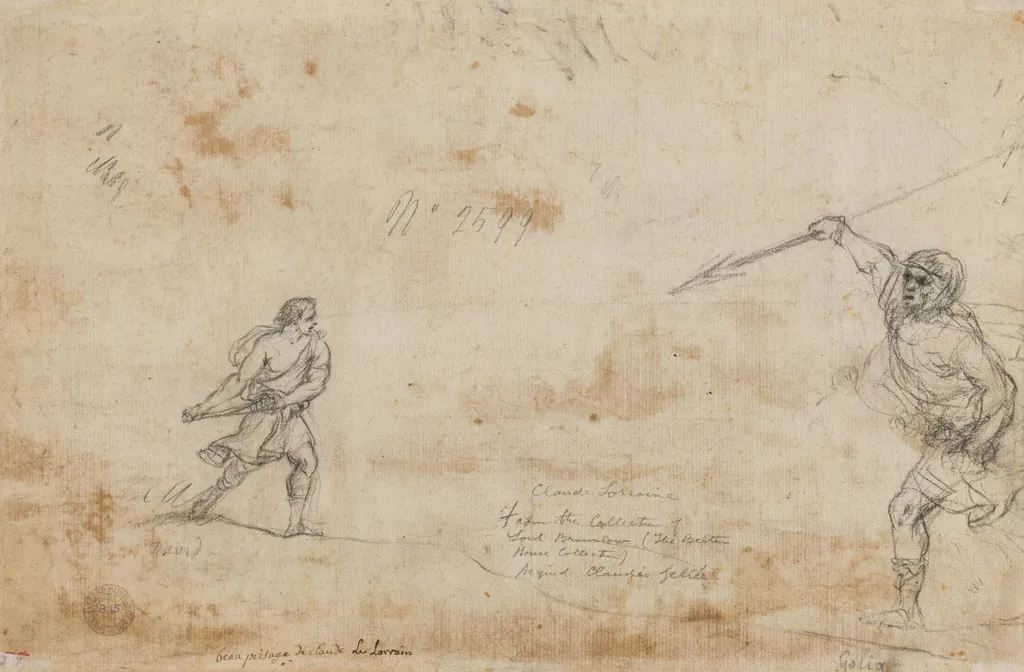
David and Goliath (verso) is a drawing by the Baroque artist Claude Lorrain. It dates from 1645 and is held in the collection of the Cleveland Museum of Art.
About this work
Overview
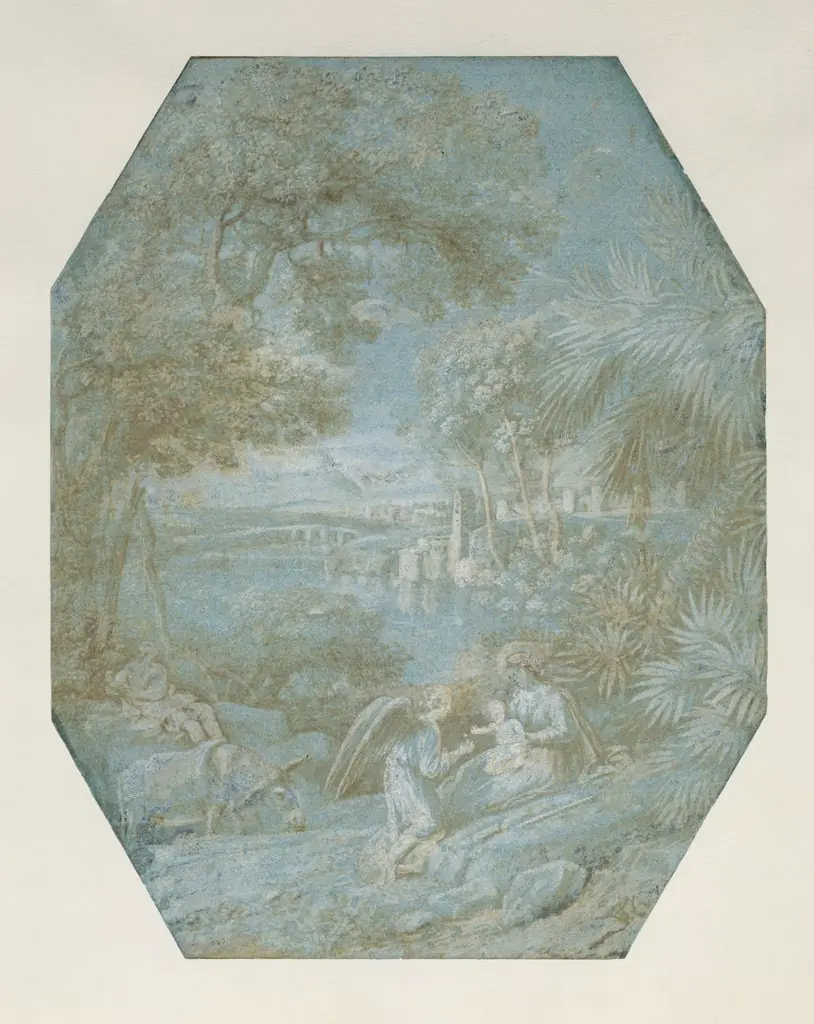
The drawing 'David and Goliath (verso)' by Claude Gellée, also known as Claude Lorrain, depicts a serene landscape with a spring, trees, and a stone arch. It is a carefully composed scene rather than a direct observation from nature.
Subject & Meaning
The scene is set at the Acqua Acetosa, a mineral spring near Rome, reimagined in an idyllic and timeless manner. The artist's rendering evokes a sense of an Arcadian world, suggesting a connection to mythological or pastoral themes.
Technique & Style
Executed in pen-and-ink and wash, the drawing showcases the artist's skillful use of chiaroscuro, with soft, golden light creating a peaceful atmosphere. The technique contributes to the dreamlike quality of the scene, highlighting the artist's sensitivity to light and its effects.
History & Provenance
Claude Lorrain, born in France, spent his career in Italy, primarily painting and drawing landscapes of the Roman Campagna and the Neapolitan coastline. His work is characterized by a poetic response to the natural world.
Artist & collection
Artist
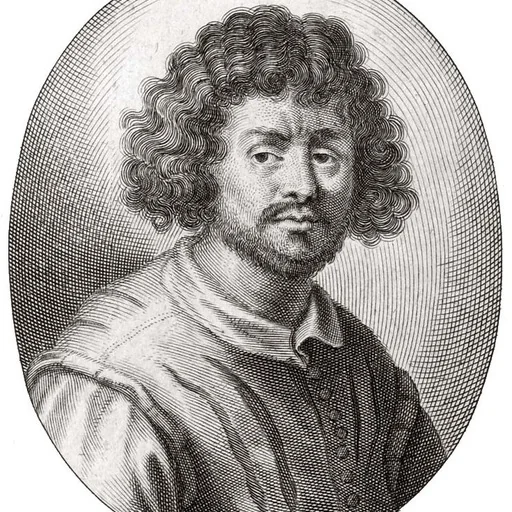
Claude Lorrain (French: ; born Claude Gellée , called le Lorrain in French; traditionally just Claude in English; c.

![Figure Studies [verso], by Giovanni Battista Cipriani](https://artifactworldgallery.com/img/giovanni-battista-cipriani--figure-studies-verso--9d89c1dfd297f554-w320.webp)