Artwork
Paysage avec danse de paysans
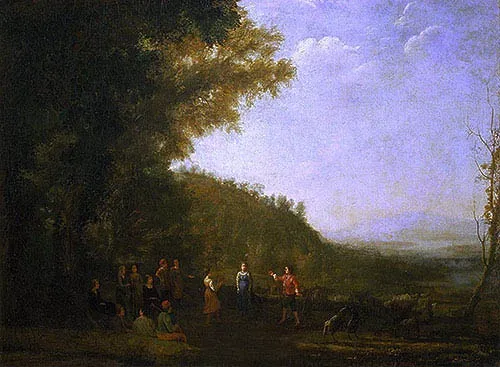
Paysage avec danse de paysans is an oil painting by the Barbizon school artist Claude Lorrain. It dates from 1637 and is held in the collection of the Uffizi Gallery.
About this work
Overview
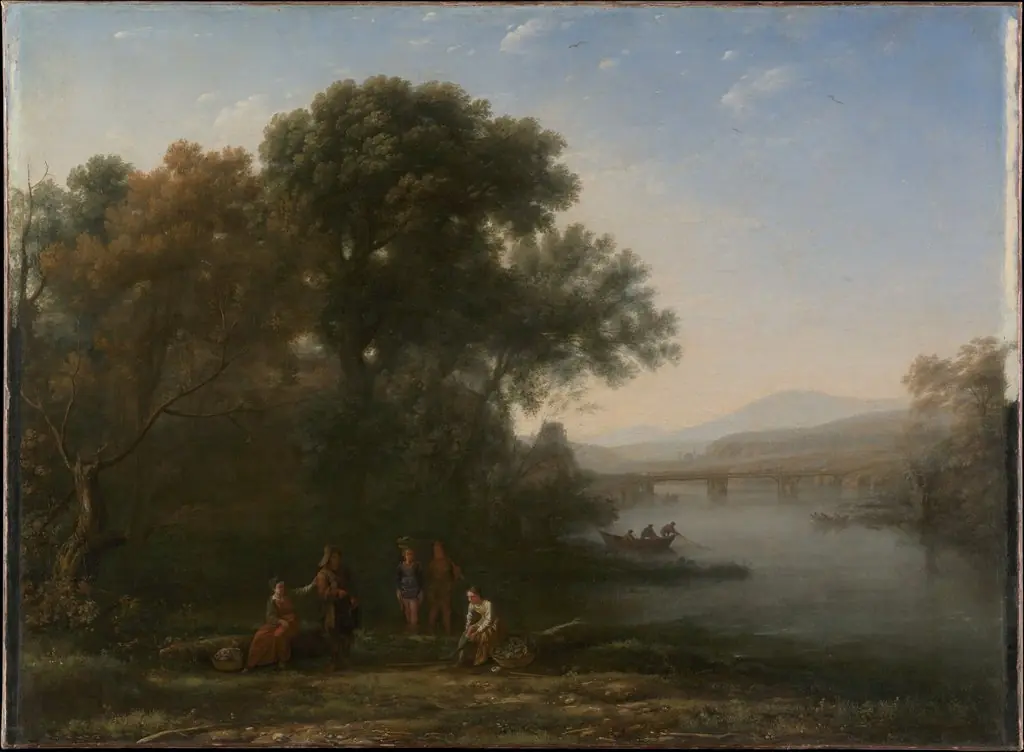
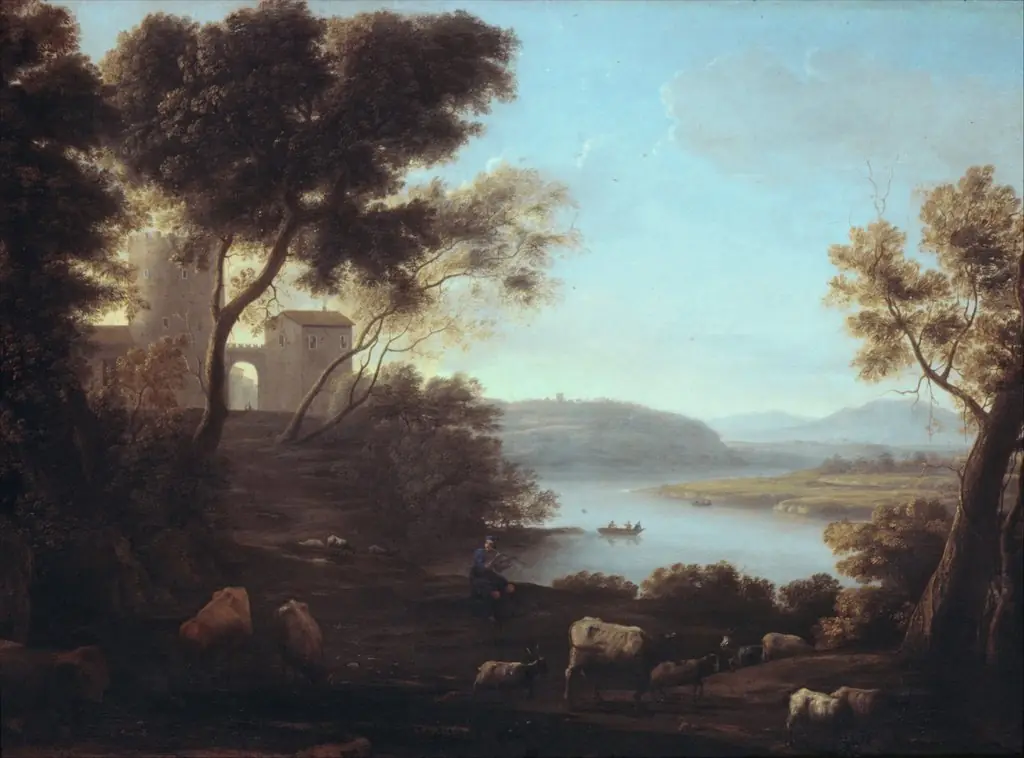
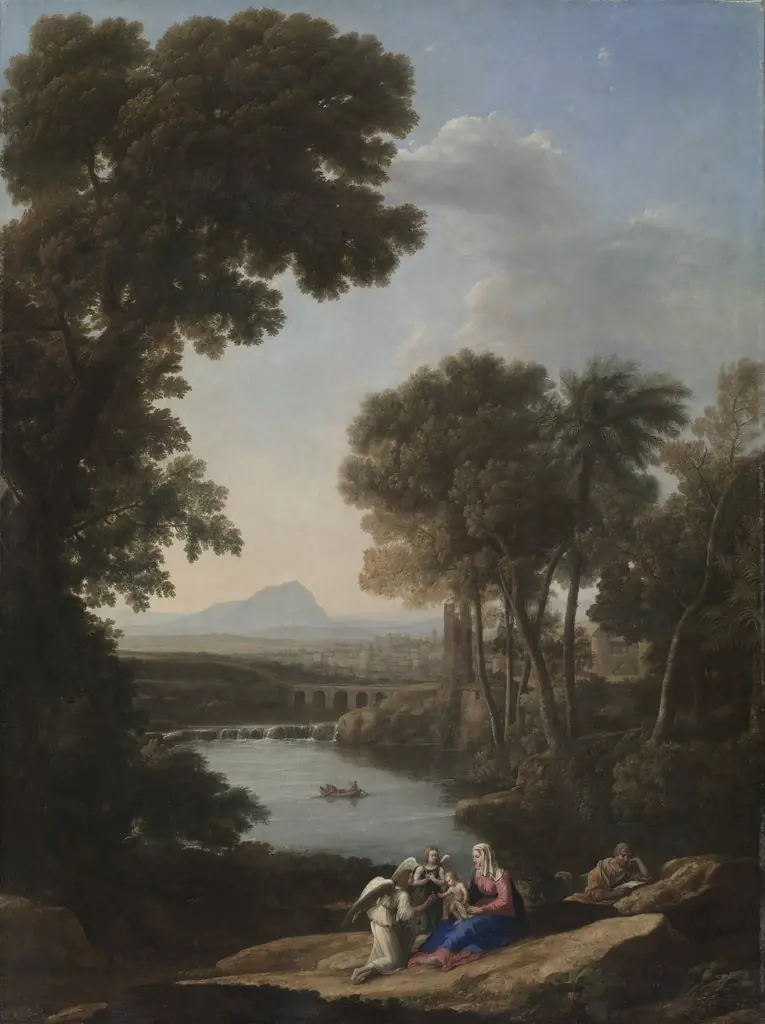
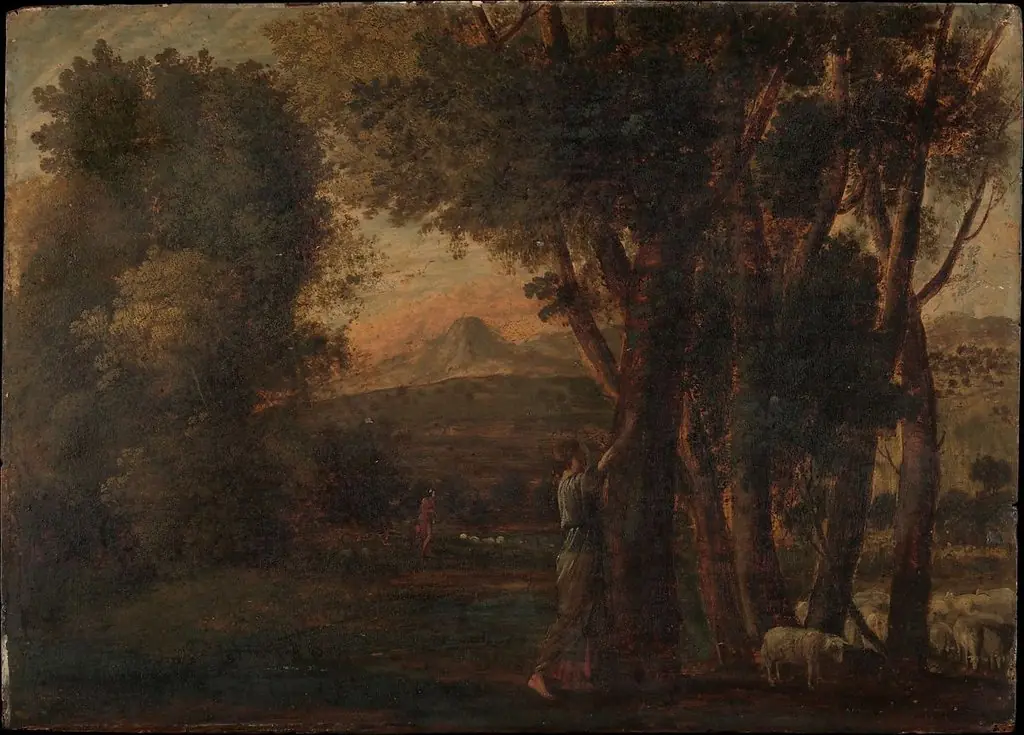
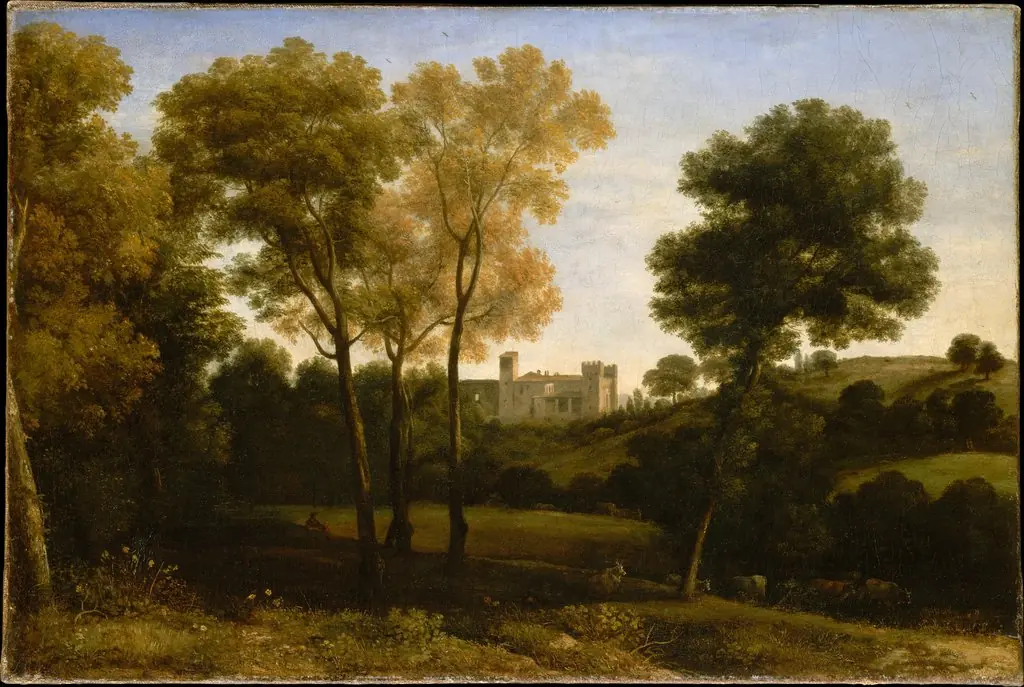
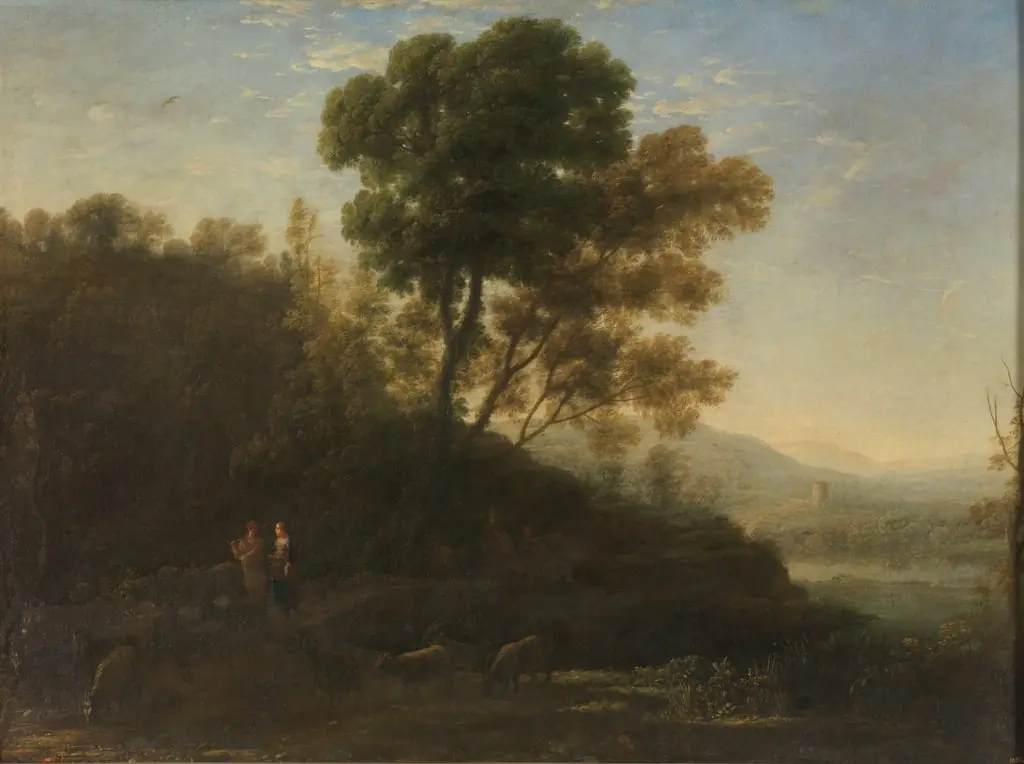
Painted in 1637 by Claude Lorrain, this oil-on-canvas work presents a quiet rural scene in the Italian countryside. Though French by birth, Lorrain lived and worked primarily in Rome, where he developed a distinctive approach to landscape. The painting is part of the Uffizi Gallery’s collection and reflects his early maturity as an artist, blending natural observation with poetic composition.
Subject & Meaning
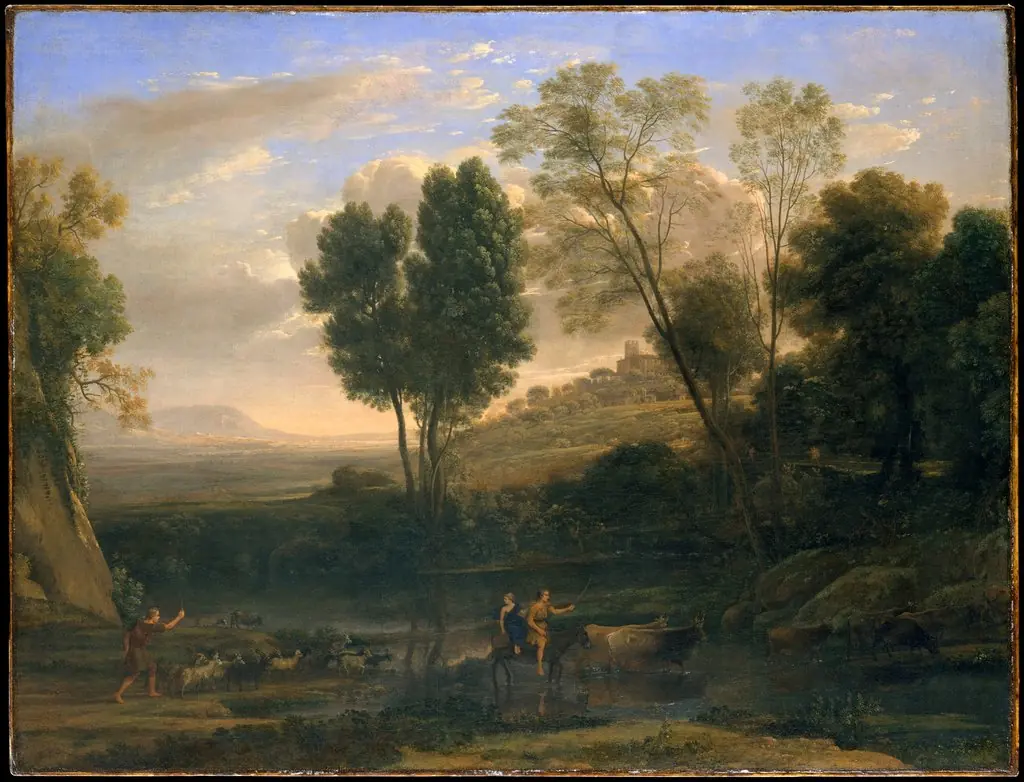
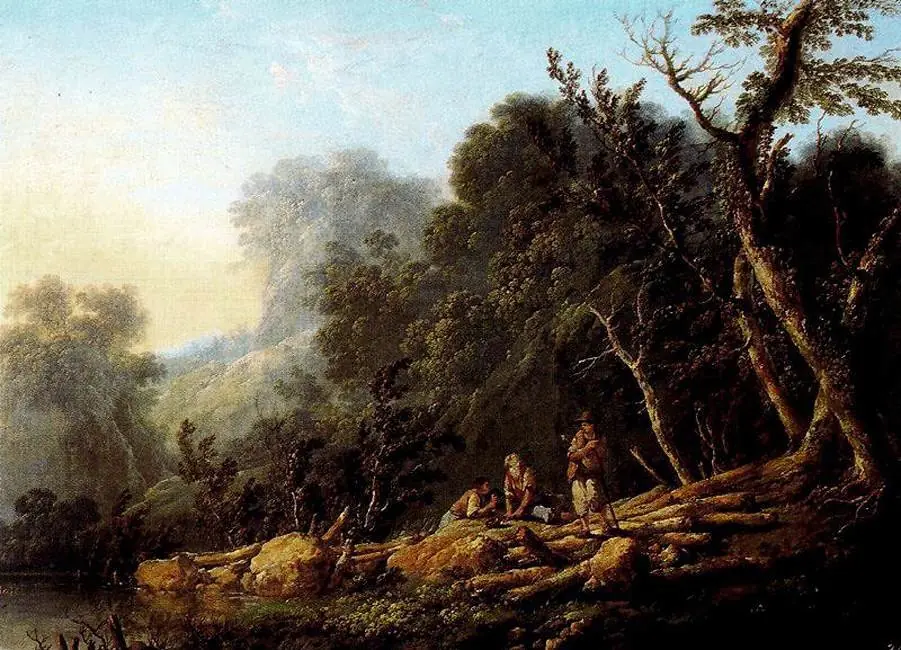
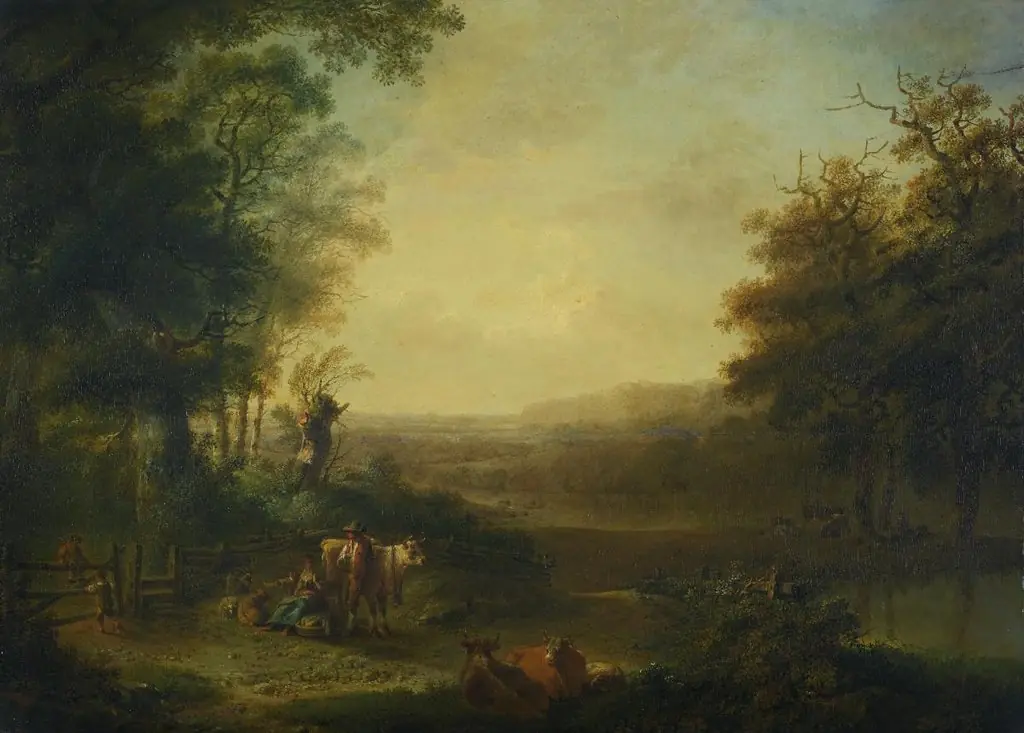
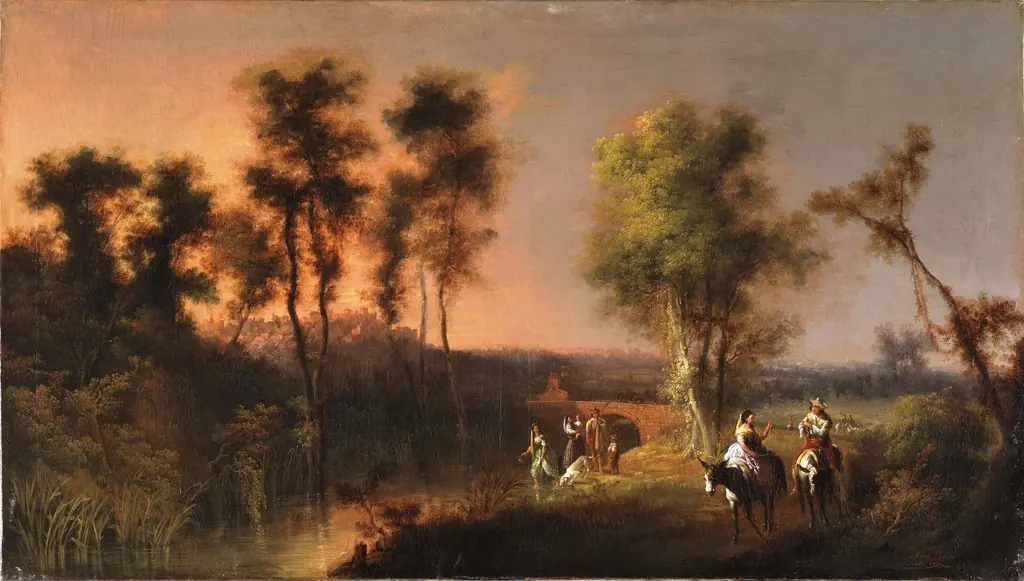
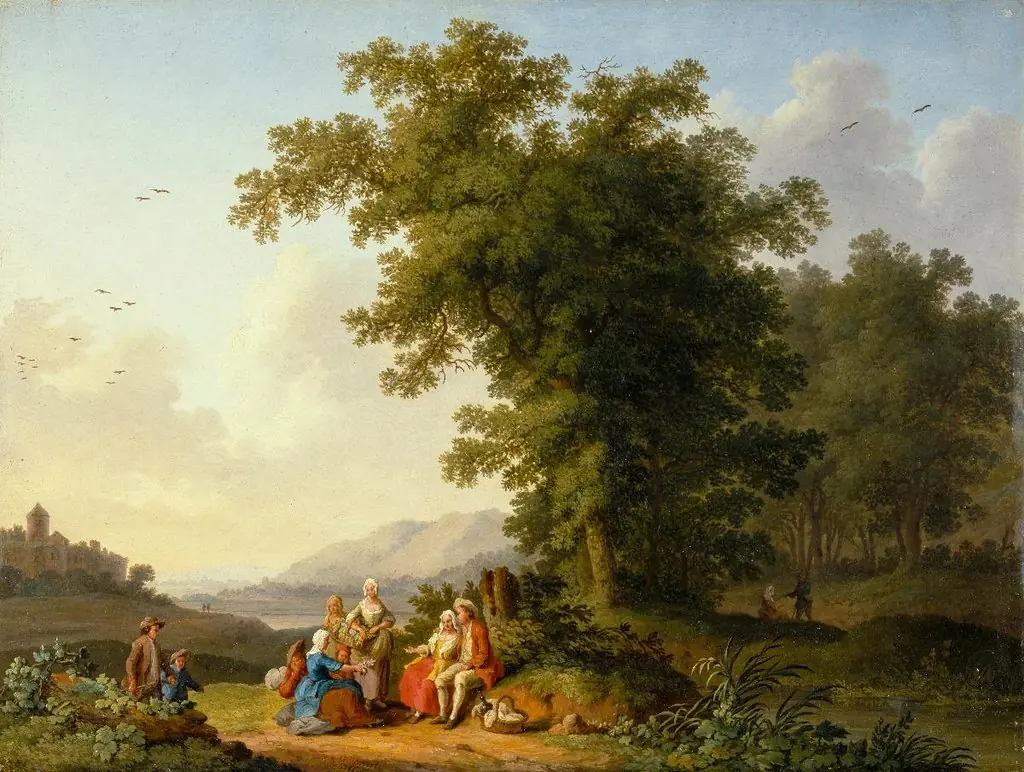
The scene shows a group of peasants gathered near a tree, some dancing, others playing instruments or conversing. Rather than dramatizing labor or festivity, Lorrain presents their activity as a quiet, integrated part of the landscape. The figures are small in scale, emphasizing harmony between human presence and the natural world, suggesting a tranquil, cyclical rhythm to rural life.
Technique & Style
The composition is carefully balanced, guiding the eye from foreground figures to the hazy horizon, reinforcing a sense of serene expansiveness.
Lorrain employed subtle gradations of light to create spatial depth, using atmospheric perspective to soften distant hills and water. His handling of oil paint allows for delicate transitions between tones, with warm highlights filtering through clouds and foliage. The composition is carefully balanced, guiding the eye from foreground figures to the hazy horizon, reinforcing a sense of serene expansiveness.
History & Provenance
Commissioned during Lorrain’s early Roman period, the painting entered the Medici collection in the 17th century and remained in Florence. It was cataloged in the Uffizi’s inventory by the 18th century and has remained there since. Its survival through centuries of political change reflects its enduring value to collectors who appreciated landscape as a subject worthy of serious artistic attention.
Context
In the 1630s, landscape painting was still secondary to religious or mythological subjects in Italian art. Lorrain helped shift this by treating nature as the primary focus, informed by classical ideals and direct observation. His work influenced later generations who sought to capture light and atmosphere, laying groundwork for 18th-century topographical painting and Romantic landscape traditions.
Legacy
Though not part of the Barbizon school — which emerged two centuries later — Lorrain’s emphasis on naturalism and light influenced 19th-century French landscape painters. His structured compositions and nuanced skies became reference points for artists seeking to convey mood through environment. This painting exemplifies his role in establishing landscape as a genre capable of quiet emotional resonance.
Artist & collection
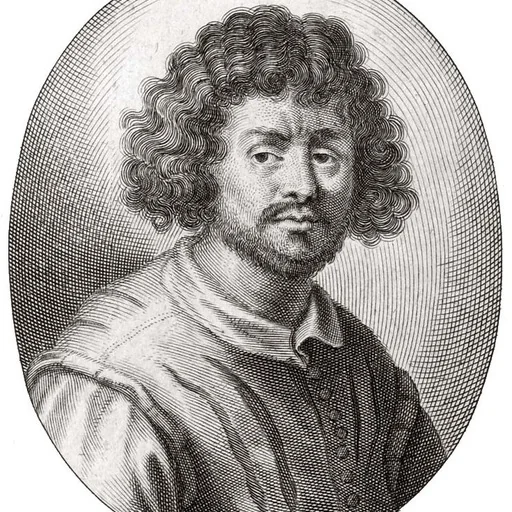
Artist
Claude Lorrain (French: ; born Claude Gellée , called le Lorrain in French; traditionally just Claude in English; c.