Artwork
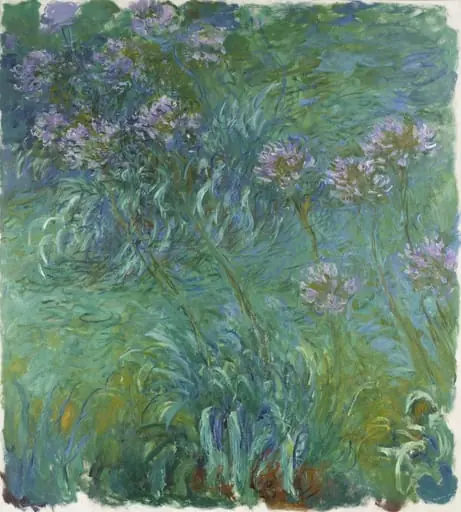
Agapanthes
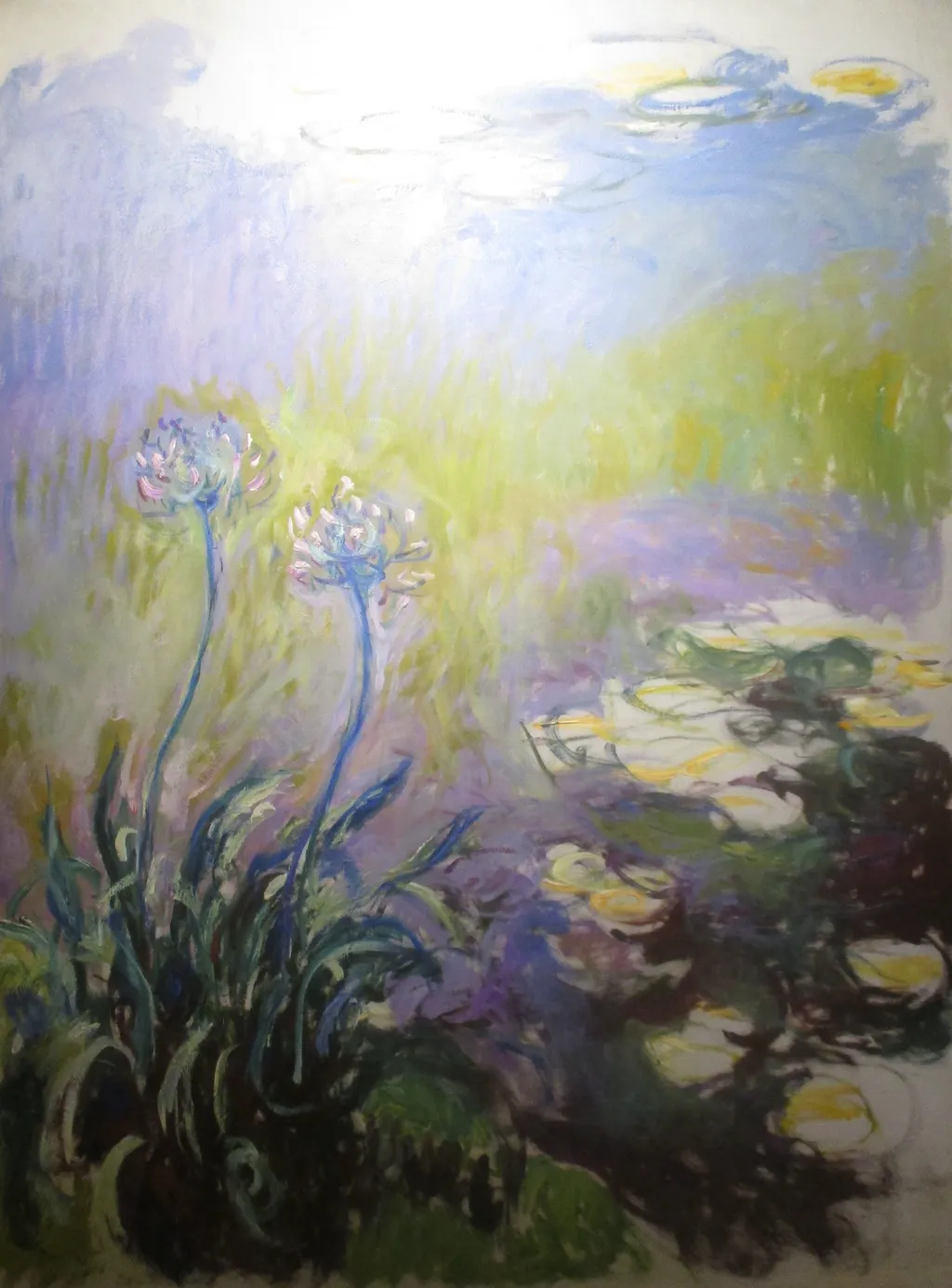
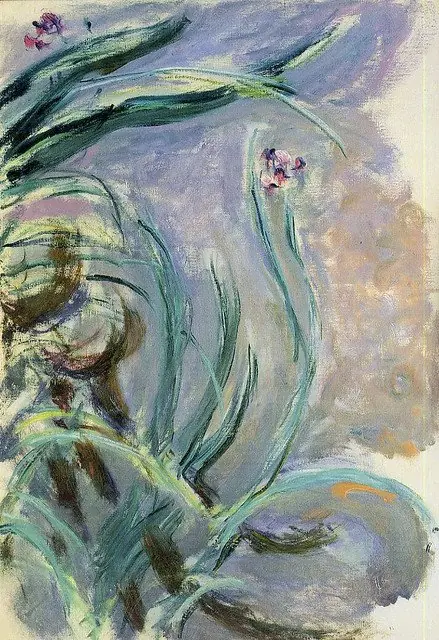
Agapanthes is an oil painting by the Impressionist artist Claude Monet. It dates from 1900 and is held in the collection of the Musée Marmottan Monet.
About this work
Overview
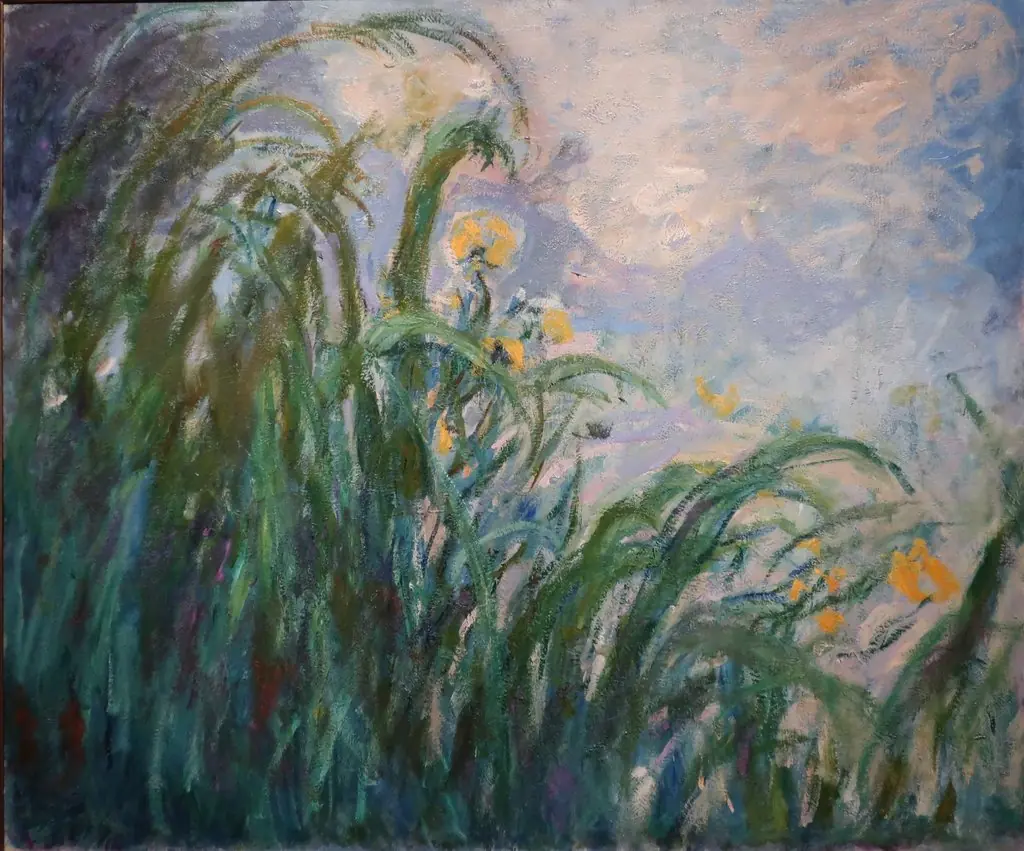
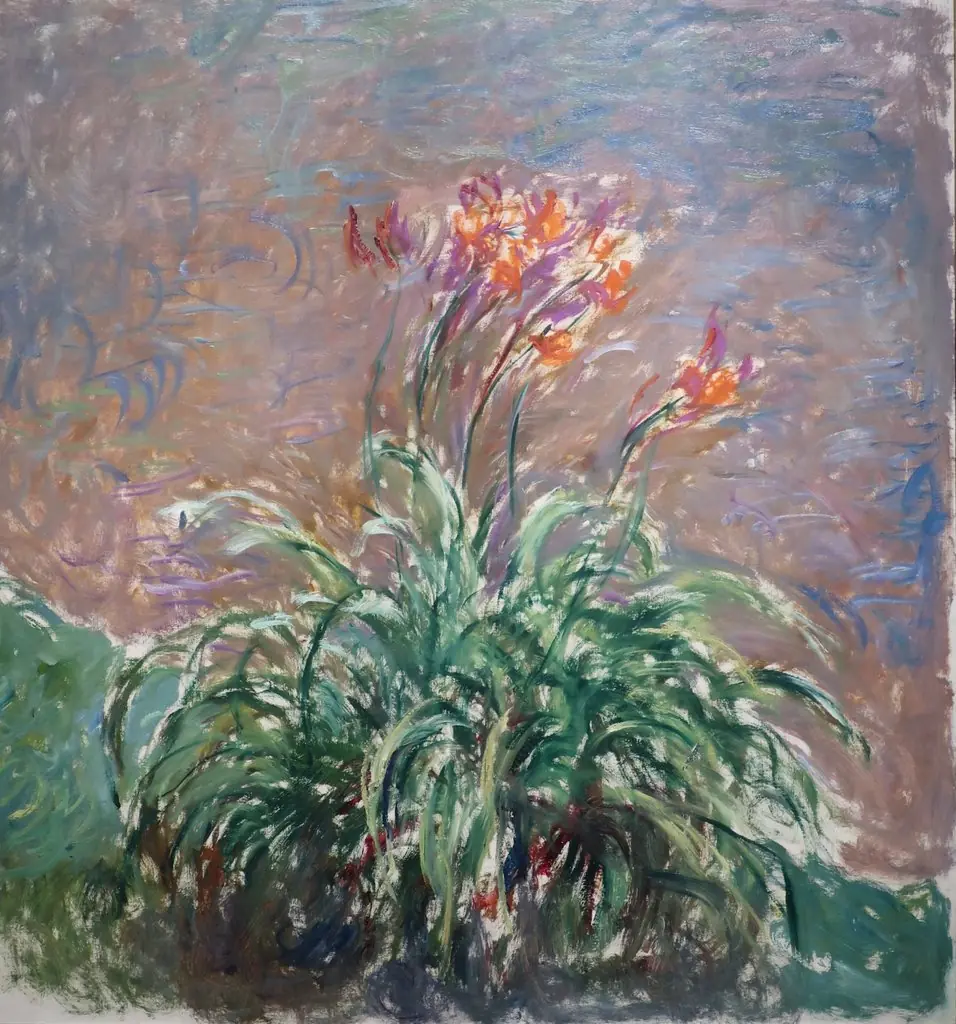
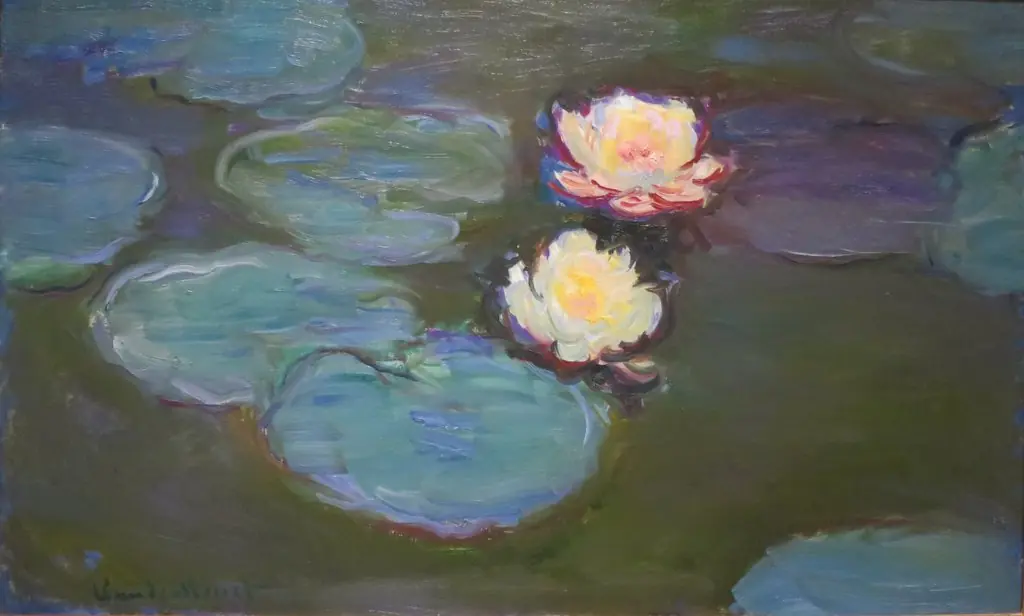
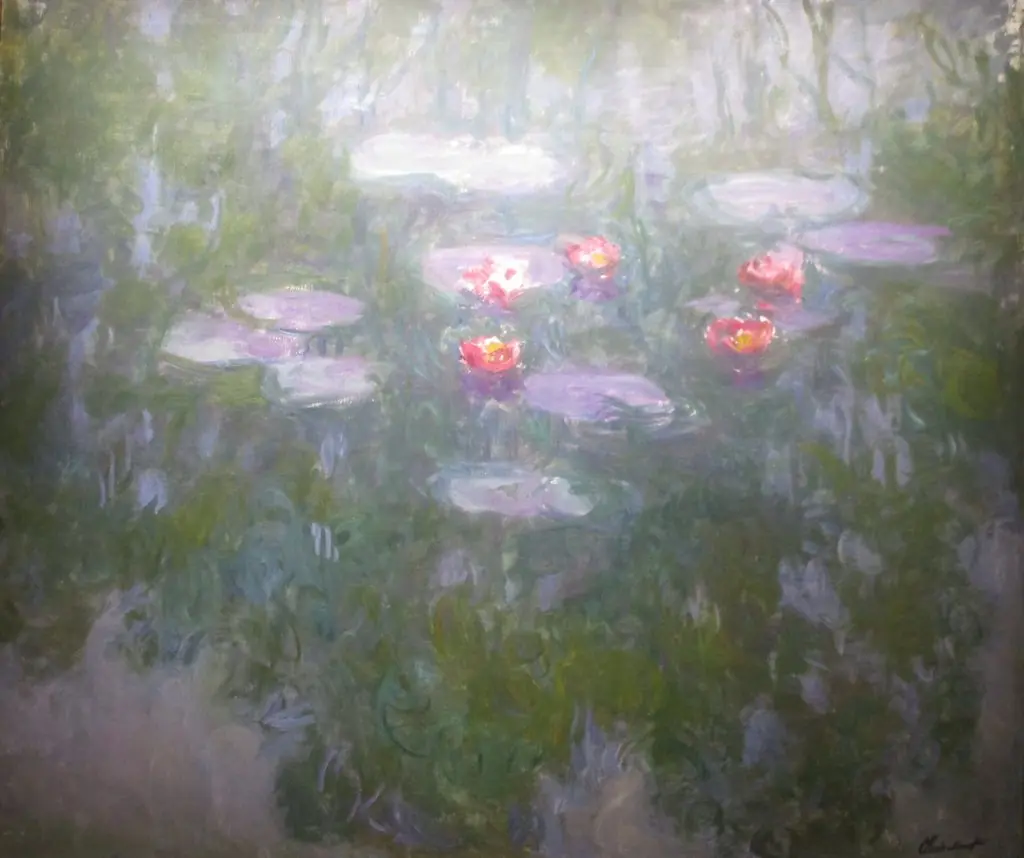
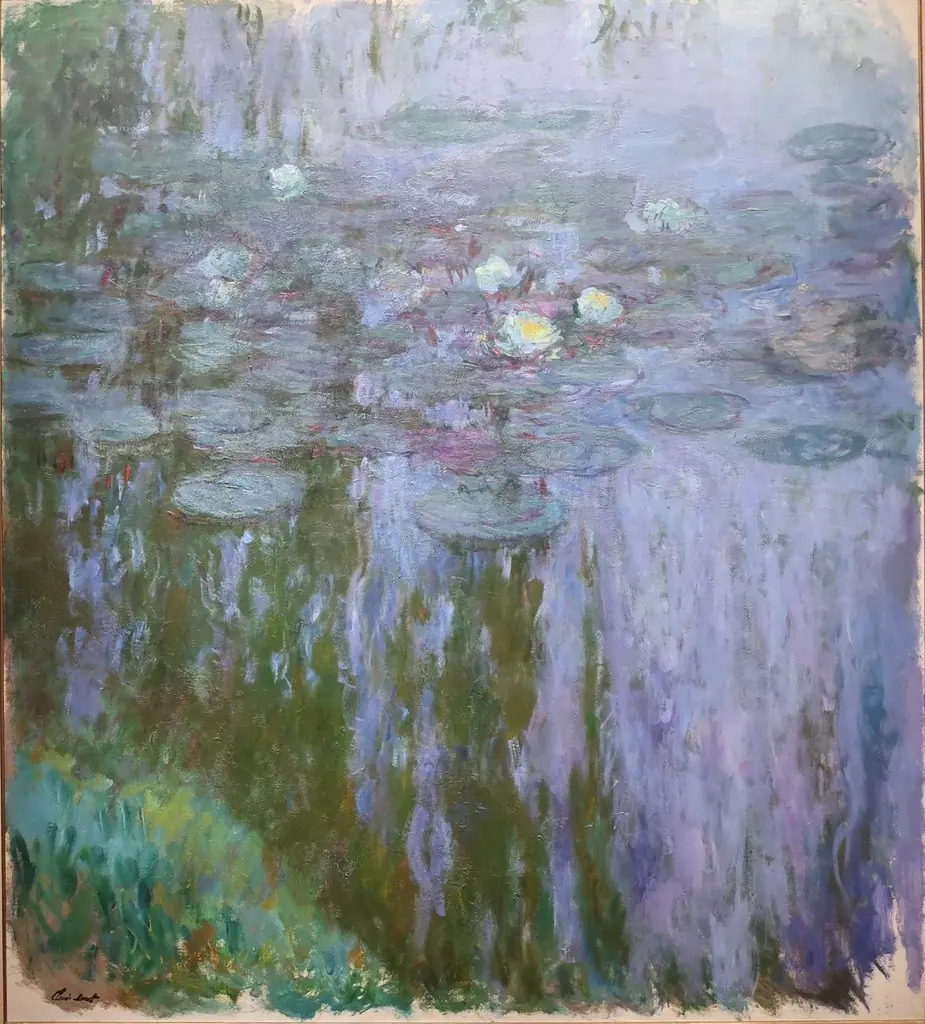
Claude Monet’s oil work titled “Agapanthes,” completed in 1900, presents a tranquil pond scene populated by floating water lilies. The composition is rendered in a palette of muted pastels, and the arrangement of forms leads the eye across the surface toward the delicate blossoms, establishing a calm visual atmosphere.
Subject & Meaning
The painting centers on a cluster of white water lilies drifting on a still body of water, suggesting a quiet moment in nature. By emphasizing the gentle rise and fall of the lilies, Monet invites contemplation of the fleeting beauty of the natural world and the quietude found within it.
Technique & Style
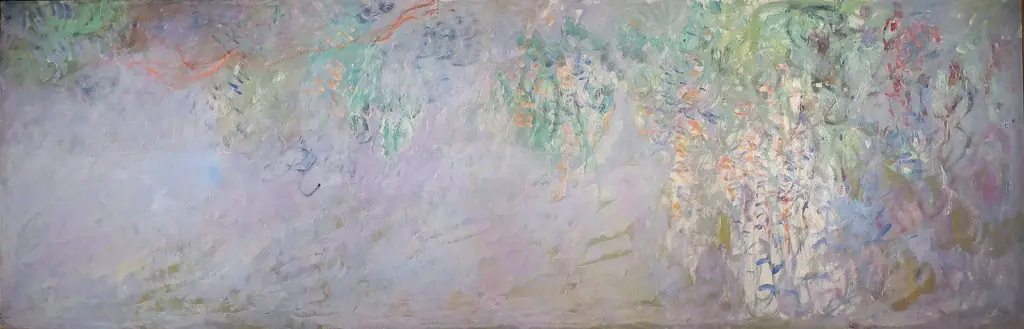
Monet employs loose, soft brushwork that blends colors at their edges, creating a sense of atmospheric depth. The subtle modulation of light across the water’s surface and the pastel hues convey the fleeting effects of sunlight, characteristic of his later Impressionist approach to capturing transient visual impressions.
History & Provenance
Created at the turn of the twentieth century, “Agapanthes” entered the collection of the Musée Marmottan Monet, where it remains on display. The museum’s holdings include a substantial number of Monet’s works, providing context for this piece within the artist’s broader oeuvre of water‑lily studies.
Own this work as a print
Artist & collection

Artist
Oscar-Claude Monet was born in Paris on November 14, 1840, and raised from the age of five in Le Havre, where he began selling charcoal caricatures as a teenager.