Artwork
Mount Kolsaas in Norway
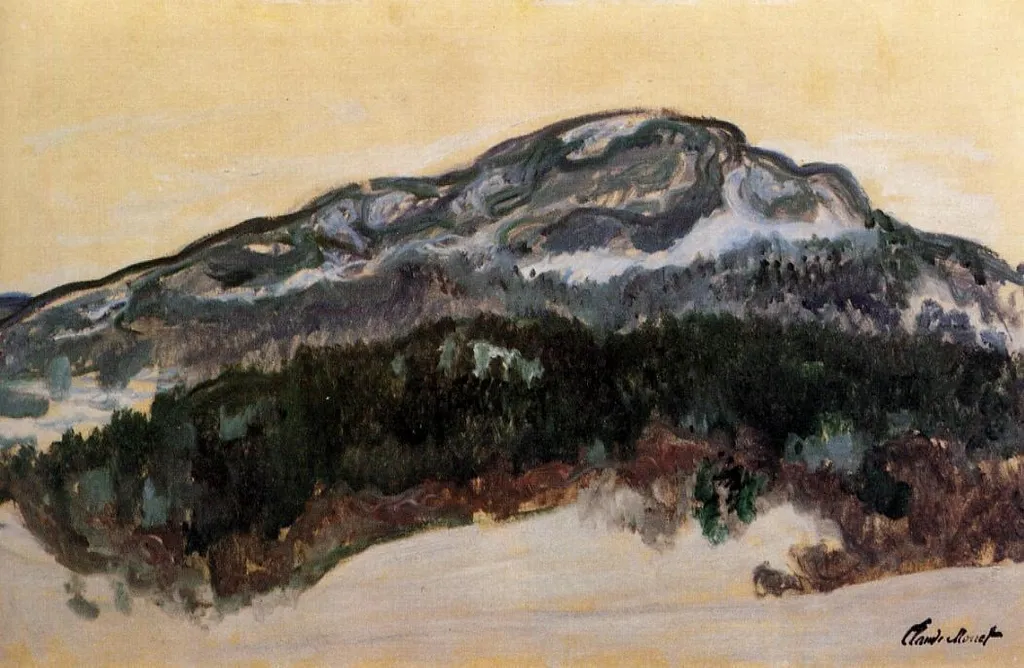
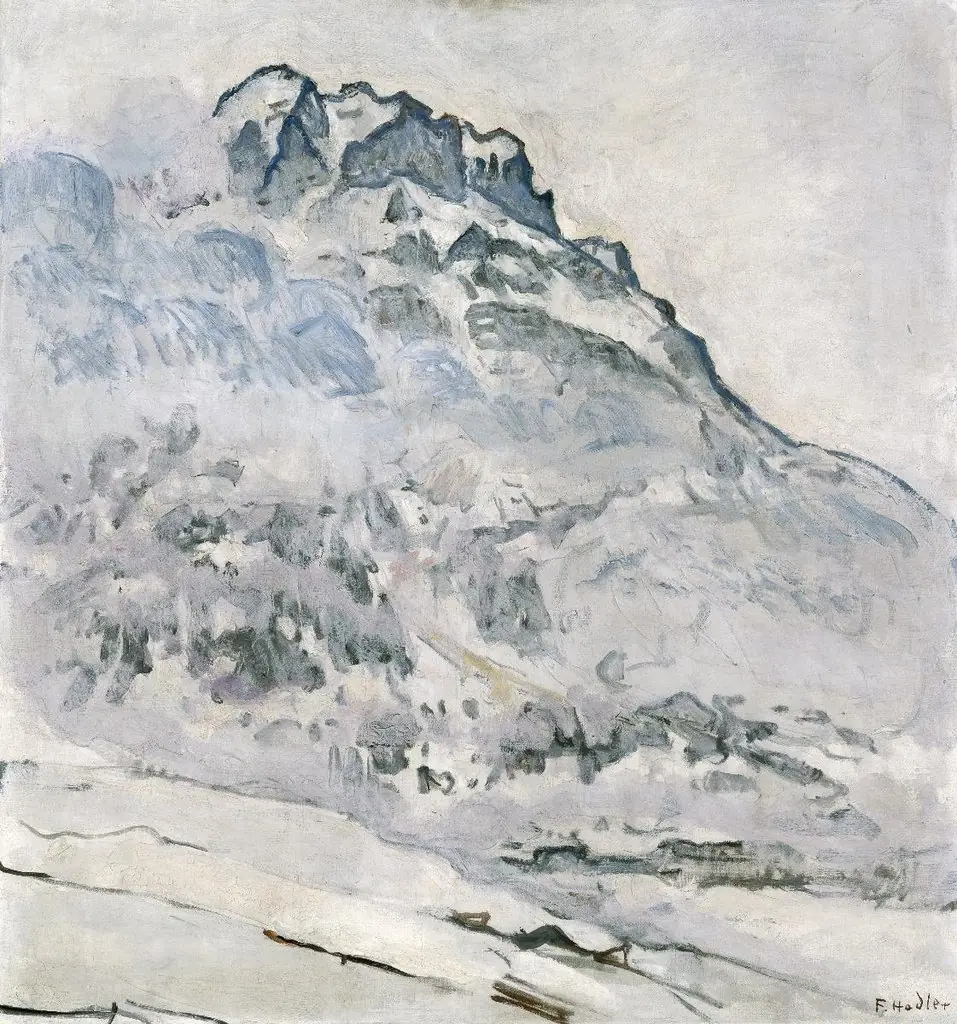
Mount Kolsaas in Norway is an oil painting by the Impressionist artist Claude Monet. It dates from 1898 and is held in the collection of the Musée Marmottan Monet.
About this work
Overview
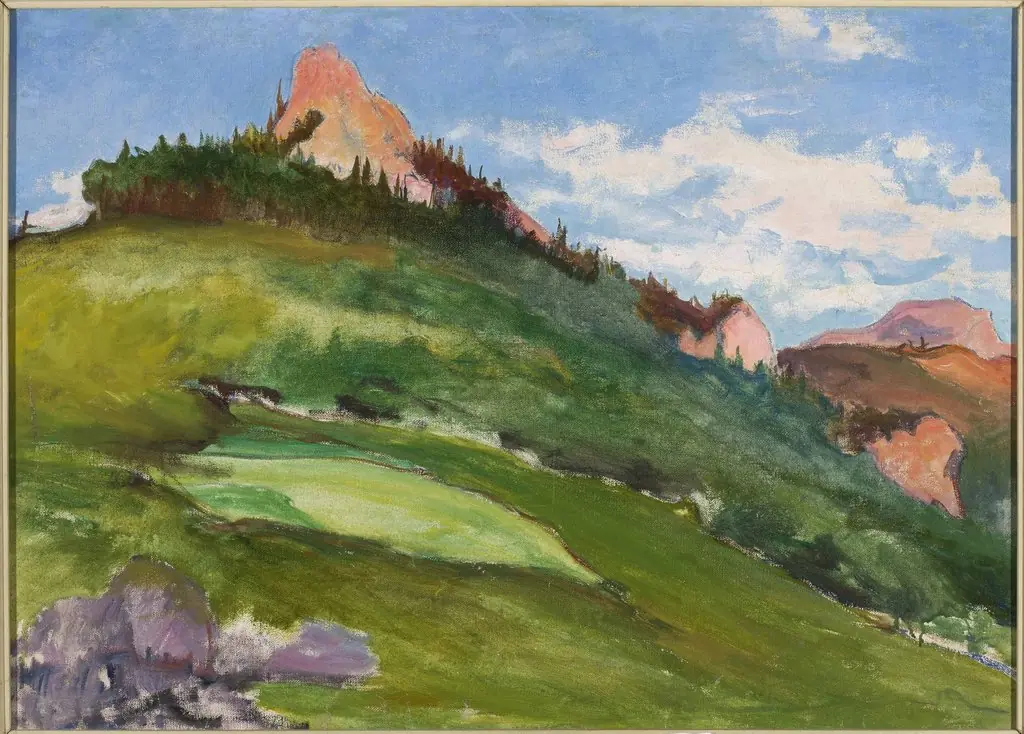
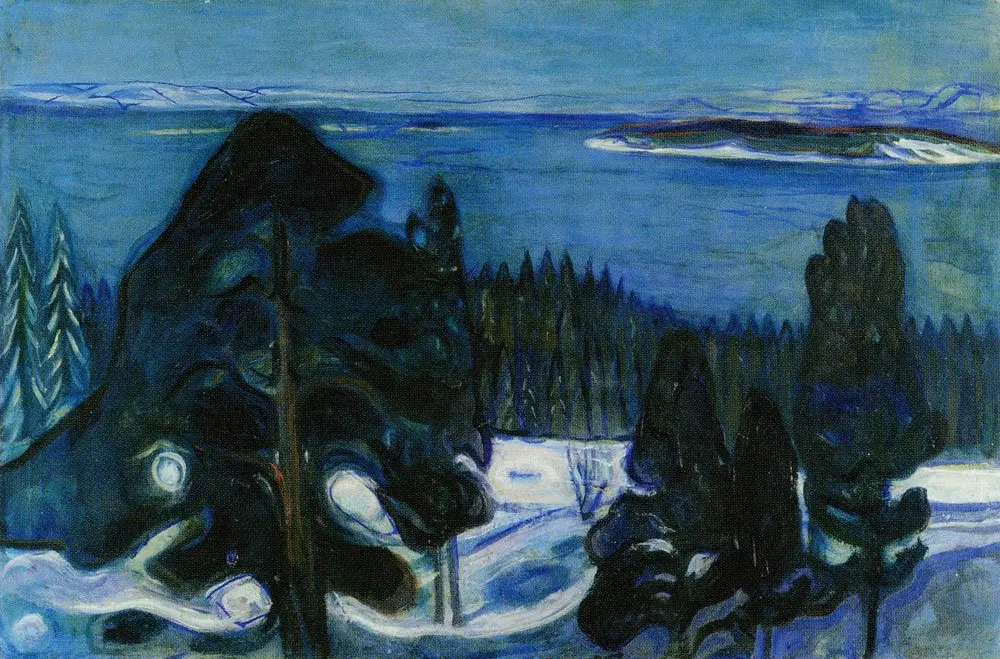
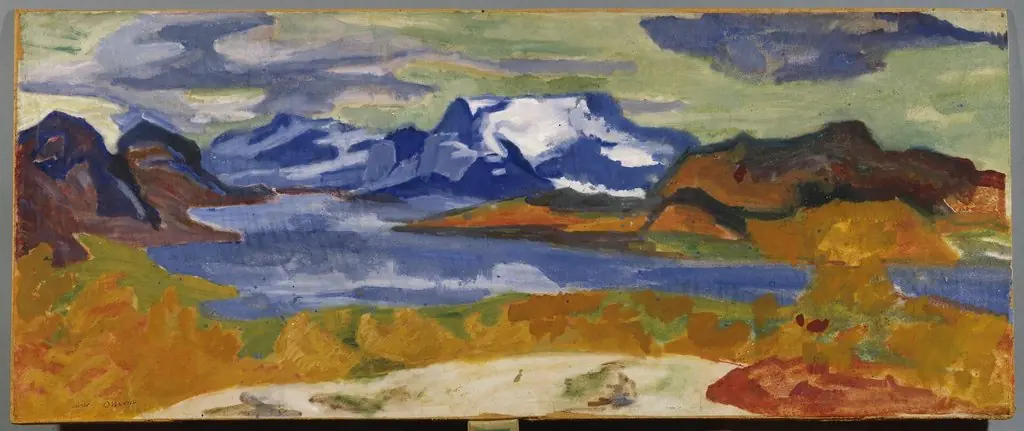
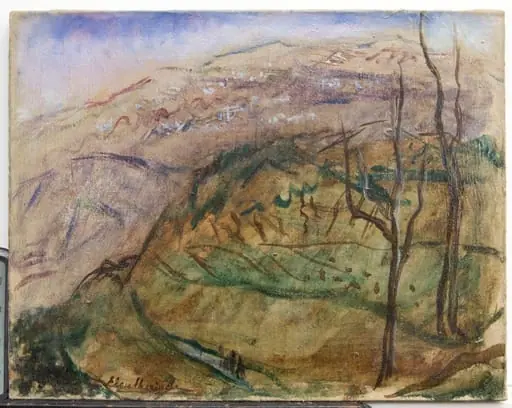
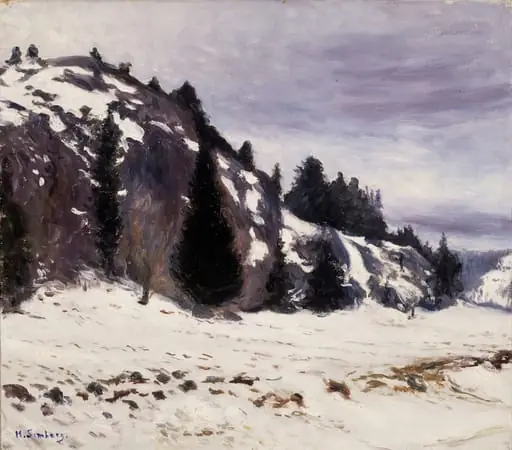
Painted in 1898, Mount Kolsaas in Norway is an oil on canvas work by Claude Monet, capturing a view of the Norwegian mountain during winter.
Painted in 1898, Mount Kolsaas in Norway is an oil on canvas work by Claude Monet, capturing a view of the Norwegian mountain during winter. The piece is part of the collection at the Musée Marmottan Monet in Paris. Monet painted it during a trip to Norway, where he sought to record the effects of winter light on natural forms. The composition emphasizes atmospheric conditions over topographical precision.
Subject & Meaning
The painting depicts Mount Kolsaas, a peak in the Hardanger region of Norway, blanketed in snow. Sparse evergreens in the foreground anchor the scene, while the sky glows with a pale, cool yellow. Monet was less concerned with identifying the mountain than with conveying its quiet presence under winter’s light. The work reflects his interest in transient natural phenomena rather than romanticized landscapes.
Technique & Style
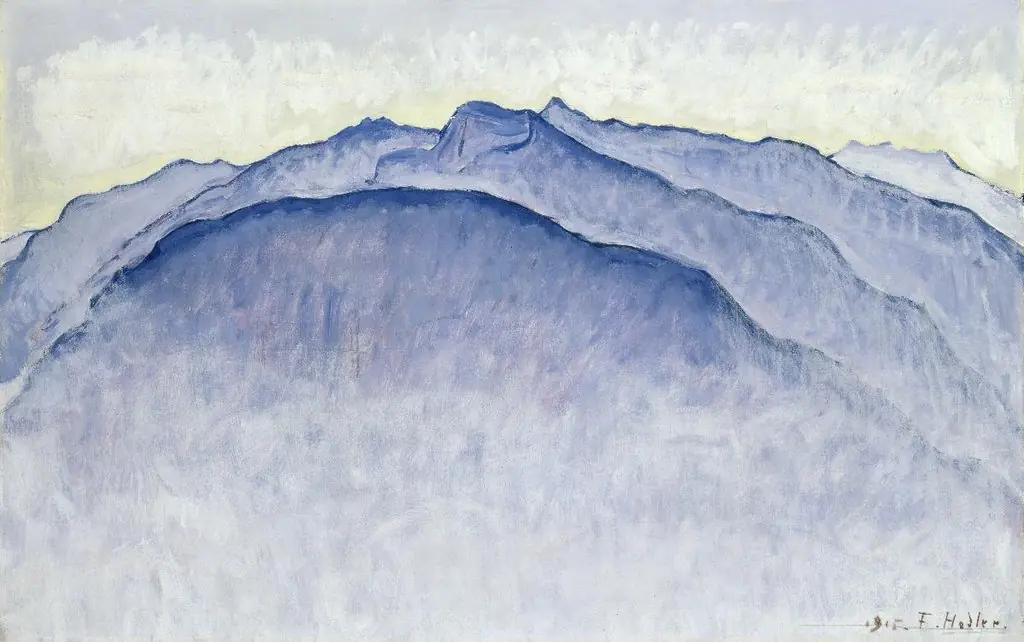
Monet applied oil paint with loose, textured brushwork to suggest the crispness of snow and the stillness of air. Blues and whites dominate the mountain, modulated by subtle shifts in tone rather than sharp contours. The sky’s pale yellow contrasts gently with the cool tones below, enhancing the sense of atmospheric depth. Visible strokes convey movement without sacrificing the stillness of the scene.
History & Provenance
Monet painted this work during a brief visit to Norway in 1895, returning to his studio in Giverny to complete it in 1898. It remained in his personal collection until his death in 1926, after which it passed to his son Michel. The painting entered the Musée Marmottan Monet’s holdings through the artist’s family estate, preserving its direct lineage to the painter’s own archive.
Context
This painting belongs to a series of Nordic landscapes Monet produced after traveling to Norway, a destination chosen for its dramatic winter light and unspoiled terrain. At the time, he was refining his approach to color and atmosphere beyond the French countryside. Unlike traditional landscape painting, Monet avoided narrative or symbolic elements, focusing instead on sensory perception.
Legacy
Mount Kolsaas in Norway exemplifies Monet’s late commitment to capturing light in extreme conditions. While not among his most widely exhibited works, it contributes to the understanding of his international travels and evolving technique. The painting remains a quiet testament to his belief that nature’s transient effects, even in remote regions, held artistic value worthy of sustained observation.
Artist & collection
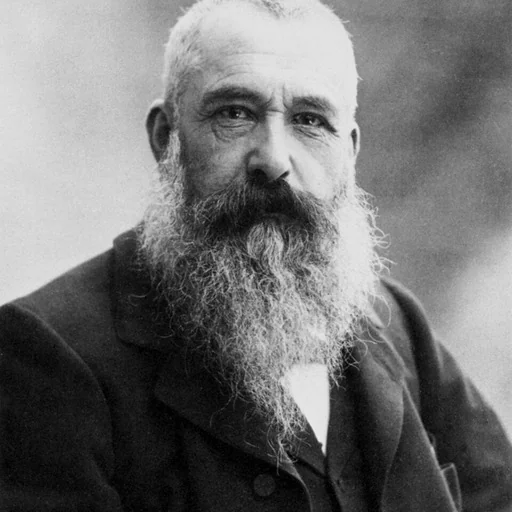
Artist
Oscar-Claude Monet was born in Paris on November 14, 1840, and raised from the age of five in Le Havre, where he began selling charcoal caricatures as a teenager.