Artwork
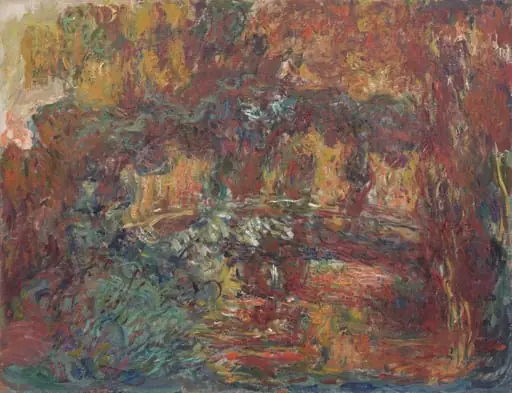
Nymphéas, Japanese Bridge
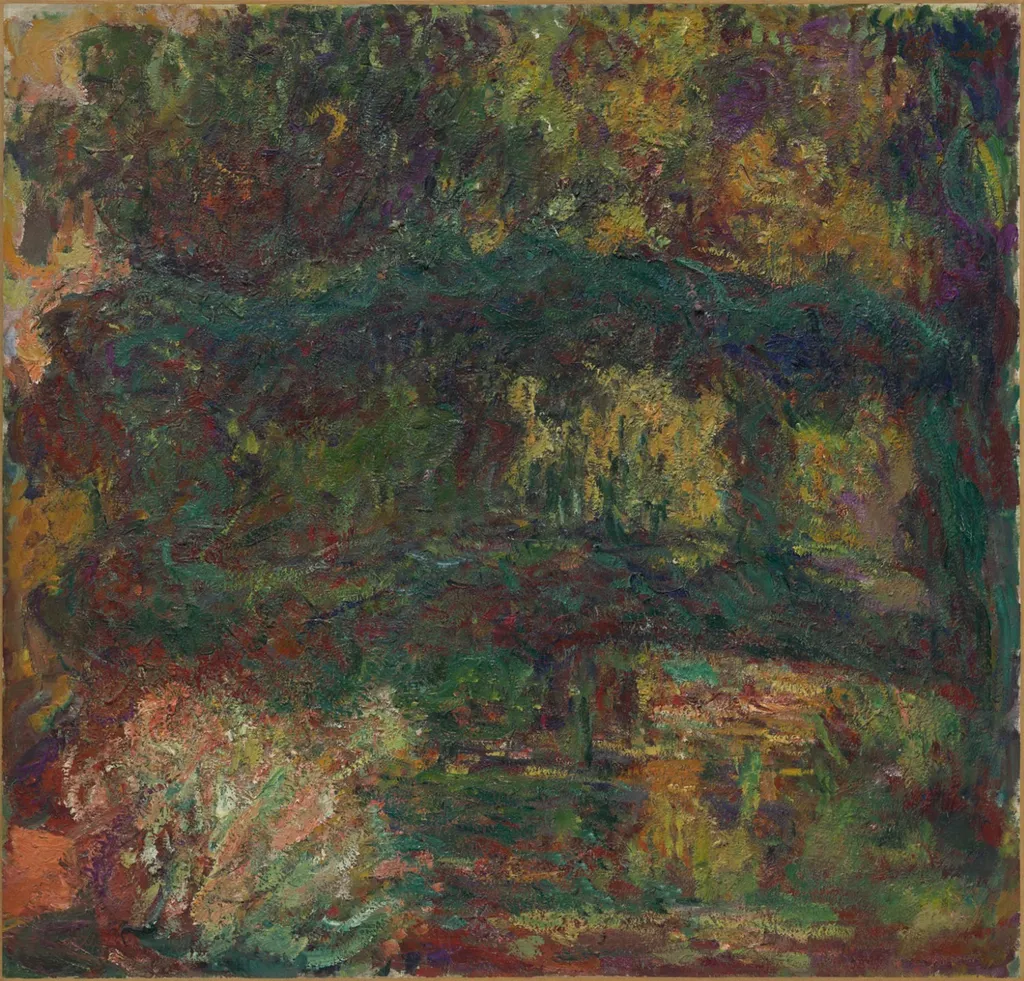
Nymphéas, Japanese Bridge is an oil painting by the Impressionist artist Claude Monet. It dates from 1890 and is held in the collection of the Philadelphia Museum of Art.
About this work
Overview
Nymphéas, Japanese Bridge is an oil painting by Claude Monet, dating to circa 1890, and is part of the collection at the Philadelphia Museum of Art.
Subject & Meaning
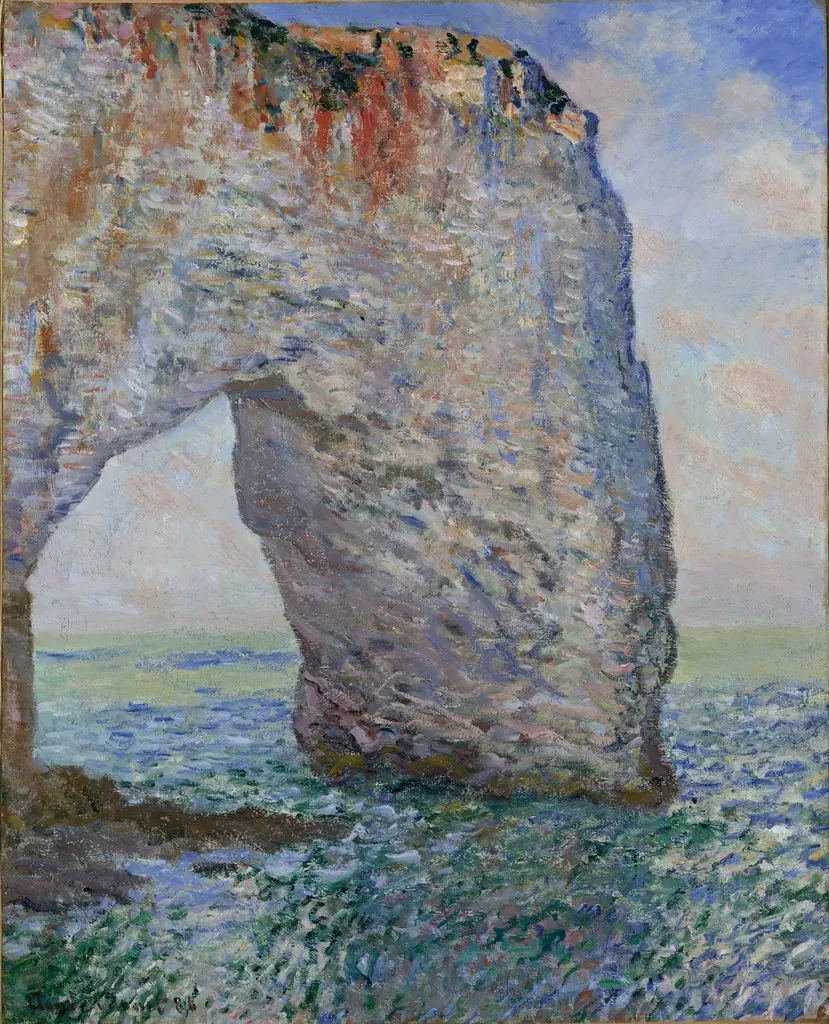
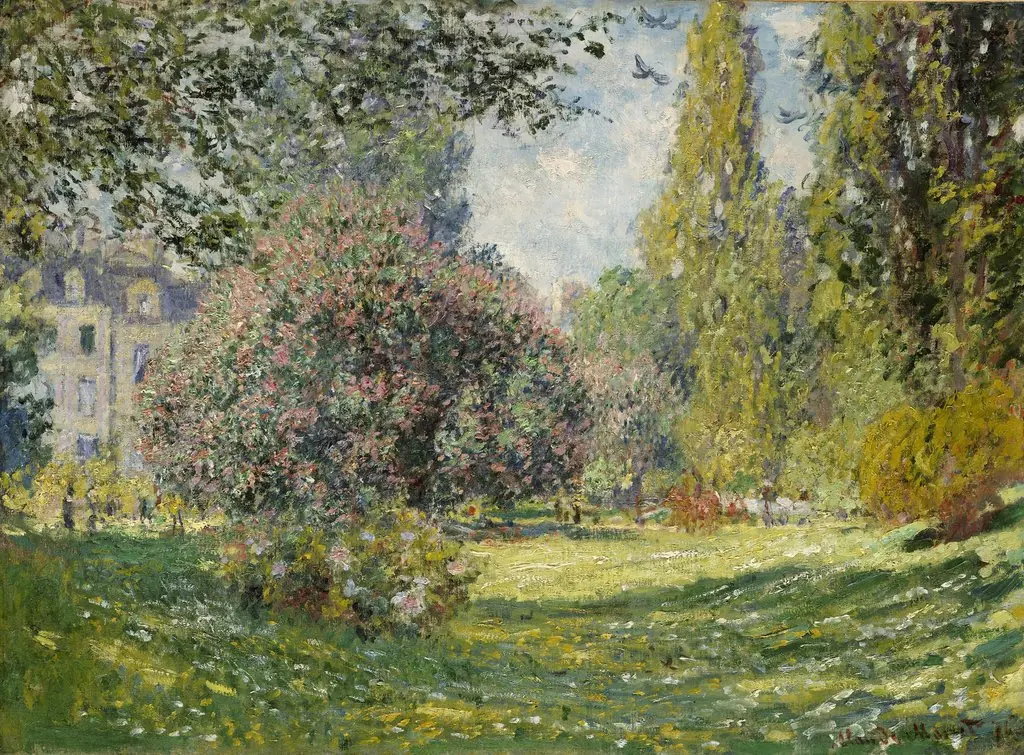
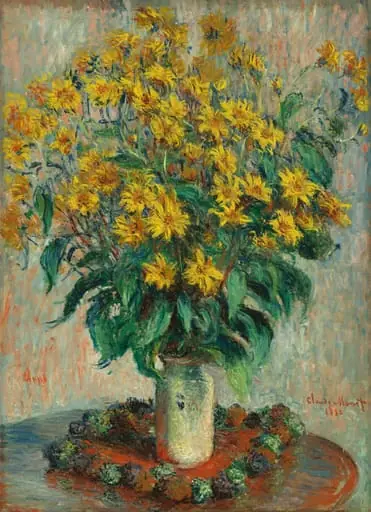
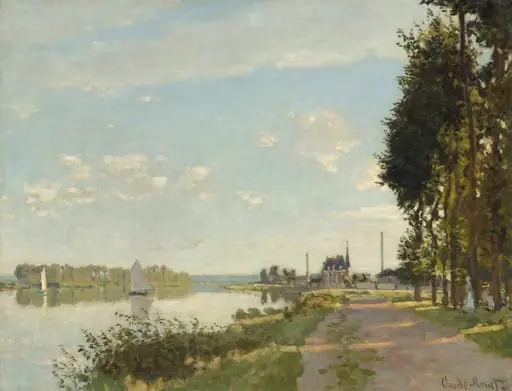
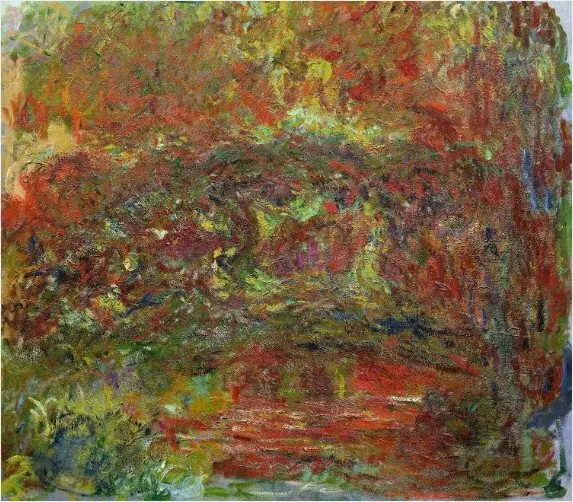
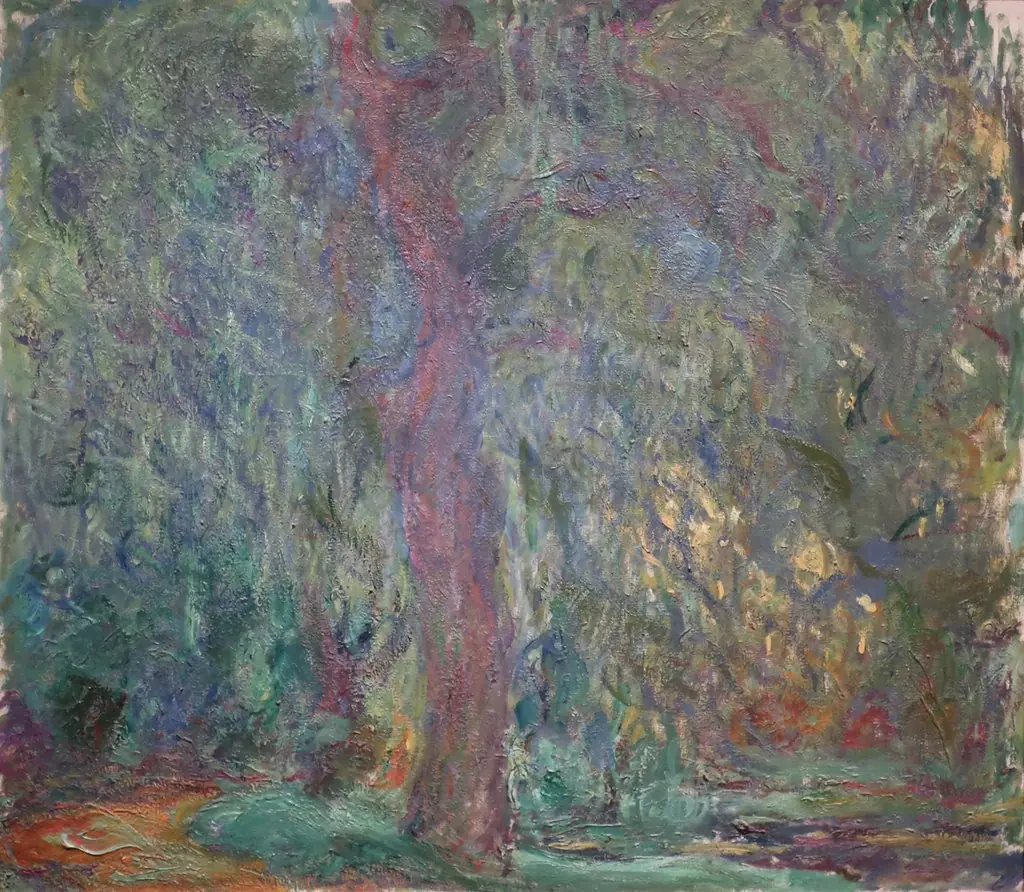
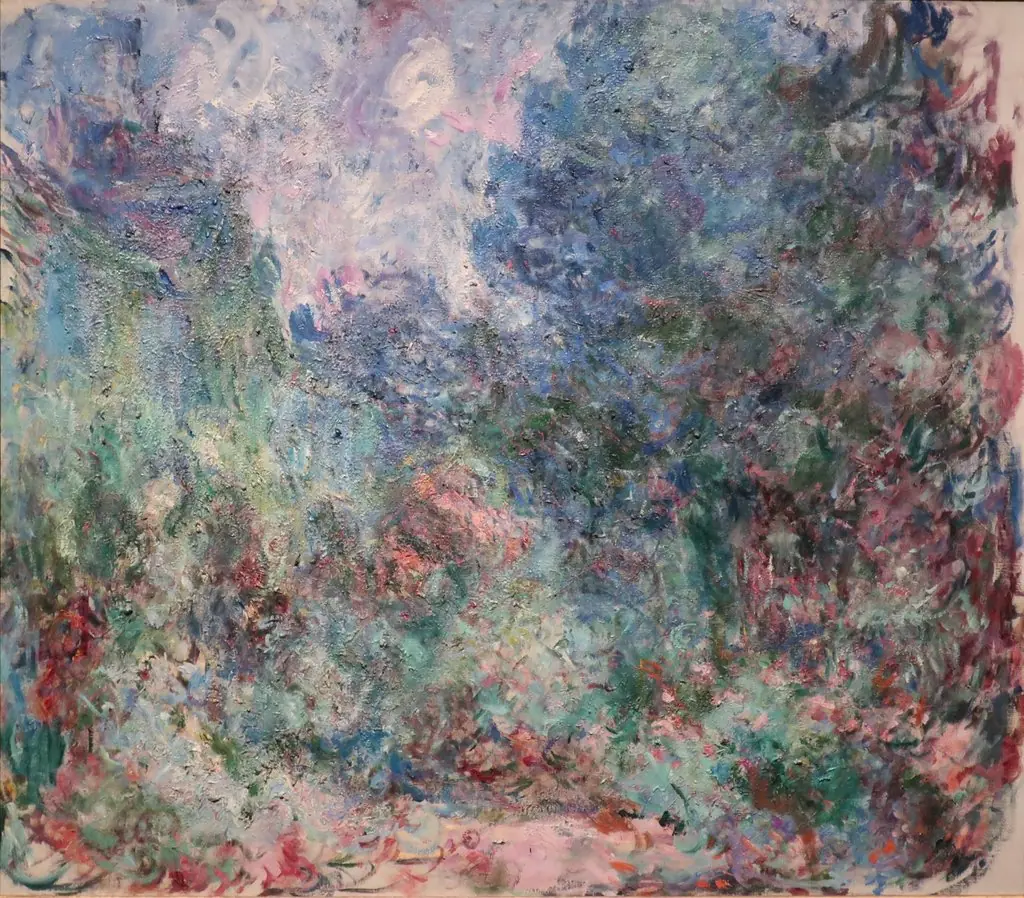
The painting depicts a serene garden scene featuring a small bridge, lush floral arrangements, and trees set against a backdrop of a pond. The composition conveys a sense of peacefulness.
Technique & Style
Monet employed a soft, blended color palette and an impressionistic brushwork style, prioritizing the capture of the garden's ambiance over sharp details. A diverse range of colors was used to suggest depth and movement within the scene.
History & Provenance
Created around 1890, the work is now held in the permanent collection of the Philadelphia Museum of Art, though specific details of its provenance prior to acquisition are not provided here.
Context
This piece reflects Monet's ongoing exploration of outdoor, natural settings, characteristic of his body of work from this period, often focusing on his famous garden at Giverny.
Legacy
As part of Monet's renowned oeuvre, Nymphéas, Japanese Bridge contributes to the broader legacy of Impressionist painting, influencing subsequent artistic movements with its emphasis on light, color, and natural beauty.
Own this work as a print
Artist & collection

Artist
Oscar-Claude Monet was born in Paris on November 14, 1840, and raised from the age of five in Le Havre, where he began selling charcoal caricatures as a teenager.