Artwork
Poplars on the Bank of the Epte River
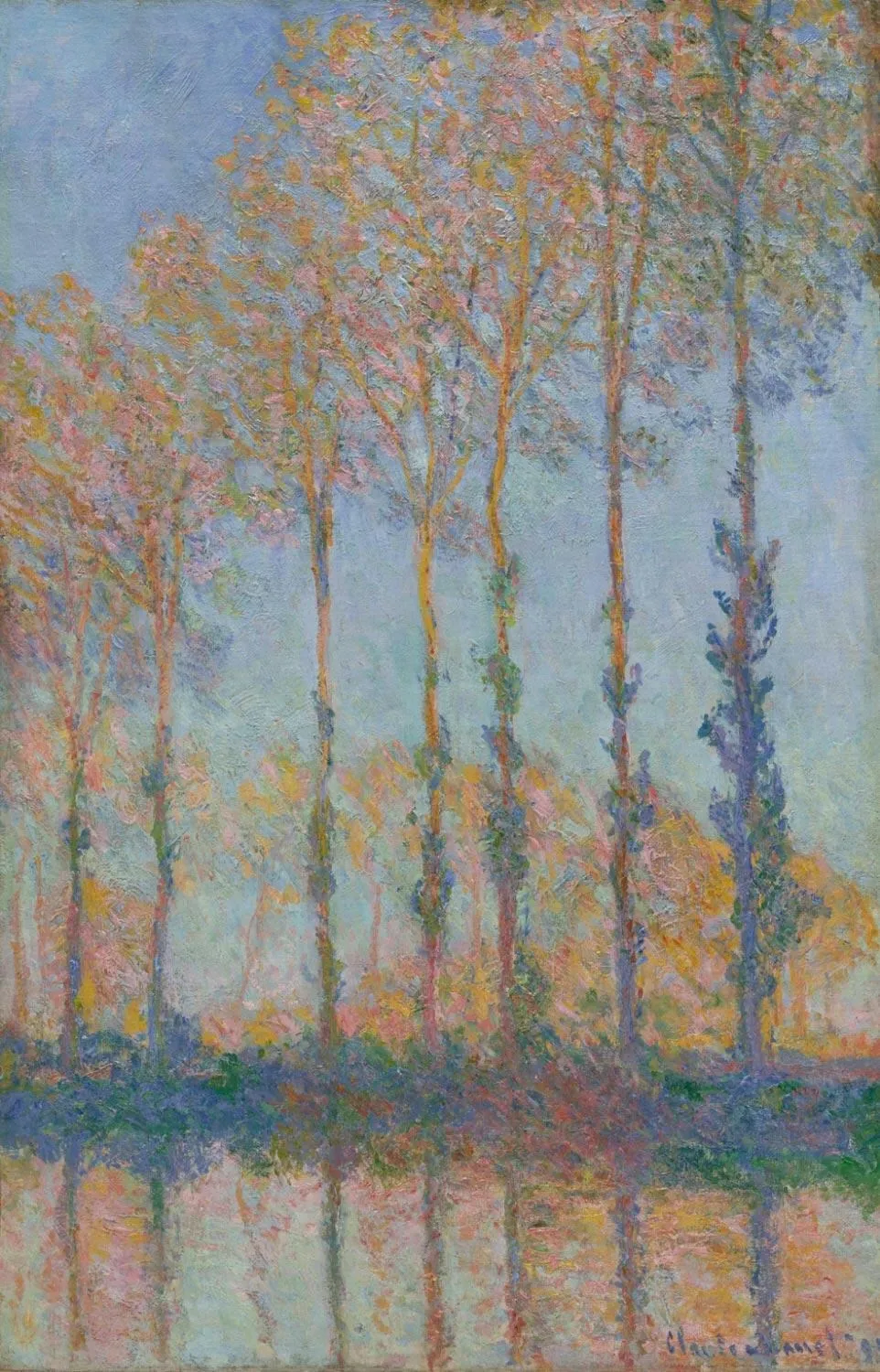
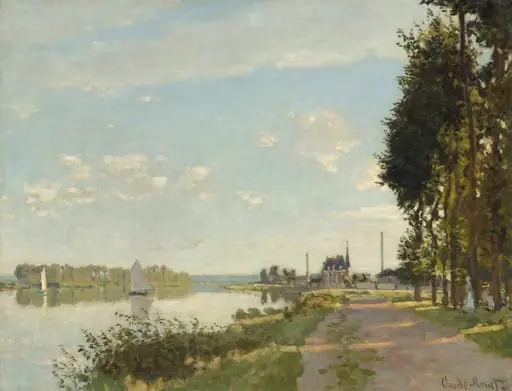
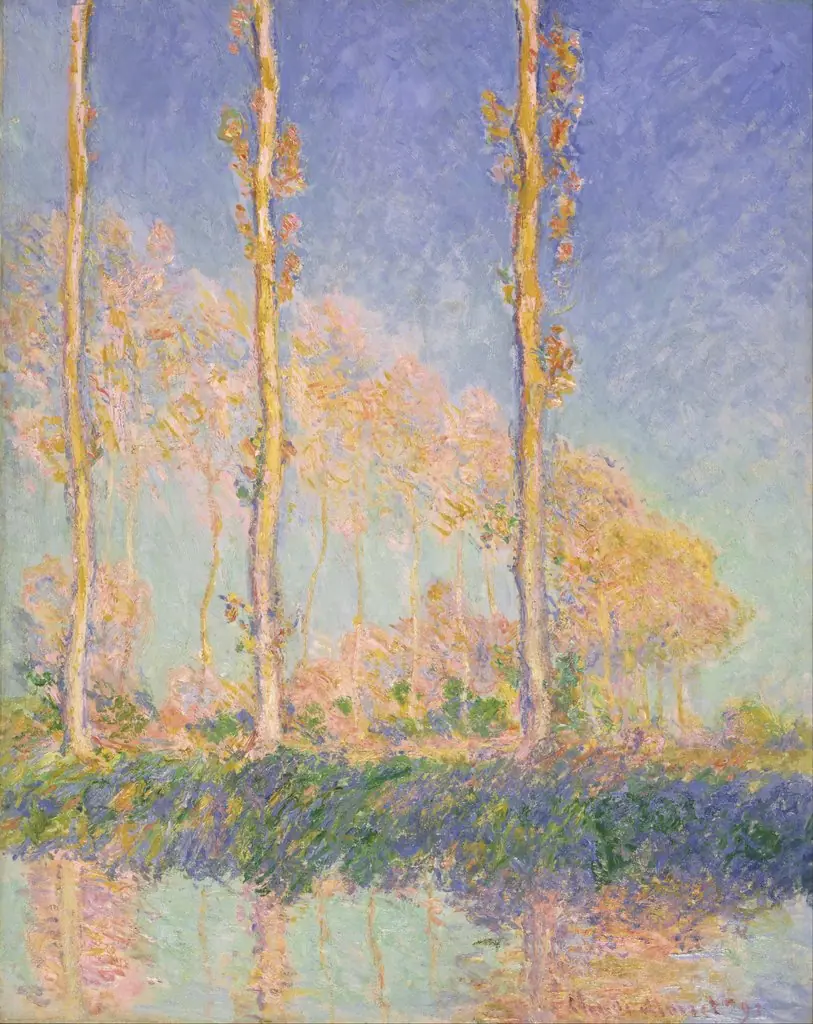
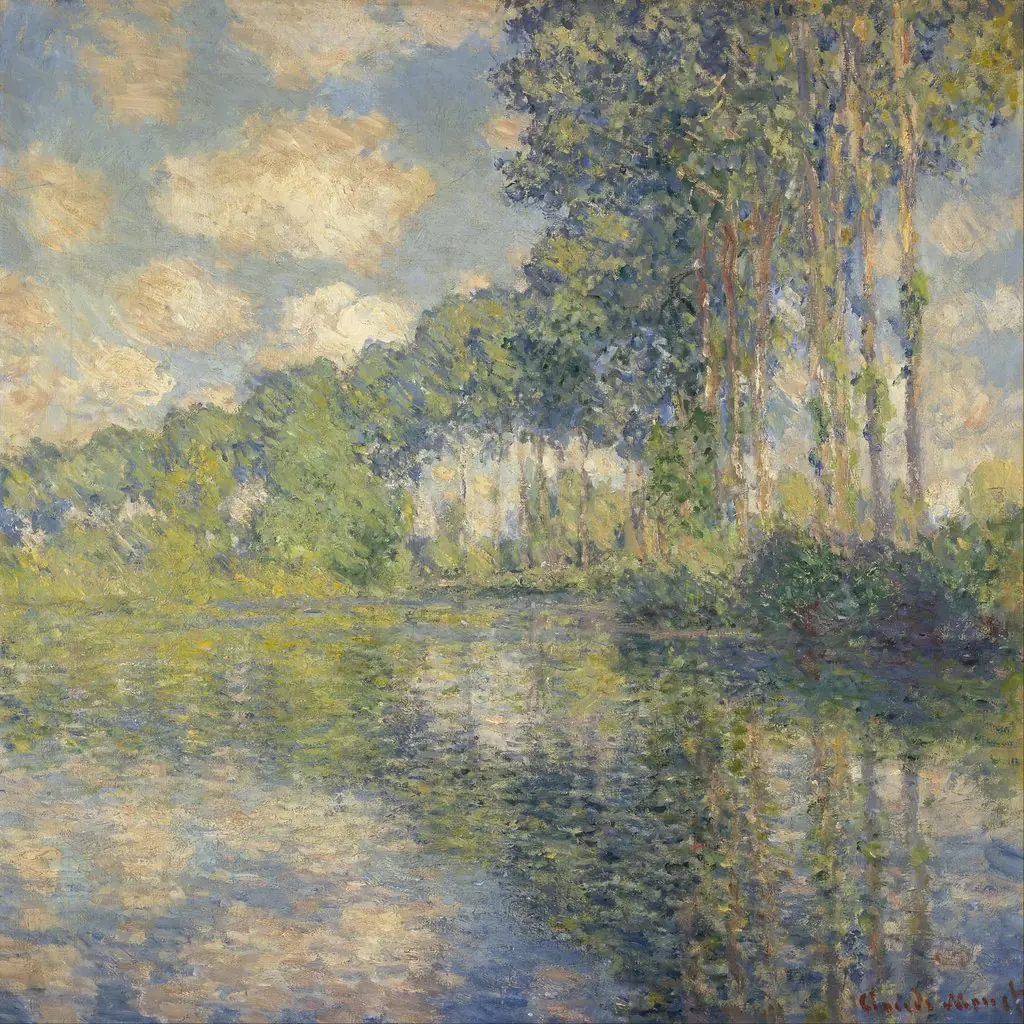
Poplars on the Bank of the Epte River is an oil painting by the Impressionist artist Claude Monet. It dates from 1896 and is held in the collection of the Philadelphia Museum of Art. Painted in 1896, this oil on canvas depicts a row of poplar trees lining the Epte River in northern France.
About this work
Overview
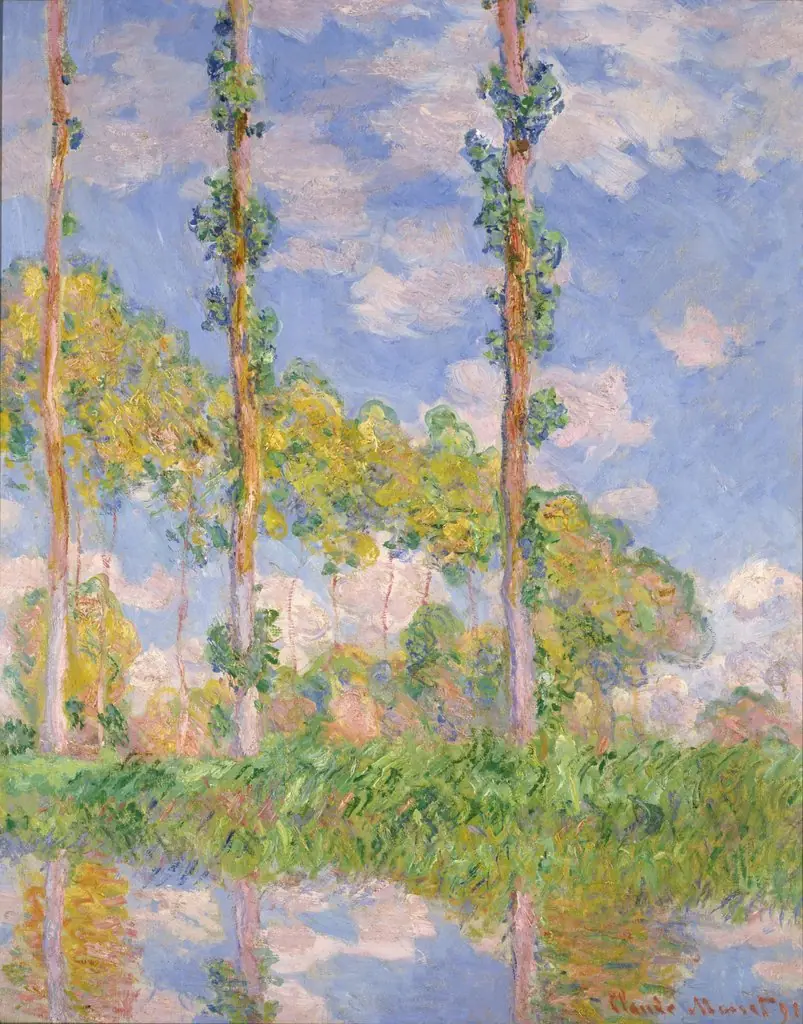
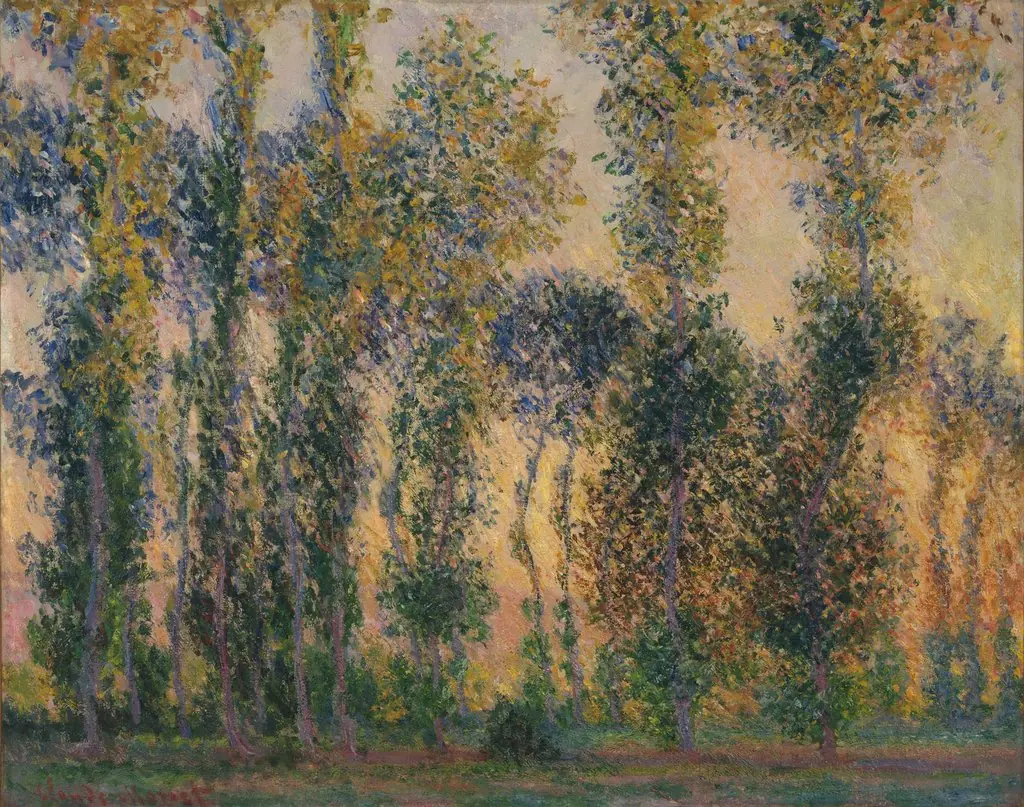
The work is part of a series Monet produced during that year, focusing on the same trees under varying light and seasonal conditions.
Painted in 1896, this oil on canvas depicts a row of poplar trees lining the Epte River in northern France. The work is part of a series Monet produced during that year, focusing on the same trees under varying light and seasonal conditions. It is now held in the collection of the Philadelphia Museum of Art, where it continues to reflect the artist’s sustained interest in natural phenomena and transient effects.
Subject & Meaning
The poplars, tall and vertically aligned, frame a quiet stretch of water, their trunks rising like sentinels along the riverbank. Monet was drawn to their rhythmic repetition and the way their leaves responded to wind and light. The scene holds no human presence, emphasizing nature’s quiet autonomy. The painting suggests a meditation on impermanence, as the trees’ seasonal hues shift with the passing day and weather.
Technique & Style
Monet applied paint in rapid, broken strokes, layering hues of pink, orange, and pale green to capture the play of sunlight through foliage. The water’s surface mirrors the trees’ colors with softened, blurred reflections, enhancing spatial depth. His brushwork avoids definition, instead suggesting movement through color modulation and texture. The result is an impression of atmosphere rather than a literal representation of form.
History & Provenance
Monet painted this series during a period of intense focus on the Epte River, near his home in Giverny. He worked on multiple canvases simultaneously, moving between them as light changed throughout the day. The painting entered the Philadelphia Museum of Art’s collection in 1928, acquired from a private European collection, and has remained a key example of his late Impressionist practice.
Context
In the mid-1890s, Monet was deeply engaged in serial studies—painting the same subject under different conditions. The poplar series followed his earlier work on haystacks and Rouen Cathedral, reflecting his commitment to observing how light alters perception. This approach aligned with broader artistic and scientific interests in optics and sensory experience during the late 19th century.
Legacy
The Epte River poplars series contributed to the evolution of landscape painting by prioritizing sensory experience over narrative or topographical accuracy. Monet’s method influenced later movements that explored abstraction through color and gesture. While not widely exhibited at the time, the series is now recognized as a pivotal moment in his exploration of perception and the ephemeral qualities of nature.
Artist & collection
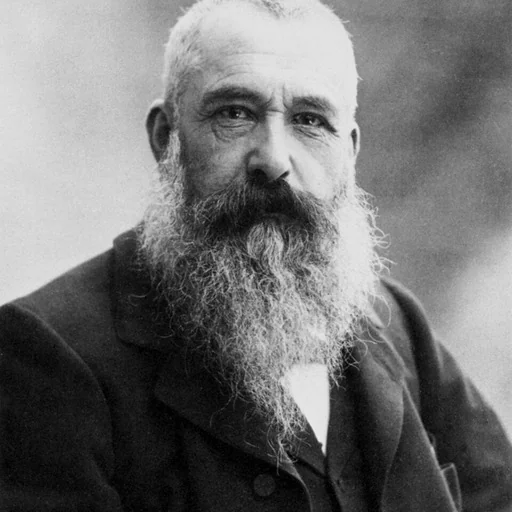
Artist
Oscar-Claude Monet was born in Paris on November 14, 1840, and raised from the age of five in Le Havre, where he began selling charcoal caricatures as a teenager.