Artwork
Le printemps à travers les branches
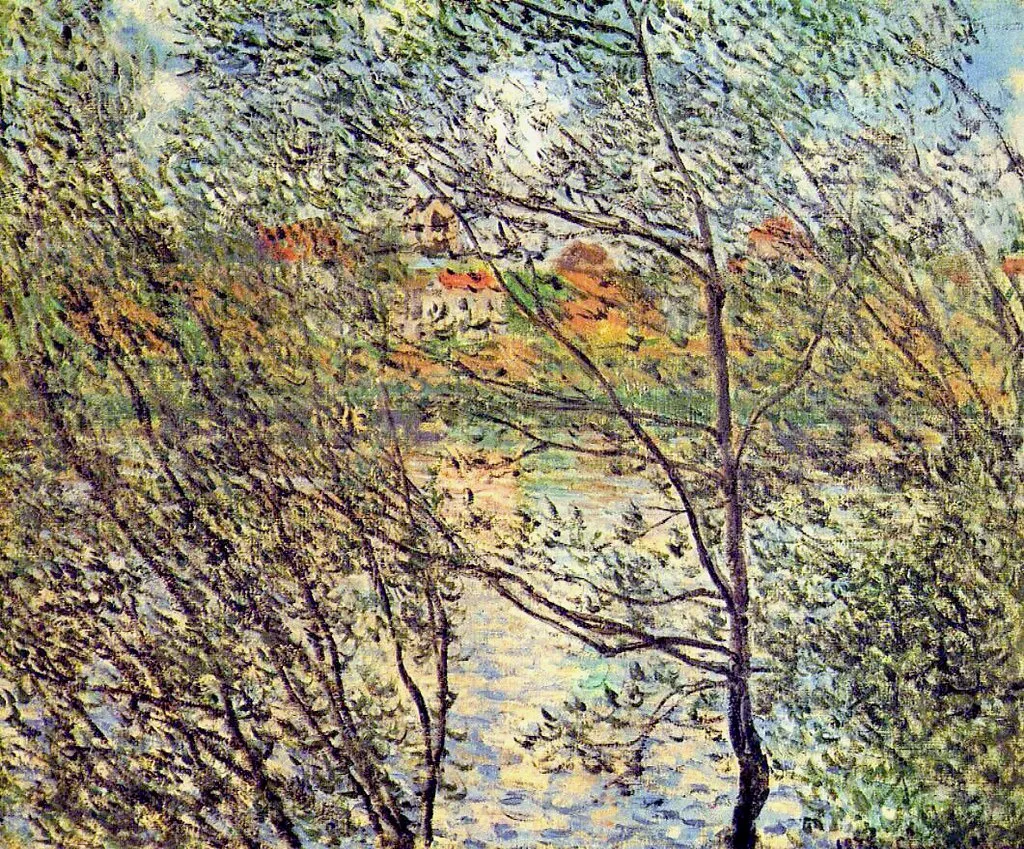
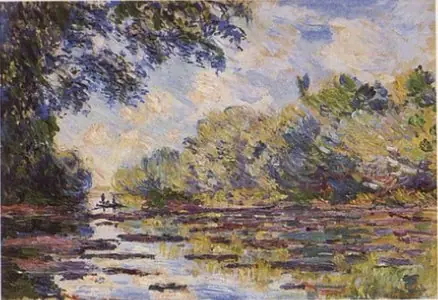
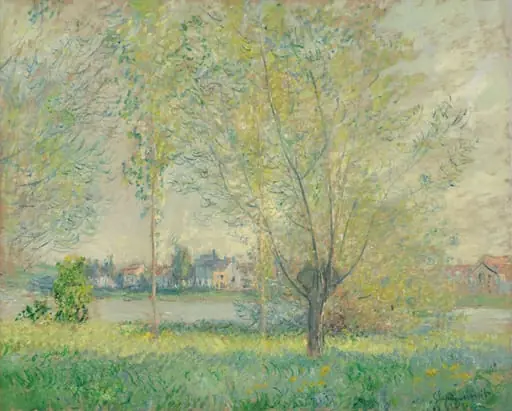
Le printemps à travers les branches is an oil painting by the Impressionist artist Claude Monet. It dates from 1890 and is held in the collection of the Musée Marmottan Monet.
About this work
Overview
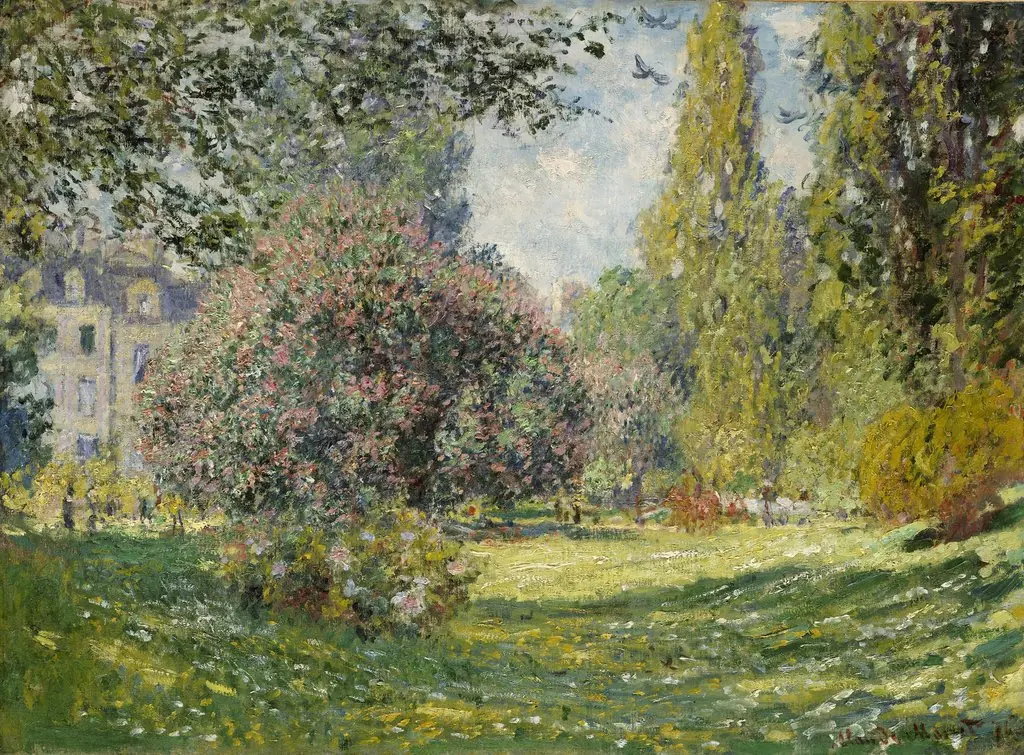
Painted in 1890, Le printemps à travers les branches is an oil-on-canvas work by Claude Monet. It captures a quiet rural scene along what is likely the Seine River, rendered with the loose, luminous brushwork typical of his later period. The painting resides in the Musée Marmottan Monet in Paris, part of a collection focused on the artist’s personal holdings and late works.
Subject & Meaning
The scene presents springtime through a screen of budding branches, framing a distant river and modest buildings. There is no human presence, emphasizing nature’s quiet renewal. The composition invites contemplation of seasonal change, not as a dramatic event but as a gentle, ongoing rhythm—consistent with Monet’s interest in transient atmospheric conditions and the passage of time.
Technique & Style
Monet applied thin layers of oil paint with visible, broken strokes to suggest light filtering through leaves and reflecting off water. Soft pastel hues—pale greens, blues, and lavenders—dominate, avoiding sharp outlines. The brushwork is deliberate yet fluid, capturing the flicker of daylight without detail, aligning with Impressionist principles of perception over precision.
History & Provenance
The painting remained in Monet’s personal collection until his death in 1926. It was later inherited by his son Michel, who donated a significant portion of the family’s holdings to the Musée Marmottan Monet in 1966. This work has been part of the museum’s permanent collection since then, rarely exhibited outside its Paris home.
Context
Created during Monet’s mature phase, this work reflects his deepening focus on intimate, recurring landscapes near Giverny. While contemporaries explored urban subjects, Monet returned to the riverbanks and gardens he knew intimately. The painting belongs to a series of spring scenes he painted between 1885 and 1895, each exploring light and foliage from slightly different vantage points.
Legacy
Le printemps à travers les branches exemplifies Monet’s late commitment to observing nature’s subtleties. Though less celebrated than his water lilies, such works influenced later artists seeking to convey mood through color and texture rather than narrative. Its quiet presence in the Marmottan collection continues to offer insight into his evolving vision of the natural world.
Artist & collection
Artist
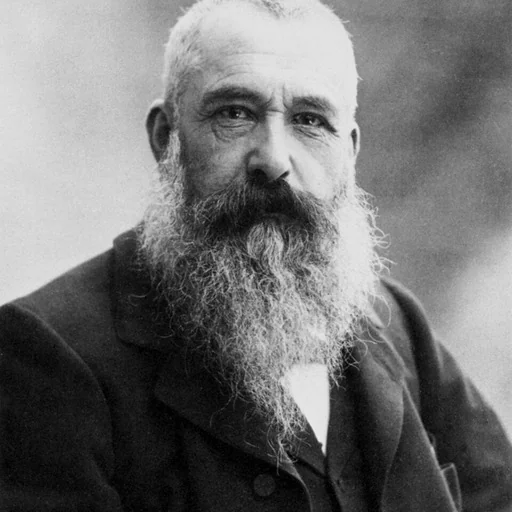
Oscar-Claude Monet was born in Paris on November 14, 1840, and raised from the age of five in Le Havre, where he began selling charcoal caricatures as a teenager.