Artwork
Saule pleureur et bassin aux nymphéas (Wildenstein 1848)
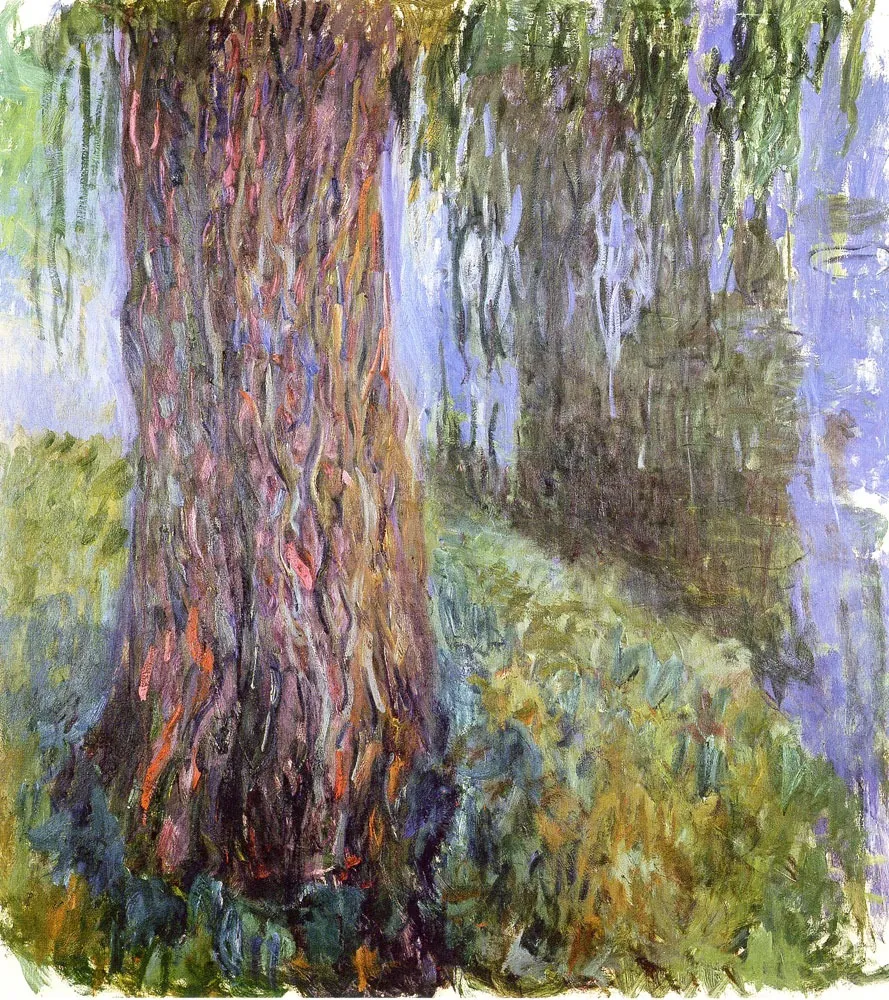
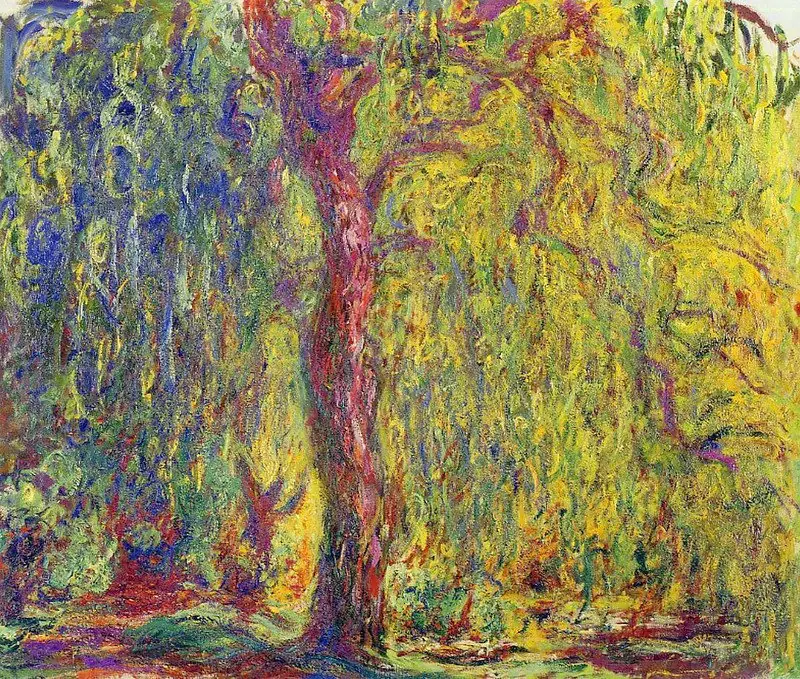
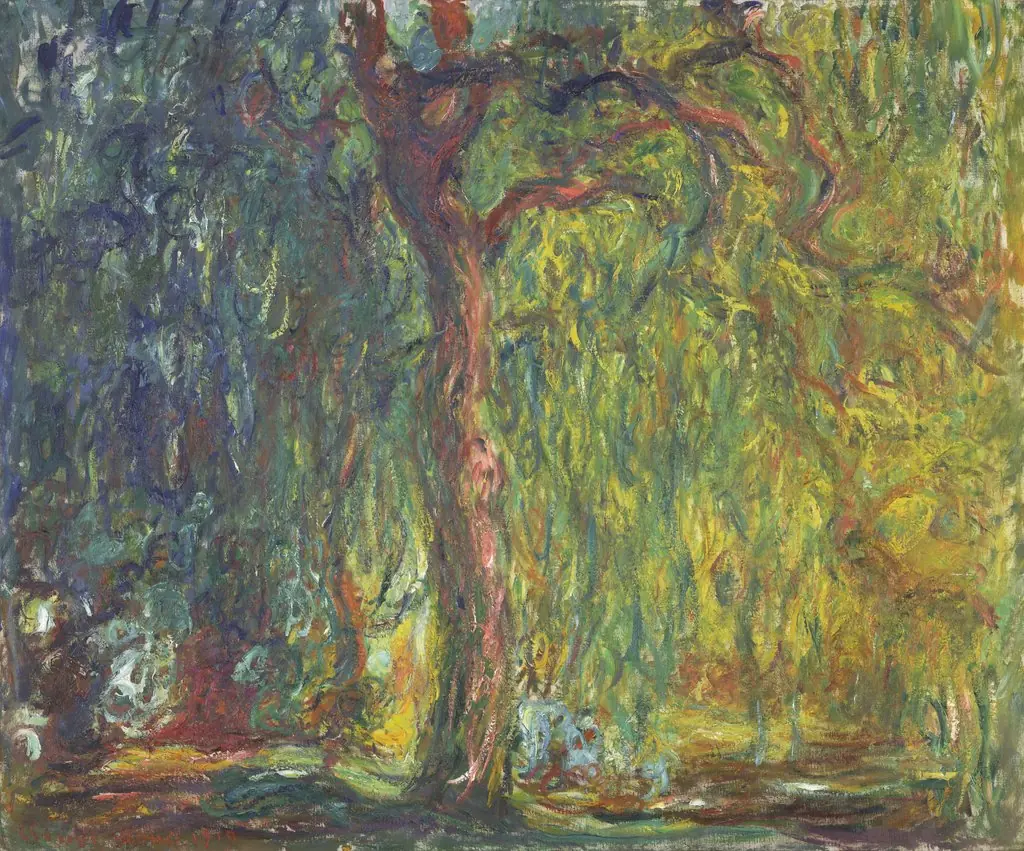
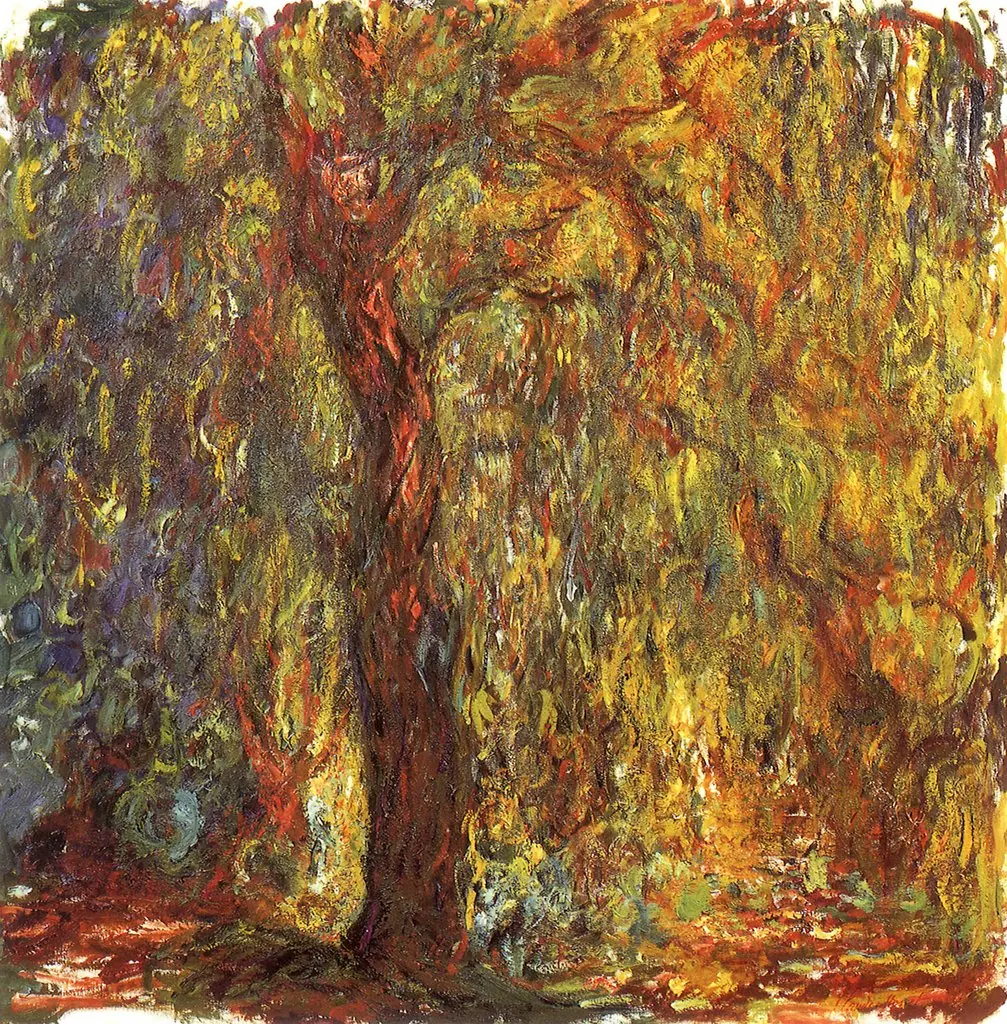
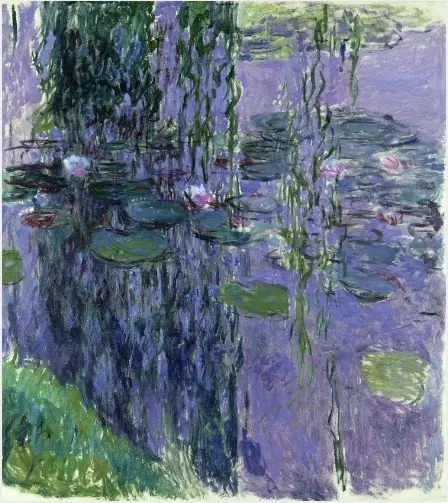
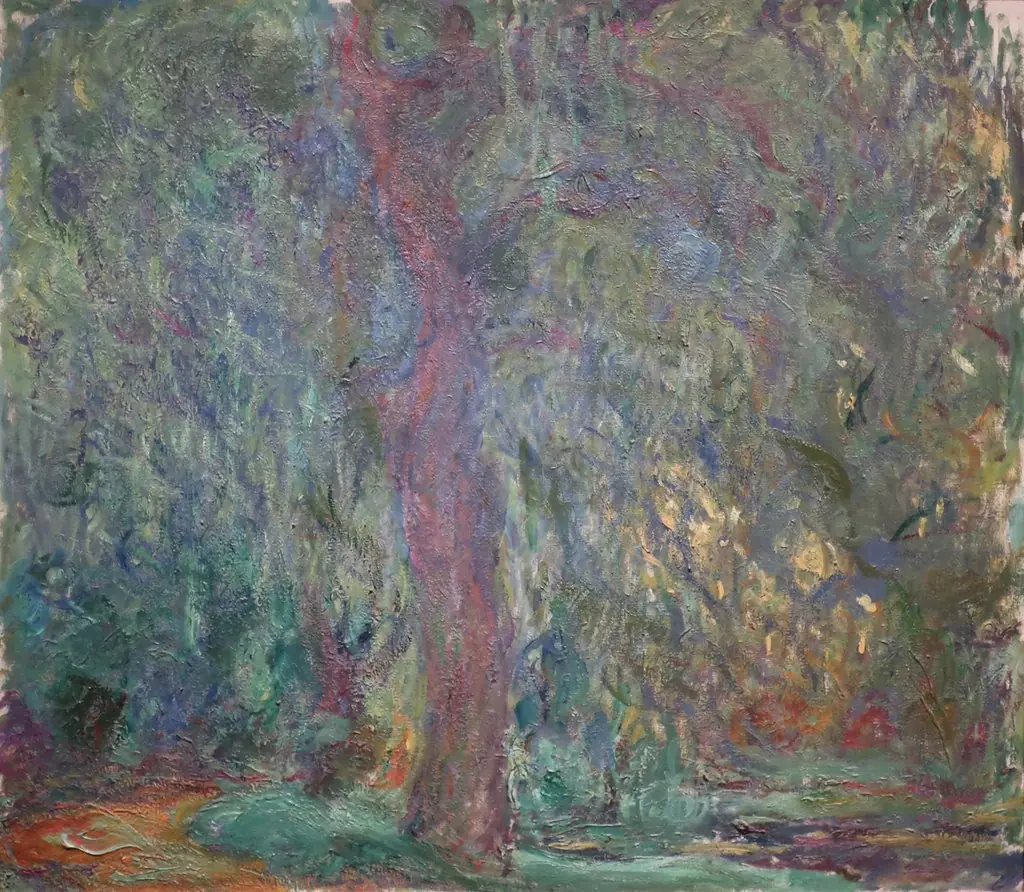
Saule pleureur et bassin aux nymphéas (Wildenstein 1848) is an oil painting by the Impressionist artist Claude Monet. It dates from 1917 and is held in the collection of the Musée Marmottan Monet.
About this work
Overview
Claude Monet’s oil on canvas, titled “Saule pleureur et bassin aux nymphéas (Wildenstein 1848),” was completed in 1917. The work is part of the permanent collection of the Musée Marmottan Monet in Paris, where it is displayed among the artist’s later water‑lily series.
Subject & Meaning
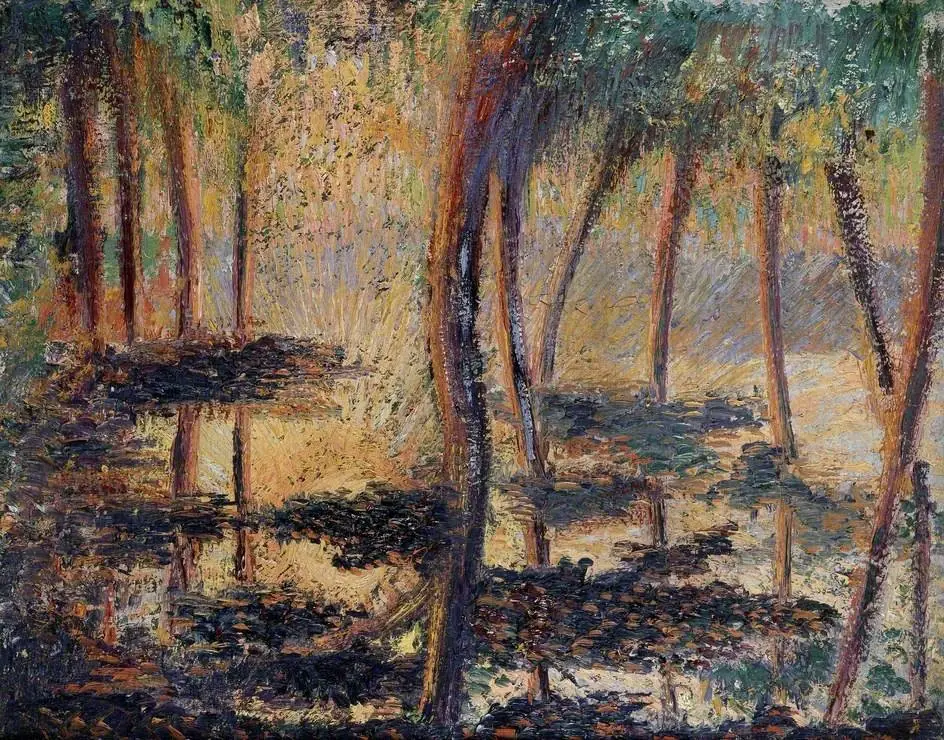
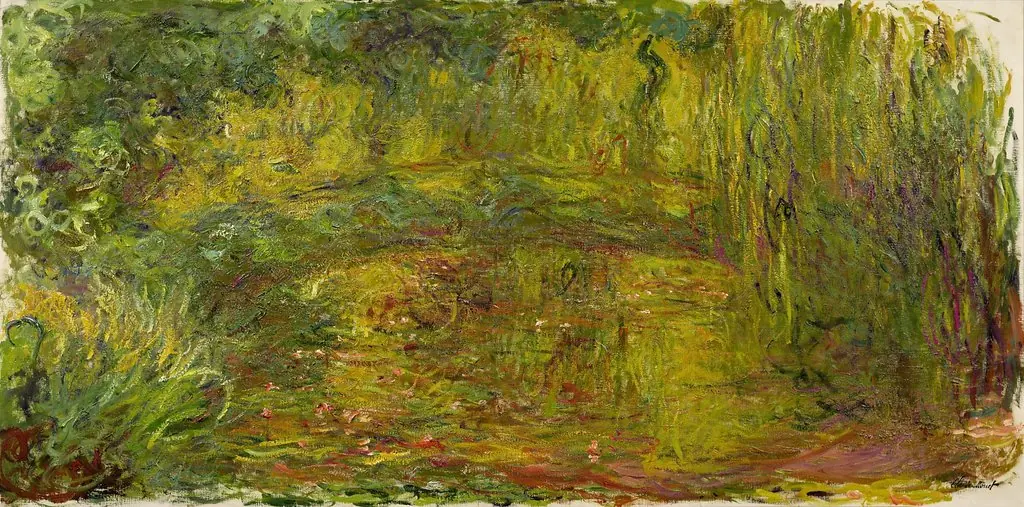
The composition centers on a weeping willow whose trunk dominates the foreground, while a tranquil pool of water reflects the surrounding foliage. The muted palette and soft horizon suggest a quiet, contemplative atmosphere, inviting viewers to linger in the gentle interplay of light and shadow.
Technique & Style
Monet employs loose, expressive brushwork that blurs the tree bark into shades of brown, red, and occasional violet, while the sky and distant greenery dissolve into blue tones. This handling of paint emphasizes movement and the fleeting quality of natural light, hallmarks of his late Impressionist approach.
History & Provenance
The painting entered the Wildenstein collection, catalogued as number 1848, before being acquired by the Musée Marmottan Monet. Its provenance traces a typical path for Monet’s late works, moving from private European collectors to public institutions dedicated to his oeuvre.
Context
Created during the final years of Monet’s life, the work reflects his sustained fascination with water‑lily subjects and the surrounding Giverny landscape. By 1917, Monet’s focus had shifted toward increasingly abstracted depictions of nature, emphasizing color and atmosphere over precise detail.
Artist & collection
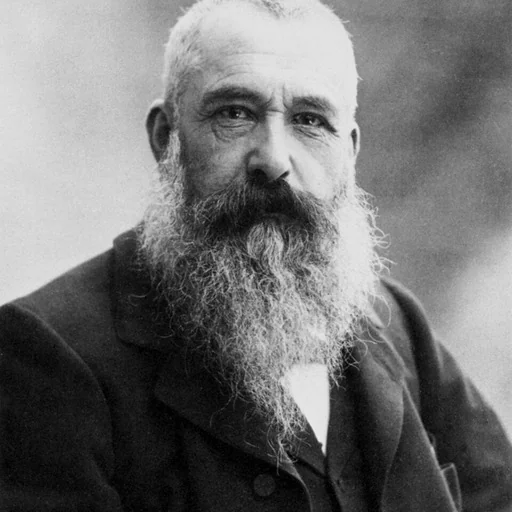
Artist
Oscar-Claude Monet was born in Paris on November 14, 1840, and raised from the age of five in Le Havre, where he began selling charcoal caricatures as a teenager.