Artwork
Tête de femme
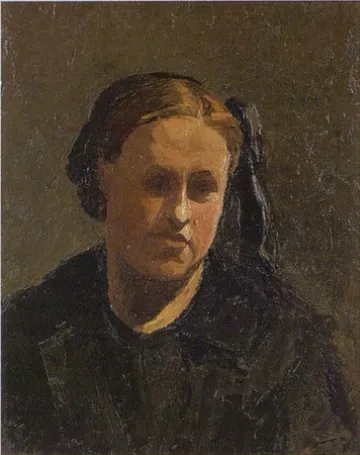
Tête de femme is an oil painting by the Realist artist Claude Monet. It dates from 1862 and is held in the collection of the Musée Marmottan Monet.
About this work
Overview
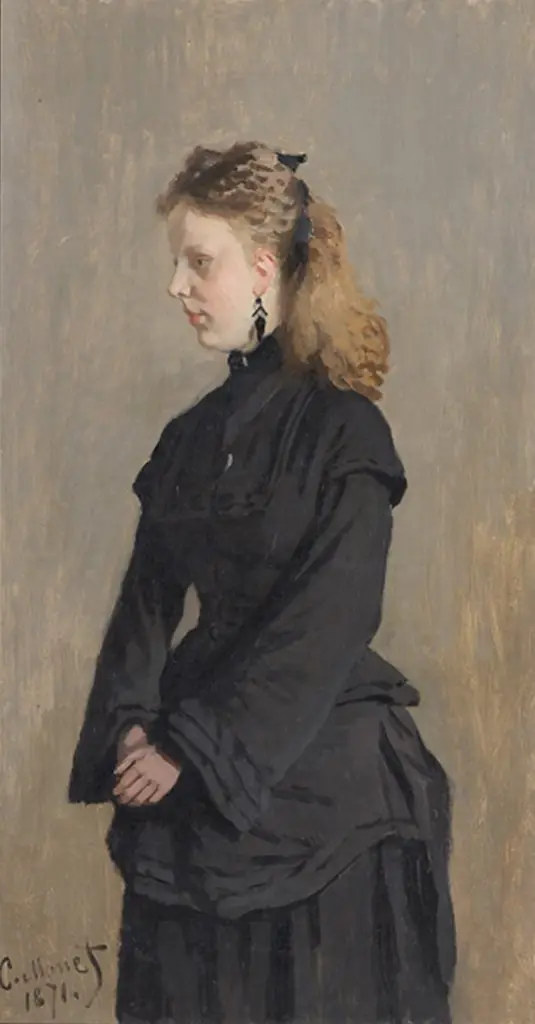
Claude Monet’s early work, titled Tête de femme, is an oil painting executed in 1862. The canvas measures a modest size and is part of the collection at the Musée Marmottan Monet in Paris. Though created before Monet’s mature Impressionist period, the piece already displays his careful handling of light and form.
Subject & Meaning
The composition presents a solitary woman dressed in a dark gown, her head covered by a modest veil. She is set against a uniformly dark brown backdrop, which isolates her figure and draws attention to her facial features. The solemn attire and restrained palette suggest a private, perhaps contemplative, portrait rather than a narrative scene.
Technique & Style
Monet employs a layered glazing technique, building thin, translucent washes of oil to model the woman's face. Subtle contrasts of light and shadow create a three‑dimensional illusion, while the limited color range emphasizes tonal variation over chromatic richness. The careful rendering of texture in the veil and dress hints at the artist’s developing interest in atmospheric effects.
History & Provenance
Created when Monet was in his early twenties, the painting remained in private hands before entering the Musée Marmottan Monet’s holdings in the 20th century. Its accession reflects the museum’s focus on early works by Monet, offering insight into the formative stage of a painter who would later redefine modern art.
Artist & collection
Artist
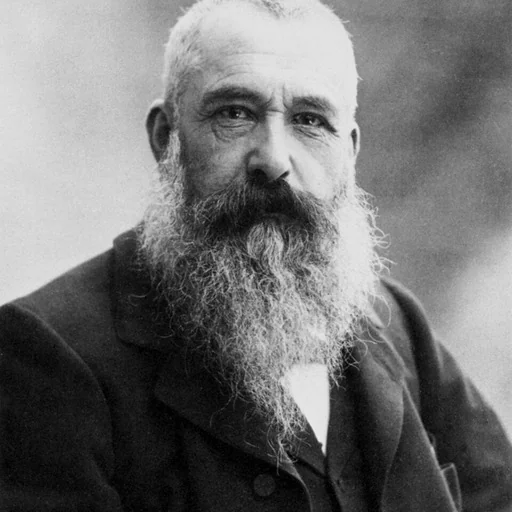
Oscar-Claude Monet was born in Paris on November 14, 1840, and raised from the age of five in Le Havre, where he began selling charcoal caricatures as a teenager.


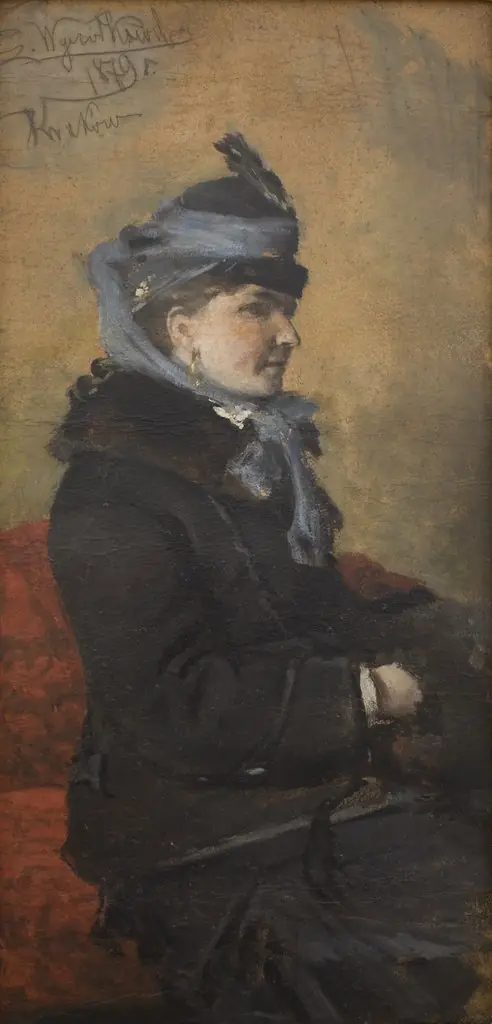 Portrait of a Woman
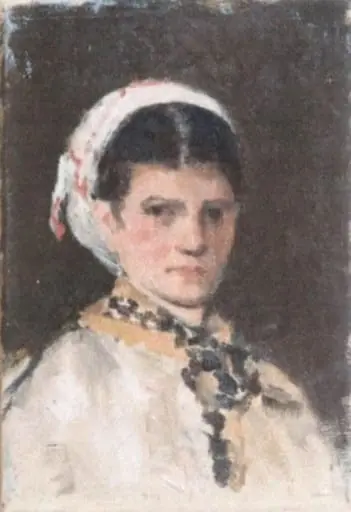 Cap de țărancă
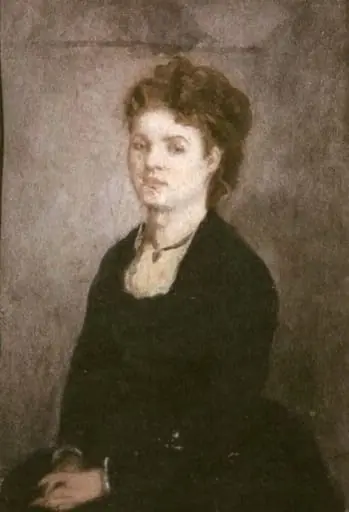 Portret de femeie
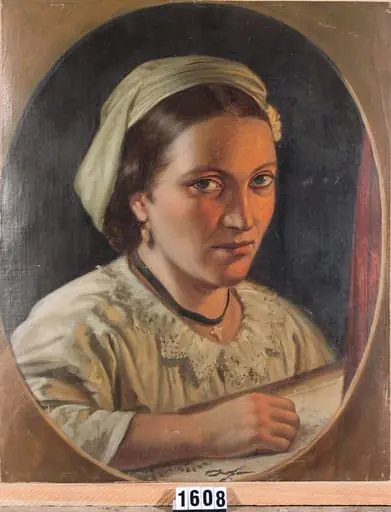 Elena Ioan Popp Moldovan, mama pictorului Mișu Popp
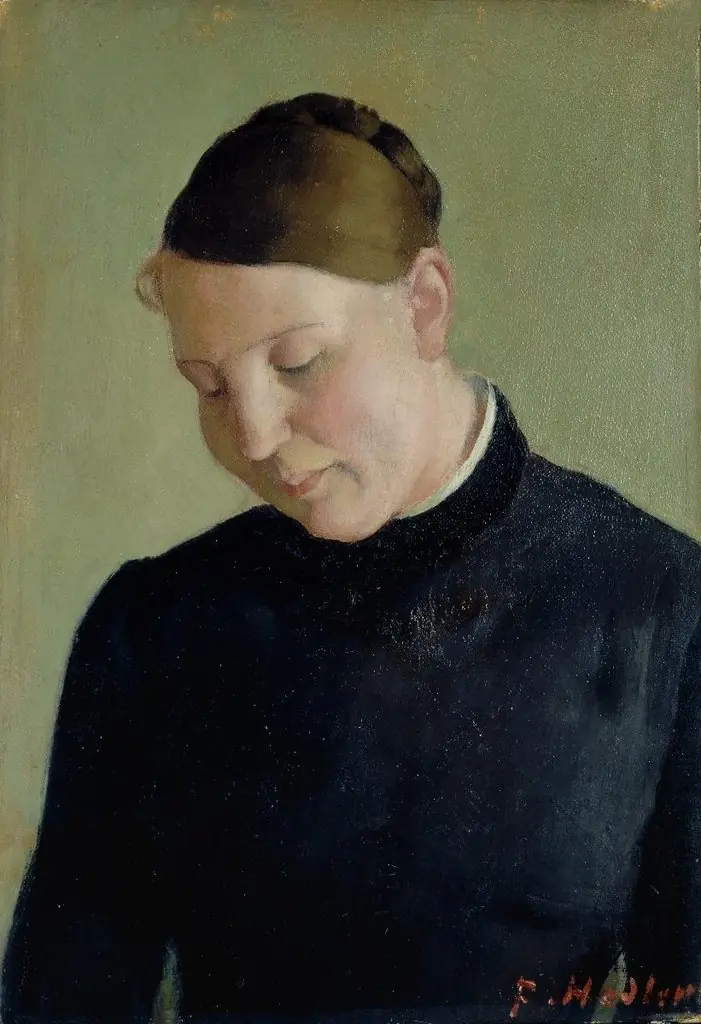 Bildnis einer Unbekannten. Frau, der Predigt zuhörend
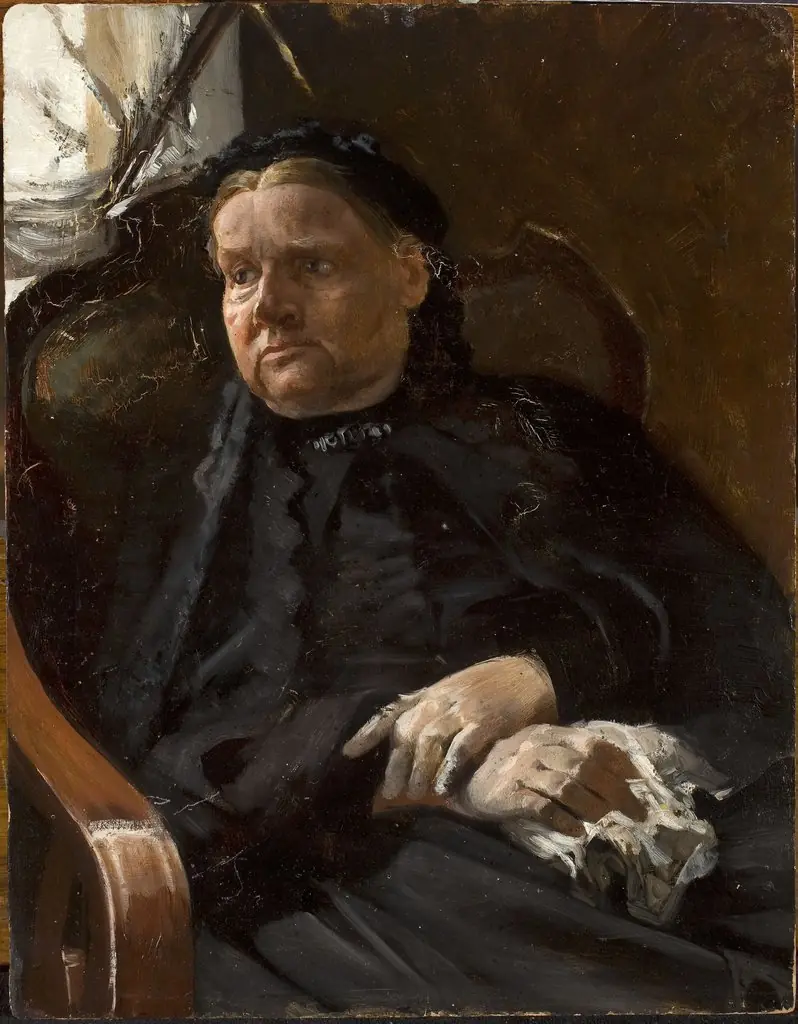 Portrait of artist’s mother
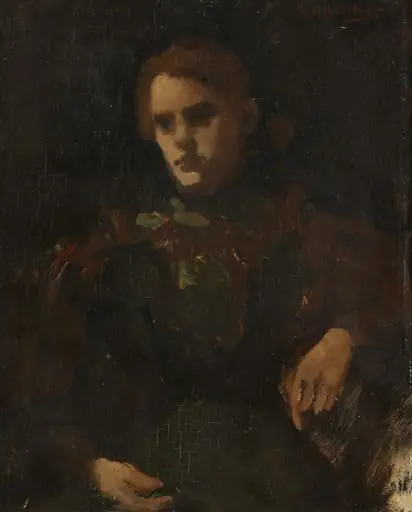 Study after the Model (Geesje Kwak?)
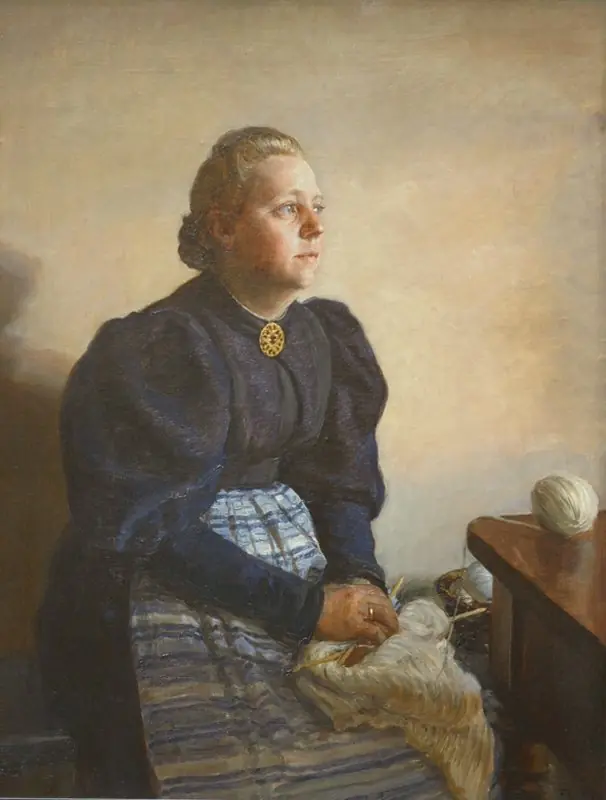 Betty Jerndorff, f. Matthison-Hansen, kunstnerens hustru
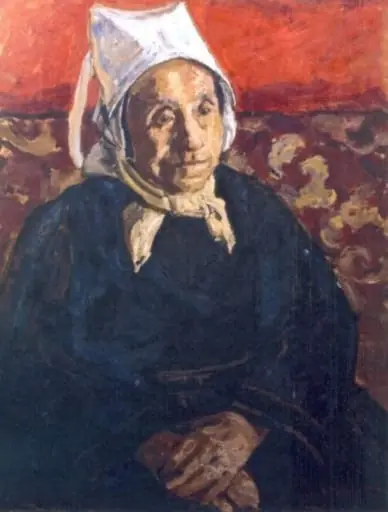 Bătrână din Finistère
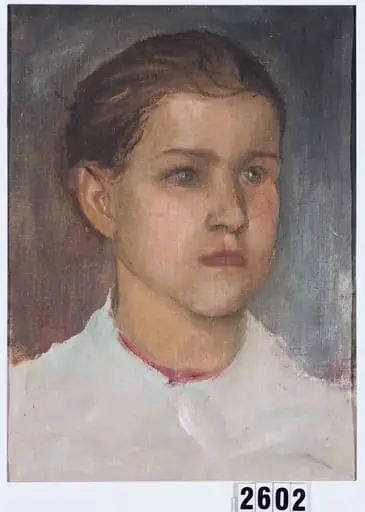 Portret de fată
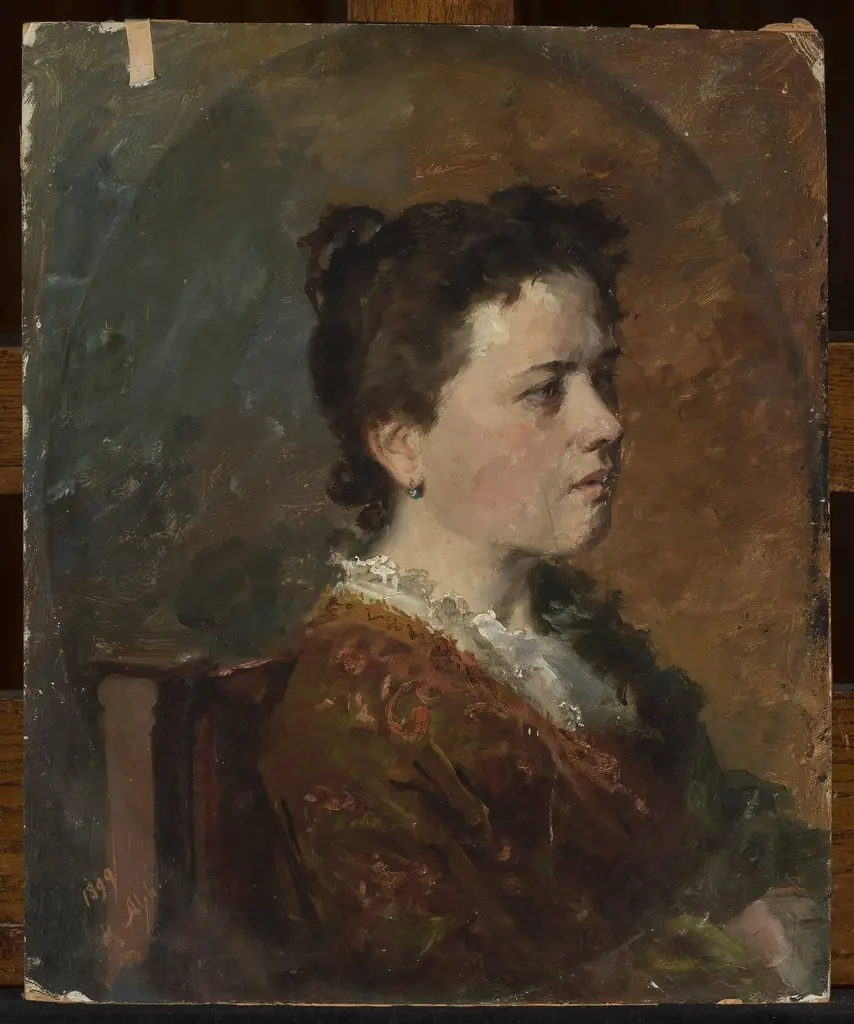 Portrait of a young woman, study
 Portrait of Guurtje Van de Stadt