Artwork
Vue de Giverny
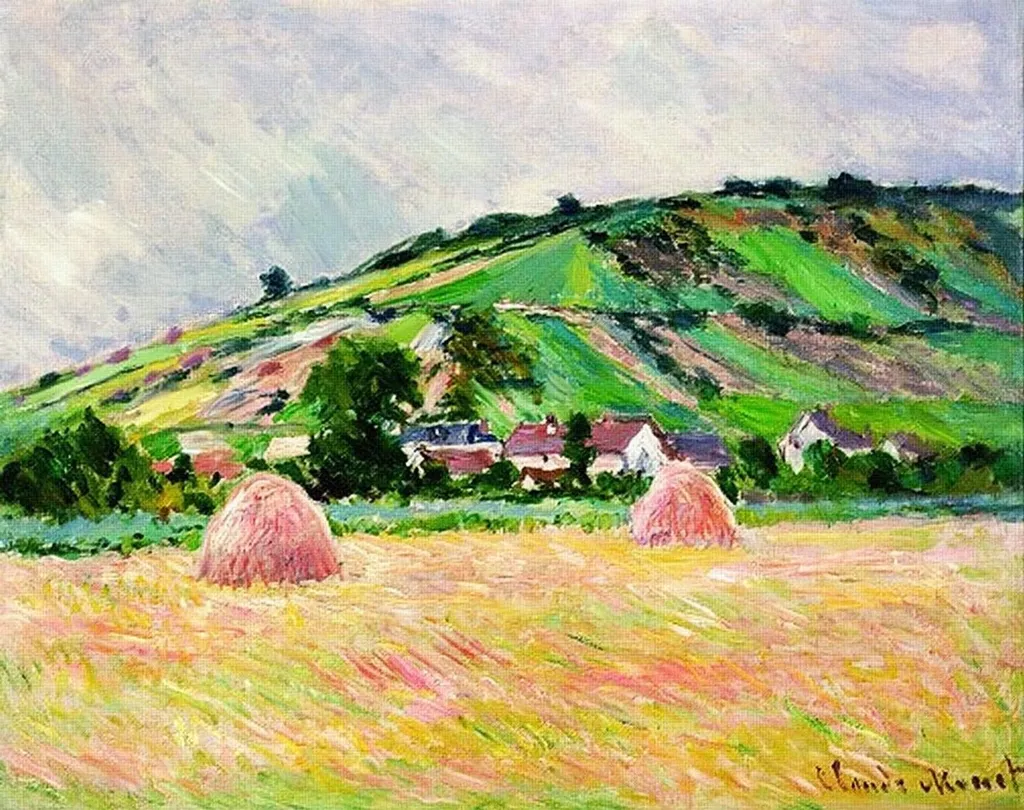
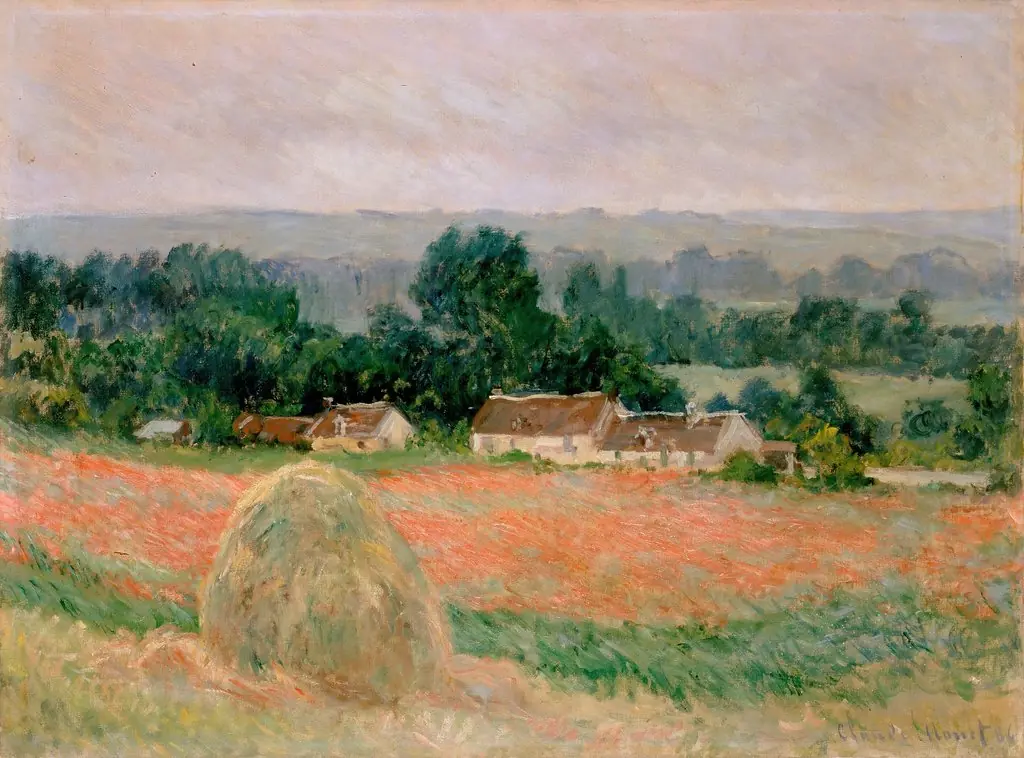
Vue de Giverny is an oil painting by the Impressionist artist Claude Monet. It dates from 1894 and is held in the collection of the Tehran Museum of Contemporary Art.
About this work
Overview
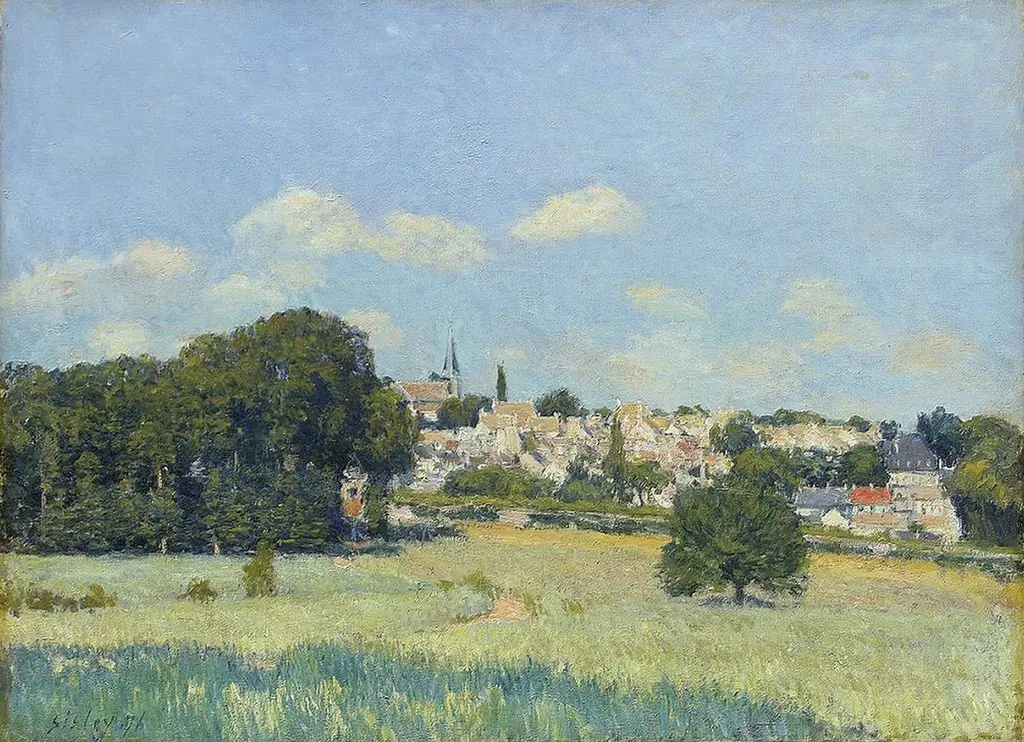
The work presents a quiet, sunlit view of fields, hills, and a modest village, rendered with loose brushwork and a restrained palette.
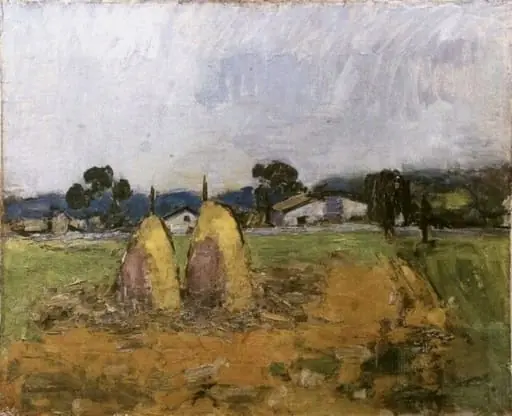
Painted in 1894, Vue de Giverny is an oil-on-canvas landscape by Claude Monet, capturing the rural scenery near his home in Normandy. It belongs to the Tehran Museum of Contemporary Art’s collection. The work presents a quiet, sunlit view of fields, hills, and a modest village, rendered with loose brushwork and a restrained palette. Its composition avoids dramatic focal points, instead inviting contemplation of everyday rural life.
Subject & Meaning
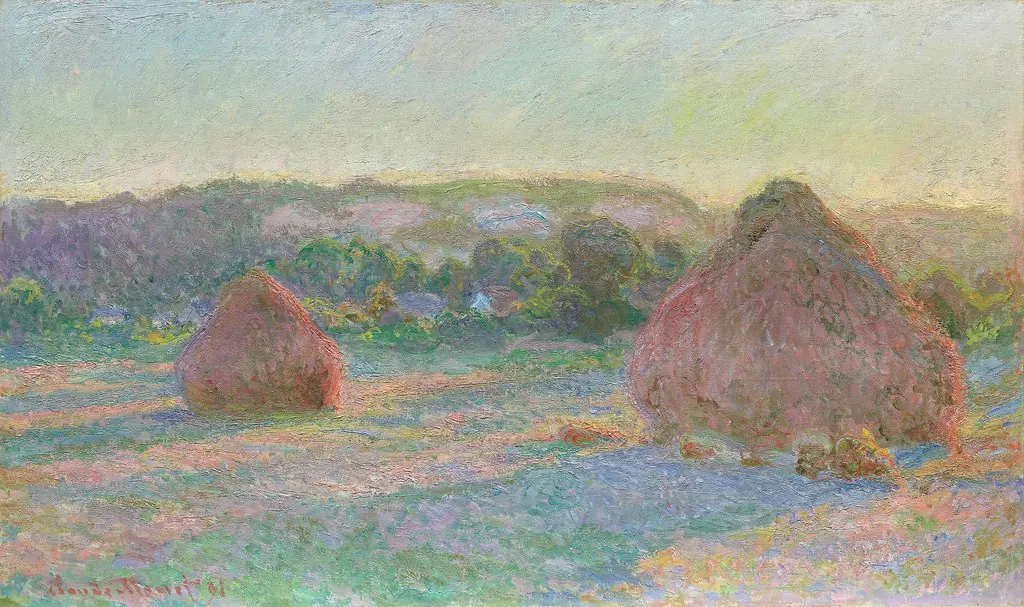
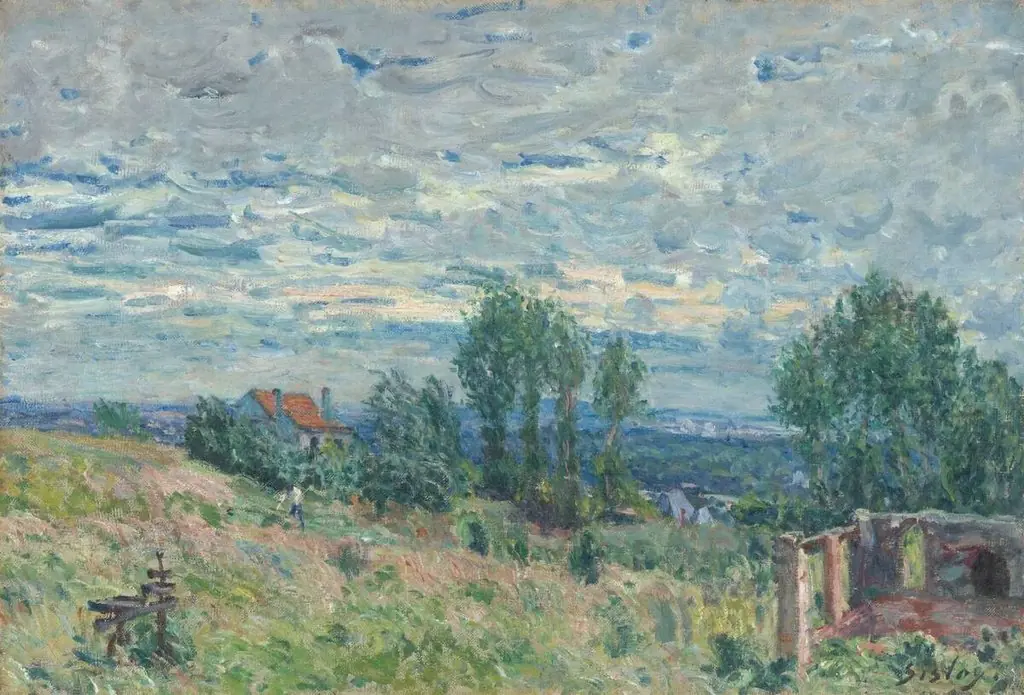
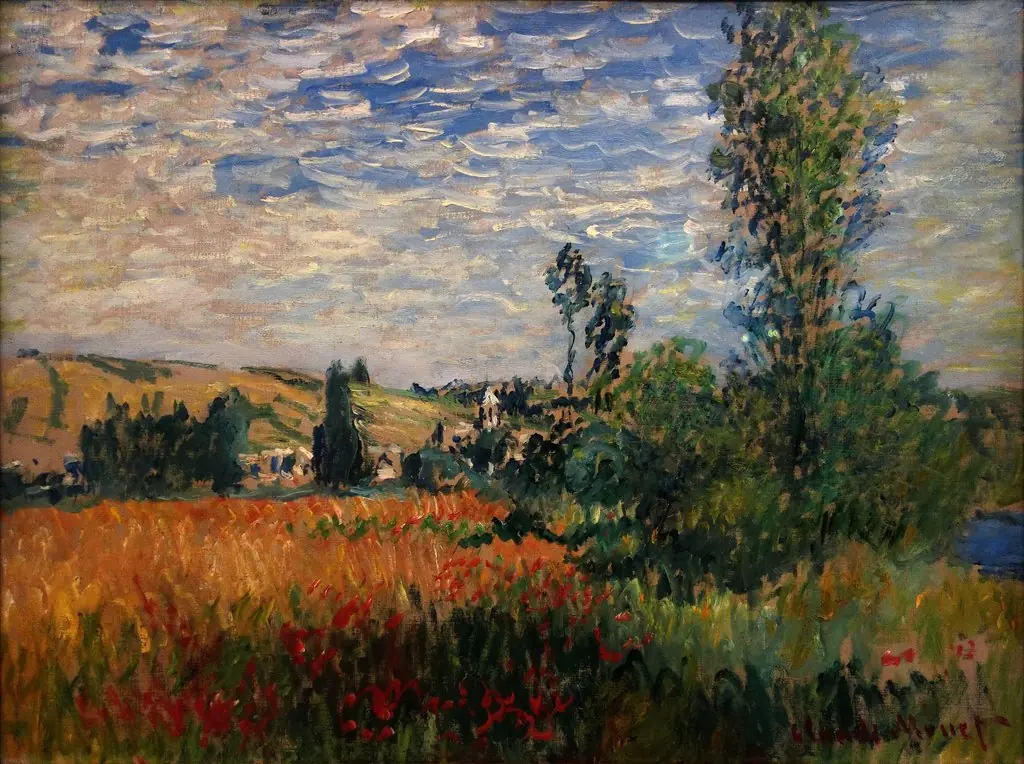
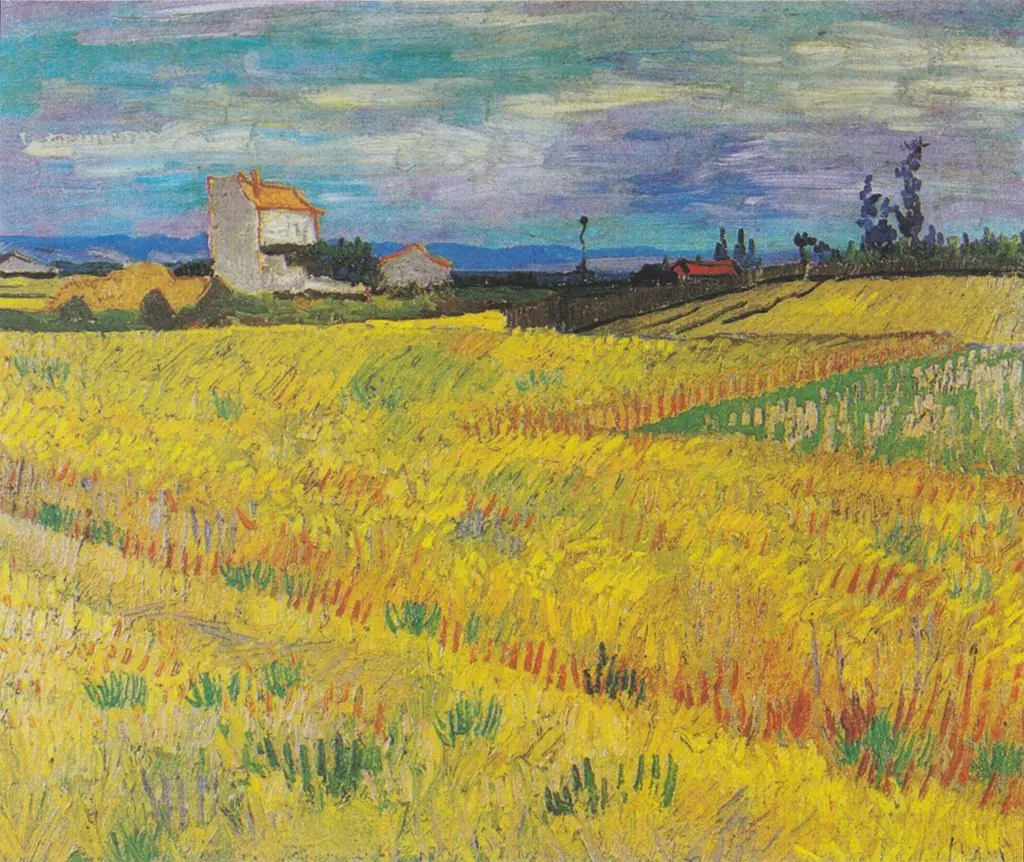
The scene depicts Giverny’s countryside, featuring two rounded haystacks in a field, white-walled houses with red-tiled roofs, and undulating hills dotted with trees. These elements reflect Monet’s deep familiarity with the region and his interest in the rhythms of agricultural life. The absence of human figures emphasizes solitude and stillness, suggesting a meditation on nature’s quiet endurance rather than narrative or symbolism.
Technique & Style
Monet applied oil paint in broken, visible strokes that suggest form through color variation rather than precise outline. The palette favors muted greens, soft yellows, and pale pinks, with light blue skies and wisps of white cloud. Brushwork is fluid and unpolished, characteristic of Impressionist practice, capturing shifting light and atmospheric texture without idealizing the landscape’s details.
History & Provenance
Created during Monet’s mature period, the painting remained in private hands until acquired by the Tehran Museum of Contemporary Art in the 1970s, likely through the Pahlavi dynasty’s art acquisitions. Its presence in Tehran reflects a broader mid-20th-century effort to build a global modern art collection. The work has remained in Iran since, with limited public exposure outside the region.
Context
Painted in the mid-1890s, this work aligns with Monet’s ongoing exploration of rural landscapes around Giverny, following his series of haystacks and water lilies. While contemporaries like Cézanne and Seurat pursued structural or scientific approaches, Monet continued to prioritize transient effects of light and seasonal change. This painting reflects his commitment to observing the ordinary with sustained attention.
Legacy
Vue de Giverny contributes to the broader understanding of Monet’s later landscapes, demonstrating his consistent focus on place and perception. Though less widely exhibited than his water lily series, it exemplifies his ability to convey tranquility through color and brushwork. Its location in Tehran underscores the global reach of Impressionism, even in regions where such works remain underrepresented in Western scholarship.
Artist & collection
Artist
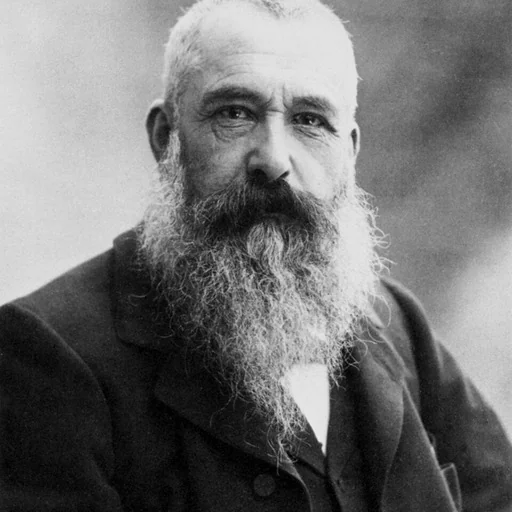
Oscar-Claude Monet was born in Paris on November 14, 1840, and raised from the age of five in Le Havre, where he began selling charcoal caricatures as a teenager.