Artwork
Vue de Marly-le-Roi, effet de soleil
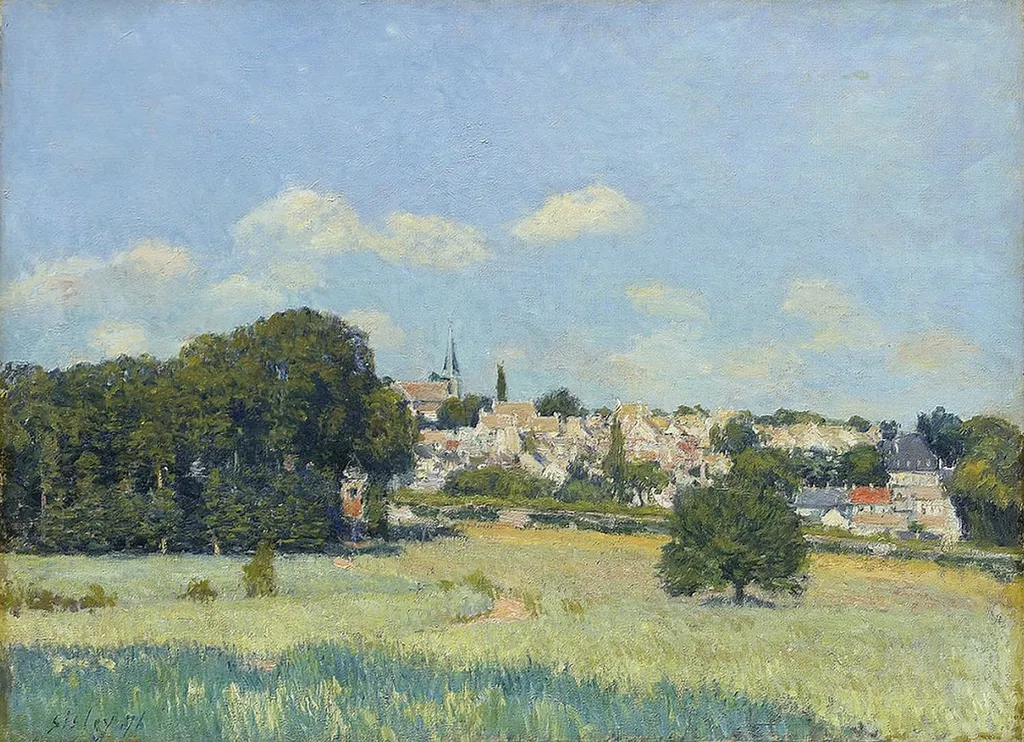
Vue de Marly-le-Roi, effet de soleil is an unspecified painting by the Impressionist artist Alfred Sisley. It dates from 1888 and is held in the collection of the Art Gallery of Ontario.
About this work
Overview
Unlike many of his contemporaries, Sisley avoided narrative or human figures, focusing instead on the quiet interplay of land, sky, and atmosphere.
Painted in 1888, *Vue de Marly-le-Roi, effet de soleil* is a landscape by Alfred Sisley, a British-born artist who lived and worked in France. It exemplifies his lifelong commitment to painting outdoors, capturing the subtle shifts of natural light in rural settings. Unlike many of his contemporaries, Sisley avoided narrative or human figures, focusing instead on the quiet interplay of land, sky, and atmosphere.
Subject & Meaning
The painting portrays the village of Marly-le-Roi under midday sun, with its rooftops and church spire softly outlined against a clear blue sky. A broad expanse of sunlit grass stretches forward, broken by scattered trees and patches of shadow. The scene conveys stillness and order, not as an idealized vision, but as a direct observation of a familiar place at a specific moment in time.
Technique & Style
Sisley applied thin, broken brushstrokes to render the play of light across grass, foliage, and rooftops. His palette favors muted greens, ochres, and soft blues, with minimal contrast to preserve the luminous quality of daylight. He avoided strong chiaroscuro, instead using tonal gradations to suggest depth and volume, aligning with Impressionist principles of optical realism over dramatic modeling.
History & Provenance
Created during Sisley’s later years, the work belongs to a series of views of Marly-le-Roi he painted between 1870 and 1890. Though financially strained, he continued to produce landscapes without seeking commercial appeal. The painting remained in private hands until entering a public collection, where it is now preserved as a representative example of his sustained engagement with the French countryside.
Context
In the late 1880s, Impressionism was gaining institutional recognition, yet Sisley remained on its margins, neither embraced by the avant-garde nor by the academy. He painted the same rural locales repeatedly, not as a tourist but as a resident attuned to seasonal and daily changes. This work reflects a quiet resistance to urbanization and industrialization, valuing the persistence of rural tranquility.
Legacy
Sisley’s dedication to landscape, unadorned and untheatrical, influenced later generations of painters who valued observational integrity over spectacle. While less celebrated than Monet or Renoir in his time, his consistent focus on light and place has earned him recognition as a quiet but essential voice in the development of modern landscape painting.
Own this work as a print
Artist & collection
Artist
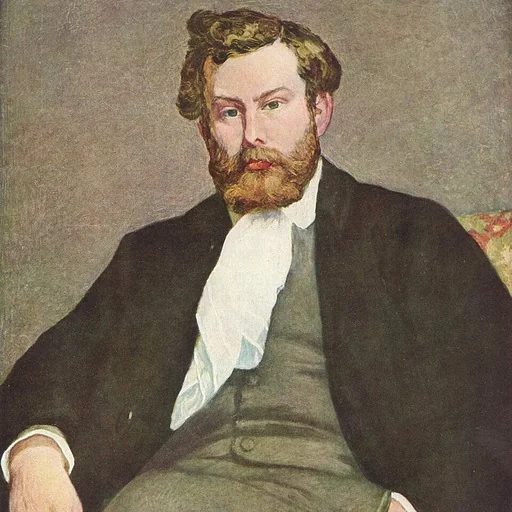
Alfred Sisley (; French: ; 30 October 1839–29 January 1899) was a French-Born British Impressionist landscape painter who was born to British parents, but spent most of his life in France.

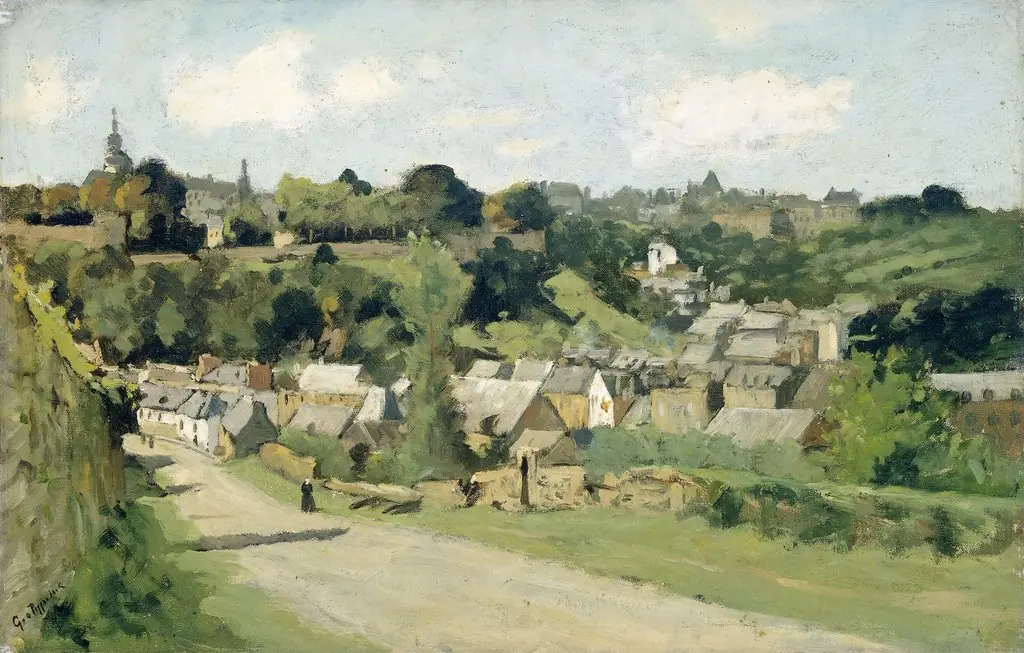 View of Dinant
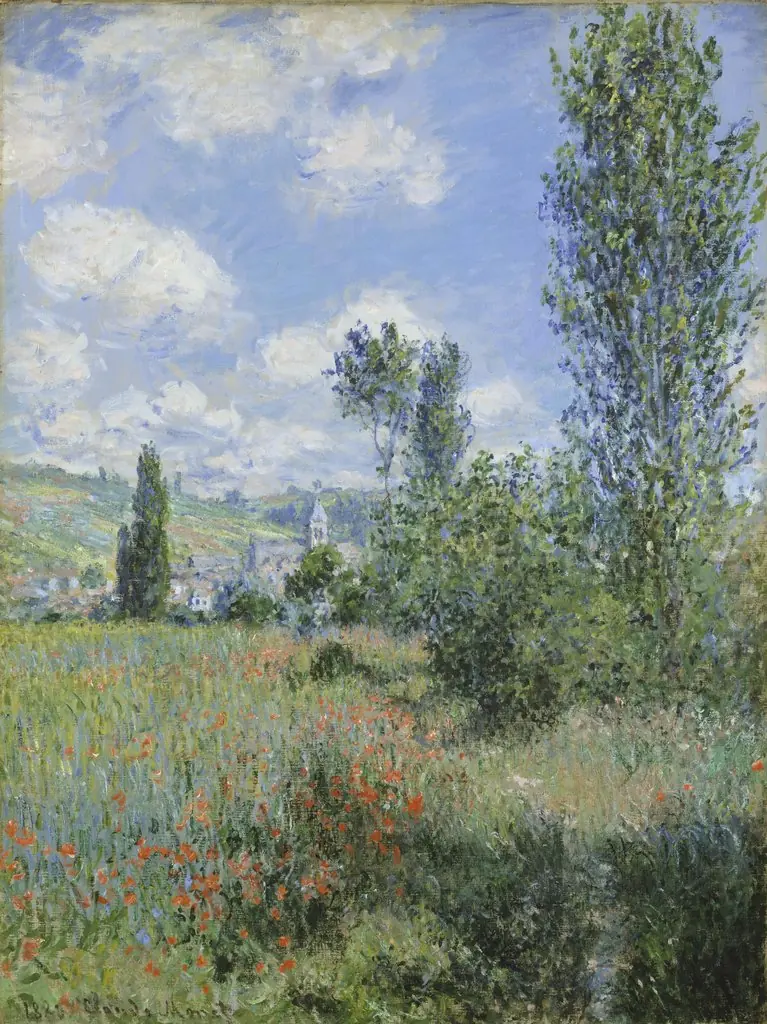 View of Vétheuil
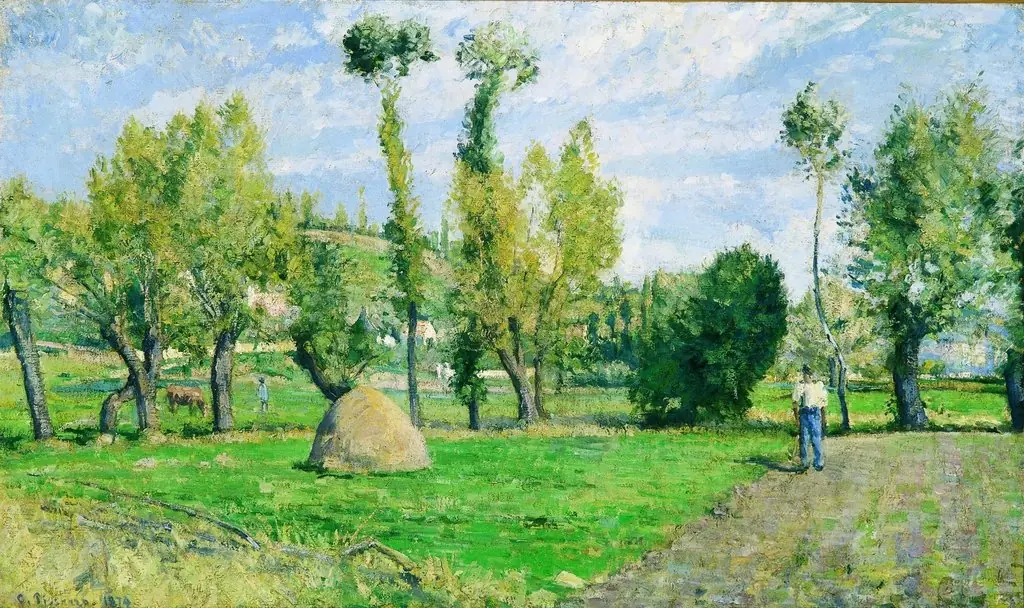 Meadows at Le Valhermeil, Auvers-sur-Oise
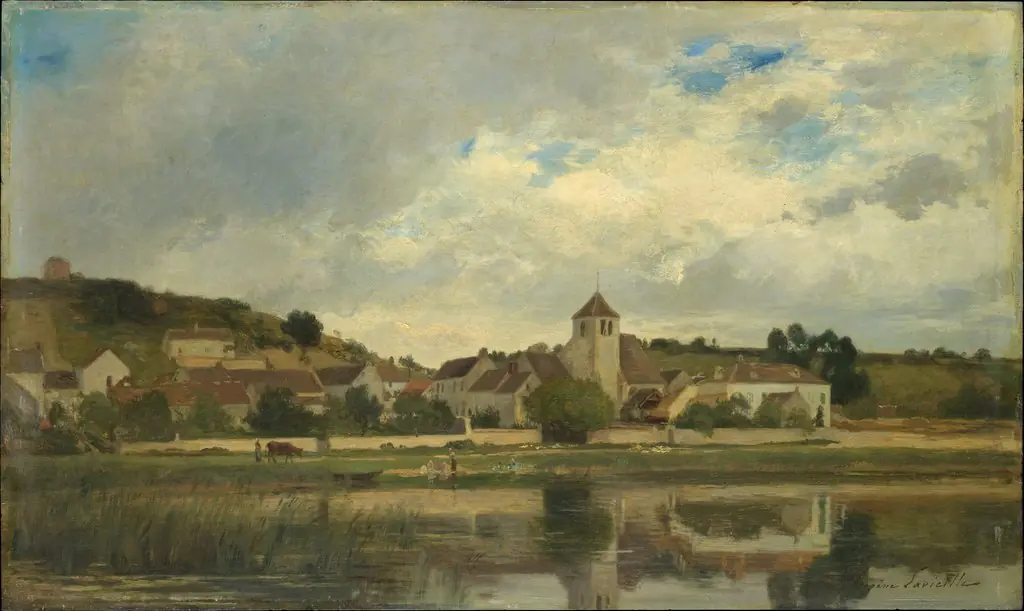 The Village of La Celle-sous-Moret
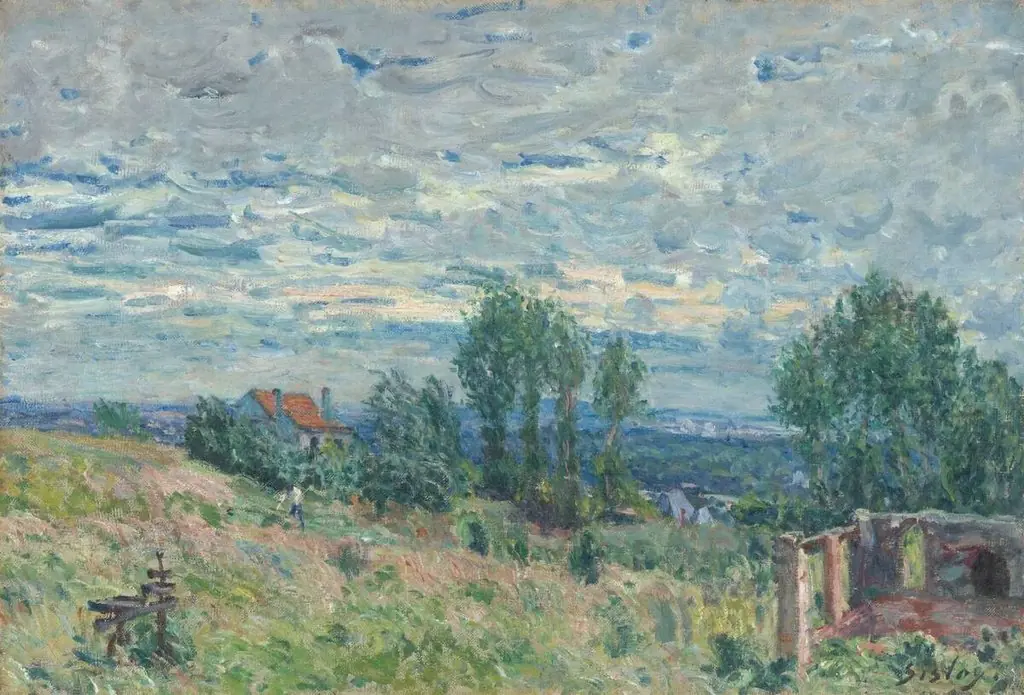 The Brickfield
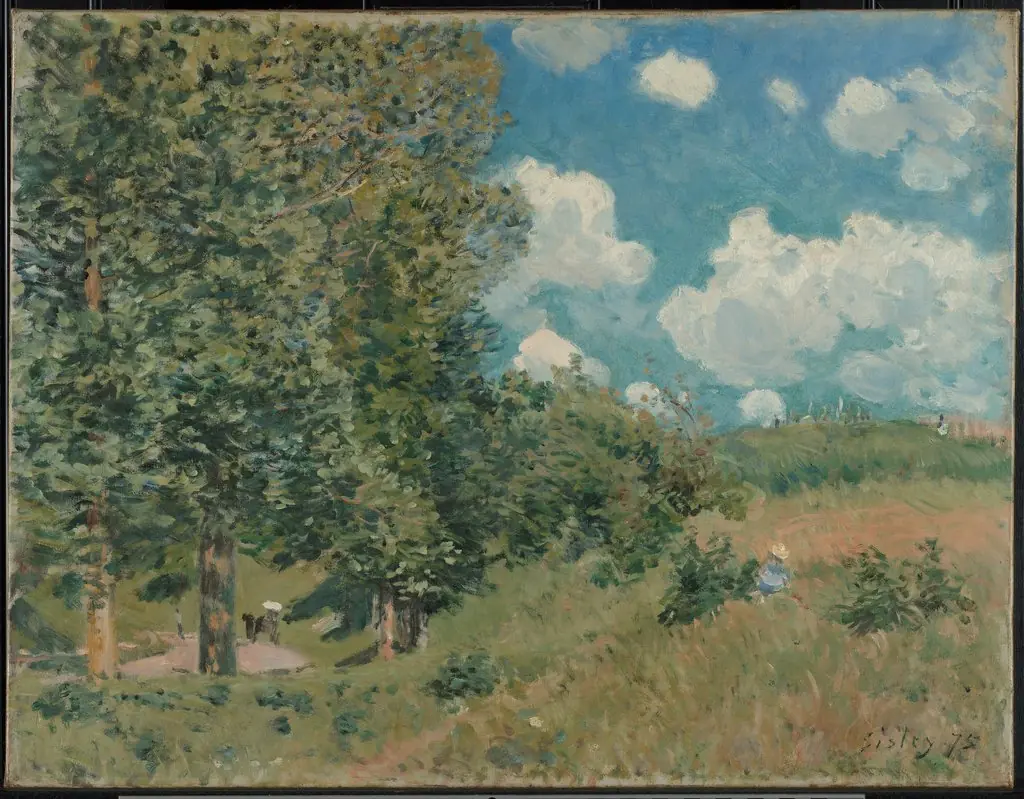 The Road from Versailles to Saint-Germain
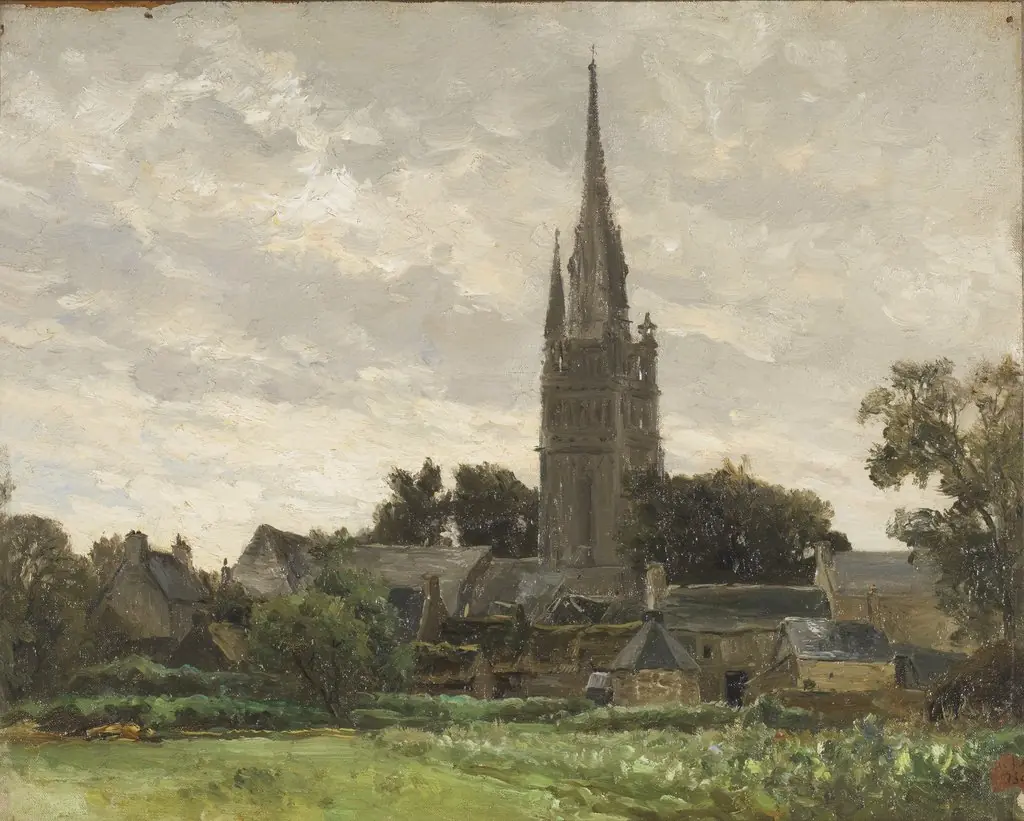 La torre de la iglesia (cercanías de Douarnenez)
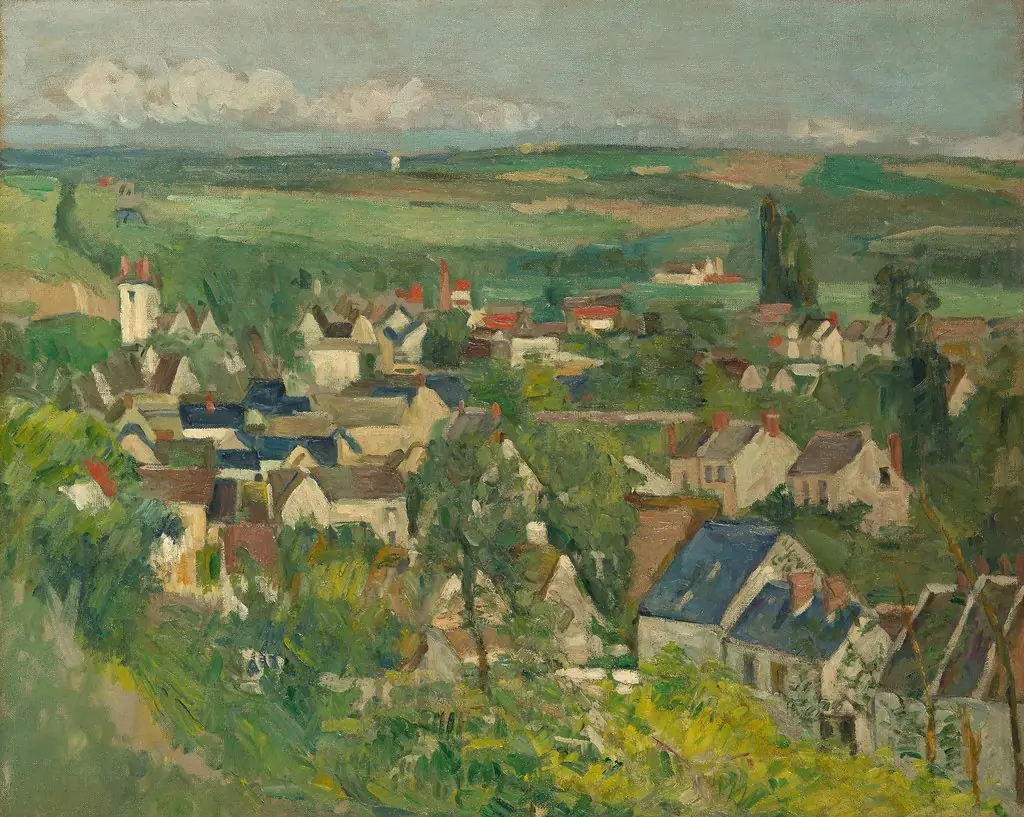 Auvers, Panoramic View
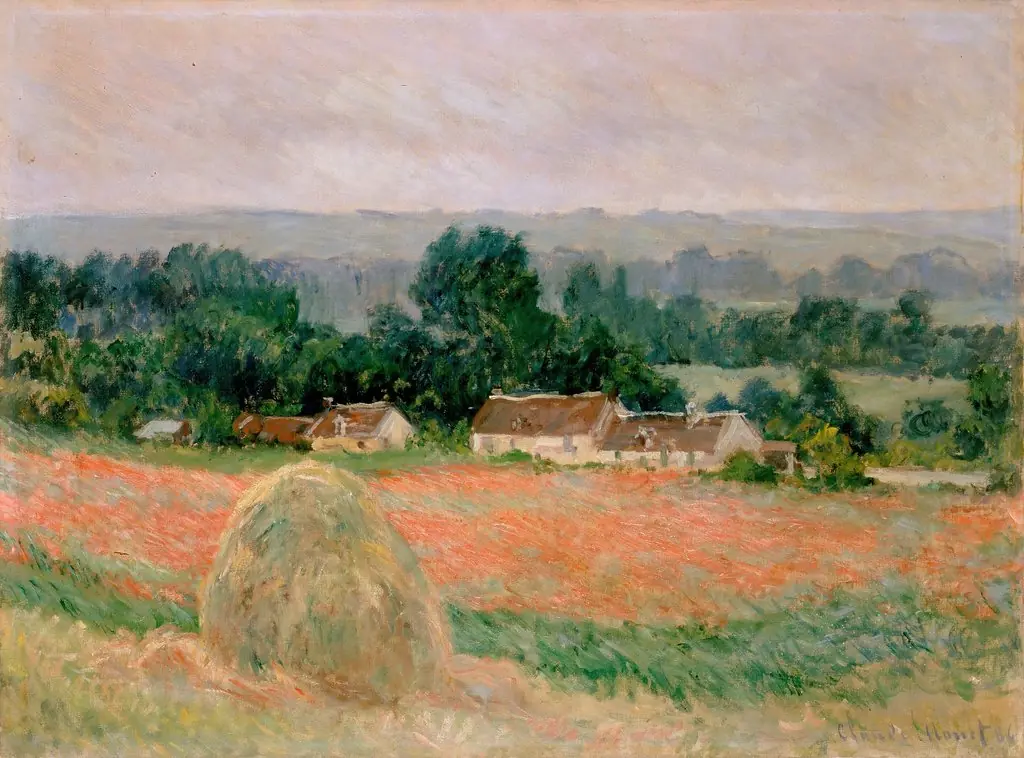 Haystack at Giverny
 Auvers, Panoramic View
 In the Valley of the Seine
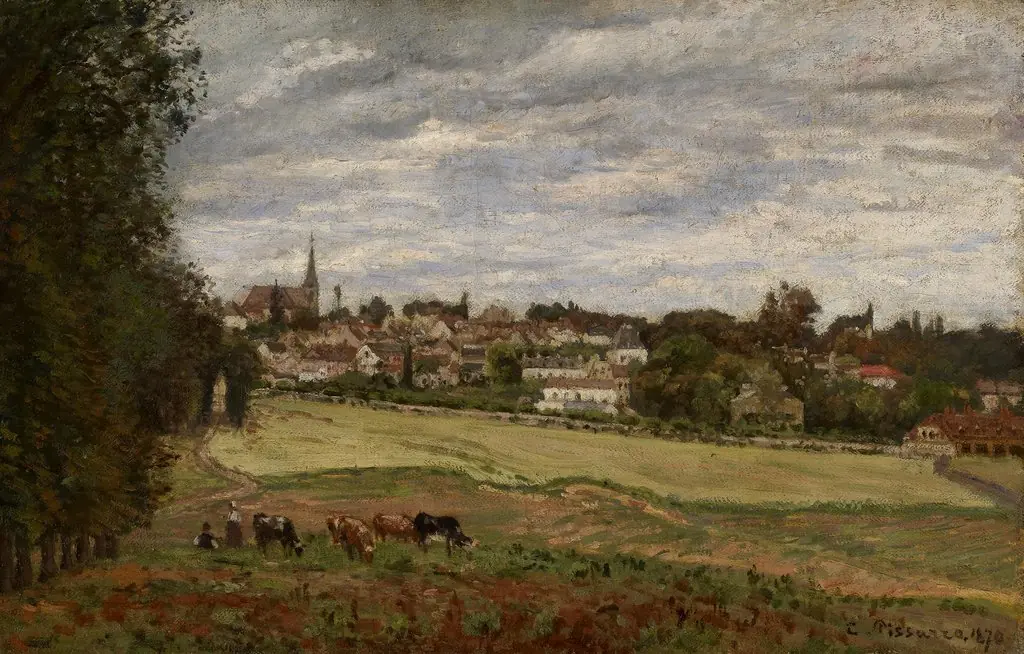 View of the Village of Marly-le-Roi