Artwork
Stack of Wheat
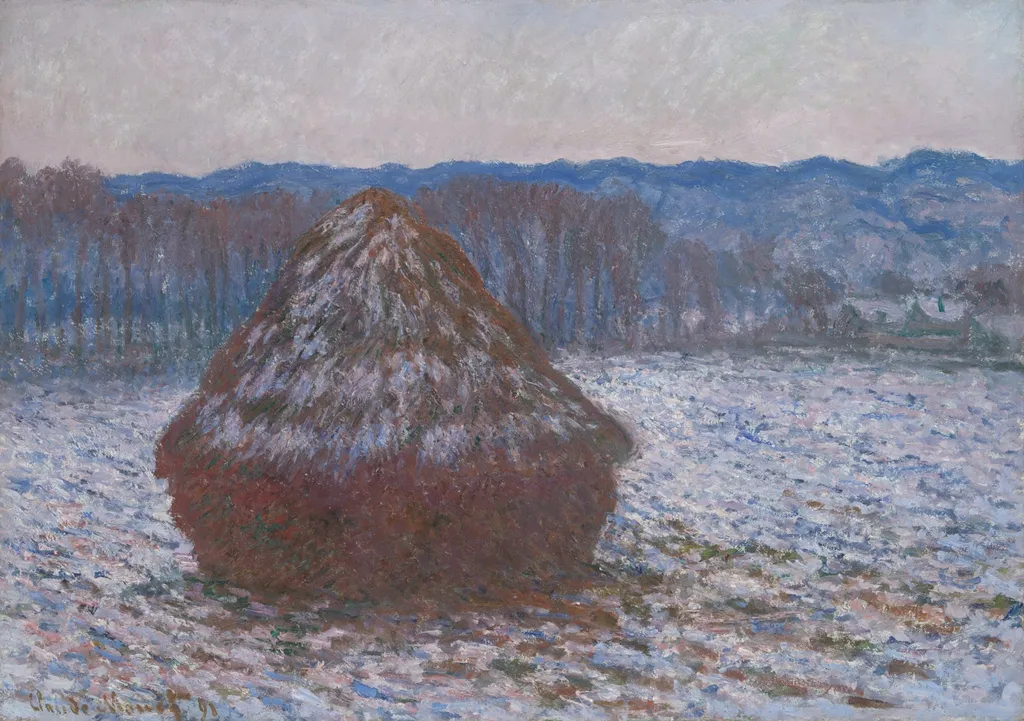
Stack of Wheat is an oil painting by the Impressionist artist Claude Monet. It dates from 1890 and is held in the collection of the Art Institute of Chicago.
About this work
He set up several easels at once, working fast to catch changing light.
Monet painted tall, golden wheat stacks in a field near his home. He set up several easels at once, working fast to catch changing light. Each canvas shows the same scene, but colors shift with the weather.
This series made Monet’s name. Before this, people saw him as a sketchy landscape guy. Now, critics called these paintings bold and new. He sold every stack painting in one day in 1891.
Try Monet’s Water Lilies next at the Art Institute of Chicago.
Overview
Claude Monet created a series of large oil paintings titled “Stacks of Wheat” in 1890‑1891, depicting towering wheat sheaves that rose fifteen to twenty feet high near his Giverny farmhouse. The works vary according to season and light, with autumn versions showing the conical tops piercing the horizon, while winter scenes present the stacks enveloped by surrounding fields and hills.
Subject & Meaning
The wheat stacks function as a visual metaphor for nourishment and endurance, reflecting the agricultural cycle that sustained the artist’s rural environment. By presenting the same agrarian motif under differing atmospheric conditions, Monet explored how weather and season alter perception of a constant, essential form.
Technique & Style
Monet worked both en plein air and in his studio, arranging several easels simultaneously to capture fleeting light. Rapid brushwork and a palette that shifts from warm golds in autumn to muted grays in winter convey the changing luminosity, while the compositional rhythm of repeated stacks creates a harmonious visual pattern across the series.
History & Provenance
In May 1891 Monet exhibited fifteen canvases from the series together in a single room at Galerie Durand‑Ruel in Paris. The show achieved immediate critical and commercial success, marking a turning point in his career and influencing French art of the period. The Art Institute of Chicago now holds the world’s largest collection of these paintings.
Legacy
The “Stacks of Wheat” series established Monet’s reputation beyond that of a casual landscape painter, prompting contemporary critics to describe the works as bold and innovative. Their rapid sale in 1891 demonstrated a new market appetite for Impressionist explorations of light, and the series paved the way for Monet’s subsequent investigations of poplars, Rouen Cathedral, and his own garden.
Own this work as a print
Artist & collection
Artist
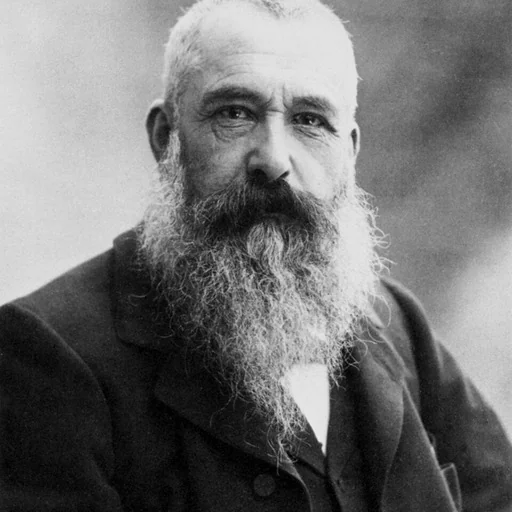
Oscar-Claude Monet was born in Paris on November 14, 1840, and raised from the age of five in Le Havre, where he began selling charcoal caricatures as a teenager.


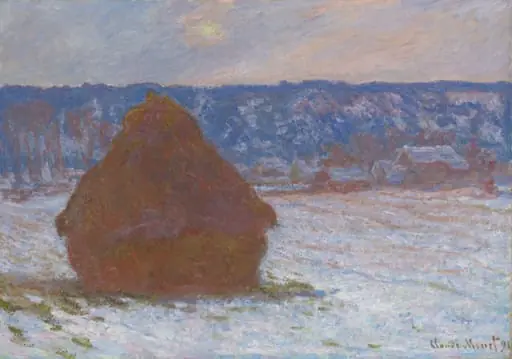 Stack of Wheat (Snow Effect, Overcast Day)
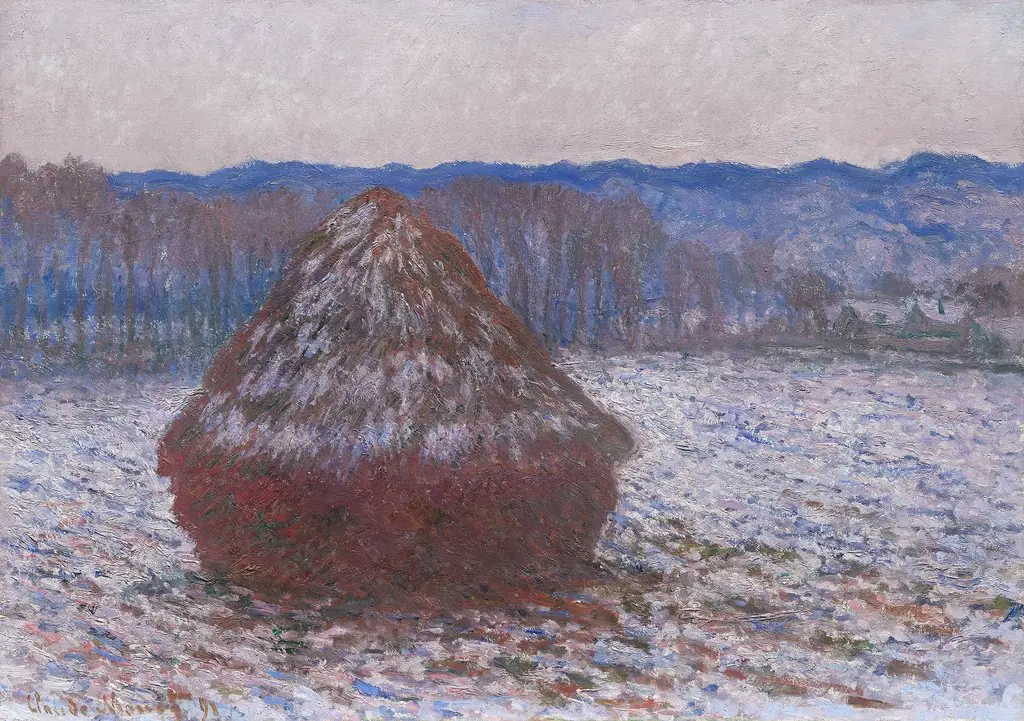 Stack of Wheat
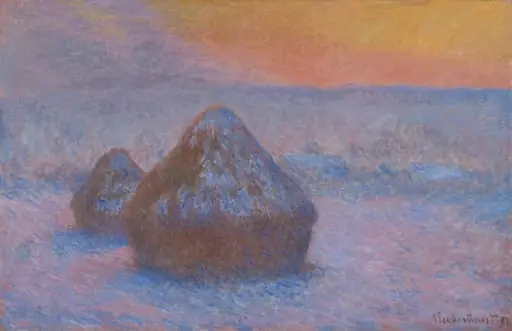 Stacks of Wheat (Sunset, Snow Effect)
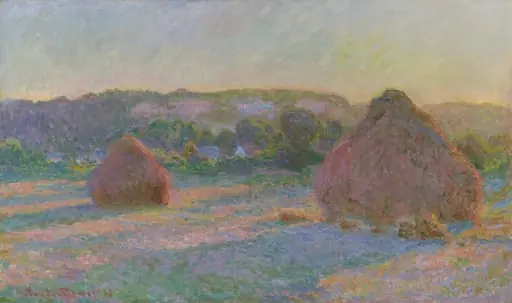 Stacks of Wheat (End of Summer)
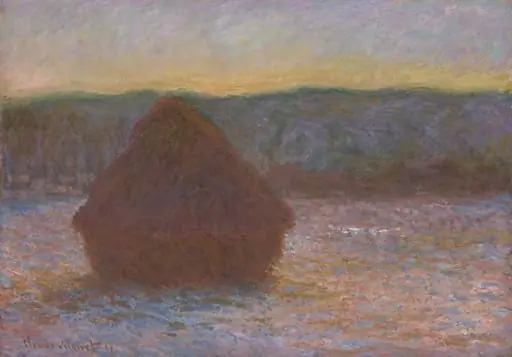 Stack of Wheat (Thaw, Sunset)
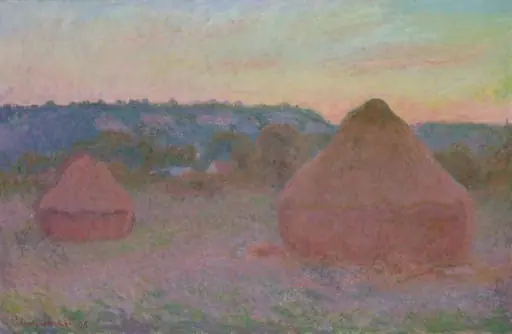 Stacks of Wheat (End of Day, Autumn)
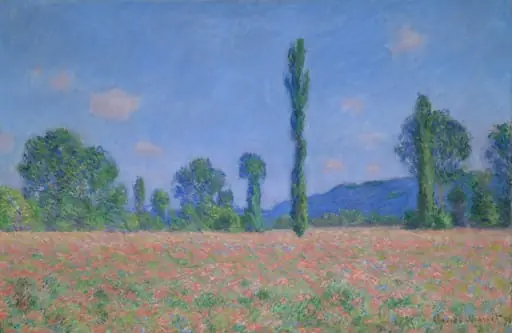 Poppy Field (Giverny)
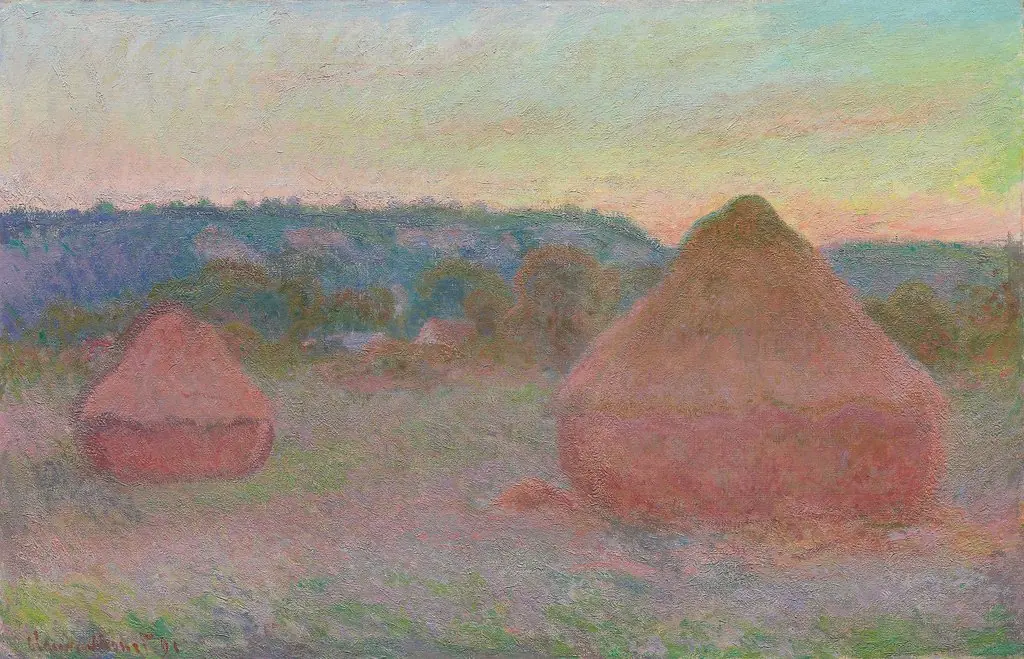 Stacks of Wheat (End of Day, Autumn)
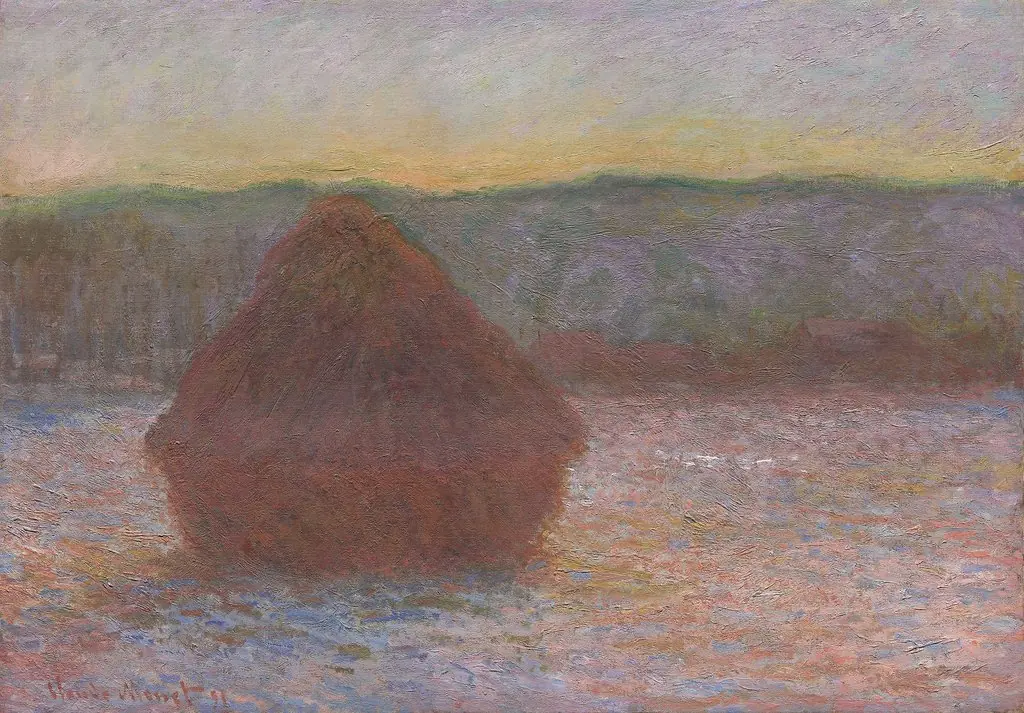 Stack of Wheat (Thaw, Sunset)
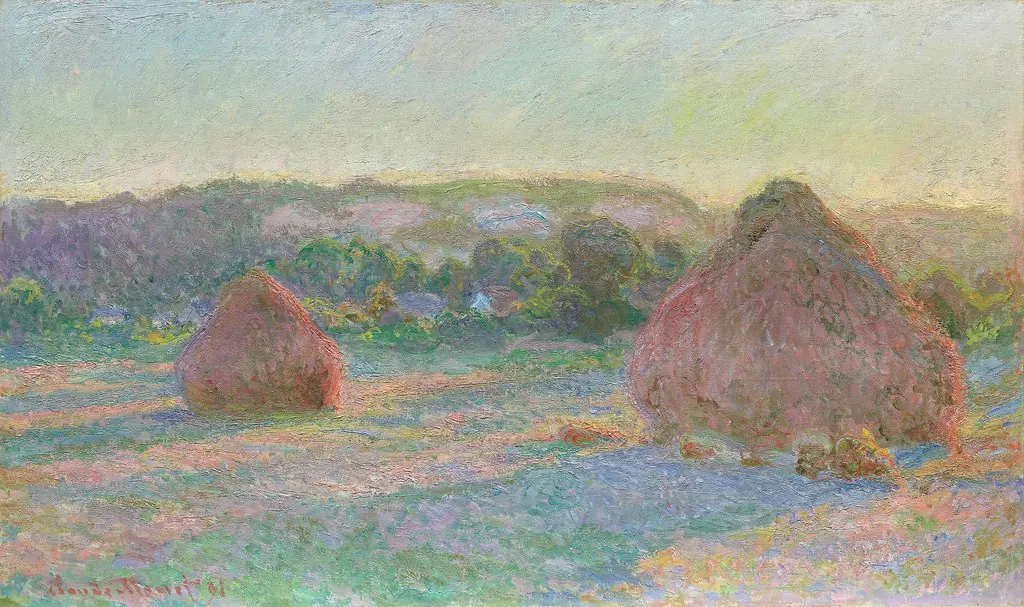 Stacks of Wheat (End of Summer)
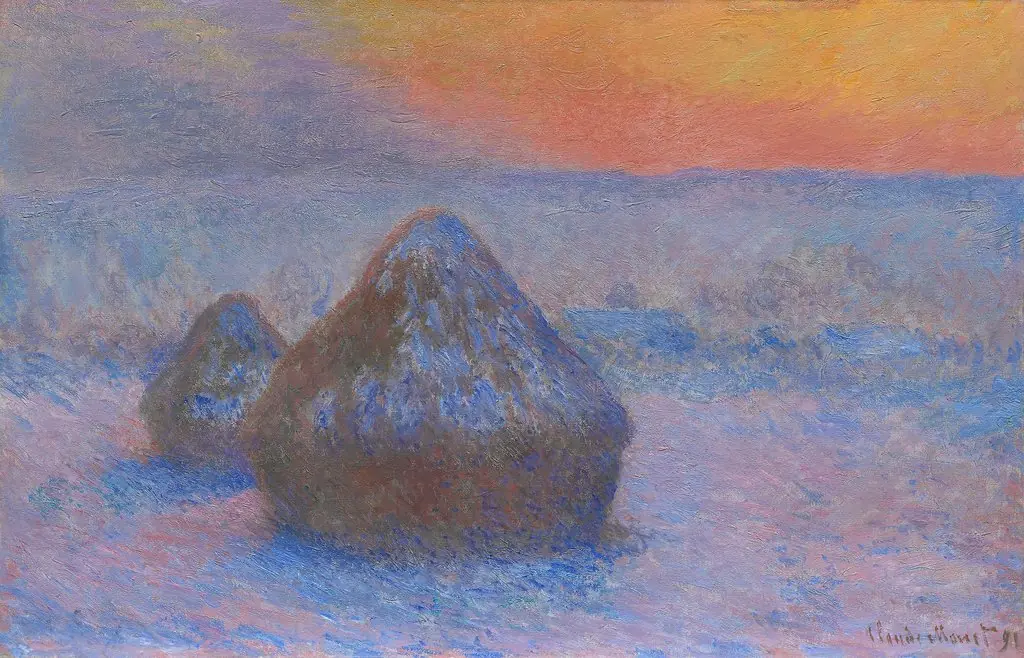 Stacks of Wheat (Sunset, Snow Effect)