Artwork
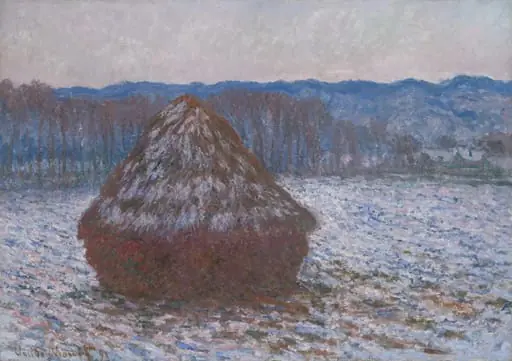
Stack of Wheat (Snow Effect, Overcast Day)
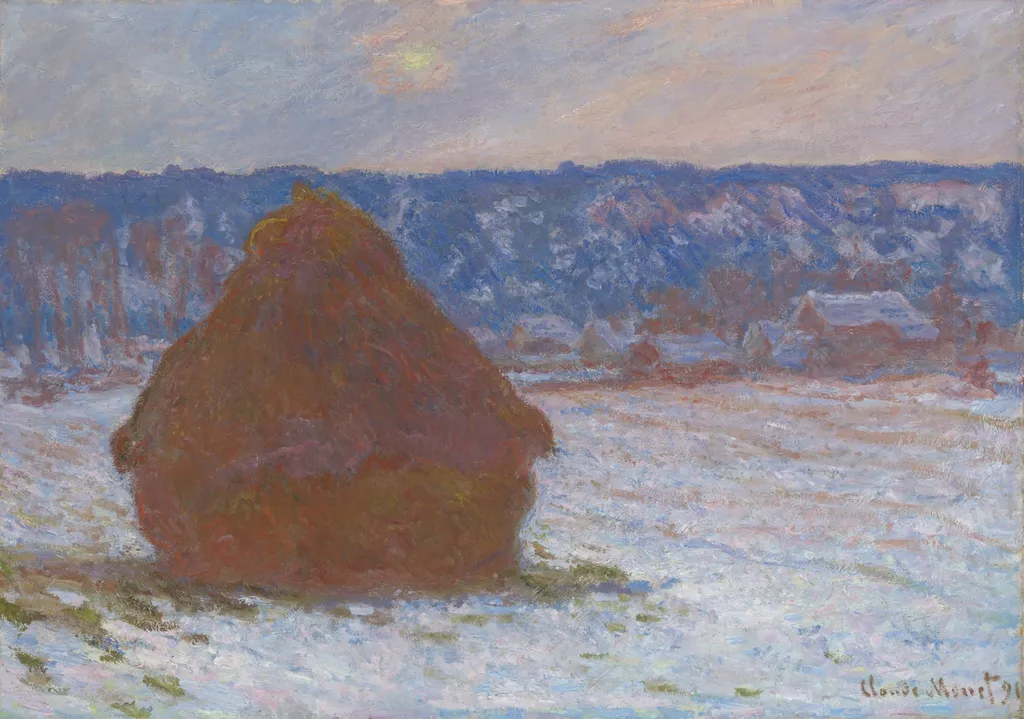
Stack of Wheat (Snow Effect, Overcast Day) is an oil painting by the Impressionist artist Claude Monet. It dates from 1890 and is held in the collection of the Art Institute of Chicago.
About this work
Overview
The series includes both autumn and winter scenes, each revealing subtle shifts in color, atmosphere, and form.
Claude Monet painted a series of wheat stacks near his home in Giverny between 1890 and 1891, capturing the same subject under varying weather and light conditions. He worked outdoors with multiple canvases at once, shifting between them as the day changed. The series includes both autumn and winter scenes, each revealing subtle shifts in color, atmosphere, and form. The paintings were exhibited together in 1891, marking a turning point in Monet’s public recognition.
Subject & Meaning
The wheat stacks, towering structures of harvested grain, represented agricultural endurance and the rhythm of rural life. Monet was drawn not to their function but to their sculptural presence against the landscape. In winter, they appear nestled into the earth, wrapped by snow-laden fields; in autumn, they rise sharply against the sky. For Monet, they were vessels for observing how light transformed ordinary forms over time.
Technique & Style
Monet applied oil paint in layered, broken strokes to capture fleeting atmospheric effects. He avoided sharp outlines, instead using color transitions to suggest depth and texture. By working on several canvases simultaneously, he could respond to rapid changes in light, preserving the immediacy of each moment. The palette shifts from warm golds to cool grays and blues, reflecting overcast skies and snow-covered ground.
History & Provenance
In May 1891, fifteen paintings from the series were displayed together at Galerie Durand-Ruel in Paris. The cohesive presentation, unprecedented for a single-subject series, drew significant attention and critical acclaim. The Art Institute of Chicago now holds the largest collection of these works, acquired over several decades through private donations and museum purchases.
Context
This series emerged during a period when artists were redefining landscape painting beyond narrative or idealization. Monet’s focus on transient conditions aligned with broader shifts toward perceptual realism. His method—painting the same subject repeatedly under changing conditions—challenged traditional notions of composition and permanence, influencing later movements that prioritized sensory experience over fixed form.
Legacy
The Wheat Stacks series established a model for serial painting that Monet would extend to poplars, Rouen Cathedral, and his water lilies. It demonstrated how repetition could reveal the instability of visual perception. The works helped cement the legitimacy of Impressionism as a serious artistic pursuit, shifting focus from subject matter to the act of seeing itself.
Own this work as a print
Artist & collection
Artist
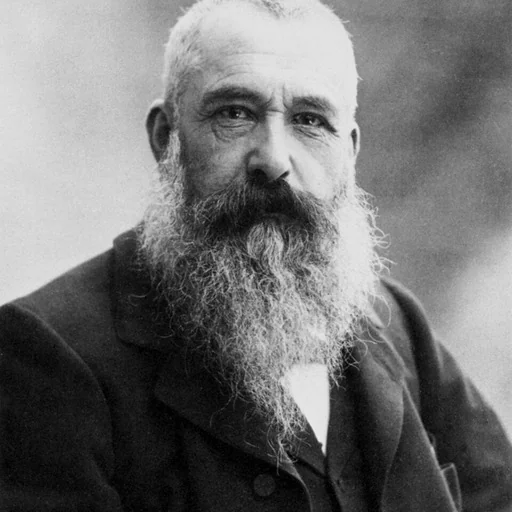
Oscar-Claude Monet was born in Paris on November 14, 1840, and raised from the age of five in Le Havre, where he began selling charcoal caricatures as a teenager.

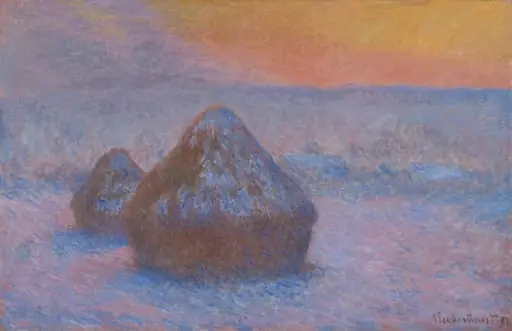 Stacks of Wheat (Sunset, Snow Effect)
 Stack of Wheat
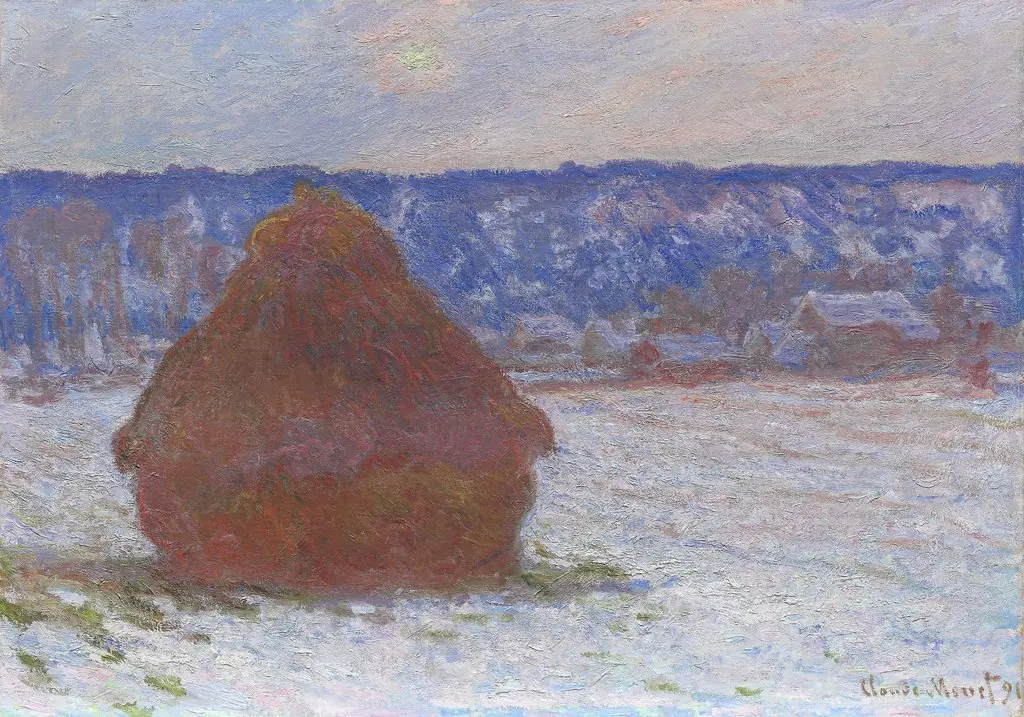 Stack of Wheat (Snow Effect, Overcast Day)
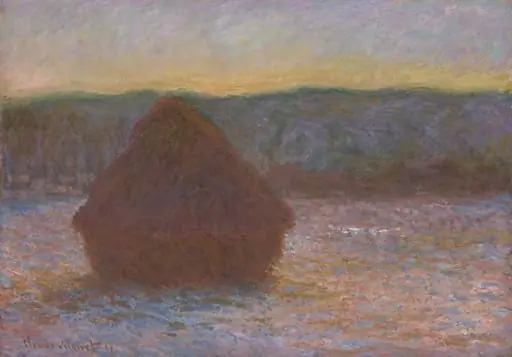 Stack of Wheat (Thaw, Sunset)
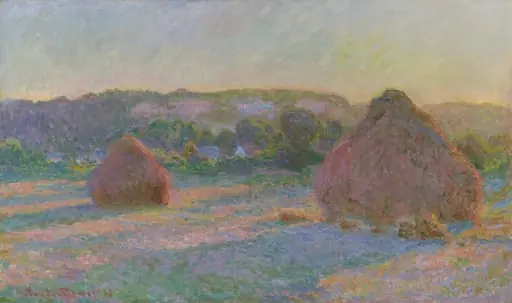 Stacks of Wheat (End of Summer)
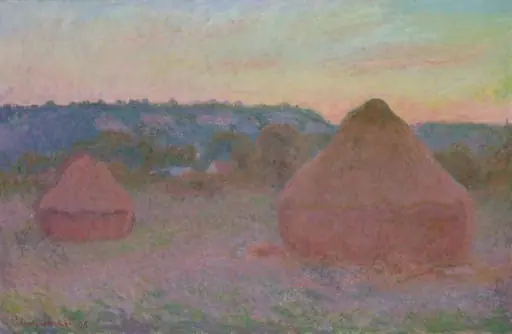 Stacks of Wheat (End of Day, Autumn)
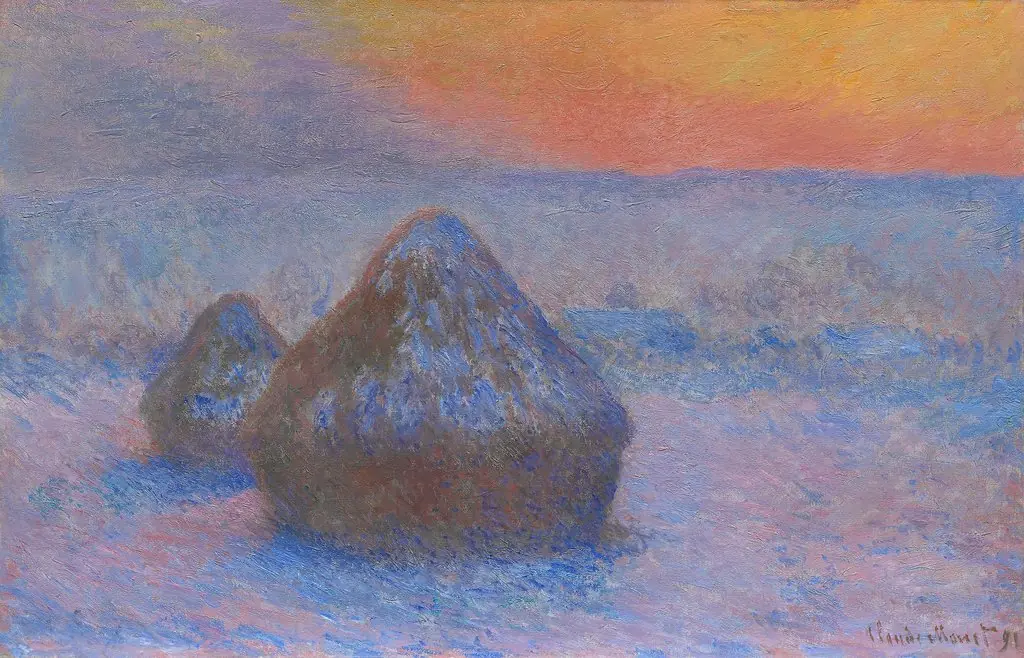 Stacks of Wheat (Sunset, Snow Effect)
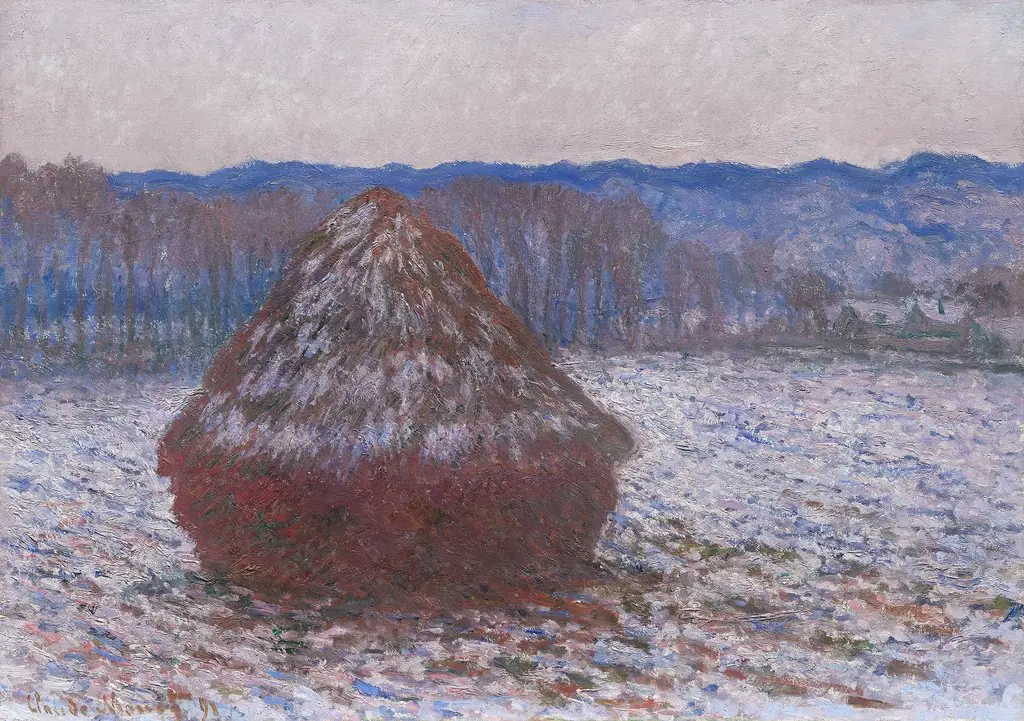 Stack of Wheat
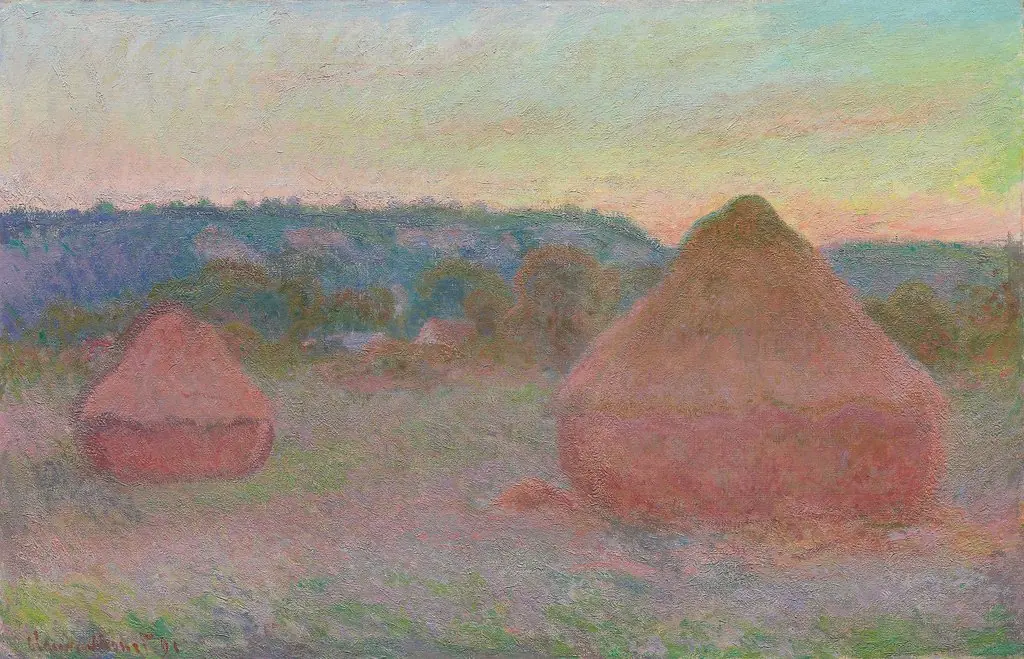 Stacks of Wheat (End of Day, Autumn)
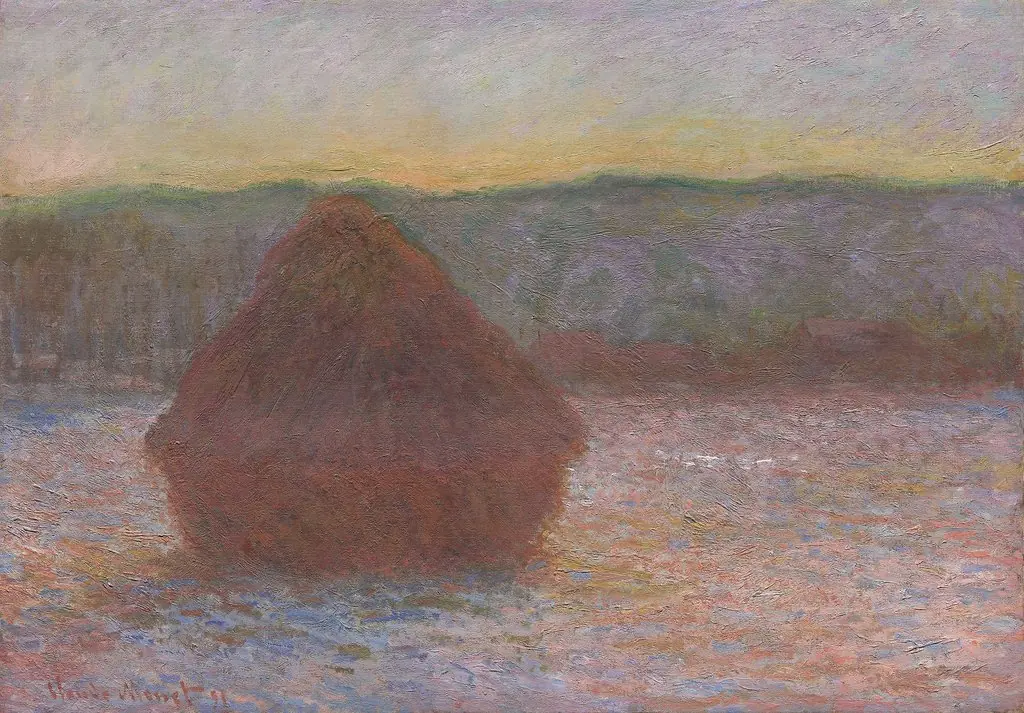 Stack of Wheat (Thaw, Sunset)
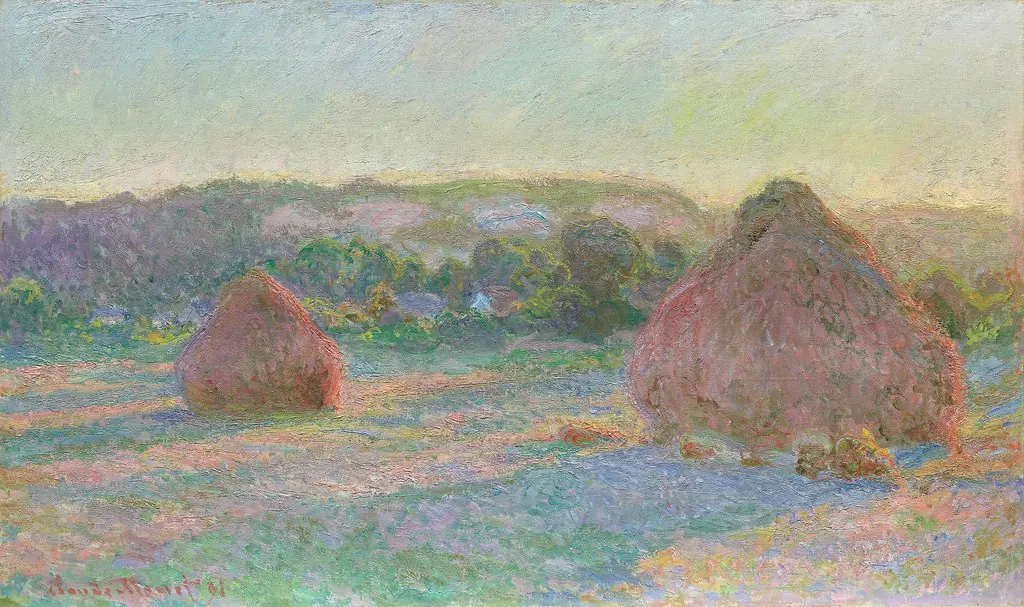 Stacks of Wheat (End of Summer)
 Sandvika, Norway